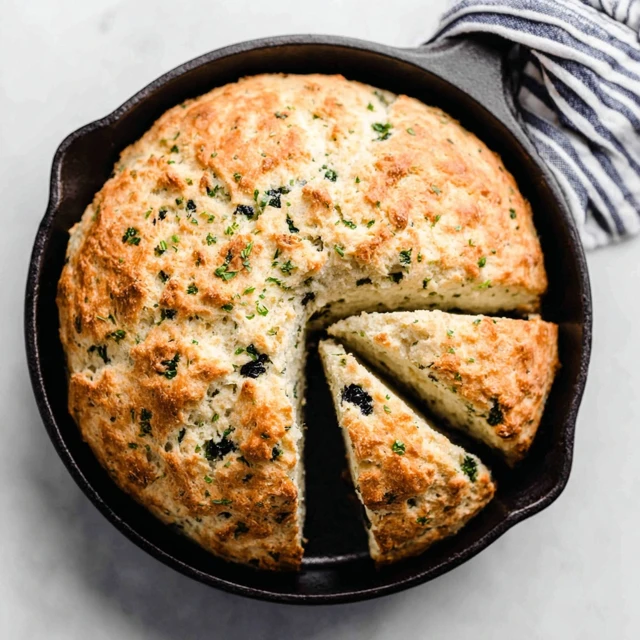
Cast iron has a way of transforming a simple, rustic dough into something truly spectacular. When you bake soda bread in a preheated skillet, the bottom develops a deeply golden, almost fried crust that an ordinary baking sheet simply cannot achieve.
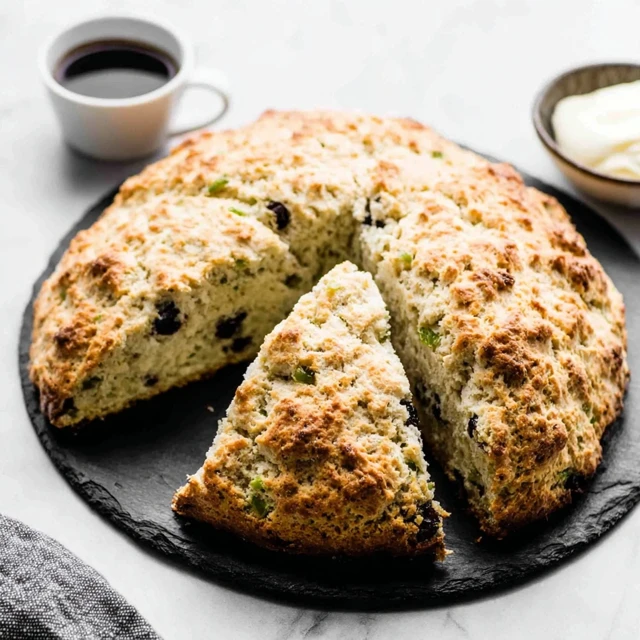
Inside, the crumb remains tender and dense, soaking up butter like a sponge. It is a humble loaf elevated by the heat of the pan, ready to be torn apart and shared while still warm from the oven.
My Kitchen Secrets
- The Hot Skillet: Preheat your cast iron skillet in the oven while it warms up. Dropping the dough onto a hot surface ensures that irresistible, crispy bottom crust immediately begins to form.
- The “Cross” Cut: Cutting a deep cross in the top isn’t just tradition to “let the fairies out.” It helps the heat penetrate the center of the thick loaf so it bakes evenly without burning the outside.
- Gentle Hands: Soda bread is not yeast bread; it hates to be kneaded. Handle the dough as little as possible to keep it tender, much like you would for Irish Soda Bread Muffins.
The Essentials
To make a loaf that would make any grandmother proud, you need to start with the right foundation. While this recipe is forgiving, the quality of your dairy and the freshness of your leavening agents make all the difference.
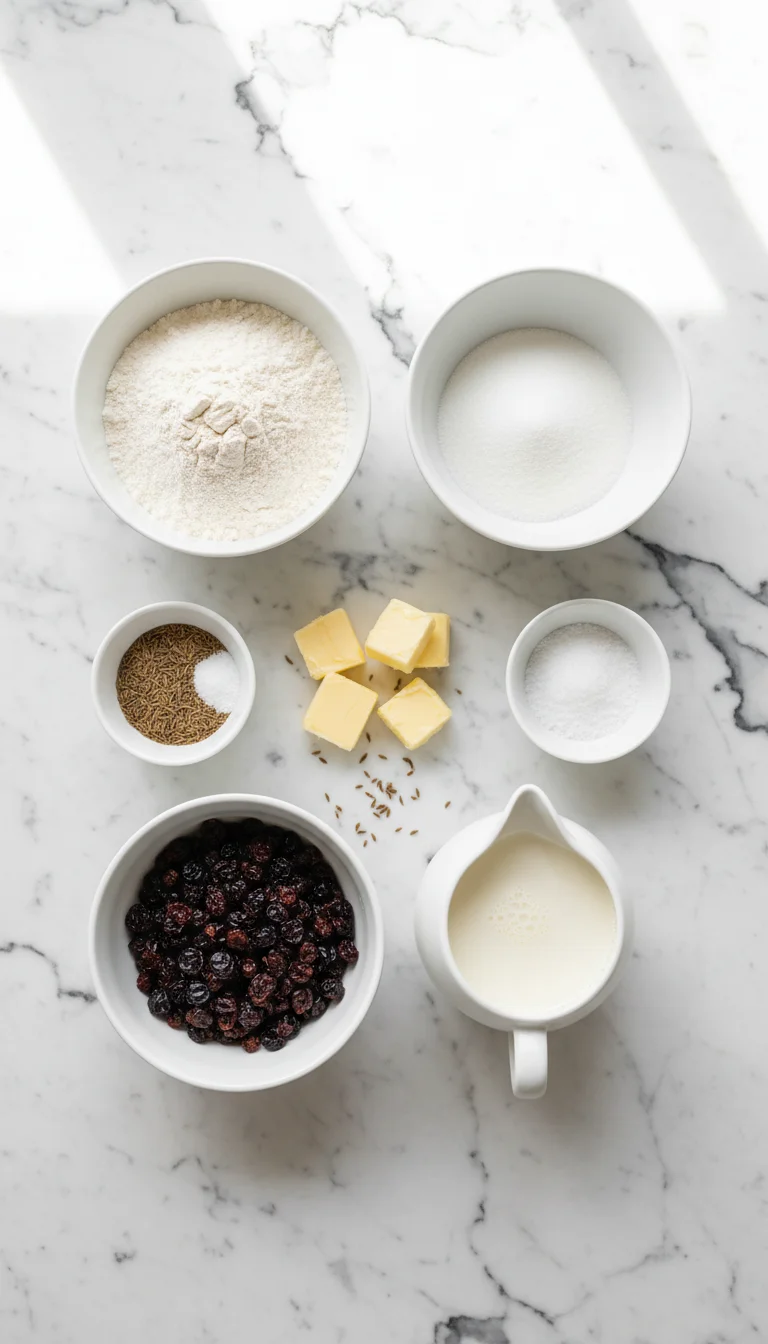
Here is what you will need to gather on your counter:
- All-Purpose Flour: (This provides the structure; unlike yeast breads, we don’t need high-protein bread flour here).
- Granulated Sugar: (Just a small amount adds a subtle sweetness and helps the crust brown beautifully).
- Baking Soda: (The crucial leavening agent that reacts with the buttermilk to make the bread rise).
- Salt: (Essential for flavor; without it, the bread will taste flat and bland).
- Cold Unsalted Butter: (Keep it very cold and cut into cubes; this creates little pockets of steam for a lighter texture).
- Buttermilk: (The acid is non-negotiable to activate the baking soda and tenderize the crumb).
- Egg: (Adds richness and helps bind the dough together for a sturdier slice).
- Currants or Raisins: (Optional, but they add lovely bursts of sweetness similar to a classic Irish Soda Bread).
- Caraway Seeds: (Optional, for that traditional, earthy savory note).
Simple Swaps
If you find your pantry lacking a specific item, do not worry. This recipe is quite adaptable.
- No Buttermilk? You can easily make your own “sour milk.” Add one tablespoon of lemon juice or white vinegar to a cup of regular milk and let it sit for 5 minutes until it curdles.
- Whole Wheat Option: You can substitute half of the white flour for whole wheat flour if you prefer a nuttier taste closer to Irish Brown Bread.
- Butter Alternative: If you are out of butter, you can use cold margarine, though the flavor will be slightly less rich.
- Egg-Free: You can omit the egg if necessary; just increase the buttermilk slightly to ensure the dough comes together.
Make It Your Own
Once you have mastered the basic loaf, the skillet becomes a canvas for your cravings. I have experimented with many flavors over the years, and these are my favorites.
The Savory Cheddar: Omit the sugar and fruit. Instead, fold in one cup of sharp cheddar cheese and some chopped fresh chives. This version is wonderful alongside a hearty soup.
The Breakfast Loaf: Add a teaspoon of orange zest and replace the currants with dried cranberries. It smells like heaven in the morning when toasted.
The Purist: Skip the egg, sugar, butter, and fruit entirely for a traditional soda bread experience. This results in a leaner, chewier loaf that is perfect for soaking up gravy.
The Time-Tested Method
Making this bread is a quick process, so it is best to have your oven ready before you begin mixing. There is no rising time required, which is the beauty of soda bread.
1. Prepare the Heat
Preheat your oven to 400°F (200°C). Place your 10-inch cast iron skillet into the oven while it preheats. This step is vital for that signature crust. If you don’t have a skillet, a baking sheet works, but you will miss out on the best texture.2. Whisk the Dry Ingredients
In a large mixing bowl, whisk together the flour, sugar, baking soda, and salt. Whisking ensures the baking soda is evenly distributed, preventing any bitter bites in the finished loaf.3. Cut in the Butter
Add the cold, cubed butter to the flour mixture. Use a pastry blender or your fingertips to rub the butter into the flour until the mixture looks like coarse crumbs. You want some pea-sized bits of butter to remain visible.4. Mix the Wet Ingredients
In a separate small bowl or measuring jug, whisk the buttermilk and egg together. If you are adding currants or caraway seeds, toss them into the flour mixture now so they are coated and don’t sink.5. Form the Dough
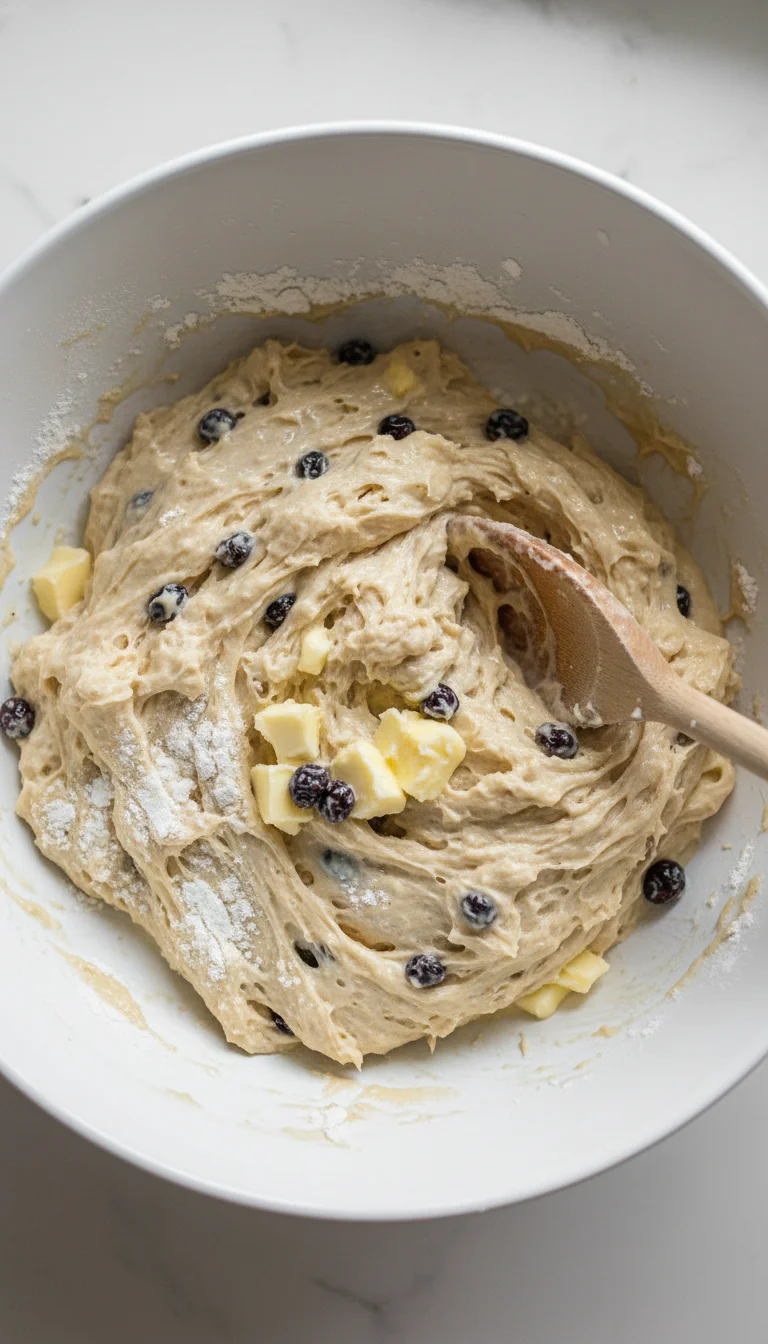
Make a well in the center of the dry ingredients and pour in the buttermilk mixture. Use a wooden spoon or a fork to stir just until the flour is moistened. The dough will be sticky and shaggy—this is exactly how it should be. Do not overmix, or you will lose the tenderness found in a good Irish Soda Bread.6. Shape and Score
Turn the dough out onto a lightly floured surface. With floured hands, gently pat it into a round disk about 1.5 inches thick. Carefully remove the hot skillet from the oven (use thick mitts!). Drop the dough into the center of the hot skillet. Use a sharp knife to cut a deep “X” across the top.7. Bake Until Golden
Bake for 35 to 45 minutes. The bread should be a deep golden brown. To check for doneness, insert a skewer into the center; it should come out clean.Baker’s Notes
Even with a simple recipe, a few small details can ensure success every time. Here is what I have learned from years of baking.
- The Hollow Sound: The most reliable way to test if soda bread is done is to carefully lift it and tap the bottom. It should sound hollow, like a drum.
- Don’t Slice Too Soon: It is tempting to cut into the hot bread immediately, but let it cool for at least 10 minutes. The bread continues to cook internally, and cutting too early can make the crumb gummy.
- Sticky Dough is Good: Do not be tempted to add too much extra flour during shaping. The dough should be tacky; too much flour makes the bread dry and heavy.
Perfect Pairings
This skillet bread is versatile enough to be served at any meal, from a rustic breakfast to a comforting dinner.
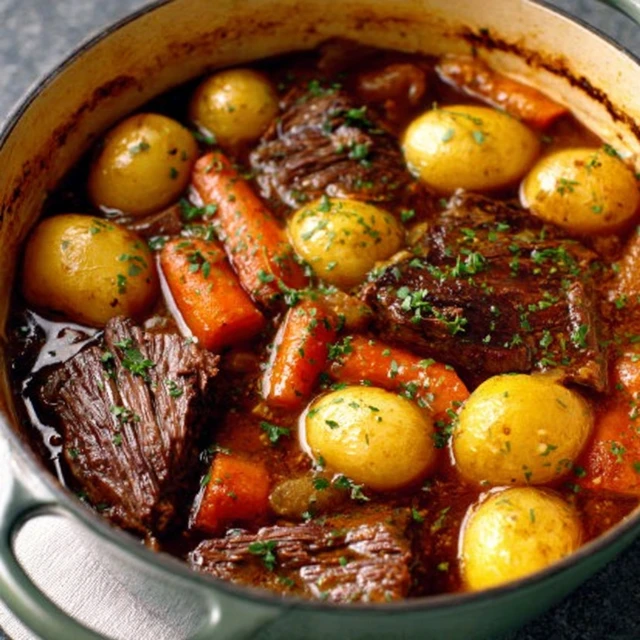
My absolute favorite way to serve this is warm, slathered with salted Irish butter and a drizzle of honey. It is also the ultimate companion for a rich, dark stew. The dense crumb holds up perfectly when dipped into a bowl of Guinness Beef Stew.
For a lighter lunch, serve a slice alongside a sharp cheddar cheese and some crisp apple slices. The contrast of textures is delightful.
If you tried this recipe and loved it, please leave a 5-star rating below. It helps us so much!
Why is a cast iron skillet recommended for baking Irish soda bread?
Using a preheated cast iron skillet creates a deeply golden, crispy bottom crust that ordinary baking sheets cannot achieve, while keeping the interior crumb tender and dense.
What can I substitute for buttermilk if I do not have any?
You can make your own “sour milk” by adding one tablespoon of lemon juice or white vinegar to a cup of regular milk and letting it sit for 5 minutes until it curdles.
Why do you need to cut a cross into the top of the dough before baking?
Cutting a deep cross allows heat to penetrate the center of the thick loaf, ensuring it bakes evenly without burning the outside. It is also a traditional method often said to “let the fairies out.”
How do I know when the soda bread is fully cooked?
The bread is done when it is deep golden brown and a skewer inserted into the center comes out clean. A reliable test is to tap the bottom of the loaf; it should sound hollow, like a drum.
Skillet Irish Soda Bread with Crispy Crust
Ingredients
Equipment
Method
- Preheat your oven to 400°F (200°C). Place a 10-inch cast iron skillet into the oven while it preheats to ensure a crispy bottom crust.
- In a large mixing bowl, whisk together the flour, sugar, baking soda, and salt until evenly distributed.
- Add the cold, cubed butter to the flour mixture. Use a pastry blender or your fingertips to rub the butter into the flour until the mixture resembles coarse crumbs with some pea-sized bits of butter remaining.
- In a separate small bowl or measuring jug, whisk the buttermilk and egg together. If using currants or caraway seeds, toss them into the flour mixture now to coat them.
- Make a well in the center of the dry ingredients and pour in the buttermilk mixture. Use a wooden spoon or fork to stir just until the flour is moistened. The dough should be sticky and shaggy; do not overmix.
- Turn the dough out onto a lightly floured surface. With floured hands, gently pat it into a round disk about 1.5 inches thick.
- Carefully remove the hot skillet from the oven using thick mitts. Drop the dough into the center of the hot skillet.
- Use a sharp knife to cut a deep ‘X’ across the top of the dough to help it bake evenly.
- Bake for 35 to 45 minutes, or until the bread is a deep golden brown and a skewer inserted into the center comes out clean.
- Remove from the oven and let cool for at least 10 minutes before slicing to prevent the crumb from becoming gummy.