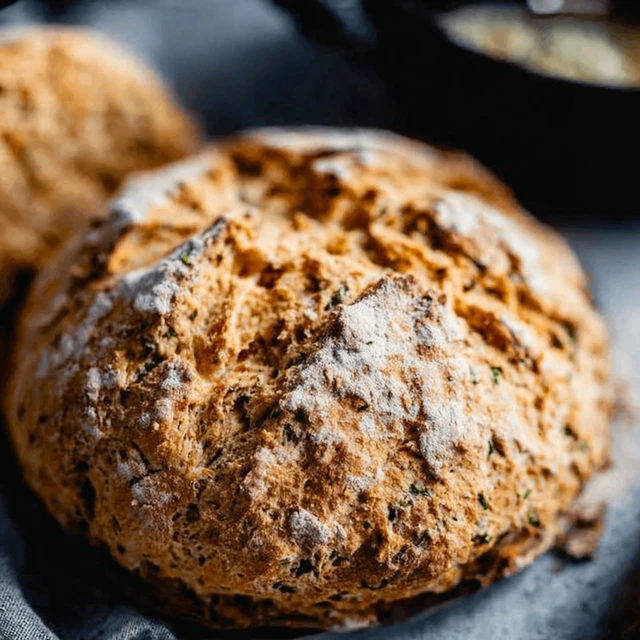
Why is it that a humble, four-ingredient loaf of Irish soda bread, when transformed into individual muffins, so often results in a dense, crumbly, or oddly flavored disappointment? My first few attempts were a disaster—either hockey pucks or dry, flavorless domes that bore no resemblance to the craggy, tender bread I loved. Then, I had an ‘Aha!’ moment that changed everything, turning a simple concept into a foolproof, spectacular bake.
The Alchemy of Simplicity: Why Soda Bread Works
Traditional Irish soda bread is a masterpiece of chemical leavening. Unlike yeast breads that rely on biological fermentation, soda bread uses the immediate reaction between an acid (typically buttermilk) and a base (baking soda) to produce carbon dioxide bubbles. This reaction is fast and heat-sensitive. The key to perfect muffins lies in harnessing this volatile reaction efficiently. The batter must be mixed minimally to avoid developing gluten (which would make them tough) and baked immediately to capture the gas before it escapes. It’s a race against time, where technique is everything.
The Master Formula: Irish Soda Bread Muffins

Ingredients
- 3 cups (360g) all-purpose flour, plus extra for dusting
- 1 tablespoon granulated sugar
- 1 teaspoon baking soda
- 1 teaspoon fine sea salt
- 1 ½ cups (360ml) cold, full-fat buttermilk
- 2 tablespoons unsalted butter, melted (for brushing)
- Optional add-ins: 1 cup raisins or currants, 1 tablespoon caraway seeds
Instructions
- Preheat your oven to 400°F (200°C). Generously grease a standard 12-cup muffin tin.
- In a large bowl, whisk together the flour, sugar, baking soda, and salt. If using add-ins, toss them with the dry ingredients to coat.
- Make a well in the center. Pour in the cold buttermilk all at once.
- Using a fork or your fingertips, mix swiftly and gently. Stop as soon as a shaggy, sticky dough forms and no dry flour remains. Do not knead. The dough will be very wet and ragged.
- Immediately turn the dough out onto a lightly floured surface. With floured hands, gently pat it into a rough circle about 1-inch thick.
- Using a bench scraper or sharp knife, cut the dough into 12 roughly equal portions. Quickly shape each into a loose ball and place in the prepared muffin cup.
- Using a serrated knife, score a deep ‘X’ on the top of each muffin ball.
- Bake for 18-22 minutes, until deeply golden brown and the muffins sound hollow when tapped on the bottom.
- Remove from the oven and immediately brush the tops with melted butter. Let cool in the pan for 5 minutes before transferring to a wire rack. Serve warm.
The Case of the Misunderstood Muffin: A Culinary Autopsy
Like many of you, I initially thought converting the loaf recipe was just a matter of portioning the dough into a muffin tin. I was wrong. What followed was a series of edible, but flawed, experiments.
Trial 1: The Overworked Hockey Pucks
My first batch treated the dough like a standard muffin batter. I mixed it smooth, worried about pockets of dry flour. The result was a tough, tight crumb because I had overdeveloped the gluten. The muffins rose straight up but were unpleasantly chewy. This was my first clue: tenderness is born from minimal intervention.
Trial 2: The Bitter, Pale Imposters
Knowing the reaction was time-sensitive, I pre-mixed the dry and wet ingredients separately hours before baking. Upon combining, I got great bubbles initially, but by the time I filled the tin, the fizz had fizzled. The baked muffins were pale, with a faint but unmistakable metallic aftertaste from the spent baking soda. The lesson was brutal: the acid-base reaction is a one-shot deal. You get one chance to get it into the oven.
The ‘Aha!’ Moment: Cold Buttermilk & The Confident Hand
Frustrated, I went back to the oldest recipes I could find. The directive was always “use cold buttermilk.” Why? It slows the reaction just enough for you to get the dough shaped. And the mixing instruction was never “stir until smooth,” but “mix until just combined.” I realized the dough *should* look like a shaggy, sticky mess. Embracing the mess was the key. My next batch, mixed with cold buttermilk and a fearless, quick hand, was a revelation—craggy, tender, perfectly risen, with that iconic slight tang. The parallel to perfect Blueberry Cottage Cheese Muffins struck me: both rely on a delicate, moist batter that must not be over-manipulated.
The Foolproof Protocol: Your Blueprint for Success
- Respect the Chemistry: Have your tin greased and oven fully preheated before you mix the buttermilk and dry ingredients. The reaction begins the moment they meet.
- Embrace the Shaggy Dough: Do not seek a smooth, uniform batter. Stop mixing the second no dry flour remains. A wet, ragged dough is correct.
- Work with Confidence and Speed: Flour your hands and surface well. Pat, cut, and shape the dough balls quickly. Hesitation leads to dense muffins.
- Score Deeply: The ‘X’ isn’t just tradition; it allows steam to escape and guides the muffin’s expansion, preventing cracks and ensuring even cooking from the center out—a technique just as crucial in richly spiced bakes like Perfect Pumpkin Muffins.
- Test for Doneness with Sound: Color is a good indicator, but the true test is the hollow sound when tapped. This ensures the crumb is fully set.
Mastering this formula opens the door to endless variation. Once you have the basic technique down, you can explore adding spices, cheeses, or seeds, much like the creative twists found in Pumpkin Cream Cheese Muffins or the decadent layers of a Pumpkin Cheesecake Muffin. For a true fall harvest treat, the combination of fruits and spices in Apple Pumpkin Streusel Muffins is a fantastic inspiration. The beauty of the soda bread muffin is its rustic simplicity—a quick, satisfying bake that relies not on complexity, but on understanding a few fundamental, scientific principles. Now, armed with the method and the *why* behind it, you’re ready to bake with confidence.
Why is it so important to use cold buttermilk and mix the dough minimally for Irish soda bread muffins?
Using cold buttermilk slows down the immediate chemical reaction between the acid (buttermilk) and base (baking soda), giving you just enough time to shape the dough before the gas escapes. Mixing minimally is crucial to avoid developing gluten, which would make the muffins tough and chewy. The dough should look shaggy and sticky, not smooth.
What is the purpose of scoring a deep ‘X’ on top of each muffin before baking?
Scoring a deep ‘X’ is not just traditional; it serves a functional purpose. It allows steam to escape during baking and guides the muffin’s expansion. This prevents random cracks and ensures even cooking from the center out, resulting in a better texture and shape.
What were the key mistakes in the failed trials, and what did they teach?
The first mistake was overmixing the dough like a standard muffin batter, which developed gluten and created tough, chewy ‘hockey pucks.’ The second mistake was pre-mixing ingredients hours before baking, which let the leavening reaction fizzle out, resulting in pale muffins with a metallic aftertaste from spent baking soda. These trials taught that tenderness comes from minimal mixing and that the acid-base reaction is a one-shot deal requiring immediate baking.
How can you tell when the Irish soda bread muffins are fully baked and ready?
While a deep golden brown color is a good indicator, the true test for doneness is sound. The muffins are ready when they sound hollow when tapped on the bottom. This ensures the crumb inside is fully set and cooked through.

Easy Irish Soda Bread Muffins
Ingredients
Equipment
Method
- Preheat oven to 400°F (200°C). Generously grease a standard 12-cup muffin tin.
- In a large bowl, whisk together the flour, sugar, baking soda, and salt. If using optional add-ins like raisins or caraway seeds, toss them with the dry ingredients to coat.
- Make a well in the center of the dry ingredients. Pour in the cold buttermilk all at once.
- Using a fork or your fingertips, mix swiftly and gently. Stop as soon as a shaggy, sticky dough forms and no dry flour remains. Do not knead; the dough will be wet and ragged.
- Turn the dough out onto a lightly floured surface. With floured hands, gently pat it into a rough circle about 1-inch thick.
- Using a bench scraper or sharp knife, cut the dough into 12 roughly equal portions. Quickly shape each into a loose ball and place in the prepared muffin cup.
- Using a serrated knife, score a deep ‘X’ on the top of each muffin ball.
- Bake for 18-22 minutes, until deeply golden brown and the muffins sound hollow when tapped on the bottom.
- Remove from the oven and immediately brush the tops with the melted butter. Let cool in the pan for 5 minutes before transferring to a wire rack. Serve warm.