There’s a particular kind of kitchen alchemy that happens not with a long, slow rise, but with a quick, fizzy reaction in a bowl. It’s the magic of turning four humble ingredients into a loaf of sustenance, a crusty, tender bread born from practicality and perfected by generations. This is the soul of traditional Irish soda bread.
What emerges from your oven is a rustic, craggy masterpiece. It has a firm, flour-dusted crust that gives way to a soft, slightly dense, and tender crumb. The flavor is wholesome and comforting, with a subtle tang that makes it impossibly good slathered with good butter. It’s bread that doesn’t wait for you; it’s ready when you are.
Why This Traditional Irish Soda Bread Works
- No Yeast, No Wait: Forget proofing and worrying about warm milk. The baking soda and buttermilk reaction creates the rise instantly, meaning bread is on your table in about an hour.
- Incredibly Forgiving: This is a “quick bread,” which means there’s no gluten development to stress over. A light, confident hand is your only real tool for success.
- Pure, Honest Flavor: With no bells and whistles, the simple, wholesome taste of the flour and buttermilk shines. It’s the perfect blank canvas or a stellar companion to soups and stews.
What You’ll Need
The beauty of this bread lies in its short, pantry-friendly list. Each ingredient plays a specific, non-negotiable role in creating the right texture and flavor. Let’s gather them up.
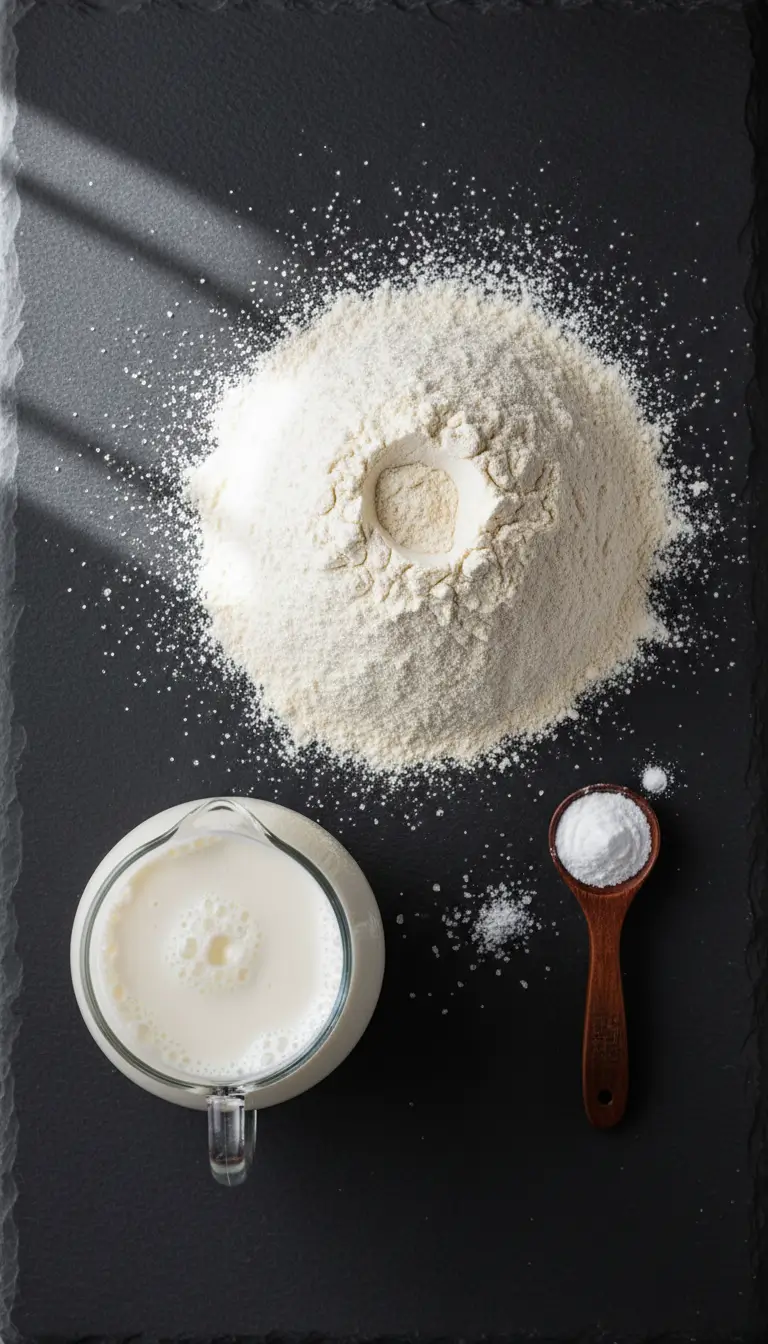
- All-Purpose Flour: (The main structure of the bread. It provides the right protein level for a tender but sturdy crumb.)
- Baking Soda: (The essential leavening agent. It reacts with the acid in the buttermilk to create bubbles and make the bread rise.)
- Salt: (Crucial for balancing and enhancing all the other flavors. Don’t skip it.)
- Buttermilk: (The acidic partner to the baking soda. It creates the rise, adds a lovely tang, and keeps the bread incredibly moist.)
Ingredient Swaps
- No Buttermilk? Make your own “soured milk.” Add 1 tablespoon of white vinegar or lemon juice to a liquid measuring cup, then fill with regular milk to the 1 ¾ cup line. Stir and let it sit for 5-10 minutes until slightly curdled.
- Want a Whole-Grain Version? You can substitute up to half of the all-purpose flour with whole wheat flour for a nuttier taste and heartier texture.
- Dairy-Free Adaptation: Use a plain, unsweetened dairy-free milk (like almond or oat) mixed with 1 ¾ tablespoons of vinegar or lemon juice as above. A thick, plain dairy-free yogurt thinned with a little water can also work.
- Add-Ins are Welcome: While purists may balk, adding 1 cup of raisins or currants and 1 tablespoon of caraway seeds is a very popular variation, especially around St. Patrick’s Day.
Make It Your Own
Once you’ve mastered the classic loaf, it’s fun to play with flavors. Here are a few ways to customize your bread.
For a savory twist, fold in a handful of shredded sharp cheddar cheese and some chopped fresh herbs like chives or rosemary. A sweeter breakfast version is lovely with a handful of dried cranberries and an extra tablespoon of sugar mixed into the dry ingredients. You can also brush the top with a little melted butter as soon as it comes out of the oven for a softer, richer crust. For a beautiful, professional touch, score a deep “X” into the top of the loaf before baking; it helps the heat penetrate and creates those classic, splitting edges.
How to Make Traditional Irish Soda Bread
This process is wonderfully straightforward. The key is to work quickly and avoid over-mixing. Let’s walk through it.
Step 1: Prep and Mix Dry Ingredients
Preheat your oven to 425°F (220°C). Line a baking sheet with parchment paper. In a large mixing bowl, whisk together the flour, baking soda, and salt. Ensure the baking soda is evenly distributed with no clumps.
Step 2: Create the Dough
Make a well in the center of the dry ingredients. Pour in all of the buttermilk at once. Using a sturdy fork or your fingertips, start to mix from the center outward, just until a shaggy, sticky dough forms. It will look rough and a bit messy—that’s perfect.
Step 3: Shape Gently
Turn the dough out onto a lightly floured surface. With floured hands, gently pat and fold it 3-4 times, just until it comes together into a rough ball. Do not knead it like a yeast bread. Overworking is the enemy of a tender texture.
Step 4: Score and Bake
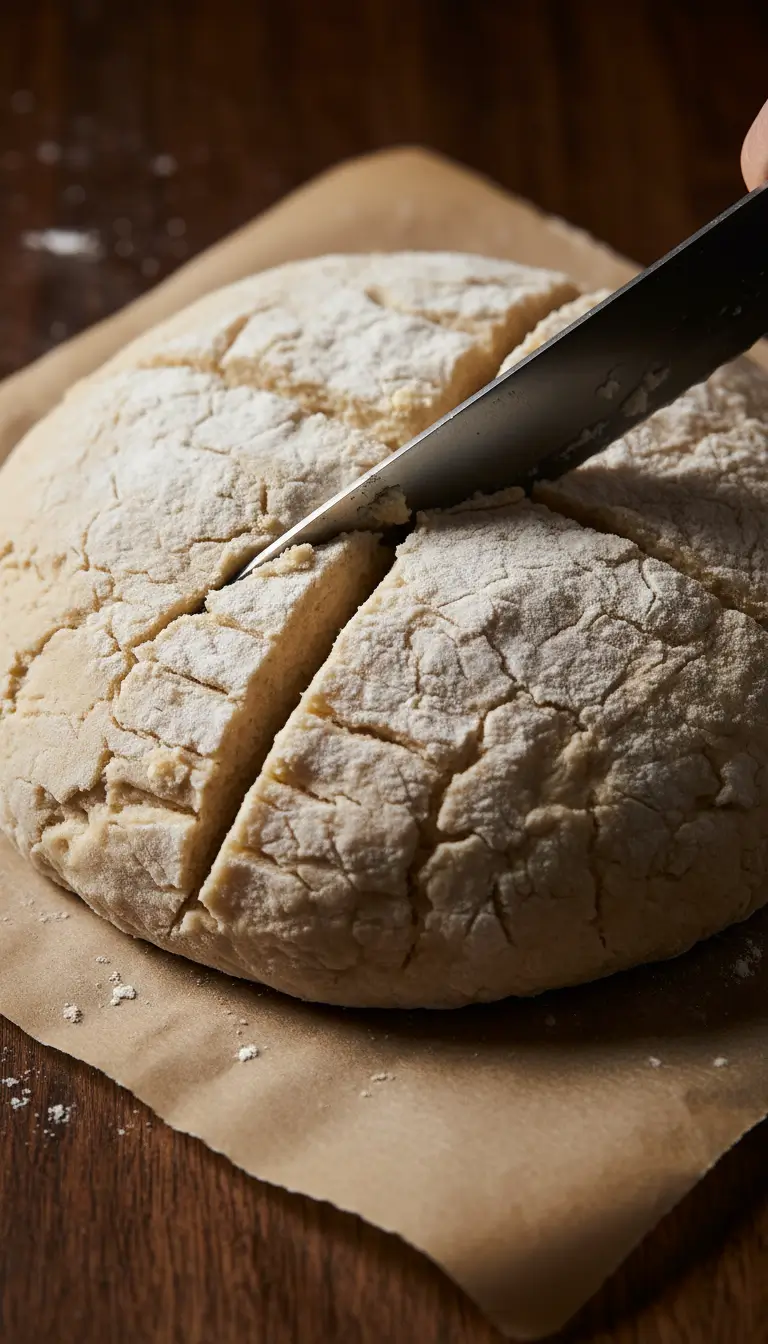
Place the dough ball onto the prepared baking sheet. Pat it gently into a round loaf, about 7 inches across. Using a sharp knife, score a deep “X” across the top, going nearly halfway through the loaf. This helps it bake evenly. Bake for 35-45 minutes.
Step 5: The Doneness Test
The bread is done when it has a deep golden-brown crust and sounds hollow when you tap the bottom. For absolute certainty, an internal thermometer inserted into the center should read 190°F (88°C).
Step 6: Cool Completely
This is the hardest part! Transfer the loaf to a wire rack and let it cool completely before slicing. The inside is still setting as it cools, and cutting it warm can make it gummy.
Chef’s Tips
- Handle with Care: Mix and shape the dough with a light, confident touch. The less you work it, the more tender and light your bread will be.
- Fresh Baking Soda is Key: If your baking soda is old, it won’t react properly. Test it by dropping a pinch into vinegar; it should bubble vigorously.
- Embrace the Stickiness: The dough should be quite wet and sticky. If you add too much extra flour while shaping, the loaf can become dry and dense.
What to Serve with Traditional Irish Soda Bread
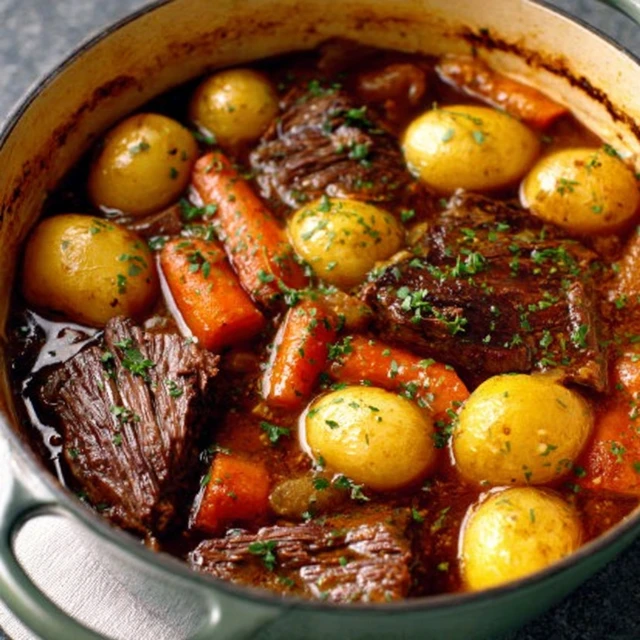
This bread is the ultimate utility player at the table. It’s famously perfect with a hearty bowl of soup or a rich beef stew, ready to soak up every last drop. For a simple, sublime snack, serve thick slices with high-quality salted butter and a dollop of your favorite fruit preserves.
It makes a fantastic base for open-faced sandwiches, especially with smoked salmon and cream cheese. For a full bread basket experience, pair it with other easy, flavorful rolls like Garlic Butter Bread Rolls or Garlic Butter Rolls. And if you love the no-yeast approach, you might just become obsessed with other quick breads like our Cottage Cheese Bagels.
Thanks for stopping by! I hope this dish brings joy to your table.
What is the key chemical reaction that makes Irish soda bread rise without yeast?
The rise comes from the reaction between baking soda (the leavening agent) and the acid in the buttermilk. This creates bubbles instantly, eliminating the need for proofing time.
I don’t have buttermilk. What can I use as a substitute?
You can make a substitute by adding 1 tablespoon of white vinegar or lemon juice to a measuring cup, then filling it with regular milk to the 1 ¾ cup line. Let it sit for 5-10 minutes until slightly curdled before using.
Why is it important not to knead the soda bread dough, and what is the correct way to handle it?
Over-kneading or overworking the dough develops gluten, which makes the bread tough. The correct method is to mix just until a shaggy dough forms, then gently pat and fold it 3-4 times on a floured surface until it comes together into a rough ball. A light, confident touch is key for a tender texture.
How can I tell when the Irish soda bread is fully baked and ready?
The bread is done when it has a deep golden-brown crust and sounds hollow when you tap the bottom. For absolute certainty, an internal thermometer inserted into the center should read 190°F (88°C).

Traditional Irish Soda Bread
Ingredients
Equipment
Method
- Preheat oven to 425°F (220°C). Line a baking sheet with parchment paper.
- In a large bowl, whisk together the flour, baking soda, and salt until well combined and no clumps of baking soda remain.
- Make a well in the center of the dry ingredients. Pour in all of the buttermilk at once.
- Using a sturdy fork or your fingertips, mix from the center outward just until a shaggy, sticky dough forms. Do not overmix.
- Turn the dough out onto a lightly floured surface. With floured hands, gently pat and fold it 3-4 times until it just comes together into a rough ball. Do not knead.
- Place the dough ball on the prepared baking sheet. Gently pat it into a round loaf about 7 inches (18cm) in diameter.
- Using a sharp knife, score a deep ‘X’ across the top of the loaf, going nearly halfway through the dough.
- Bake for 35-45 minutes, or until the crust is deep golden brown and the loaf sounds hollow when tapped on the bottom. An internal thermometer should read 190°F (88°C).
- Transfer the loaf to a wire rack and allow it to cool completely before slicing for the best texture.