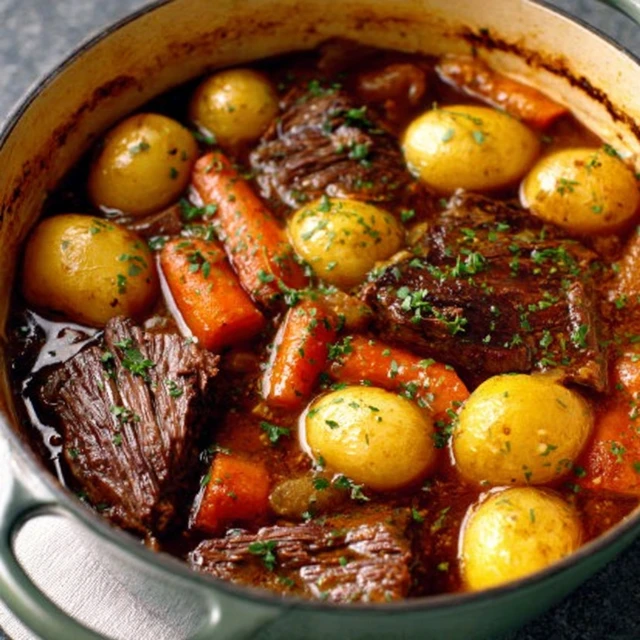
A proper loaf of Irish Brown Bread isn’t a project; it’s a decision. You decide, perhaps on a damp morning, that you need something substantial, honest, and ready in under an hour. This is the bread you make when you want the house to smell like a warm, flour-dusted hug without the fuss of yeast or the wait for a rise.
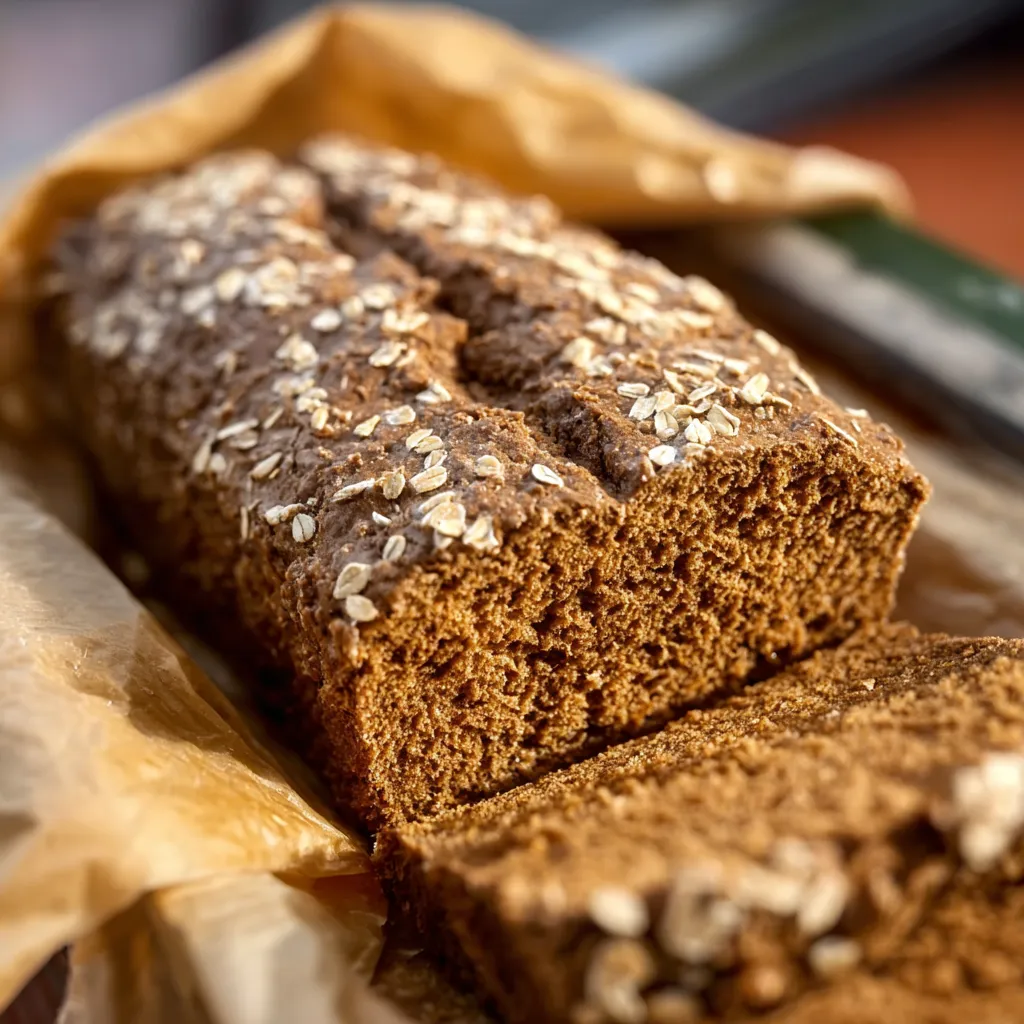
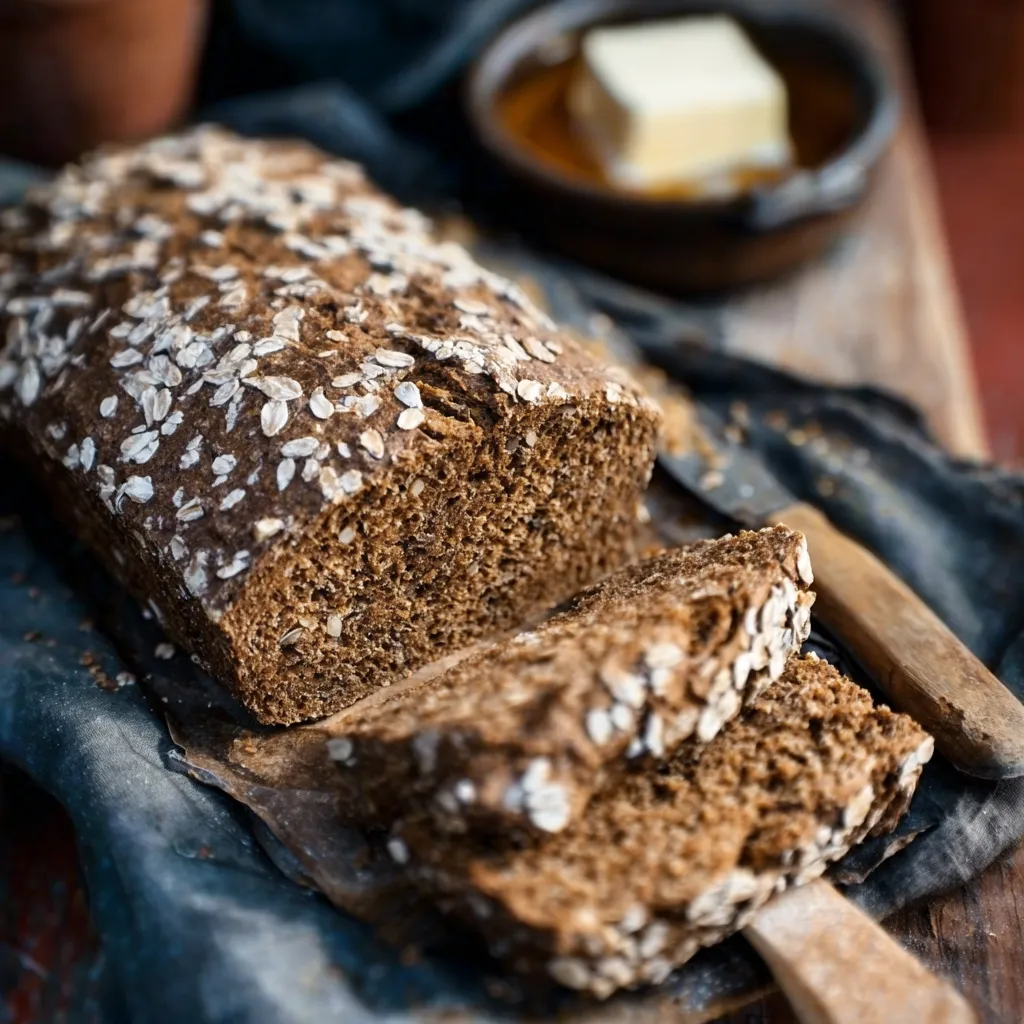
The result is a craggy, domed loaf with a crust that crackles under your thumb and a dense, tender crumb that’s nutty, slightly sweet, and begging for a generous smear of good butter. It’s a bread of substance, one that turns a simple bowl of soup into a meal and elevates a humble breakfast into a feast.
Behind the Flavor
Behind the Flavor
- Bold Wisdom 1: The magic is in the buttermilk’s reaction with the baking soda. This is your leavening, creating little bubbles of air that give the dense wholemeal flour a tender lift. No yeast, no waiting.
- Bold Wisdom 2: Handle the dough with a light, quick touch. Overworking it develops the gluten in the white flour, leading to a tough, bready texture instead of the desired crumbly, cake-like one.
- Bold Wisdom 3: That deep, cross-shaped slash on top isn’t just for looks. It allows the heat to penetrate the center of the dense loaf evenly, ensuring it bakes through perfectly and gives you those four lovely, pull-apart quarters.
Kitchen Staples
This bread is a testament to the power of simple, good-quality ingredients. Each one plays a specific role, so let’s gather them with purpose.
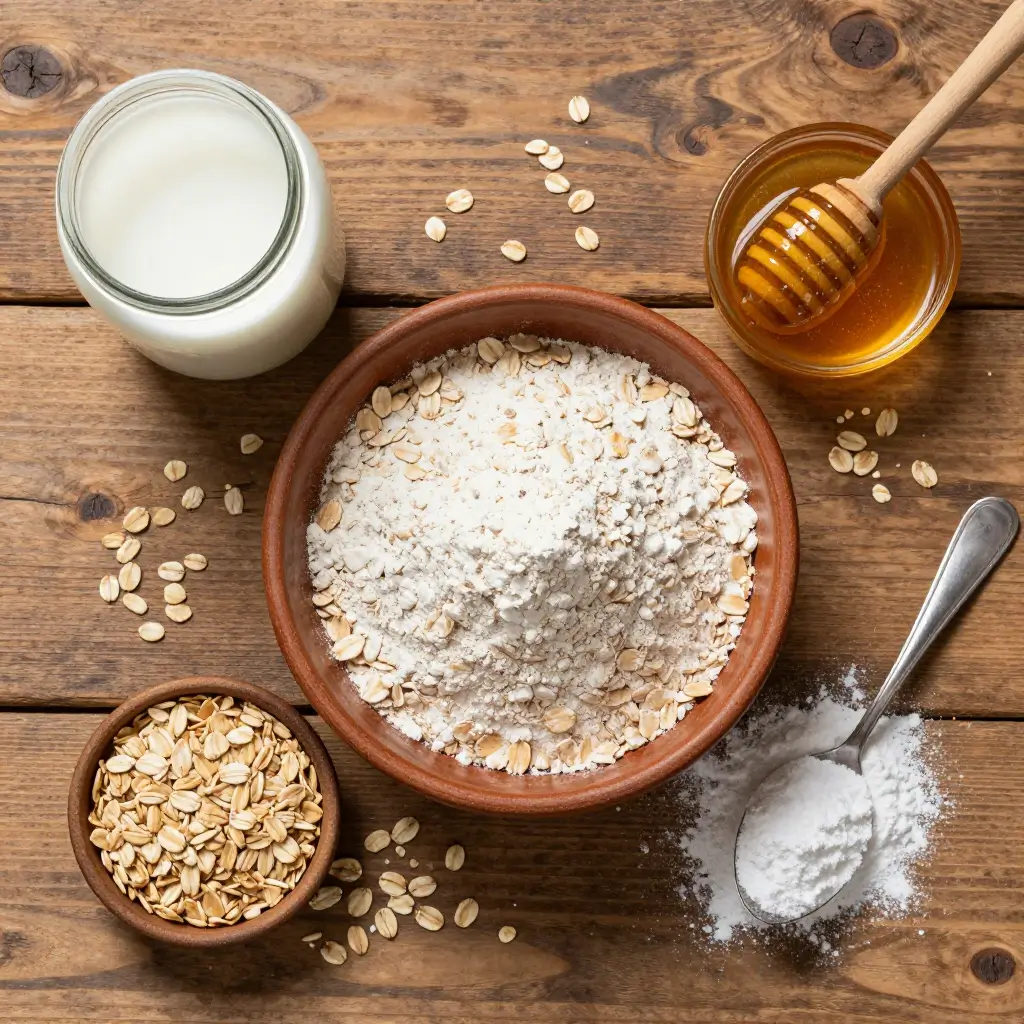
- Wholemeal Flour (300g): (This is the soul of the bread, providing the hearty, nutty flavor and signature coarse texture. Don’t substitute with regular whole wheat; look for a fine, stone-ground wholemeal.)
- All-Purpose Flour (100g): (This gives the loaf just enough structure so it doesn’t crumble apart when sliced. It’s the supporting actor to the wholemeal’s star.)
- Rolled Oats (50g): (They add a wonderful chew and toasty flavor. Plus, they make the top of the loaf look beautifully rustic.)
- Wheat Bran (2 tablespoons): (For an extra fiber boost and a lovely, earthy taste. If you don’t have it, a tablespoon more of oats will do.)
- Baking Soda (1 tsp): (Your leavening agent. It must be fresh to react properly with the acidic buttermilk.)
- Salt (1 tsp): (Crucial for balancing all the nutty, sweet flavors. Don’t skip it.)
- Buttermilk (400ml): (The key liquid. Its acidity activates the baking soda and creates a wonderfully tender crumb. Cold from the fridge is fine.)
- Honey or Brown Sugar (2 tbsp): (A touch of sweetness to complement the earthy flour. Honey gives a more complex note.)
Pantry Substitutions
- No buttermilk? Make your own by stirring 1 tablespoon of lemon juice or white vinegar into 400ml of regular milk. Let it sit for 5 minutes until it curdles slightly.
- Out of honey? An equal amount of dark brown sugar or even maple syrup will work beautifully.
- No wheat bran? Substitute with an extra tablespoon of oats or a tablespoon of ground flaxseed.
- Want it dairy-free? Use a plant-based milk soured with lemon juice as above. The flavor will be slightly different but still delicious.
Ways to Change It Up
Once you’ve mastered the classic, the loaf is a wonderful canvas. Here are a few tried-and-true twists from my kitchen notebook.
Stir a handful of raisins or dried currants into the dry ingredients for a traditional “Spotted Dog” version. For a savory twist, add a half-cup of grated sharp cheddar and a teaspoon of dried mustard powder. You can also toast the oats in a dry pan before adding them for a deeper, nuttier flavor. And for a delightful texture, try replacing 50g of the wholemeal flour with coarse cornmeal.
Step-by-Step Instructions
Now, let’s bake. This process is wonderfully fast, so have everything ready and your oven preheated. There’s no need for a stand mixer; a large bowl and a wooden spoon are your best tools here.
1. Prep Your Oven & Pan
Preheat your oven to 400°F (200°C). Take a baking sheet and either dust it lightly with flour or line it with parchment paper. This prevents sticking and gives the bottom of the loaf a nice finish.
2. Combine the Dry Goods
In your large mixing bowl, whisk together both flours, the oats, wheat bran, baking soda, and salt. Use your fingers to break up any little lumps in the baking soda. This ensures every bite rises evenly.
3. Create a Well & Add the Wet
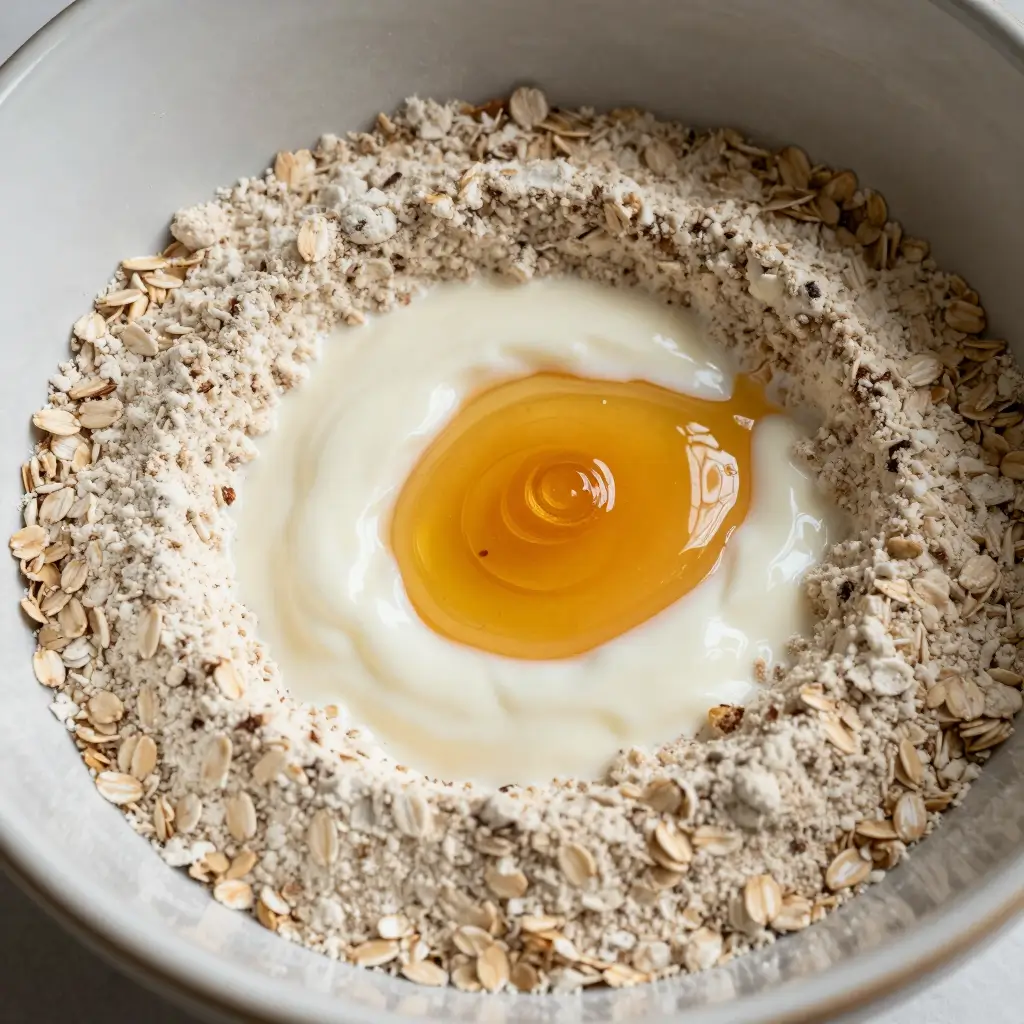
Make a deep well in the center of the flour mixture. Pour in the buttermilk and honey. Now, with your wooden spoon, start stirring from the center, gradually incorporating the dry ingredients into the wet. Stop as soon as you have a shaggy, sticky dough. It will look rough—that’s perfect.
4. Shape with Confidence
Turn the dough out onto a lightly floured surface. With floured hands, gently pat and shape it into a round, about 7 inches across and 2 inches high. Don’t knead it; just coax it into shape. Place it on your prepared baking sheet.
5. Score & Bake
With a sharp, floured knife, cut a deep cross into the top of the loaf, going almost all the way to the bottom. This is the classic look. Bake for 35-40 minutes. It’s done when it sounds hollow when tapped on the bottom and the crust is a deep, golden brown.
6. The Crucial Cool
Transfer the loaf to a wire rack and let it cool for at least 30 minutes. I know it’s hard to wait, but this allows the crumb to set. Slicing it warm is tempting, but it will be crumbly. For perfect slices, let it cool completely.
Baker’s Notes
- Bold Advice: If your dough seems too dry and won’t come together, add a single tablespoon of extra buttermilk. Conversely, if it’s unmanageably sticky, a light dusting of flour on your hands is all you need—don’t work it into the dough.
- Bold Advice: That hollow sound is your best test for doneness. If you’re unsure, you can insert a skewer into the center; it should come out clean.
- Bold Advice: This bread is best eaten the day it’s made, but it toasts superbly on days two and three. Simply wrap any leftovers in a clean tea towel to keep the crust crisp.
- Bold Advice: For a softer crust, you can brush the hot loaf with a little melted butter as soon as it comes out of the oven. It adds a lovely flavor, too.
Complete the Table
This bread is the ultimate companion. For breakfast, slather it with salted butter and a dollop of good marmalade. At lunch, it’s the perfect vessel for thick slices of cheddar or a bowl of steaming soup.
For a real treat, try it alongside a cozy soup, much like you would with my Garlic Butter Rolls. If you’re planning a larger bread basket, its wholesome flavor pairs wonderfully with the soft, aromatic pull of Best Ever Garlic Rolls. And if you enjoy baking with whole grains, you might love the chewy satisfaction of my Whole Wheat Raisin Bagels for another day.
First time making Irish Brown Bread? I hope this guide made it easy. Let me know how it turned out!
What is the key chemical reaction that makes Irish Brown Bread rise without yeast?
The magic is in the reaction between the acidic buttermilk and the baking soda. This creates bubbles of air that leaven the dense wholemeal flour, resulting in a tender lift without the need for yeast or a long wait.
Why is it important not to overwork the dough when making Irish Brown Bread?
Overworking the dough develops the gluten in the all-purpose flour, which would lead to a tough, bready texture. The goal is a light, quick touch to achieve the desired crumbly, cake-like texture instead.
What is the purpose of the deep cross-shaped slash on top of the loaf before baking?
The deep slash isn’t just for looks. It allows heat to penetrate the center of the dense loaf evenly, ensuring it bakes through perfectly and creates four easy, pull-apart quarters.
How can I make a dairy-free version of this Irish Brown Bread?
To make it dairy-free, substitute the buttermilk with a plant-based milk (like soy or almond milk) that you sour by stirring in 1 tablespoon of lemon juice or white vinegar. Let it sit for 5 minutes until it curdles slightly before using.
Classic Irish Brown Bread
Ingredients
Equipment
Method
- Preheat oven to 400°F (200°C). Lightly dust a baking sheet with flour or line it with parchment paper.
- In a large bowl, whisk together the wholemeal flour, all-purpose flour, rolled oats, wheat bran, baking soda, and salt until well combined.
- Make a deep well in the center of the dry ingredients. Pour in the buttermilk and honey.
- Using a wooden spoon, stir from the center outwards, just until a shaggy, sticky dough forms. Do not overmix.
- Turn the dough out onto a lightly floured surface. With floured hands, gently pat and shape it into a round loaf about 7 inches (18cm) in diameter and 2 inches (5cm) high.
- Place the shaped loaf onto the prepared baking sheet. Using a sharp, floured knife, cut a deep cross into the top, almost to the bottom.
- Bake for 35-40 minutes, or until the loaf is deep golden brown and sounds hollow when tapped on the bottom.
- Transfer the loaf to a wire rack and let it cool completely, for at least 30 minutes, before slicing for the best texture.