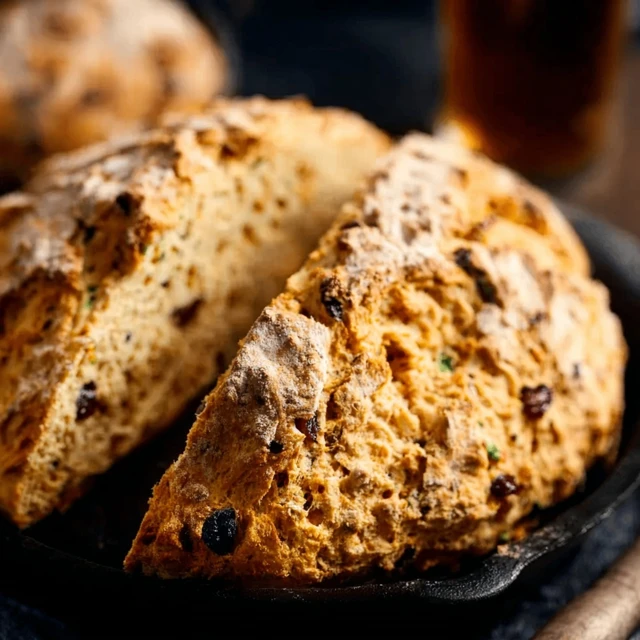
Rustic loaves often demand hours of kneading and patience, but this golden wheel of comfort asks for nothing more than a hot oven and a gentle hand. By swapping traditional dairy for a tangy plant-based buttermilk mixture, we achieve that signature dense-yet-tender crumb that defines the classic, all while keeping it entirely plant-based.
You are about to pull a steaming, crusty masterpiece from your oven in under an hour, filling your kitchen with the scent of toasted oats and sweet raisins. This isn’t just a substitute for the original; it is a standalone triumph of texture that begs for a thick smear of vegan butter and a hot cup of tea.
The Vegan Irish Soda Bread Difference
- The Acid-Base Reaction: We create a potent vegan buttermilk using soy milk and apple cider vinegar, which reacts vigorously with the baking soda for maximum lift.
- Cold Butter Technique: Keeping the vegan butter ice-cold ensures flaky pockets within the dense crumb, mimicking the texture of traditional scones.
- Minimal Handling: The less you touch the dough, the more tender your bread will be, preventing the gluten from developing too much toughness.
The Building Blocks
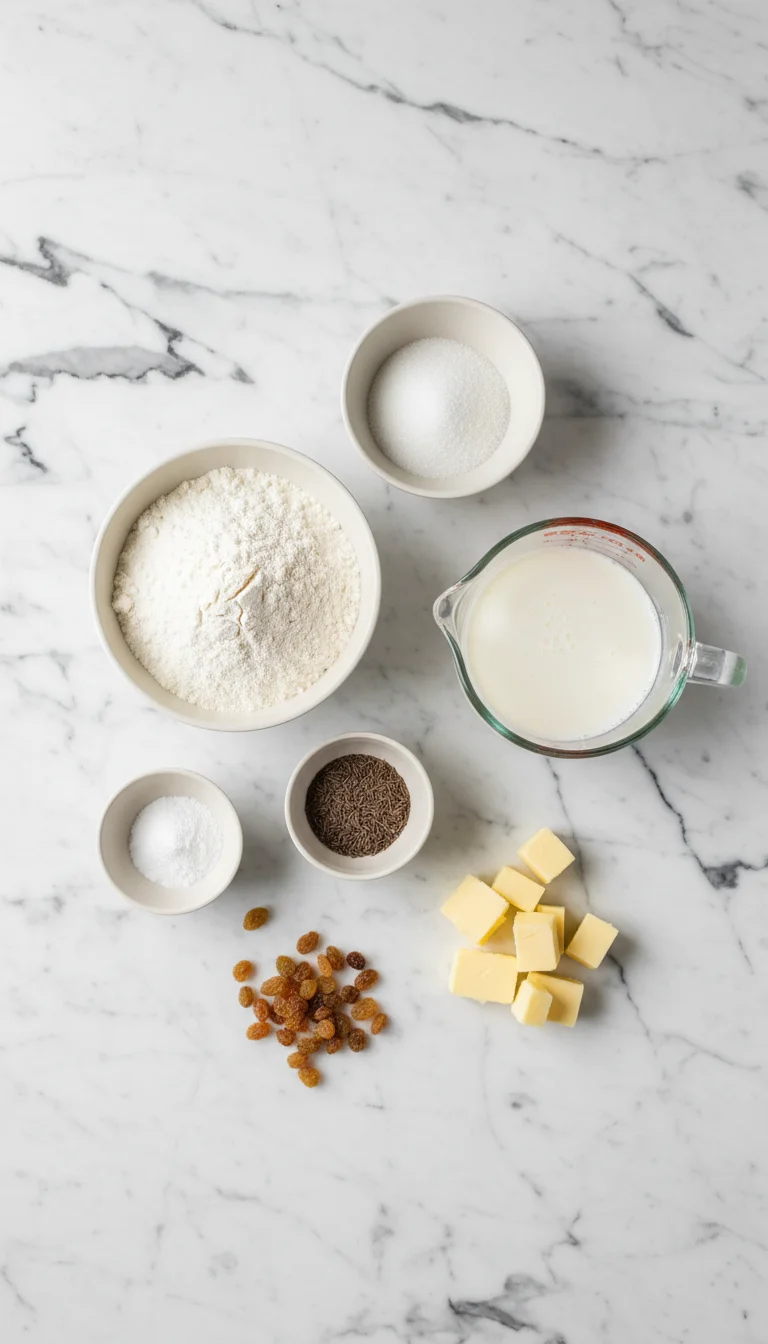
Creating a bakery-quality loaf at home doesn’t require a pantry overhaul, but choosing the right quality of staples makes a massive difference. While a traditional Irish Soda Bread relies heavily on animal-based buttermilk, our plant-based version leans on the chemistry between high-protein plant milk and acid to replicate that tang and tenderness.
Here is everything you need to get started:
- All-Purpose Flour (The foundation): This provides the perfect balance of structure and tenderness. You don’t need high-protein bread flour here; we want a softer crumb.
- Granulated Sugar (For balance): Just a touch helps to brown the crust and offset the saltiness of the soda.
- Baking Soda (The engine): This is the sole leavening agent. It must be fresh to react with the acid and lift the heavy dough.
- Sea Salt (Flavor enhancer): Essential for bringing out the flavor of the grains.
- Vegan Butter, Cold (For texture): Cut into cubes. It creates steam pockets as it melts, contributing to a lighter loaf.
- Soy or Almond Milk (The liquid): High-protein soy milk works best for curdling into “buttermilk.”
- Apple Cider Vinegar (The activator): Curdles the milk and activates the baking soda.
- Raisins or Currants (Optional sweetness): These add the classic “spotted dog” variation flavor profile.
- Caraway Seeds (Optional aromatic): Adds a traditional, earthy anise flavor that pairs beautifully with the sweet fruit.
Swaps & Alternatives
Flexibility is one of the best things about rustic baking. If you find yourself missing an ingredient, don’t panic.
- Flour: You can substitute up to half of the all-purpose flour with whole wheat flour for a nuttier taste, similar to Irish Brown Bread.
- Acid: If you don’t have apple cider vinegar, fresh lemon juice or white vinegar works perfectly to sour the milk.
- Fat: Coconut oil (solidified) can replace vegan butter, though it may impart a slight coconut flavor unless you use refined oil.
- Sweetener: Maple syrup or agave can be used instead of sugar, but add it to the wet ingredients rather than the dry.
Level Up This Recipe
Once you have mastered the basic loaf, you can start experimenting with flavors that transform this humble side dish into a showstopper.
The Zesty Morning Loaf: Add the zest of one large orange into the dry sugar before mixing. The oils from the zest infuse the entire loaf with a bright, citrusy aroma that complements the raisins perfectly.
The Savory Herb Wheel: Skip the sugar and raisins entirely. Instead, add two tablespoons of chopped fresh rosemary, thyme, and a handful of vegan cheddar cheese shreds. This savory version is incredible alongside stew.
The Breakfast Crunch: Brush the top of the dough with a little extra soy milk and sprinkle generously with rolled oats and coarse turbinado sugar before baking. It adds a delightful crunch that contrasts with the soft interior, reminiscent of Irish Scones.
The Complete Method
This process is fast and furious. Because the baking soda starts reacting the moment it hits the liquid, you want to have your oven hot and your pan ready before you mix.
Think of this less like making yeast bread and more like making a giant biscuit. If you have ever made Soda Bread before, you know that speed and a light touch are your best friends.
1. Preheat and Prep
Preheat your oven to 400°F (200°C). This high initial heat is crucial for “oven spring,” giving the bread a blast of heat to rise before the crust sets.Line a baking sheet with parchment paper or lightly grease a cast-iron skillet. The skillet is preferred as it conducts heat evenly and crisps the bottom beautifully.
2. Create the Vegan Buttermilk
In a measuring jug, combine your plant-based milk and apple cider vinegar. Stir it once and let it sit for about 5 to 10 minutes.You will see the milk start to curdle and thicken. This mimics the acidity of traditional buttermilk, which is essential for the chemical reaction with the baking soda.
3. Whisk the Dry Ingredients
In a large, wide mixing bowl, whisk together the flour, sugar, baking soda, and salt.Ensure there are no lumps of baking soda. Biting into a pocket of pure baking soda is unpleasant and soapy, so whisk thoroughly!
4. Cut in the Butter
Add your cold, cubed vegan butter to the flour mixture. Using a pastry cutter or your fingertips, rub the butter into the flour.You are looking for a texture that resembles coarse crumbs, with some pea-sized pieces of butter still visible. These little nuggets of fat are what make the bread flaky.
5. Mix and Unite
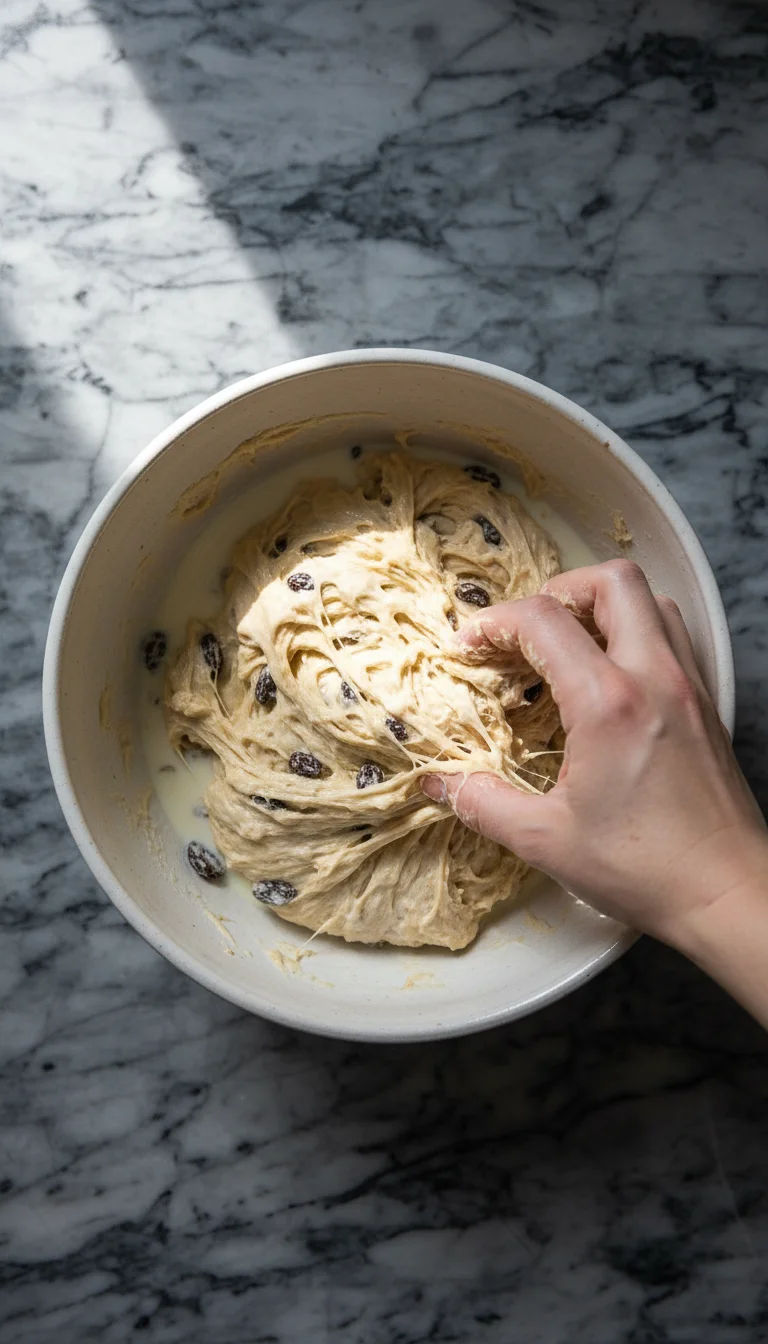
Create a well in the center of the flour. Pour in the curdled milk mixture (and raisins/caraway seeds if using).Using one hand shaped like a claw (or a wooden spoon), gently mix the flour into the liquid in a circular motion. Do not overwork it. Mix just until a shaggy, sticky dough forms.
6. Shape the Loaf
Turn the dough out onto a lightly floured surface. With floured hands, gently pat the dough together. Do not knead it like yeast bread!Shape it into a round disk, approximately 1.5 to 2 inches thick. If the dough is too sticky, dust it with a little more flour, but keep it as moist as you can handle.
7. The Signature Cross
Transfer the round to your prepared skillet or baking sheet. Using a sharp knife, cut a deep cross into the top of the loaf, extending almost to the edges.This isn’t just for decoration; it helps the heat penetrate the center of the dense dough so it cooks evenly. It is a technique used in almost every Irish Soda Bread recipe to ensure the middle isn’t raw.
8. Bake to Golden Perfection
Bake for 45 to 55 minutes. The bread should be a deep golden brown and sound hollow when you tap the bottom.If the top is browning too quickly but the center is still soft, tent a piece of aluminum foil loosely over the top for the last 15 minutes of baking.
Avoid These Pitfalls
- Overmixing the Dough: This is the number one mistake. If you knead this like pizza dough, you will end up with a rock-hard brick. Mix only until combined.
- Expired Baking Soda: Since there is no yeast, the soda does all the heavy lifting. If your box has been open for more than 6 months, buy a fresh one.
- Oven Not Hot Enough: Putting the bread into a lukewarm oven will prevent it from rising properly. Make sure your oven is fully preheated.
Perfect Pairings
This bread is best served warm, ideally within a few hours of baking. The crust is crunchy and the interior is steaming and soft.
For a classic experience, serve thick slices with a generous amount of high-quality salted vegan butter and a dollop of strawberry jam or orange marmalade. The contrast of the salty butter and sweet fruit is divine.
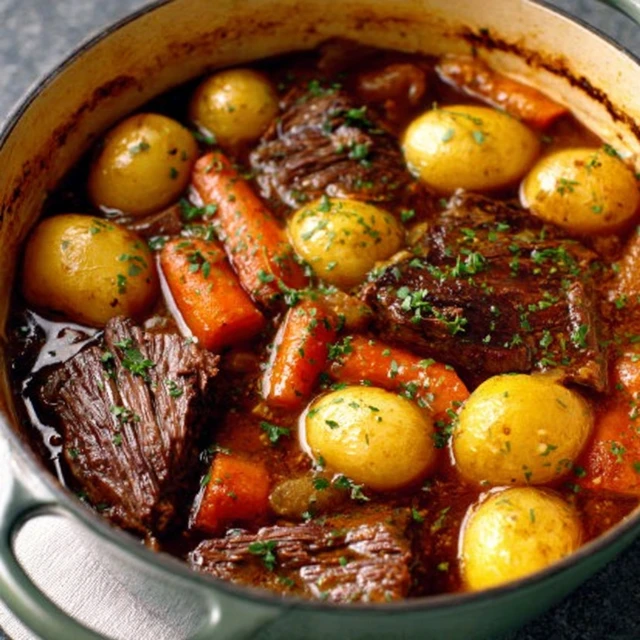
If you made the savory version, it pairs exceptionally well with creamy vegetable soups, potato leek soup, or a hearty vegan stew. It acts as the perfect vessel for soaking up rich broths.
For those who love the flavor but want something more portable for a brunch spread, you might enjoy the concept of Irish Soda Bread Muffins, which take the same flavor profile but bake in half the time.
Love this recipe? Pin it to your favorite board on Pinterest to save it for later!
How can I ensure my vegan soda bread remains tender rather than tough?
To ensure a tender crumb, handle the dough as little as possible. Overmixing or kneading the dough like yeast bread will develop too much gluten, resulting in a rock-hard brick. Additionally, using all-purpose flour instead of high-protein bread flour helps keep the texture soft.
What is the purpose of cutting a cross into the top of the loaf before baking?
Cutting a deep cross into the top of the dough is crucial for allowing heat to penetrate the center of the dense loaf. This technique ensures the bread cooks evenly so the middle does not remain raw.
How do I make a vegan substitute for buttermilk using this recipe?
You can create a vegan buttermilk by combining high-protein plant milk (such as soy or almond milk) with apple cider vinegar. Let the mixture sit for 5 to 10 minutes until it curdles and thickens; this acidity is essential for reacting with the baking soda to create lift.
Can I substitute the vegan butter with another ingredient?
Yes, solidified coconut oil can replace vegan butter. However, be aware that it may impart a slight coconut flavor unless you use refined oil. It is important to use the oil in its solid state to replicate the flaky pockets created by cold butter.
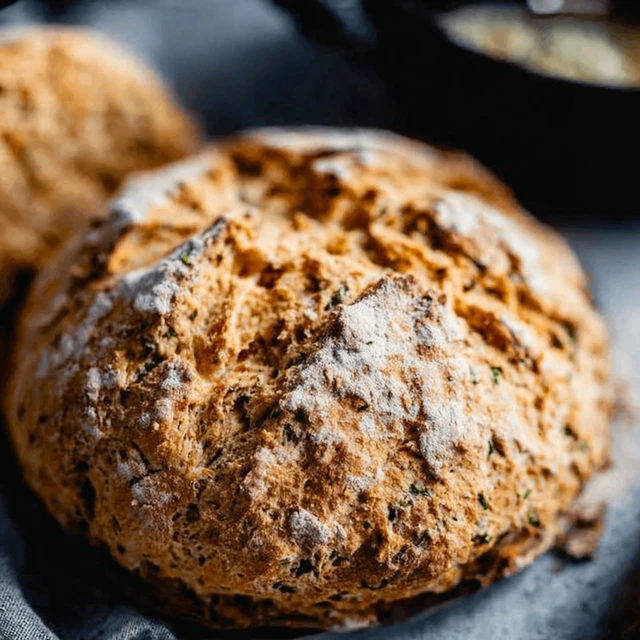
Best Homemade Vegan Irish Soda Bread
Ingredients
Equipment
Method
- Preheat your oven to 400°F (200°C). Line a baking sheet with parchment paper or lightly grease a cast-iron skillet (preferred for a crispier bottom).
- In a measuring jug, combine the soy or almond milk with the apple cider vinegar. Stir once and let sit for 5 to 10 minutes until the mixture curdles and thickens into vegan buttermilk.
- In a large, wide mixing bowl, thoroughly whisk together the flour, sugar, baking soda, and sea salt. Ensure there are no lumps of baking soda.
- Add the cold, cubed vegan butter to the flour mixture. Use a pastry cutter or your fingertips to rub the butter into the flour until the texture resembles coarse crumbs with pea-sized pieces of butter remaining.
- Create a well in the center of the dry ingredients. Pour in the curdled milk mixture (add raisins and caraway seeds now if using).
- Using your hand in a claw shape or a wooden spoon, gently mix in a circular motion just until a shaggy, sticky dough forms. Do not overwork the dough.
- Turn the dough out onto a lightly floured surface. With floured hands, gently pat the dough together into a round disk, approximately 1.5 to 2 inches thick. Do not knead.
- Transfer the round to your prepared skillet or baking sheet. Using a sharp knife, cut a deep cross into the top of the loaf, extending almost to the edges to help the center cook evenly.
- Bake for 45 to 55 minutes. The bread is done when it is deep golden brown and sounds hollow when tapped on the bottom. If the top browns too quickly, tent loosely with aluminum foil for the last 15 minutes.
- Remove from the oven and let cool slightly on a wire rack before slicing. Serve warm.