Certain sauces have a sound all their own, a distinct sizzle that tells you something wonderful is about to happen. For this honey garlic glaze, it’s the gentle hiss that erupts when the sweet, fragrant mixture hits the hot pan, a sound that promises a perfect, sticky caramelization. It’s a kitchen symphony in a single skillet, a melody of garlic, honey, and savory soy sauce that instantly makes a simple piece of salmon feel like a grand occasion.
This is the recipe that turns an ordinary weeknight into a memorable meal, transforming beautiful salmon fillets into something truly spectacular. The result is a fish so tender it flakes with the gentlest nudge of a fork, each bite coated in a rich, glistening glaze that balances sweet and savory in perfect harmony. It’s elegant enough for company, yet simple enough that you’ll find yourself making it time and time again.
Why This Method Works
- Pat the Salmon Dry: A dry surface is a happy surface. Removing excess moisture with a paper towel ensures the salmon sears beautifully instead of steaming, creating a lovely texture for the glaze to cling to.
- Don’t Overcook the Salmon: This is the cardinal rule of cooking fish. We cook it most of the way on one side, then finish it in the sauce. It will continue to cook slightly from the residual heat, ensuring a moist, flaky result.
- Reduce the Glaze Separately: Simmering the glaze for just a minute before returning the salmon to the pan allows it to thicken into a perfect, syrupy consistency without overcooking the delicate fish.
Gather Your Ingredients
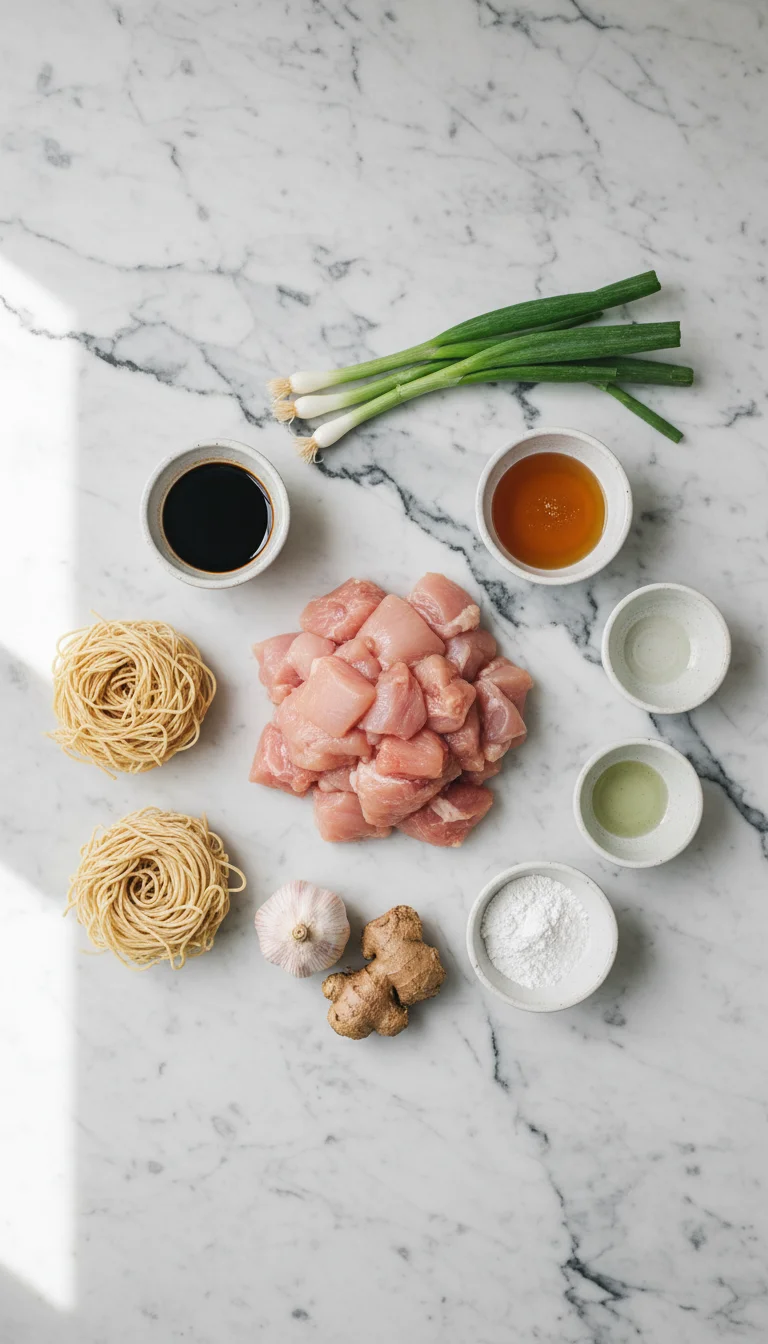
- Salmon Fillets: (About 6 ounces each. I prefer skin-on fillets as the skin protects the delicate flesh from the direct heat and gets wonderfully crisp, but skinless works just as well.)
- Unsalted Butter: (This adds a lovely richness and helps create a smooth, glossy sauce. Using unsalted gives you full control over the final seasoning.)
- Honey: (The heart of our glaze. It provides the signature sweetness and helps the sauce thicken into a sticky, irresistible coating.)
- Low-Sodium Soy Sauce: (This brings the savory, umami depth. Low-sodium is key to preventing the final dish from becoming overly salty, especially as the sauce reduces.)
- Fresh Garlic: (Please, use fresh cloves and mince them yourself. The flavor is worlds apart from the jarred kind and is absolutely essential for that pungent, aromatic kick.)
- Lemon Juice: (A small squeeze of fresh lemon juice at the end cuts through the richness and brightens all the other flavors. It’s the secret finishing touch.)
- Salt and Black Pepper: (To season the salmon before it even hits the pan.)
- Optional Garnishes: Fresh parsley, sliced green onions, or sesame seeds for a bit of color and texture.
Simple Swaps
Don’t fret if your pantry is missing an item or two. This recipe is wonderfully forgiving and easy to adapt.- For Honey: Pure maple syrup is an excellent substitute, offering a slightly different but equally delicious sweet and savory profile.
- For Soy Sauce: Tamari works perfectly for a gluten-free option, or you can use coconut aminos for a soy-free alternative.
- For Lemon Juice: A splash of rice vinegar or even apple cider vinegar can provide that necessary touch of acidity.
- For Salmon: This glaze is fantastic on other proteins. Try it with cod, shrimp, or even thinly sliced chicken breasts. If you enjoy this flavor combination, you’ll adore our Honey Garlic Shrimp.
Tried & True Variations
Once you’ve mastered the classic, feel free to play around. A good recipe is like a good story—it can be told in many different ways.For a spicy kick, add a teaspoon of sriracha or a pinch of red pepper flakes to the glaze. The heat plays wonderfully against the sweetness of the honey.
Add a teaspoon of freshly grated ginger along with the garlic. It introduces a warm, zesty note that complements the other flavors beautifully. If you love the ginger-garlic combination, our Honey Garlic Chicken is another must-try.
For a nuttier, deeper flavor, stir in a half-teaspoon of toasted sesame oil into the glaze right at the end and sprinkle the finished dish with toasted sesame seeds. This simple addition adds a fantastic layer of complexity.
Step-by-Step Instructions
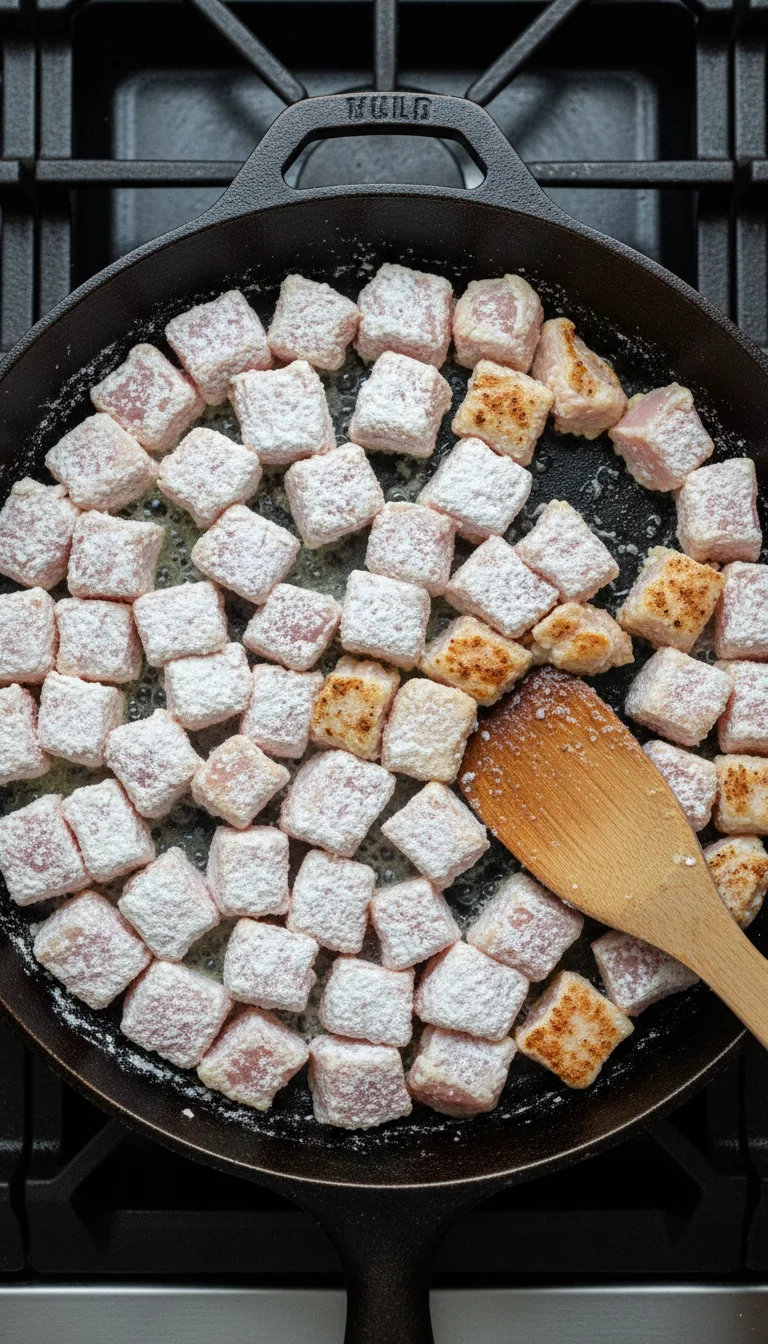
1. Prepare the Salmon
First things first, let’s get our salmon ready. Use a paper towel to pat the fillets completely dry on all sides. This step is crucial for getting a beautiful sear. Season both sides generously with salt and freshly ground black pepper.2. Whisk the Glaze
In a small bowl, whisk together the honey, soy sauce, and minced garlic. Set this mixture aside, right next to your stove. You’ll want it within easy reach once the salmon is in the pan.3. Sear the Salmon
Place a large skillet (cast iron or non-stick works best) over medium-high heat. Add the butter and let it melt until it’s foaming. Carefully place the salmon fillets in the pan, skin-side up. Cook for about 4-6 minutes, undisturbed, until the bottom is golden brown and cooked about halfway through. Flip the salmon carefully.4. Simmer in the Glaze
Cook the salmon for another minute on the second side. Now, pour the honey garlic mixture into the skillet around the fish. Let it bubble and simmer for 1-2 minutes, spooning the sauce continuously over the fillets. The sauce will thicken into a beautiful glaze. Once the salmon is cooked through and flakes easily, squeeze the fresh lemon juice over everything. This method is quite different from our baked Baked Teriyaki Salmon, but both yield incredible results.Notes from My Kitchen
Over the years, I’ve learned a few things that ensure this dish comes out perfectly every single time. Pay attention to these little details, and you’ll avoid the common pitfalls.- Watch the Garlic: Minced garlic can go from fragrant to burnt in a matter of seconds. Keep your heat at a steady medium-high and watch it closely as the sauce simmers. If it starts to smell acrid, your heat is too high.
- Glaze Consistency: If your glaze isn’t thickening as much as you’d like, you can remove the salmon from the pan and let the sauce simmer for another minute on its own. If it gets too thick, a splash of water will thin it out perfectly.
- Don’t Crowd the Pan: Give your salmon fillets plenty of space in the skillet. If they are too close together, they will steam instead of sear. If needed, cook them in two batches. This principle also applies to making Honey Garlic Salmon Bites, where space is key to getting crispy edges.
- Embrace Carryover Cooking: Remember that the salmon will continue to cook for a minute or two after you take it off the heat. It’s always better to pull it just a moment early than to leave it on too long.
Perfect Pairings
This salmon is the star of the show, so the side dishes should be simple and complementary, ready to soak up any extra glaze left on the plate.A bed of fluffy steamed jasmine rice is the classic choice for a reason. It’s the perfect neutral canvas for the rich, flavorful sauce.
For a bit of green, I love serving this with simple steamed or roasted vegetables. Asparagus, broccoli, or green beans tossed with a little olive oil, salt, and pepper are all wonderful options. This is similar to how I serve my Sheet Pan Lemon Garlic Butter Salmon, always with a fresh green vegetable.
A light, crisp salad with a simple vinaigrette can also provide a refreshing contrast to the richness of the glazed salmon, cleansing the palate between bites.
Know someone who loves Honey Garlic Glazed Salmon? Share this recipe with them
How do I prevent my salmon from overcooking while making the glaze?
The key is to cook the salmon most of the way on the first side (about 4-6 minutes), flip it, cook for just another minute, and then add the glaze. The glaze simmers for only 1-2 minutes. This method, combined with the residual heat after removing it from the pan, ensures the salmon remains moist and flaky.
What can I use if I don’t have honey or soy sauce?
This recipe is flexible. You can substitute pure maple syrup for honey. For the soy sauce, tamari is a perfect gluten-free alternative, and coconut aminos can be used for a soy-free option.
My salmon isn’t getting a good sear. What am I doing wrong?
For a beautiful sear, it is crucial to start with a very dry surface. Before seasoning, thoroughly pat the salmon fillets completely dry on all sides with a paper towel. This prevents the fish from steaming and allows it to form a lovely texture for the glaze to cling to.
How can I add a spicy kick or other flavors to this recipe?
To make it spicy, add a teaspoon of sriracha or a pinch of red pepper flakes to the glaze. For a different flavor profile, you can add a teaspoon of freshly grated ginger along with the garlic or stir in a half-teaspoon of toasted sesame oil at the very end for a nuttier taste.
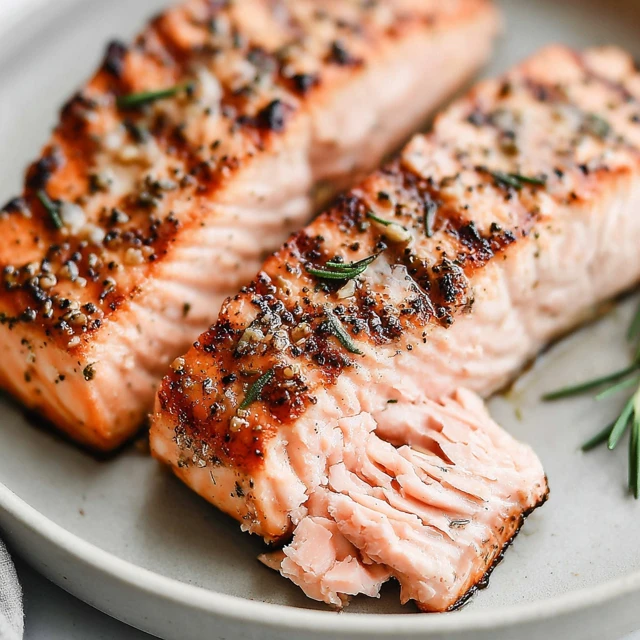
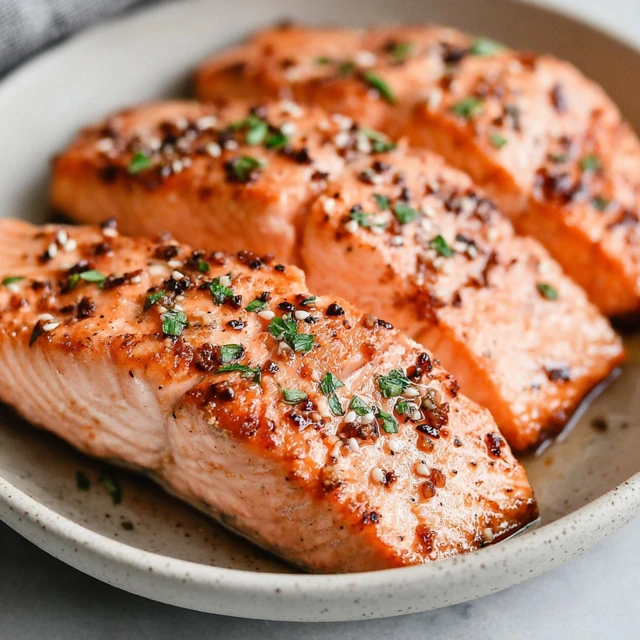
Sizzling Honey Garlic Glazed Salmon
Ingredients
Equipment
Method
- Prepare the Salmon: Use a paper towel to pat the salmon fillets completely dry on all sides. This is crucial for a good sear. Season both sides generously with salt and freshly ground black pepper.
- Whisk the Glaze: In a small bowl, whisk together the honey, low-sodium soy sauce, and minced garlic. Set this mixture aside near the stove.
- Sear the Salmon: Place a large skillet over medium-high heat. Add the butter and let it melt until foaming. Carefully place the salmon fillets in the pan, skin-side up. Cook for 4-6 minutes, undisturbed, until the bottom is golden brown and cooked about halfway through. Flip the salmon carefully.
- Simmer in the Glaze: Cook the salmon for another minute on the second side. Pour the honey garlic mixture into the skillet around the fish. Let it bubble and simmer for 1-2 minutes, continuously spooning the sauce over the fillets. The sauce will thicken into a glaze. Once the salmon is cooked through and flakes easily, squeeze the fresh lemon juice over everything and serve immediately, garnished with fresh parsley or sesame seeds if desired.
Notes
Substitutions: Maple syrup can be used in place of honey. Tamari (for gluten-free) or coconut aminos (for soy-free) can be used instead of soy sauce.
Cooking Tips: Ensure the salmon is very dry for a perfect sear. Do not overcook the fish; it will continue to cook from residual heat. If the glaze is too thin, remove the salmon and reduce the sauce for another minute. If it’s too thick, add a splash of water. Avoid crowding the pan; cook in batches if necessary.