Ingredients
Equipment
Method
- Prepare the Salmon: Use a paper towel to pat the salmon fillets completely dry on all sides. This is crucial for a good sear. Season both sides generously with salt and freshly ground black pepper.
- Whisk the Glaze: In a small bowl, whisk together the honey, low-sodium soy sauce, and minced garlic. Set this mixture aside near the stove.
- Sear the Salmon: Place a large skillet over medium-high heat. Add the butter and let it melt until foaming. Carefully place the salmon fillets in the pan, skin-side up. Cook for 4-6 minutes, undisturbed, until the bottom is golden brown and cooked about halfway through. Flip the salmon carefully.
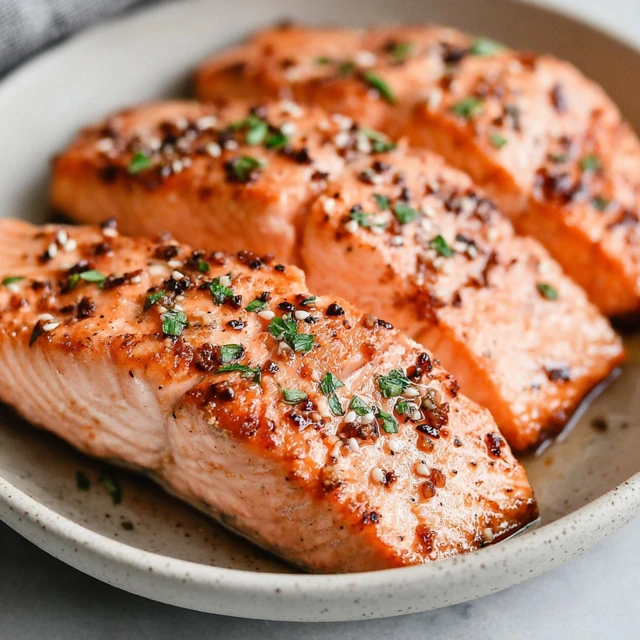
- Simmer in the Glaze: Cook the salmon for another minute on the second side. Pour the honey garlic mixture into the skillet around the fish. Let it bubble and simmer for 1-2 minutes, continuously spooning the sauce over the fillets. The sauce will thicken into a glaze. Once the salmon is cooked through and flakes easily, squeeze the fresh lemon juice over everything and serve immediately, garnished with fresh parsley or sesame seeds if desired.
Notes
Variations: For a spicy kick, add a teaspoon of sriracha or a pinch of red pepper flakes to the glaze. For a zesty note, add 1 teaspoon of freshly grated ginger with the garlic. For a nuttier flavor, stir in a half-teaspoon of toasted sesame oil at the end.
Substitutions: Maple syrup can be used in place of honey. Tamari (for gluten-free) or coconut aminos (for soy-free) can be used instead of soy sauce.
Cooking Tips: Ensure the salmon is very dry for a perfect sear. Do not overcook the fish; it will continue to cook from residual heat. If the glaze is too thin, remove the salmon and reduce the sauce for another minute. If it's too thick, add a splash of water. Avoid crowding the pan; cook in batches if necessary.
Substitutions: Maple syrup can be used in place of honey. Tamari (for gluten-free) or coconut aminos (for soy-free) can be used instead of soy sauce.
Cooking Tips: Ensure the salmon is very dry for a perfect sear. Do not overcook the fish; it will continue to cook from residual heat. If the glaze is too thin, remove the salmon and reduce the sauce for another minute. If it's too thick, add a splash of water. Avoid crowding the pan; cook in batches if necessary.