Sharp cheddar and malty stout have a love affair that dates back generations in pub culture, creating a flavor profile that is both bold and incredibly comforting. This isn’t just a soup; it is a velvety, golden embrace that warms you from the inside out, perfect for brisk evenings or whenever you need a bowl of pure happiness.
You are about to master a version that balances the rich depth of Guinness with the creamy tang of aged cheese, resulting in a texture so smooth it feels like luxury. Get your soup pot ready, because this recipe transforms humble ingredients into a restaurant-quality masterpiece right in your own kitchen.
The Irish Beer Cheese Soup Difference
- The Cheese Choice: Using sharp, aged cheddar cuts through the richness of the cream and the bitterness of the beer for a perfectly balanced bite.
- The Roux Base: A properly cooked roux ensures the soup is thick and velvety without feeling heavy or gloopy.
- Layered Flavors: By sautéing aromatics before adding the liquids, we build a foundation of flavor that simple boiling cannot achieve.
The Essential Components

Creating a pub-style soup at home requires paying attention to the quality of your base ingredients. Since there are so few components, each one plays a vital role in the final flavor profile.
If you are a fan of hearty, savory dishes like Guinness Beef Stew, you likely have many of these items in your pantry already. Here is what you need to get started.
- Unsalted Butter: (Control the salt level) This forms the base of our roux and adds a rich, nutty undertone to the vegetables.
- Aromatics: A mix of diced onion, celery, and carrots (mirepoix) provides a sweet and savory background note.
- Garlic: (Fresh is best) Minced cloves add a necessary punch that complements the sharp cheese.
- All-Purpose Flour: (Thickening agent) This binds with the butter to create the roux, ensuring your soup is creamy rather than watery.
- Irish Stout: (Flavor depth) Guinness is the classic choice here. It adds a deep, roasted malt flavor and a beautiful color.
- Chicken Stock: (Liquid base) Use a high-quality stock to lighten the soup so it isn’t too heavy.
- Heavy Cream: (Texture) This provides the luxurious, silky mouthfeel that defines a great cheese soup.
- Sharp Cheddar Cheese: (The star) You must grate this yourself from a block for the smoothest melt.
- Dijon Mustard: (Flavor enhancer) The acidity helps cut through the fat and brightens the cheese flavor.
- Worcestershire Sauce: (Umami bomb) Just a dash adds a savory depth that makes the soup taste “meaty” and robust.
Swaps & Alternatives
Cooking is all about adaptation, and this recipe is quite forgiving if you need to make a few changes.
- Beer Alternatives: If you find stout too bitter, try a red ale or a lager for a lighter, milder taste. For a non-alcoholic version, simply swap the beer for more chicken stock or a non-alcoholic brew.
- Vegetarian Option: Swap the chicken stock for a robust vegetable broth. It works perfectly and keeps the soup meat-free.
- Cheese Varieties: While cheddar is traditional, you can mix in Gruyère for nuttiness or Pepper Jack if you want a spicy kick similar to Loaded Irish Nachos.
- Cream Substitutes: Half-and-half can be used instead of heavy cream for a slightly lighter soup, though it won’t be quite as rich.
Level Up This Recipe
Once you have the basics down, you can have some fun with the presentation and texture. I love adding texture to creamy soups; it reminds me of the contrast in Creamy Colcannon Potatoes.
Here are a few chef-approved ways to make this dish your own:
- Crispy Bacon Topping: Fry up some bacon until it is shattered-glass crispy. Crumble it on top right before serving for a salty, smoky crunch.
- Pretzel Croutons: Instead of regular bread, tear up soft pretzels, toss them in butter, and toast them. They are the ultimate dipper for beer cheese.
- Spicy Kick: Add a pinch of cayenne pepper or smoked paprika to the roux. It adds a warmth that lingers nicely after the cheese flavor fades.
- Broccoli Addition: If you want to sneak in some greens, you can steam small broccoli florets and stir them in at the end, bridging the gap between this dish and a classic Broccoli Cheddar Soup.
The Complete Method

This soup comes together surprisingly quickly, usually in under 45 minutes. The key is patience during the roux stage and ensuring you don’t overheat the cheese at the end.
Grab your favorite heavy-bottomed pot or Dutch oven, and let’s get cooking.
1. Sauté the Aromatics
Melt your butter in the pot over medium heat. Once it is foaming, toss in your onions, carrots, and celery.
Cook these gently for about 5 to 7 minutes. You want them to soften and become translucent, but not necessarily brown. Add the garlic in the last minute so it becomes fragrant without burning.
2. Build the Roux
Sprinkle the flour over your softened vegetables. Stir constantly for about 2 minutes. This step is crucial!
You need to cook the “raw” taste out of the flour. The mixture will look a bit pasty and clump around the veggies, which is exactly what you want.
3. Deglaze and Simmer
Slowly pour in the beer while whisking constantly. It will bubble up vigorously—this is the fun part! Scrape the bottom of the pot to release any flavorful browned bits.
Next, pour in the chicken stock and heavy cream. Stir well to combine everything. Bring the mixture to a gentle simmer.
4. Thicken the Base
Let the soup simmer (do not boil violently) for about 10 to 15 minutes. You will notice it starting to thicken up nicely.
The vegetables should be completely tender by this point. If you prefer a completely smooth soup, you can use an immersion blender now, but I prefer the rustic texture of the veggie bits.
5. The Cheese Melt
Turn the heat down to low. This is the most important instruction in the entire recipe. If the liquid is boiling when you add the cheese, it will separate and become grainy.
Add the shredded cheese a handful at a time, stirring until each batch is fully melted before adding the next.
6. Season and Serve
Once all the cheese is incorporated and the soup is velvety smooth, stir in the Dijon mustard and Worcestershire sauce.
Taste your creation. Add salt and pepper as needed. Remember, the cheese and stock are salty, so taste before you season!
Avoid These Pitfalls
- The Pre-Shredded Trap: Never use pre-shredded bagged cheese. It is coated in anti-caking agents (cellulose) that prevent it from melting smoothly, resulting in a gritty soup.
- High Heat Hazard: Boiling the soup after adding the cheese will cause the proteins to curdle. Keep it on low heat once the dairy goes in.
- Bitter Beer Face: If you reduce the beer too much on high heat, it can turn bitter. A gentle simmer preserves the malty flavor without the harshness.
Perfect Pairings
This soup is rich and filling, so it pairs best with sides that can stand up to its bold flavor.
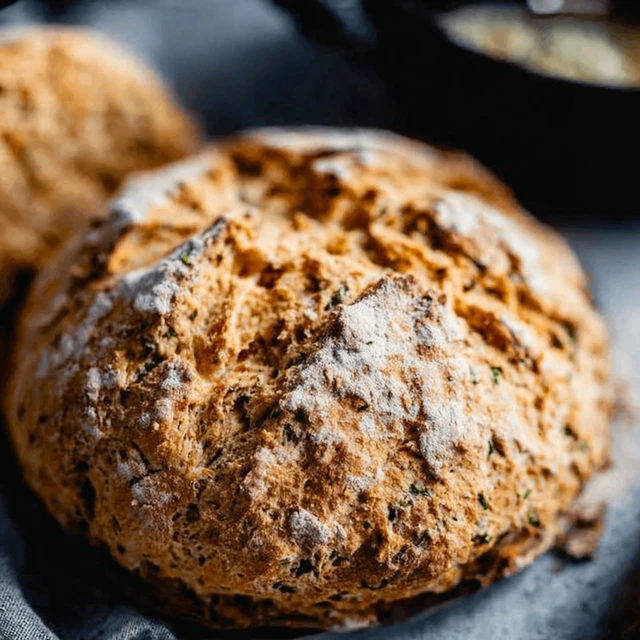
Bread is non-negotiable here. A slice of warm, dense Traditional Irish Soda Bread is the absolute best vehicle for soaking up every last drop of this golden liquid. The slight sweetness of the bread complements the savory cheese perfectly.
If you are hosting a full St. Patrick’s Day feast or a pub-themed dinner party, consider serving this soup as a starter. Follow it up with Guinness Glazed Meatballs for a consistent flavor theme that guests will love.
For a lighter contrast, a crisp green salad with a sharp vinaigrette helps cleanse the palate between creamy spoonfuls.
Love this recipe? Pin it to your favorite board on Pinterest to save it for later!
Why is it recommended to grate the cheese manually rather than using pre-shredded bags?
You should grate the cheese yourself because pre-shredded bagged cheese is coated with anti-caking agents, such as cellulose. These agents prevent the cheese from melting properly, which leads to a gritty texture instead of a smooth, velvety soup.
What can I substitute for the Irish Stout if I prefer a milder flavor or an alcohol-free option?
If you find stout too bitter, you can swap it for a red ale or lager for a lighter taste. For a non-alcoholic version, you can simply replace the beer with additional chicken stock or a non-alcoholic brew.
How can I prevent the soup from curdling or becoming grainy when adding the cheese?
To prevent curdling, you must turn the heat down to low before adding the cheese. If the liquid is boiling when the dairy is added, the proteins will separate; adding the cheese a handful at a time while stirring gently ensures a smooth melt.
What is the purpose of making a roux for this soup recipe?
The roux, created by cooking unsalted butter and all-purpose flour together, serves as the essential thickening agent. It binds with the stock and beer to ensure the soup is thick and creamy rather than watery.


Rich Irish Beer Cheese Soup
Ingredients
Equipment
Method
- Melt the unsalted butter in a heavy-bottomed pot or Dutch oven over medium heat. Once foaming, add the diced onion, carrot, and celery.
- Sauté the vegetables gently for 5 to 7 minutes until softened and translucent. Add the minced garlic during the last minute of cooking until fragrant.
- Sprinkle the all-purpose flour over the vegetables. Stir constantly for about 2 minutes to cook out the raw flour taste; the mixture should look pasty and coat the vegetables.
- Slowly pour in the Irish stout while whisking constantly. Allow it to bubble up vigorously and scrape the bottom of the pot to deglaze any flavorful browned bits.
- Pour in the chicken stock and heavy cream, stirring well to combine. Bring the mixture to a gentle simmer.
- Let the soup simmer (do not boil violently) for 10 to 15 minutes. The liquid will thicken, and the vegetables should become completely tender.
- Reduce the heat to low. This is critical to prevent the dairy from curdling.
- Add the freshly grated sharp cheddar cheese a handful at a time, stirring constantly until each batch is fully melted before adding the next.
- Once the soup is velvety smooth, stir in the Dijon mustard and Worcestershire sauce.
- Taste the soup and season with salt and pepper as needed. Serve hot with Irish soda bread or pretzel croutons.