There’s something incredibly comforting about the humble potato, but if you’ve ever felt stuck in a cycle of mash, roast, or fry, Irish Boxty is the magical, textural revelation you’ve been craving. This traditional griddle cake, with its perfect balance of creamy mashed potato and satisfyingly crisp, grated spud, is a beloved Irish secret for turning a simple sack of potatoes into a meal that’s both rustic and elegant. Mastering this recipe means you’ll never look at a potato the same way again, and I’m here to guide you through every simple, satisfying step to create your own golden, delicious boxty.
What You’ll Need to Make Irish Boxty
Gathering your ingredients is the first step to success. The beauty of boxty lies in its simplicity, but using the right type of potato makes all the difference. I recommend a floury potato, like a Russet or Maris Piper, for the mash, as it gives a light, fluffy base, and a waxy potato, like Yukon Gold, for the grating, as it holds its structure beautifully. Having everything measured and ready turns the process into a joyful, rhythmic kitchen dance.
For the Boxty
- 1 lb (about 450g) floury potatoes (e.g., Russet), peeled and quartered
- 1 lb (about 450g) waxy potatoes (e.g., Yukon Gold), peeled
- 1 cup (120g) all-purpose flour, plus extra for dusting
- 1 tsp baking powder
- 1 tsp salt
- 1/4 tsp freshly ground black pepper
- 1/2 cup (120ml) buttermilk (see note below for easy substitution)
- 2 tbsp unsalted butter, melted
- Butter or oil, for frying (a combination is my secret for the best crust)
For Serving (Traditional & Creative Ideas)
- Extra butter, for melting on top
- Fresh chives or scallions, finely chopped
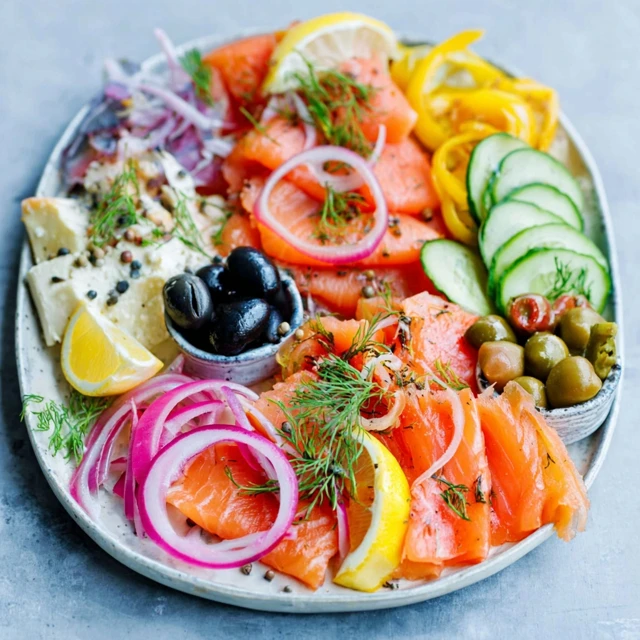
- Smoked salmon and a dollop of crème fraîche
- A hearty Irish breakfast with sausages, bacon, and eggs
- Simple apple sauce or stewed apples
The Heart of the Matter: Understanding Your Spuds

Before we start mixing, let’s talk potatoes, because this is where the boxty magic happens. Using two types isn’t just tradition—it’s culinary science. The boiled, floury potatoes break down into a smooth, sticky paste that acts as the glue for our batter. The raw, grated waxy potatoes release just enough starch to bind everything but maintain little flecks of texture that fry up into delightful, crispy bits. This contrast between the soft, cakey interior and the lacy, golden edges is what defines a perfect boxty. If you can only find one type, a good all-rounder will work, but trust me on this—seeking out the two kinds is a game-changer worth the tiny extra effort.
Crafting Your Perfect Irish Boxty: A Step-by-Step Guide
Now, let’s get our hands into it. This process is tactile and forgiving, so don’t worry about being perfect. We’re going for rustic, homestyle charm here. I’ll walk you through each stage, pointing out the little tricks I’ve learned over the years to ensure your boxty is flawless every single time.
Step 1: Prepare the Potatoes
- Place the peeled, quartered floury potatoes in a pot of cold, salted water. Bring to a boil and cook for 15-20 minutes, or until very tender when pierced with a fork.
- While they boil, grate the waxy potatoes using the large holes of a box grater. This is the moment to embrace the process! Place the grated potato into a clean tea towel or several layers of cheesecloth. Gather the edges and twist over the sink, squeezing with all your might to wring out as much starchy liquid as possible. This step is crucial for a non-soggy boxty. Don’t be shy—really squeeze.
- Drain the boiled potatoes thoroughly and return them to the warm pot for a minute to let any residual moisture evaporate. Mash them until completely smooth and free of lumps. Let them cool for a few minutes so the buttermilk doesn’t curdle when we add it.
Step 2: Make the Batter
- In a large mixing bowl, combine the flour, baking powder, salt, and pepper. Whisk it together to distribute the leavening evenly.
- Make a well in the center of the dry ingredients. Add the cooled mashed potato, the squeezed-dry grated potato, the buttermilk, and the melted butter.
- Using a wooden spoon or your clean hands (my preferred method!), mix everything together until just combined. You’ll have a thick, sticky, putty-like dough. Don’t overmix! A few dry streaks are fine. If the mixture feels too dry and isn’t coming together, add a splash more buttermilk. If it’s unmanageably wet, add a tablespoon of flour.
Step 3: Shape and Fry to Golden Perfection
- Lightly flour a clean surface and your hands. Turn the dough out and gently pat it into a large disc, about 3/4-inch (2cm) thick.
- Using a floured knife or a biscuit cutter, cut the dough into rounds, triangles, or squares—whatever shape makes you happy. Traditional boxty is often a small, palm-sized cake. Re-roll the scraps gently to use all the dough.
- Heat a large cast-iron skillet or non-stick frying pan over medium heat. Add a generous knob of butter and a drizzle of oil (the oil prevents the butter from burning).
- Once the fat is hot and shimmering, add the boxty cakes, leaving space between them. Fry for 4-5 minutes on the first side, until a deep, golden-brown crust forms. Flip carefully and cook for another 4-5 minutes on the other side. They should feel firm in the center when pressed. Transfer to a wire rack set over a baking sheet to keep them crisp while you cook the rest, adding more butter/oil to the pan as needed.
My Best Friend in the Kitchen Tips & Troubleshooting
Even the most trusted recipes can have hiccups, so let’s troubleshoot together. If your batter feels too wet after mixing, don’t panic. Simply add flour a tablespoon at a time until it’s workable. If the outside is browning too fast before the inside is cooked, reduce the heat. These cakes are forgiving! No buttermilk? Make a quick “soured milk” by adding 1 tablespoon of lemon juice or white vinegar to a cup of regular milk and let it sit for 5 minutes. And the most important tip of all: keep them warm in a low oven (200°F/95°C) until you’re ready to serve. This ensures everyone gets a hot, crisp cake at the table.
Serving Your Irish Boxty: From Breakfast to Dinner
Your kitchen is now filled with the incredible, toasty aroma of fried potatoes, and it’s time for the best part. Serve your boxty immediately, slathered with good butter that melts into all the nooks and crannies and sprinkled with fresh chives. For a sublime brunch, top them with smoked salmon and a spoonful of crème fraîche. They are the ultimate sidekick to a full Irish fry-up, soaking up egg yolk and sausage juices beautifully. But don’t stop there—boxty makes a fantastic dinner when served alongside a rich beef stew or a simple, creamy mushroom sauce. They are your blank, delicious, potato canvas.
The Story in Your Skillet: More Than Just a Recipe
When you make boxty, you’re participating in a story that spans generations in Irish kitchens. The name itself comes from the Gaelic “arán bocht tí,” meaning “poor-house bread,” but what was born from necessity has become a cherished staple. It’s a recipe that teaches resourcefulness, celebrating the potato in all its forms. Every time you grate, squeeze, and fry, you’re connecting to that history of making something wonderfully delicious from very little. So share it, enjoy it, and know that you’ve just mastered a piece of edible, heartfelt tradition. Now, go on and enjoy the fruits (or tubers!) of your labor—you’ve earned it.
Why does the recipe call for two different types of potatoes?
Using two types is key for texture. Floury potatoes (like Russets) are boiled and mashed to create a smooth, sticky base that binds the batter. Waxy potatoes (like Yukon Gold) are grated raw; they hold their structure and provide crispy bits when fried, creating the perfect contrast between a soft interior and a lacy, golden crust.
What is the crucial step for preventing soggy boxty?
After grating the waxy potatoes, you must squeeze out as much starchy liquid as possible. Place the grated potato in a clean tea towel or cheesecloth and wring it tightly over the sink. This step is crucial to ensure your boxty cakes fry up crisp and are not soggy.
What can I use if I don’t have buttermilk?
You can make a quick substitute by adding 1 tablespoon of lemon juice or white vinegar to a cup of regular milk. Let it sit for about 5 minutes to sour slightly before using it in the recipe.
How should I serve Irish Boxty?
Boxty is versatile. Serve it immediately with melted butter and fresh chives. For brunch, top with smoked salmon and crème fraîche. It’s also a classic side for a full Irish breakfast or can accompany a hearty beef stew or creamy mushroom sauce for dinner.

Ultimate Irish Boxty
Ingredients
Equipment
Method
- Place the peeled, quartered floury potatoes in a pot of cold, salted water. Bring to a boil and cook for 15-20 minutes, or until very tender.
- While the floury potatoes boil, grate the peeled waxy potatoes using the large holes of a box grater.
- Place the grated potato into a clean tea towel or cheesecloth. Gather the edges and twist over the sink, squeezing firmly to remove as much starchy liquid as possible.
- Drain the boiled potatoes thoroughly, return them to the warm pot for a minute to evaporate moisture, then mash until completely smooth. Let cool slightly.
- In a large mixing bowl, whisk together the flour, baking powder, salt, and pepper.
- Make a well in the center of the dry ingredients. Add the cooled mashed potato, the squeezed-dry grated potato, the buttermilk, and the melted butter.
- Mix everything together with a wooden spoon or clean hands until just combined into a thick, sticky dough. Do not overmix. Adjust with a splash more buttermilk if too dry, or a tablespoon of flour if too wet.
- Lightly flour a clean surface and your hands. Turn the dough out and gently pat it into a large disc, about 3/4-inch (2cm) thick.
- Using a floured knife or biscuit cutter, cut the dough into desired shapes (e.g., rounds, triangles). Re-roll scraps gently.
- Heat a large skillet over medium heat. Add a knob of butter and a drizzle of oil.
- Once the fat is hot and shimmering, add the boxty cakes, leaving space between them. Fry for 4-5 minutes per side, until deep golden-brown and firm in the center.
- Transfer cooked boxty to a wire rack set over a baking sheet to keep crisp. Repeat with remaining cakes, adding more butter/oil as needed. Serve warm.