Why is it that a seemingly simple pot of beef and cabbage soup can so often result in bland broth, tough meat, and soggy vegetables, leaving you wondering where you went wrong? My first few attempts were a disaster, producing a sad, watery stew that bore no resemblance to the deeply satisfying, restorative bowl I knew was possible. It was this culinary puzzle that sent me, a food scientist with a stubborn streak, into the kitchen on a mission to deconstruct and perfect this humble classic.
The Alchemy of Flavor and Texture
To build a truly great soup, we must move beyond mere assembly and understand the foundational reactions at play. The first is the Maillard reaction—that complex browning of proteins and sugars—which is non-negotiable for developing the rich, savory base notes that define “hearty.” Simply boiling beef will never achieve this. The second principle is gelatin extraction. Connective tissue in tougher cuts, like chuck roast, breaks down into gelatin with slow, moist heat, transforming both the meat (from tough to fork-tender) and the broth (from thin to luxuriously silky). Finally, we must manage vegetable integrity. Cabbage and potatoes contain different structural carbohydrates and require strategic timing to avoid turning to mush while still infusing their sweetness into the soup.
The Blueprint: A Scientifically-Sound Recipe

Ultimate Hearty Beef and Cabbage Soup
Yield: 6-8 servings | Active Time: 45 minutes | Total Time: 3 hours (mostly hands-off)
Ingredients
- 2.5 lbs (1.1 kg) beef chuck roast, cut into 1-inch cubes
- Kosher salt and freshly ground black pepper
- 2 tablespoons vegetable or avocado oil
- 1 large yellow onion, diced
- 2 medium carrots, peeled and cut into 1/2-inch rounds
- 2 celery stalks, diced
- 4 cloves garlic, minced
- 2 tablespoons tomato paste
- 8 cups low-sodium beef broth
- 1 tablespoon Worcestershire sauce
- 2 bay leaves
- 1 teaspoon dried thyme
- 1 small head green cabbage (about 2 lbs), cored and cut into 1-inch pieces
- 1 lb Yukon Gold potatoes, peeled and cut into 3/4-inch cubes
- 1/4 cup fresh parsley, chopped (for garnish)
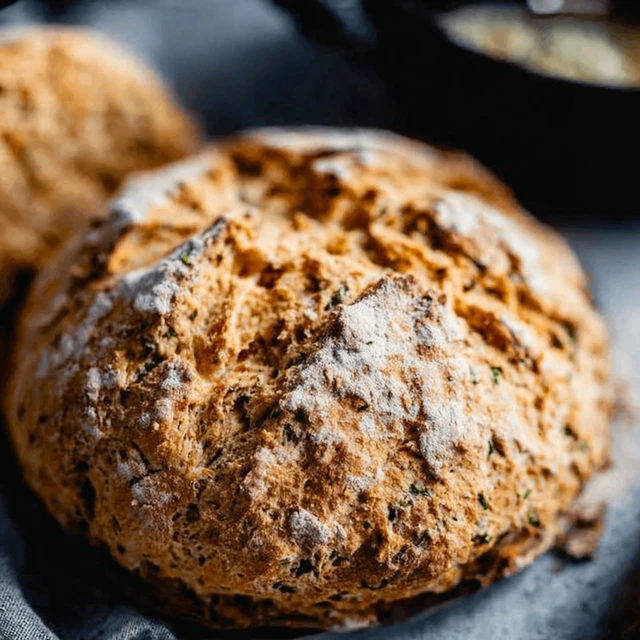
- Crusty bread, for serving
Instructions
- Prepare the Beef: Pat the beef cubes thoroughly dry with paper towels. Season liberally on all sides with salt and pepper. This step is crucial for proper browning.
- Sear for Foundation: In a large, heavy-bottomed Dutch oven or soup pot, heat the oil over medium-high heat until shimmering. Working in batches to avoid crowding, sear the beef on all sides until a deep brown crust forms, about 3-4 minutes per batch. Transfer seared beef to a plate and set aside.
- Build the Aromatic Base: Reduce heat to medium. Add the onion, carrots, and celery to the pot with a pinch of salt. Cook, stirring occasionally, until the vegetables have softened and the onions are translucent, about 8-10 minutes. Add the garlic and tomato paste and cook, stirring constantly, for 1 minute until fragrant and the paste darkens slightly.
- Deglaze and Simmer: Pour in about 1 cup of the beef broth to deglaze the pot, using a wooden spoon to scrape up all the flavorful browned bits (the fond) from the bottom. Return the seared beef and any accumulated juices to the pot. Add the remaining broth, Worcestershire sauce, bay leaves, and thyme. Bring to a boil, then immediately reduce heat to low, cover, and simmer gently for 1.5 hours.
- Incorporate the Hearty Vegetables: After 1.5 hours, the beef should be starting to tenderize. Add the cubed potatoes and chopped cabbage to the pot, submerging them in the broth. Return to a gentle simmer, cover, and cook for an additional 45 minutes to 1 hour, or until the beef is completely tender and the potatoes are cooked through.
- Final Seasoning and Serve: Discard the bay leaves. Taste the soup and adjust seasoning with additional salt and pepper as needed. Ladle into bowls, garnish with fresh parsley, and serve with crusty bread.
My Kitchen Laboratory: Trials, Errors, and Breakthroughs
My journey to this recipe was not a straight line. It was a series of controlled experiments, each failure illuminating a path forward.
The Tragedy of the Gray Stew
Like many of you, I initially thought browning was just a quick step for color. In my first test, I crowded the pot, lowered the heat too much, and steamed the beef. The result was a pot of gray meat swimming in a broth that tasted vaguely of beef water. The soup lacked soul. My ‘Aha!’ moment came when I used an infrared thermometer: to achieve a proper Maillard reaction, the pot’s surface needed to be above 300°F (149°C) when the meat hit it. This required patting the beef bone-dry, using high heat, and searing in small batches. The flavor transformation in the next attempt was staggering.
The Case of the Vanishing Cabbage
In another early version, I added the cabbage at the same time as the carrots and onions. After three hours of simmering, it had completely disintegrated, lending a slightly sweet but overwhelmingly mushy texture to the entire soup. I realized I was treating cabbage like an aromatic, when it’s actually a hearty vegetable. The breakthrough was understanding its cell structure: cabbage contains a lot of water and relatively delicate cellulose. Adding it in the final 45-60 minutes allowed it to soften perfectly while retaining a pleasant texture and fresh flavor.
The Gelatin Gambit
Even with proper browning, my broth still lacked body. Using a premium, store-bought broth didn’t fully solve it. I then experimented with different cuts: lean sirloin turned stringy, while short ribs were rich but fussy. The champion was chuck roast. Its perfect balance of intramuscular fat and collagen, when given the full 2.5+ hours of gentle simmering, rendered the meat succulent and released enough gelatin to give the broth a luxurious, coating mouthfeel without needing any thickeners. The soup finally felt “hearty” on the spoon.
The Foolproof Method: A Culinary Investigator’s Checklist
- Dry and Sear with Purpose: Moisture is the enemy of browning. Pat your beef cubes aggressively dry and sear them in uncrowded batches over genuinely high heat to build a flavorful fond.
- Leverage Low and Slow Hydration: After searing, a gentle, lengthy simmer is non-negotiable. This hydrates the muscle fibers and converts collagen to gelatin, ensuring tender meat and a rich broth.
- Sequence Your Vegetables Strategically: Treat your pot like a timeline. Add aromatic vegetables (onions, carrots, celery) early to flavor the fat and broth. Add sturdy, starchy vegetables (potatoes, cabbage) in the last hour to preserve their integrity.
- Season in Layers: Season the meat before searing, season the aromatics while sautéing, and always do a final seasoning at the end. This builds a complex, deep seasoning profile throughout the dish.
- Embrace the Rest: Like many stews, this soup tastes even better the next day after the flavors have fully married. Consider making it a day ahead for maximum impact.
Why is it so important to pat the beef dry and sear it in batches?
Patting the beef dry removes surface moisture, which is the enemy of browning. Searing in uncrowded batches over high heat ensures the pot stays hot enough (above 300°F/149°C) to trigger the Maillard reaction. This creates a deep brown crust and flavorful fond on the pot’s bottom, which is essential for building a rich, savory soup base, unlike bland, boiled beef.
Why is beef chuck roast the recommended cut for this soup?
Beef chuck roast has the perfect balance of intramuscular fat and collagen. During the long, gentle simmer (2.5+ hours), the collagen breaks down into gelatin. This process transforms the meat from tough to fork-tender and gives the broth a luxurious, silky mouthfeel, making the soup truly hearty without needing any thickeners.
Why shouldn’t I add the cabbage at the beginning with the other vegetables?
Cabbage has a high water content and delicate cellulose structure. Adding it at the start causes it to completely disintegrate after hours of simmering, resulting in a mushy texture and flavor throughout the soup. Adding it in the final 45-60 minutes allows it to soften perfectly while retaining a pleasant texture and fresh flavor.
What are the key scientific principles that make this soup recipe successful?
Three key principles are applied: 1) The Maillard reaction, achieved by proper searing, creates rich, savory base flavors. 2) Gelatin extraction from the collagen in chuck roast during a slow simmer gives the broth body and silkiness. 3) Strategic vegetable timing manages structural integrity, adding hearty vegetables like cabbage and potatoes later to prevent them from turning to mush.

Ultimate Hearty Beef and Cabbage Soup
Ingredients
Equipment
Method
- Pat the beef cubes thoroughly dry with paper towels. Season liberally on all sides with salt and pepper.
- In a large Dutch oven or soup pot, heat the oil over medium-high heat until shimmering. Sear the beef in batches, without crowding, until deeply browned on all sides, about 3-4 minutes per batch. Transfer seared beef to a plate.
- Reduce heat to medium. Add the onion, carrots, and celery to the pot with a pinch of salt. Cook, stirring occasionally, until softened, about 8-10 minutes.
- Add the garlic and tomato paste and cook, stirring constantly, for 1 minute until fragrant.
- Pour in about 1 cup of the beef broth to deglaze the pot, scraping up the browned bits from the bottom.
- Return the seared beef and any juices to the pot. Add the remaining broth, Worcestershire sauce, bay leaves, and thyme. Bring to a boil, then reduce heat to low, cover, and simmer gently for 1.5 hours.
- Add the cubed potatoes and chopped cabbage to the pot, submerging them in the broth. Return to a gentle simmer, cover, and cook for an additional 45 minutes to 1 hour, or until the beef is tender and potatoes are cooked through.
- Discard the bay leaves. Taste and adjust seasoning with additional salt and pepper as needed. Ladle into bowls, garnish with fresh parsley, and serve with crusty bread.