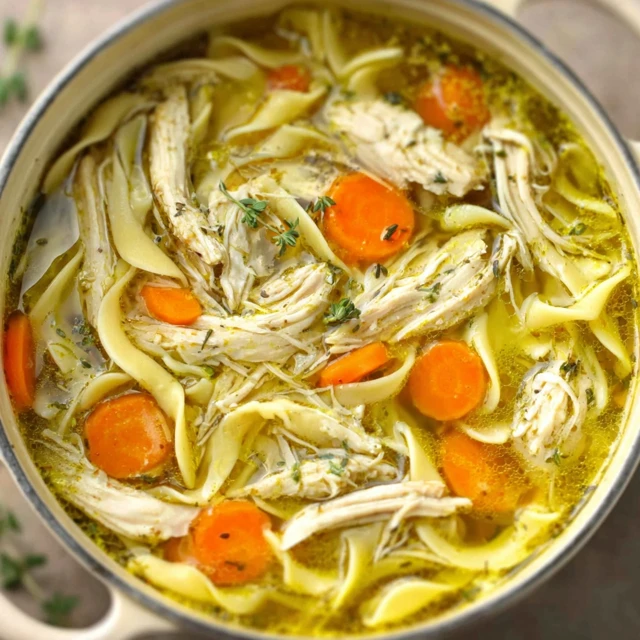
There’s a particular, almost medicinal calm that settles over my kitchen when I’m simmering a pot of Ginger Garlic Chicken Noodle Soup, a ritual born from a frantic search for comfort during a relentless rainy season years ago. This recipe, with its bold, aromatic broth, became my go-to remedy, transforming gloomy days into something nourishing and bright. I’m so excited to share my perfected version with you, because once you taste the deep, savory warmth of this soup, it will undoubtedly become a cherished staple in your own home-cooked repertoire.
Why This Soup is Your New Kitchen Hero
Let’s be honest: the world doesn’t need another bland chicken soup. What it needs is a bowl that wakes up your senses while still hugging your soul. That’s the magic of doubling down on ginger and garlic. They don’t just whisper in the background; they lead the symphony, creating a broth that’s robust, slightly spicy, and incredibly fragrant. Beyond the incredible flavor, this is a one-pot wonder designed for real life. It’s flexible enough to use up leftover roast chicken or a store-bought rotisserie bird, and it comes together largely with pantry staples. Whether you’re fighting off a chill, needing a quick weeknight dinner, or simply craving something profoundly good for you, this soup answers the call.
Gathering Your Flavor Arsenal: Ingredients Deep Dive

Great soup starts with great ingredients. Here’s what you’ll need and why each one matters.
The Broth Foundation
Chicken: You have options! For the deepest flavor, use 1.5 pounds of bone-in, skin-on chicken thighs. The bones and skin will enrich the broth immensely. For speed, use 3 cups of shredded cooked chicken (from a rotisserie or leftover from a Marry My Chicken Soup).
Aromatics (The Stars): Fresh ginger and fresh garlic are non-negotiable. We’re using a lot—a 3-inch knob of ginger, grated, and 6-8 cloves of garlic, minced. This is the heart of the recipe.
Alliums: One large yellow onion, two carrots, and two celery stalks form the classic, sweet base.
Liquid: A combination of 8 cups of low-sodium chicken broth and 2 cups of water gives us control over the salt level. You can use all broth for a richer result.
The Supporting Cast
Noodles: I prefer wide egg noodles for their comforting chew, but any noodle you love works. Remember, we cook them separately to keep the soup from becoming starchy and the noodles from turning to mush.
Seasoning: Soy sauce (or tamari) for umami depth, a touch of rice vinegar for brightness, and a drizzle of toasted sesame oil at the very end for a nutty fragrance. Don’t forget the fresh garnish: green onions and cilantro.
The Journey to the Perfect Bowl: Step-by-Step Instructions
This process is as therapeutic as eating the soup. We’ll build flavors in layers.
Step 1: Building the Aromatic Base
In your largest soup pot or Dutch oven, heat a couple of tablespoons of neutral oil (like avocado or grapeseed) over medium heat. Add the diced onion, carrots, and celery with a pinch of salt. Sauté for 8-10 minutes until they’ve softened and the onions are translucent. This step, called sweating, is crucial—it coaxes out the vegetables’ natural sugars, which form the foundation of a sweet, complex broth.
Step 2: Unleashing the Ginger and Garlic
Now, push the veggies to the side of the pot. Add a tiny bit more oil to the cleared space and toss in your minced garlic and grated ginger. Let them sizzle for just 30-60 seconds until incredibly fragrant. This is the most important tip: don’t let the garlic brown! Burnt garlic turns bitter. The quick bloom in oil unlocks their potent oils and ensures their flavor permeates the entire soup.
Step 3: Simmering the Broth to Perfection
If using raw chicken thighs, nestle them into the pot now. Pour in the broth and water. Bring to a boil, then immediately reduce to a gentle, bubbling simmer. If using raw chicken, let it simmer for 25-30 minutes until cooked through. If using pre-cooked chicken, you’ll add it later. Skim off any foam that rises to the top in the first few minutes for a clearer broth. This is where the magic happens, as the ginger, garlic, and chicken meld together.
Step 4: Shredding, Seasoning, and Noodling
Once the chicken is cooked, remove it with tongs. Let it cool slightly, then shred the meat, discarding skin and bones. Return the shredded meat (or add your pre-cooked chicken) to the pot. Now, season with soy sauce and rice vinegar. Taste! This is your moment. Add more salt, pepper, or a splash more soy sauce until it sings to you. While you’re finalizing the broth, cook your egg noodles in a separate pot of salted boiling water according to package directions, but undercook them by 1 minute. They’ll finish cooking in the hot soup. Drain and rinse briefly to stop the cooking. This separate cooking method is a game-changer for soup texture, much like the technique in my Creamy Chicken Noodle Soup.
Step 5: The Final, Fragrant Touch
Remove the soup from the heat. Stir in the toasted sesame oil—this oil’s flavor diminishes with high heat, so adding it off the burner preserves its beautiful aroma. To serve, place a nest of noodles in the bottom of each bowl and ladle the hot soup over top. Garnish generously with sliced green onions and fresh cilantro.
Your Soup, Your Rules: Customizations & Pro Tips
This recipe is a template for your creativity. Here’s how to make it your own.
Ingredient Swaps & Add-Ins
Vegetable Boost: Add sliced mushrooms when you sauté the onions for an earthy note. A handful of spinach or kale stirred in at the end adds color and nutrients.
Protein Swap: Try it with turkey or even firm tofu for a vegetarian version (use veggie broth).
Noodle Alternatives: Rice noodles, udon, or even cooked rice are fantastic. For a low-carb option, spiralized zucchini or shirataki noodles work well.
Spice It Up: Add a teaspoon of chili-garlic paste or a few slices of fresh Thai chili with the ginger for a spicy kick.
Expert Advice for the Best Results
Broth Clarity is Key: That initial skimming and the separate noodle cooking are the secrets to a beautiful, restaurant-quality broth, not a cloudy, starchy one.
Grating Ginger: Use a microplane for the ginger. It creates a fine pulp that melts into the broth, distributing flavor evenly without any stringy bits.
Make it Ahead: This soup tastes even better the next day! Prepare the entire soup, but store the noodles separately. Reheat the broth and add the noodles when serving. It will keep for 4 days in the fridge.
Freezing Instructions: Freeze the broth (without noodles) in airtight containers for up to 3 months. Thaw overnight and cook fresh noodles when ready to serve.
More Cozy Soups to Explore
If this Ginger Garlic Chicken Noodle Soup has awakened your soup-making spirit, you absolutely must explore some of my other favorite hug-in-a-bowl recipes. For a rich, creamy, and herbaceous twist, you’ll adore my Tuscan Chicken Soup or its even more indulgent cousin, the Ultimate Tuscan Chicken Soup. When you’re craving something bright and zesty, the classic Greek Lemon Chicken Soup (Avgolemono) is pure sunshine. And for another quick, one-pot favorite that’s always a crowd-pleaser, my Lemon Chicken Orzo Soup is a weeknight lifesaver.
Wrapping It All Up
So there you have it—my complete guide to making a Ginger Garlic Chicken Noodle Soup that’s bursting with more flavor and vitality than you ever thought possible. It’s more than just a recipe; it’s a simple, reliable process for creating genuine comfort. I hope this soup finds its way to your table on a busy Tuesday, a quiet Sunday, or any day you need a reminder that taking care of yourself can be deliciously simple. Now, go grab that pot and get simmering. I can’t wait for you to taste it.
Why is it important to cook the noodles separately from the soup?
Cooking the noodles separately prevents the soup broth from becoming cloudy and starchy, and stops the noodles from turning to mush. It ensures a restaurant-quality texture, similar to the technique used in the author’s Creamy Chicken Noodle Soup.
What are the two main options for the chicken in this recipe, and how do they affect preparation?
You can use 1.5 pounds of raw, bone-in, skin-on chicken thighs for the deepest flavor, simmering them in the broth for 25-30 minutes. For speed, use 3 cups of pre-cooked shredded chicken (like from a rotisserie), which you add to the pot later during the seasoning step.
What is the key tip for cooking the ginger and garlic to maximize flavor without ruining the broth?
The most important tip is to sauté the minced garlic and grated ginger in oil for only 30-60 seconds until fragrant, but do not let the garlic brown. Burnt garlic turns bitter. This quick process unlocks their potent oils and ensures their flavor permeates the entire soup.
How can I make a vegetarian version of this Ginger Garlic Chicken Noodle Soup?
To make a vegetarian version, swap the chicken for a protein like firm tofu and use vegetable broth instead of chicken broth. You can also add vegetable boosters like mushrooms, spinach, or kale.

Ultimate Ginger Garlic Chicken Noodle Soup
Ingredients
Equipment
Method
- Heat oil in a large soup pot or Dutch oven over medium heat. Add the diced onion, carrots, and celery with a pinch of salt. Sauté for 8-10 minutes until softened and onions are translucent.
- Push the vegetables to the side of the pot. Add a little more oil to the cleared space, then add the minced garlic and grated ginger. Sauté for 30-60 seconds until fragrant, being careful not to let the garlic brown.
- If using raw chicken thighs, nestle them into the pot. Pour in the chicken broth and water. Bring to a boil, then immediately reduce to a gentle simmer. If using raw chicken, simmer for 25-30 minutes until cooked through. Skim off any foam that rises in the first few minutes.
- Remove the cooked chicken with tongs. Let cool slightly, then shred the meat, discarding the skin and bones. Return the shredded meat to the pot (or add pre-cooked shredded chicken at this stage).
- Stir in the soy sauce and rice vinegar. Taste the broth and season with additional salt and pepper as needed.
- While the soup simmers, cook the egg noodles in a separate pot of salted boiling water according to package directions, but undercook them by 1 minute. Drain and rinse briefly with cool water to stop the cooking.
- Remove the soup pot from the heat. Stir in the toasted sesame oil.
- To serve, place a portion of cooked noodles into each bowl. Ladle the hot soup over the noodles. Garnish generously with sliced green onions and fresh cilantro.