A great biryani isn’t a meal you eat; it’s a place you visit. It’s a fragrant, layered world where every grain of rice is a story, and every bite is a journey from the earthy warmth of spices to the tender, savory embrace of marinated chicken. This recipe is your map to that destination, built not on intimidation but on a clear, joyful process that rewards patience with pure, aromatic bliss.
The result is a pot of pure magic—fluffy, separate grains of basmati cradling impossibly tender chicken, all perfumed with saffron, caramelized onions, and a spice blend that sings without shouting. It’s a celebratory dish that feels like a triumph, yet is built on simple, foundational steps. Let’s build it together.
Why This Recipe Works
- Bold Reason 1 (Texture/Flavor): The dual-cooking method for onions creates a complex sweetness and crunch, providing essential texture and depth that defines a great biryani.
- Bold Reason 2 (Technique): Par-boiling the rice with whole spices ensures perfectly separate, long grains that finish cooking gently in the steam, preventing a mushy result.
- Bold Reason 3 (Result): A proper, unhurried layering technique (Dum) allows the flavors to marry and intensify, creating distinct layers of taste and aroma in every spoonful.
What Goes Into This Dish
The soul of this biryani lies in the quality and balance of its components. Don’t be daunted by the list; each ingredient plays a specific, harmonious role. Using whole spices you toast and grind yourself makes a world of difference, but good-quality pre-ground spices will work in a pinch.
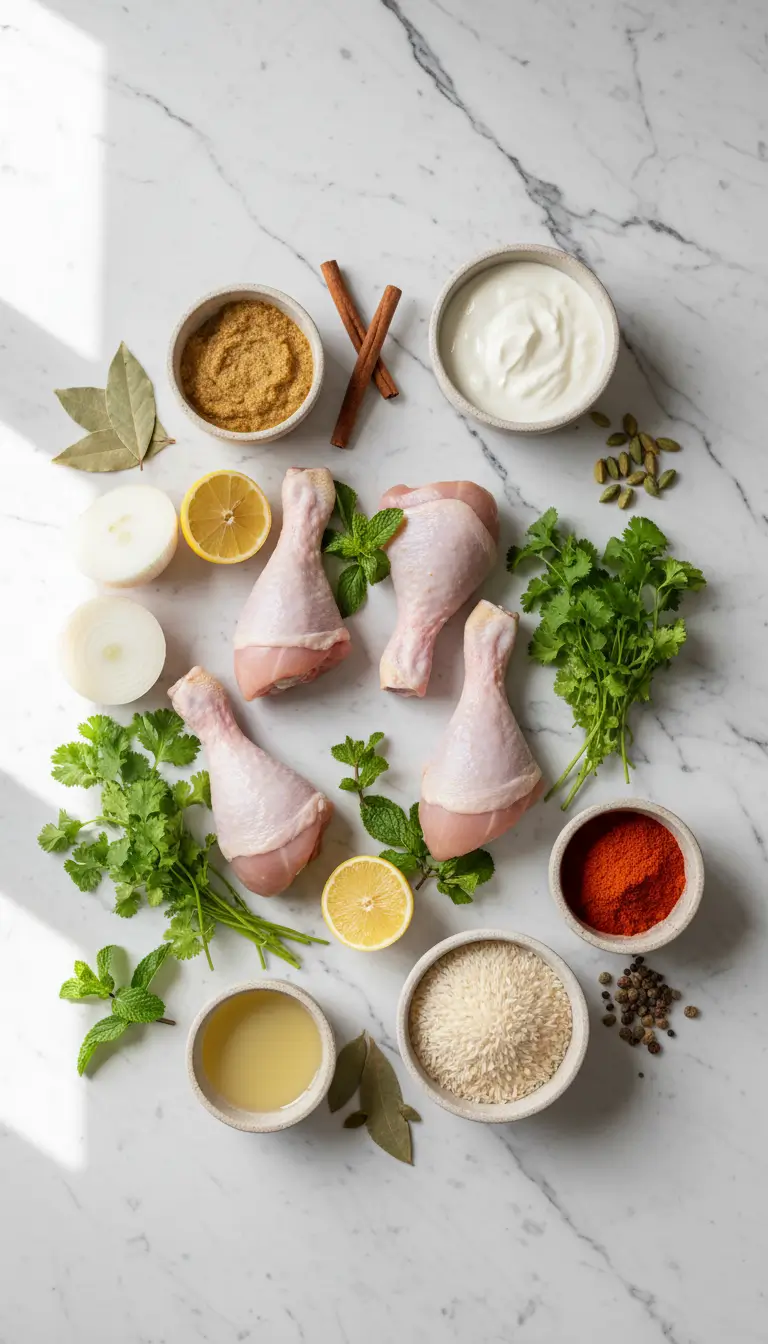
For the Chicken Marinade:
- 1.5 lbs (700g) bone-in, skinless chicken thighs and legs (For maximum flavor and juiciness that won’t dry out.)
- 1 cup full-fat plain yogurt (The tenderizing agent and marinade base.)
- 2 tablespoons ginger-garlic paste (The non-negotiable aromatic foundation.)
- 1 teaspoon turmeric powder
- 1 tablespoon Kashmiri red chili powder (For vibrant color and mild heat.)
- 2 tablespoons biryani masala powder (The heart of the flavor; use a trusted brand or homemade.)
- 1 teaspoon salt
- Juice of 1 lemon
- Handful of fresh mint and cilantro, finely chopped
For the Rice:
- 2 cups premium basmati rice (For its long grains and delicate fragrance.)
- 4-5 quarts water for boiling
- 2 bay leaves, 4 green cardamom pods, 4 cloves, 1-inch cinnamon stick
- 1 tablespoon salt
For the Biryani Assembly:
- 4 large onions, thinly sliced
- 1 cup neutral oil or ghee (Ghee is traditional and adds incredible flavor.)
- 1 large pinch of saffron threads, soaked in ¼ cup warm milk (For the iconic golden color and aroma.)
- More mint and cilantro for layering
- Fried onions (store-bought or reserved from cooking), for garnish
Swaps & Alternatives
- No bone-in chicken? Boneless thighs are the best substitute. Avoid breast meat, as it can become dry.
- Dairy-free? Use a thick coconut milk yogurt alternative for the marinade.
- No Kashmiri chili? Mix ¾ tablespoon sweet paprika with ¼ tablespoon cayenne for similar color and heat.
- Short on whole spices? Add 1 tablespoon of store-bought biryani masala to the boiling water for the rice.
- No saffron? A teaspoon of turmeric mixed with the milk will give color, but not the distinct flavor.
Chef’s Twists
Once you master the classic, these twists can elevate your biryani to new heights. They’re fun ways to make the recipe uniquely yours.
Try adding a layer of sautéed vegetables like carrots, peas, and potatoes between the rice and chicken for a more substantial meal. For a stunning presentation and flavor boost, sprinkle edible rose petals and slivered almonds over the top before the final steam.
Infuse your ghee at the start by gently frying the whole spices (cardamom, cloves, cinnamon) in it before cooking the onions. This creates a profoundly aromatic cooking fat. For a richer, creamier note, mix a few tablespoons of fried onion paste into the chicken marinade.
Step-by-Step Instructions
This process is a labor of love, but it’s broken down into manageable stages: marinate, prep, layer, and steam. Read through once before you start, and you’ll see the beautiful logic unfold. The total hands-on time is about an hour, with another hour for marinating and steaming.
1. Marinate the Chicken
In a large bowl, combine the yogurt, ginger-garlic paste, turmeric, chili powder, biryani masala, salt, lemon juice, and fresh herbs. Add the chicken pieces and mix thoroughly, ensuring every piece is coated.
Cover the bowl and let it marinate in the refrigerator for at least 1 hour, but ideally 4-6 hours or overnight. This step is crucial for tender, flavorful chicken.
2. Prep the Onions & Rice
Thinly slice the onions. Heat the oil or ghee in a large, heavy-bottomed pan over medium heat. Fry the onions in batches until they are deeply golden brown and crisp. Remove with a slotted spoon and drain on paper towels. This will take 15-20 minutes; don’t rush it.
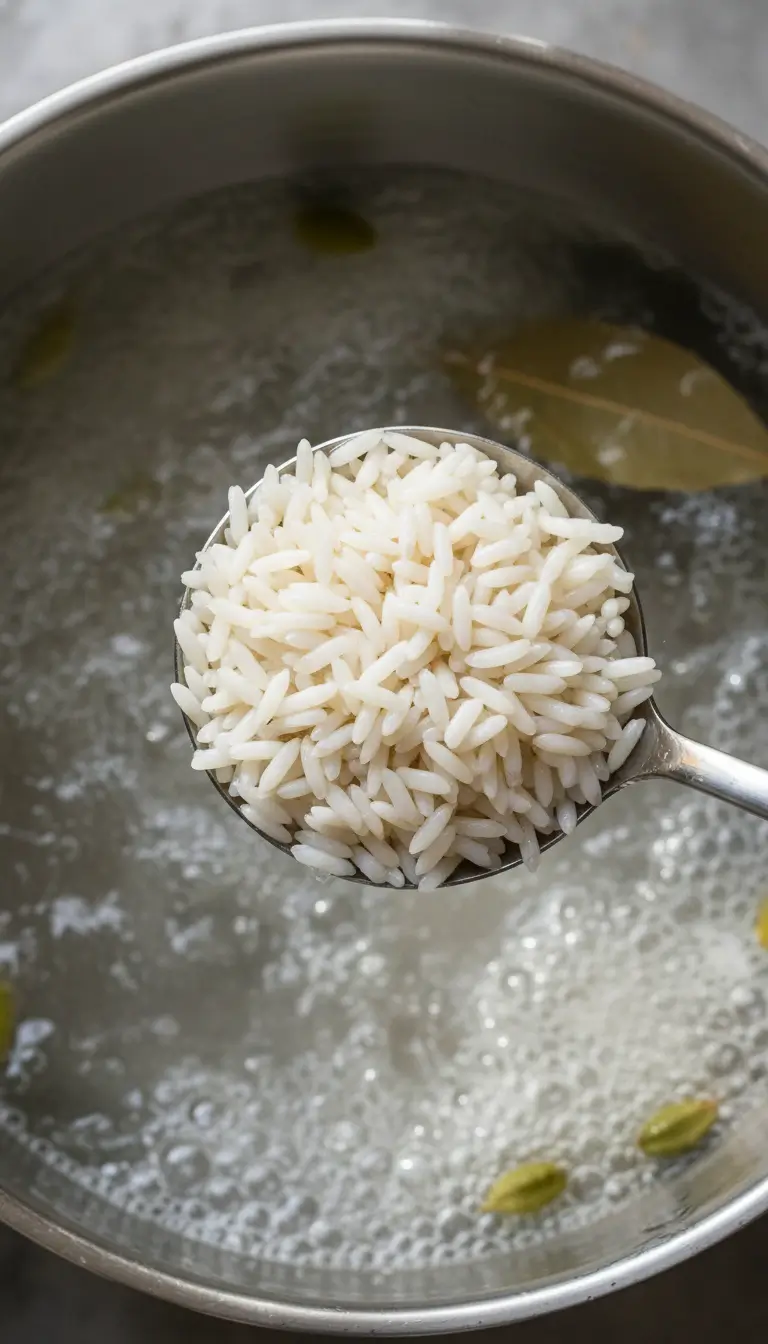
Rinse the basmati rice in several changes of water until it runs clear. In a large pot, bring the 4-5 quarts of water to a rolling boil with the whole spices and salt. Add the rinsed rice and boil for exactly 5-6 minutes. The rice should be par-cooked—soft on the outside but with a firm core. Drain immediately.
3. Cook the Marinated Chicken
In the same oil used for frying onions (remove some if there’s too much), place the marinated chicken in a single layer. Cook for 2-3 minutes per side until the exterior sears.
Add about ¼ cup of water, cover, and let the chicken cook through on medium-low heat for 10-15 minutes. The goal is to have a thick, flavorful gravy coating the chicken, not a runny sauce. Uncover and let any excess water evaporate.
4. The Layering (Dum)
In your final heavy-bottomed pot (or use the same one if it’s deep enough), start assembling. Spread half of the cooked chicken and its gravy in an even layer. Sprinkle a handful of fresh herbs and half of your fried onions over it.
Gently spoon half of the par-cooked rice over the chicken to create a second, even layer. Repeat with the remaining chicken, herbs, fried onions, and finally, the rest of the rice. Drizzle the saffron-infused milk evenly over the top rice layer.
5. The Final Steam
Seal the pot tightly with aluminum foil, then place the lid on top. This traps every bit of steam. Cook on the lowest possible heat for 25-30 minutes. You can also place a tawa (griddle) or skillet under the pot to diffuse the heat further.
Turn off the heat and let the biryani rest, still sealed, for another 15 minutes. This resting period is non-negotiable—it allows the flavors to settle and the rice to finish cooking perfectly.
Common Mistakes to Avoid
- Overcooking the rice during par-boiling: This leads to mushy biryani. The rice must be only 70% cooked before layering. It will finish in the steam.
- Skimping on the onion frying: Pale, soft onions won’t provide the necessary sweetness, texture, or depth. Take the time to get them golden and crisp.
- Using high heat during the final steam (Dum): This will burn the bottom. The lowest possible heat is essential for gentle, even cooking through steam alone.
Perfect Pairings
While biryani is a complete meal, a few simple sides elevate the experience. A cool, creamy raita (yogurt with cucumber and mint) is the classic and essential companion, cutting through the richness.
A simple salad of sliced onions, tomatoes, and cucumber with a squeeze of lemon offers a fresh, crunchy contrast. For something more substantial, a side of Butter Chicken Recipe gravy can be a decadent addition for those who love extra sauce.
If you love the convenience of one-pot meals, you might also enjoy our Buttery Stick Of Butter Chicken And Rice One Pot for a quicker weeknight flavor fix. For a different aromatic profile, the Ultimate Coconut Chicken And Rice is a must-try.
And if you’re a fan of set-it-and-forget-it cooking, our Slow Cooker Indian Butter Chicken or Crockpot Butter Chicken are fantastic, hands-off routes to incredible flavor, perfect for serving alongside or even inspired by this biryani.
First time making Chicken Biryani? I hope this guide made it easy. Let me know how it turned out!

What is the most important step to avoid mushy biryani rice?
The most critical step is to par-boil the rice until it is only 70% cooked—soft on the outside but with a firm core. Overcooking it at this stage will lead to a mushy final result, as the rice finishes cooking gently in the steam during the final layering and steaming process.
Can I make this biryani without bone-in chicken or saffron?
Yes, you can make substitutions. For the chicken, boneless thighs are the best alternative to bone-in pieces, as breast meat can become dry. If you don’t have saffron, you can use a teaspoon of turmeric mixed with the warm milk for color, but note this will not replicate saffron’s distinct flavor.
Why is it necessary to fry the onions until deeply golden and crisp?
Taking the time to properly fry the onions until golden brown and crisp is essential because they provide a complex sweetness, essential texture, and depth of flavor that defines a great biryani. Pale, soft onions won’t deliver the necessary sweetness or the crunchy texture that contrasts with the tender rice and chicken.
What is the ‘Dum’ method and why is it important for biryani?
The ‘Dum’ method refers to the final, slow-steaming process where the layered biryani is sealed tightly in a pot and cooked on the lowest possible heat. This technique is crucial as it allows the flavors from the chicken, rice, spices, and herbs to marry and intensify, creating distinct layers of taste and aroma in every spoonful without burning the bottom.

Ultimate Aromatic Chicken Biryani
Ingredients
Equipment
Method
- Marinate the chicken: In a large bowl, combine yogurt, ginger-garlic paste, turmeric, chili powder, biryani masala, salt, lemon juice, and chopped mint and cilantro. Add chicken pieces and mix thoroughly. Cover and marinate in the refrigerator for at least 1 hour, ideally 4-6 hours or overnight.
- Prep the onions: Thinly slice the onions. Heat oil or ghee in a large, heavy-bottomed pan over medium heat. Fry the onions in batches until deeply golden brown and crisp (15-20 minutes). Remove with a slotted spoon and drain on paper towels.
- Par-boil the rice: Rinse the basmati rice until the water runs clear. In a large pot, bring 4-5 quarts of water to a rolling boil with the bay leaves, cardamom pods, cloves, cinnamon stick, and 1 tablespoon of salt. Add the rinsed rice and boil for 5-6 minutes until par-cooked (soft outside, firm core). Drain immediately.
- Cook the chicken: In the same oil used for frying onions (remove excess if needed), place the marinated chicken in a single layer. Sear for 2-3 minutes per side. Add 1/4 cup of water, cover, and cook on medium-low heat for 10-15 minutes until chicken is cooked through and a thick gravy remains. Uncover to evaporate any excess water.
- Soak saffron: Soak the saffron threads in 1/4 cup of warm milk.
- Layer the biryani (Dum): In a heavy-bottomed pot, spread half of the cooked chicken and its gravy in an even layer. Sprinkle a handful of fresh herbs and half of the fried onions over it. Gently spoon half of the par-cooked rice over to create a second layer. Repeat with the remaining chicken, herbs, fried onions, and finally the rest of the rice. Drizzle the saffron-infused milk evenly over the top.
- Final steam: Seal the pot tightly with aluminum foil and place the lid on top. Cook on the lowest possible heat for 25-30 minutes. Optionally, place a tawa or skillet under the pot to diffuse heat. Turn off the heat and let the biryani rest, still sealed, for 15 minutes.
- Serve: Gently fluff the biryani, garnish with additional fried onions and herbs, and serve.