Leftover rice holds the key to one of the most satisfying weeknight meals imaginable, a truth universally acknowledged by anyone who has ever stared into their fridge wondering what to do with that lonely container from last night’s takeout. We’ve all had disappointing homemade versions—gummy, bland, or just plain sad. This recipe is the antidote, transforming those humble, chilled grains into something truly spectacular, proving that the best meals often come from the simplest ingredients.
Forget everything you thought you knew about making fried rice at home. We are about to unlock that elusive, savory, and perfectly textured dish you crave from your favorite Chinese restaurant. Each grain of rice will be distinct, coated in a rich umami sauce, and tossed with tender chicken, crisp-tender vegetables, and fluffy scrambled egg. This isn’t just a recipe for using up leftovers; it’s a reason to make extra rice in the first place.
Why This Chicken Fried Rice Works
- Restaurant-Quality Flavor: The simple, perfectly balanced sauce with a secret ingredient gives you that authentic takeout taste you’ve been searching for.
- Perfectly Textured Rice: Using cold, day-old rice is the number one rule for fried rice that is fluffy and separated, never mushy or clumpy.
- Incredibly Fast: This entire meal comes together in under 30 minutes, making it the ultimate solution for busy weeknights when you need dinner on the table fast.
What You’ll Need
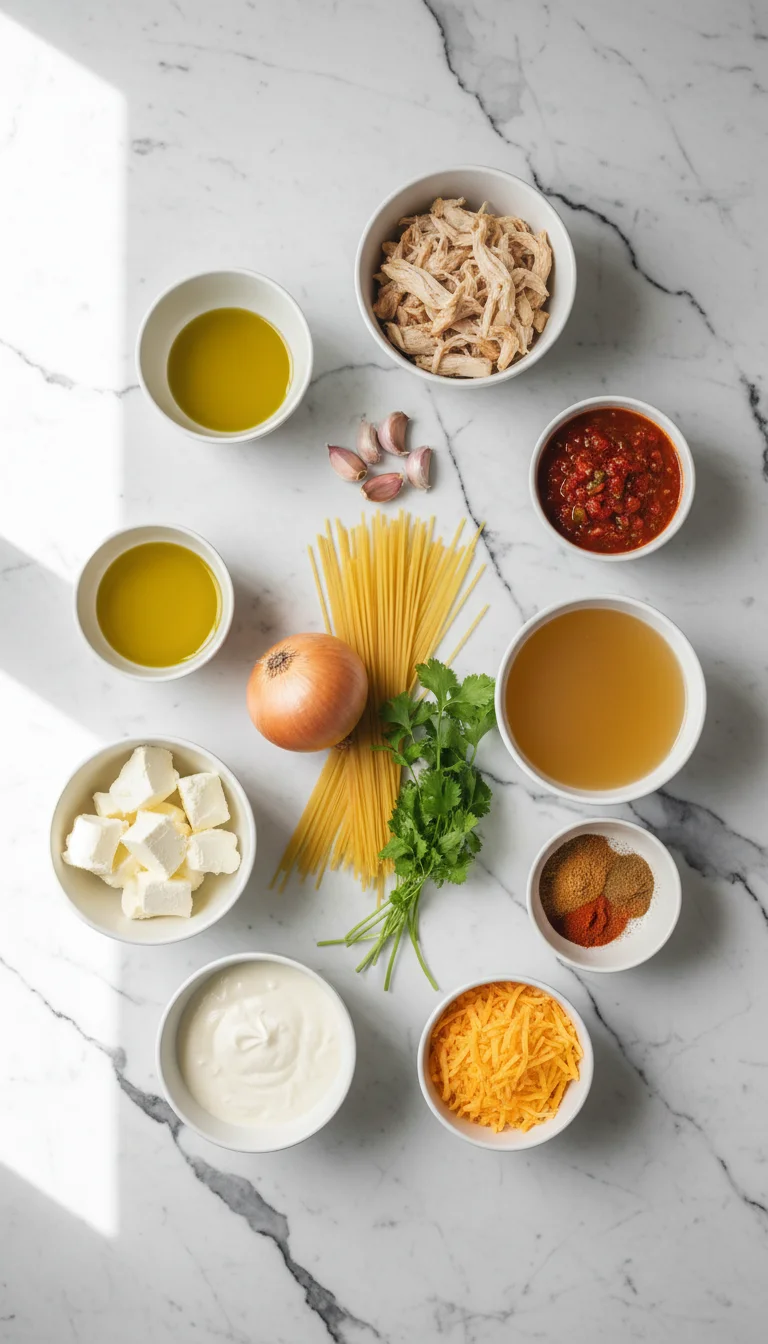
- Boneless, Skinless Chicken Breast or Thighs: Cut into small, bite-sized pieces for quick cooking.
- Day-Old Cooked White Rice: (This is the most important ingredient! Cold, dry rice grains separate easily and won’t turn to mush in the pan).
- Eggs: Lightly beaten to create those fluffy yellow ribbons throughout the rice.
- Frozen Peas and Carrots: A classic combination that adds color, sweetness, and texture without any extra chopping.
- Yellow Onion & Garlic: The aromatic foundation that builds the first layer of incredible flavor.
- Green Onions: Sliced, for a fresh, mild oniony bite at the end.
- Vegetable Oil: Or another neutral, high-smoke-point oil like canola or avocado oil.
- Low-Sodium Soy Sauce: (The savory, umami backbone of the dish. Using low-sodium gives you more control over the saltiness).
- Oyster Sauce: (This is the secret weapon! It adds a deep, savory, slightly sweet complexity that soy sauce alone can’t provide).
- Toasted Sesame Oil: (Added at the very end for its incredible nutty aroma and flavor. Never cook with it over high heat, as it can burn).
- Mirin or Rice Vinegar: (Just a splash provides a hint of acidity to cut through the richness and brighten all the flavors).
- White Pepper: (Offers a different, more earthy heat than black pepper and is traditional in many Asian dishes).
Pantry Alternatives
Don’t have everything on the list? No problem! Fried rice is famously flexible.- For the Protein: Swap the chicken for cooked shrimp, diced ham, crispy bacon, leftover pork, or firm tofu.
- For the Rice: While long-grain white rice is best, you can use brown rice or even quinoa, as long as it’s cooked and thoroughly chilled.
- For the Veggies: Feel free to use whatever you have! Diced bell peppers, broccoli florets, corn, edamame, or bean sprouts are all fantastic additions.
- For the Soy Sauce: Tamari or coconut aminos are excellent gluten-free substitutes.
Fun Variations to Try
Once you master the basic technique, the possibilities are endless. This recipe is a fantastic canvas for your culinary creativity.Spicy Sriracha Fried Rice
For those who like a bit of heat, whisk 1-2 teaspoons of sriracha (or more, to your taste) into the sauce mixture. You can also drizzle extra on top before serving for a fiery kick.Pineapple & Cashew Fried Rice
Give your dish a Thai-inspired twist by adding a half cup of diced fresh pineapple and a quarter cup of toasted cashews during the last minute of cooking. The sweetness of the pineapple and the crunch of the cashews are a delightful combination.Kimchi Fried Rice
Add a half cup of chopped kimchi and a tablespoon of its juice along with the vegetables. The funky, spicy, and sour notes of the kimchi completely transform the dish into a Korean-inspired favorite.Breakfast-for-Dinner Fried Rice
Why not? Add a few pieces of crispy, crumbled bacon and a little extra egg. It’s a savory, satisfying meal that works any time of day. It’s a great way to use up leftover rice from making Japanese Chicken Katsu Bowls the night before.How to Make Chicken Fried Rice
Step 1: Prepare the Sauce and Eggs
In a small bowl, whisk together the soy sauce, oyster sauce, mirin (or rice vinegar), and white pepper. Set this sauce mixture aside. In a separate bowl, lightly beat the eggs.Step 2: Scramble the Eggs
Heat about a teaspoon of oil in a large skillet or wok over medium-high heat. Pour in the beaten eggs and scramble them quickly, breaking them into small pieces with your spatula. This should only take about a minute. Remove the cooked eggs from the skillet and set them aside on a plate.Step 3: Cook the Chicken
Add another tablespoon of oil to the hot skillet. Add the bite-sized chicken pieces in a single layer and cook, stirring occasionally, until they are golden brown and cooked through, about 4-5 minutes. Remove the cooked chicken from the skillet and set it aside with the eggs.Step 4: Sauté the Aromatics and Vegetables
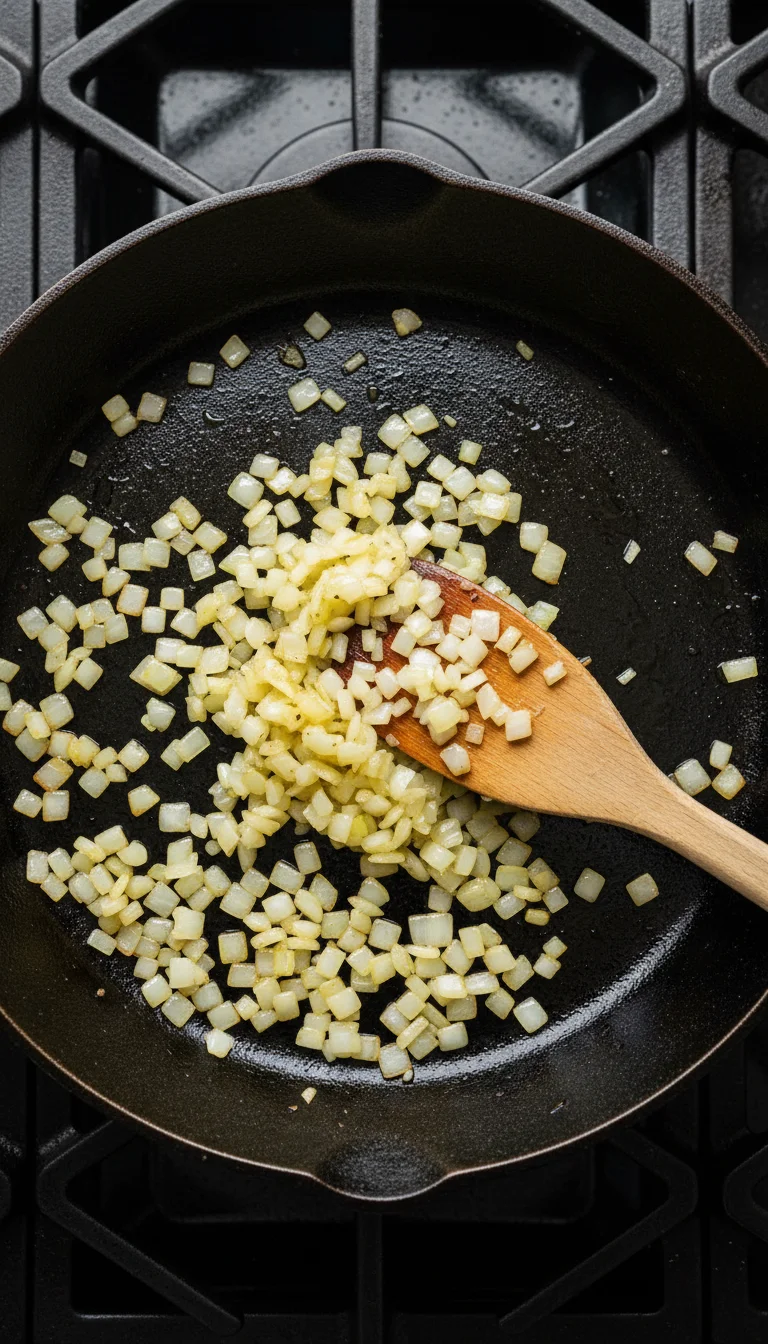
Add the remaining oil to the skillet. Add the diced onion and cook for 2-3 minutes until it begins to soften. Add the minced garlic and cook for another 30 seconds until fragrant, being careful not to let it burn.Toss in the frozen peas and carrots. Stir-fry for 2-3 minutes until they are heated through and crisp-tender.
Step 5: Fry the Rice
Now for the main event. Add the cold, day-old rice to the skillet with the vegetables. Use your spatula to break up any large clumps, pressing and folding the rice to separate every grain. Stir-fry for 3-4 minutes, allowing the rice to toast slightly in the pan.Step 6: Combine Everything
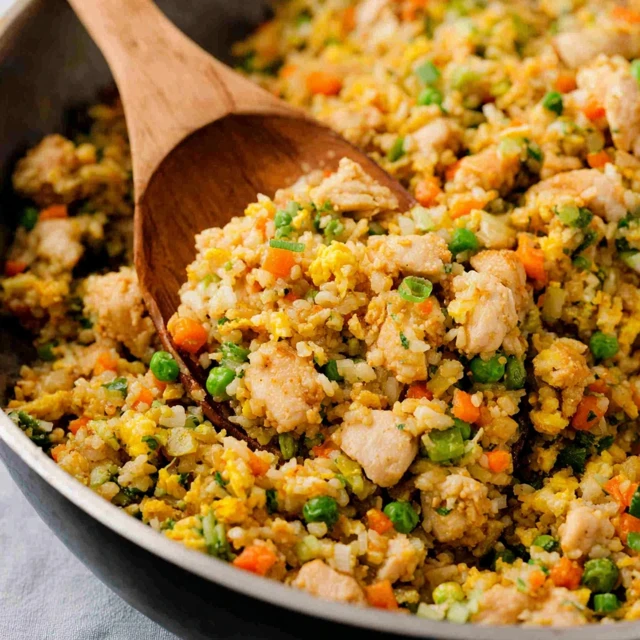
Push the rice and vegetables to one side of the skillet. Pour the prepared sauce mixture into the empty side and let it bubble for about 15-20 seconds to thicken slightly.Return the cooked chicken and scrambled eggs to the skillet. Add most of the sliced green onions (reserving some for garnish). Pour the sauce over everything and toss vigorously to combine, ensuring every single grain of rice is coated in the delicious sauce.
Step 7: The Finishing Touch
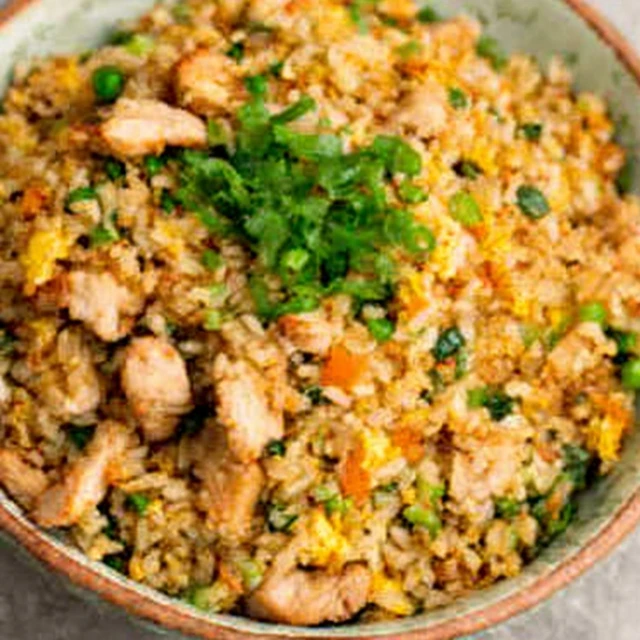
Remove the skillet from the heat. Drizzle the toasted sesame oil over the top and give it one final toss. The residual heat will release its incredible aroma. Serve immediately, garnished with the remaining fresh green onions.Expert Tips for Success
- Cold Rice is King: This cannot be stressed enough. Freshly cooked, warm rice contains too much moisture and will steam in the pan, resulting in a gummy texture. Chilling the rice overnight dries it out perfectly.
- High Heat is Your Friend: A very hot pan is essential for getting that slightly smoky, “wok hei” flavor and for quickly stir-frying the ingredients so they don’t get soggy. Don’t be afraid to turn up the heat!
- Don’t Crowd the Pan: If you double the recipe, it’s better to cook it in two separate batches. Overcrowding the pan lowers the temperature, causing the ingredients to steam instead of fry.
- Prep Everything First: The cooking process is incredibly fast. Have all your vegetables chopped, your sauce mixed, and your ingredients measured and within arm’s reach before you even turn on the stove.
Complete the Meal
This chicken fried rice is a fantastic one-pan meal all on its own, perfectly balanced with protein, carbs, and vegetables. It’s a weeknight hero, just like other quick favorites such as Chicken Chow Mein.However, if you’re looking to create a more substantial spread, it also works beautifully as a side dish. It’s the perfect accompaniment to saucy, flavorful main courses. Imagine serving a generous scoop alongside a rich Beef And Broccoli or a sweet and savory Mongolian Chicken.
For a simple, fresh contrast, a crisp cucumber salad or some steamed edamame on the side would be wonderful. And if you’re a fan of different cooking methods, you might also enjoy this alternative take on Chicken Fried Rice for a more hands-off approach.
Did you change any ingredients? Let me know in the comments how you made this recipe your own
Why is it so important to use cold, day-old rice for fried rice?
Using cold, day-old rice is the number one rule because it is drier than fresh rice. This lack of moisture prevents the grains from steaming and clumping together in the hot pan, ensuring they separate easily and result in a fluffy, non-mushy texture.
What is the secret ingredient for achieving a restaurant-quality flavor?
The secret weapon for an authentic, savory flavor is oyster sauce. It adds a deep, slightly sweet complexity to the dish that you can’t get from soy sauce alone.
Can I substitute the chicken or vegetables in this recipe?
Yes, the recipe is very flexible. You can easily swap the chicken for other proteins like cooked shrimp, diced ham, or firm tofu. For vegetables, you can use whatever you have on hand, such as diced bell peppers, broccoli florets, corn, or edamame.
What are the most important tips for making the best chicken fried rice?
The key expert tips are: always use cold, day-old rice; use high heat to get a ‘wok hei’ flavor and prevent sogginess; don’t overcrowd the pan (cook in batches if needed); and prepare all your ingredients (‘mise en place’) before you start cooking, as the process is very fast.
The Secret to Restaurant Chicken Fried Rice
Ingredients
Equipment
Method
- In a small bowl, whisk together the soy sauce, oyster sauce, mirin (or rice vinegar), and white pepper. Set this sauce mixture aside.
- Heat 1 teaspoon of oil in a large skillet or wok over medium-high heat. Pour in the beaten eggs and scramble quickly, breaking them into small pieces. Remove the cooked eggs and set them aside on a plate.
- Add 1 tablespoon of oil to the hot skillet. Add the bite-sized chicken pieces in a single layer and cook, stirring occasionally, until golden brown and cooked through, about 4-5 minutes. Remove the cooked chicken and set it aside with the eggs.
- Add the remaining oil to the skillet. Add the diced onion and cook for 2-3 minutes until it begins to soften. Add the minced garlic and cook for another 30 seconds until fragrant.
- Toss in the frozen peas and carrots. Stir-fry for 2-3 minutes until they are heated through and crisp-tender.
- Add the cold, day-old rice to the skillet. Use your spatula to break up any large clumps. Stir-fry for 3-4 minutes, allowing the rice to toast slightly.
- Push the rice and vegetables to one side of the skillet. Pour the prepared sauce mixture into the empty side and let it bubble for 15-20 seconds to thicken slightly.
- Return the cooked chicken and scrambled eggs to the skillet. Add most of the sliced green onions (reserving some for garnish). Pour the sauce over everything and toss vigorously to combine until every grain is coated.
- Remove the skillet from the heat. Drizzle the toasted sesame oil over the top and give it one final toss. Serve immediately, garnished with the remaining fresh green onions.
Notes
– Cold Rice is King: This is the most important rule. Chilling rice overnight dries it out, preventing a gummy texture.
– High Heat is Your Friend: A very hot pan is essential for getting that slightly smoky, ‘wok hei’ flavor and for quickly stir-frying ingredients so they don’t get soggy.
– Don’t Crowd the Pan: If you double the recipe, cook it in two separate batches to maintain high heat.
– Prep Everything First: The cooking process is incredibly fast. Have all ingredients chopped, mixed, and ready before you turn on the stove. Fun Variations:
– Spicy Sriracha: Whisk 1-2 teaspoons of sriracha into the sauce mixture.
– Pineapple & Cashew: Add a half cup of diced fresh pineapple and a quarter cup of toasted cashews during the last minute of cooking.
– Kimchi Fried Rice: Add a half cup of chopped kimchi and a tablespoon of its juice along with the vegetables.
– Protein Swaps: Easily substitute chicken with cooked shrimp, diced ham, crispy bacon, leftover pork, or firm tofu.