Searing chicken is more than just a step; it’s the first promise of flavor in a dish that delivers comfort on a biblical scale. It’s the sizzle that speaks of a deeply browned, savory crust, the foundation upon which we build a gravy so rich and velvety it feels like a hug in a skillet. This isn’t just about cooking chicken; it’s about coaxing out every last drop of soul from simple ingredients and letting them simmer into something truly extraordinary.
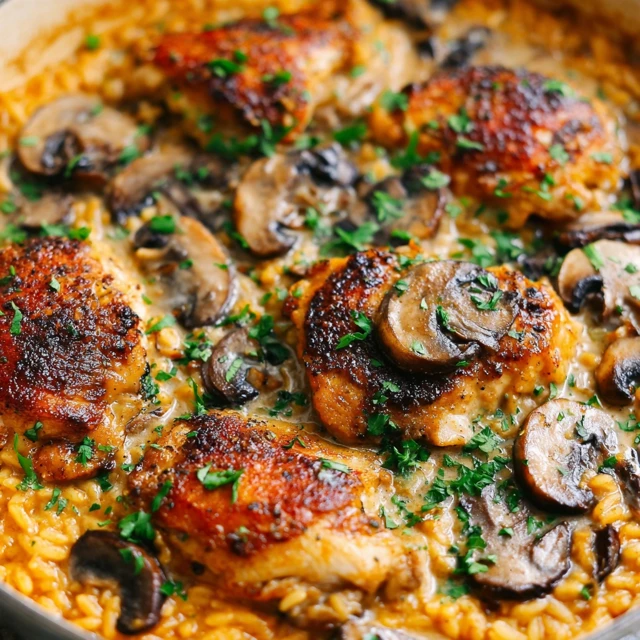
What you’re about to create is a masterpiece of Southern cooking, where tender, fall-off-the-bone chicken is completely enveloped—smothered, really—in a luxurious onion and garlic gravy. Poured over a bed of fluffy white rice that soaks up every bit of that liquid gold, each bite is a perfect harmony of savory, rich, and deeply satisfying flavors that will have everyone at the table asking for seconds.
The Smothered Chicken and Rice Difference
- Flavor Layering: We don’t just cook; we build. From the initial sear of the seasoned chicken to the slow bloom of aromatics and the final simmer in a rich broth, every step layers on more depth, creating a gravy that’s complex and unforgettable.
- The Perfect Sear: Achieving a deep, golden-brown crust on the chicken isn’t just for looks. This process, called the Maillard reaction, creates a foundation of flavor (the “fond”) in the pan that is absolutely essential for a truly soulful gravy.
- Silky, Not Pasty, Gravy: By carefully cooking our flour roux to a beautiful nutty brown and slowly whisking in the broth, we guarantee a gravy that is smooth, rich, and full-bodied, perfectly coating every piece of chicken and rice without a hint of graininess.
The Building Blocks
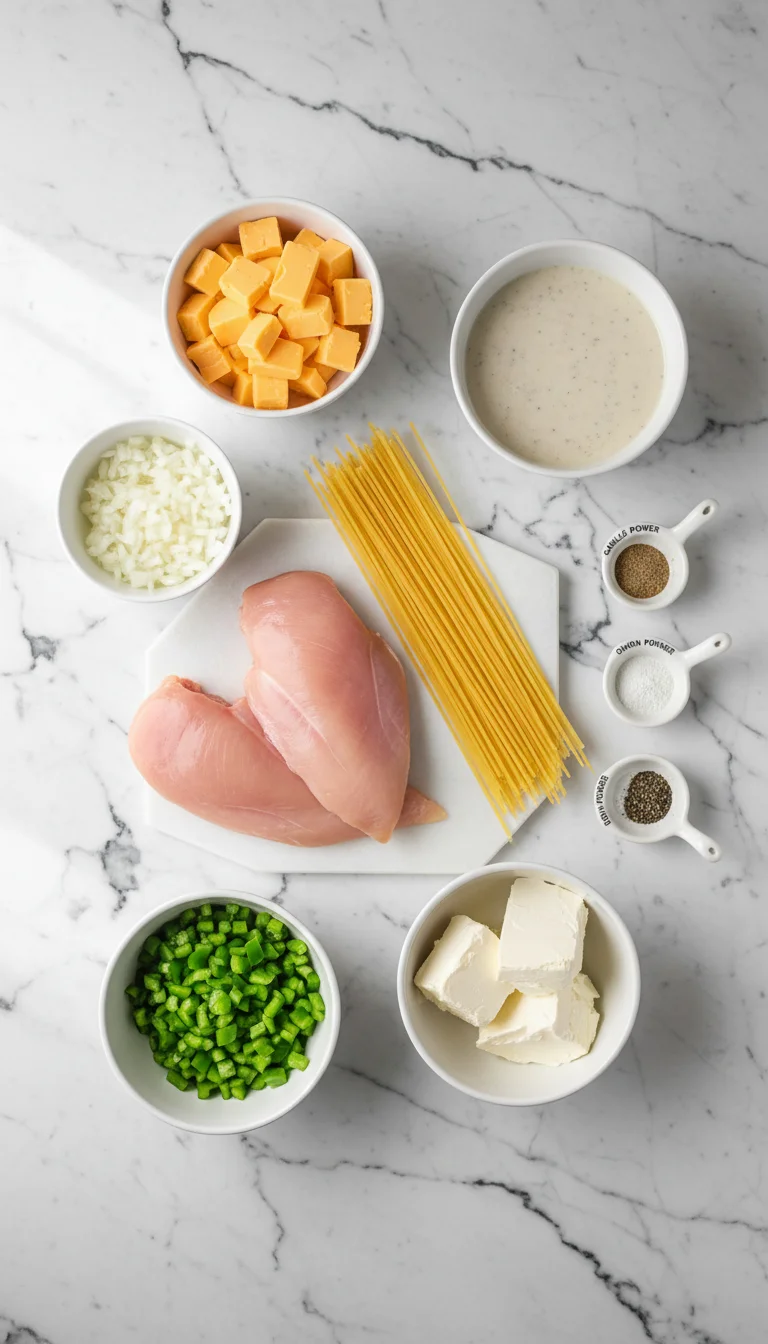
- Chicken Pieces: 2.5 – 3 lbs bone-in, skin-on chicken thighs or a mix of thighs and drumsticks. (The bone and skin are non-negotiable for flavor; they render fat and create a richer broth.)
- All-Purpose Flour: 1/2 cup, divided. (This is for both dredging the chicken to get a great crust and for thickening our gravy.)
- Seasoning Blend: A mix of smoked paprika, garlic powder, onion powder, dried thyme, salt, and freshly cracked black pepper. (This combination creates a savory, slightly smoky, and herbaceous backbone for the entire dish.)
- Vegetable Oil or Bacon Grease: 3 tablespoons. (For searing the chicken; bacon grease adds an incredible layer of smoky flavor if you have it.)
- Yellow Onion: 1 large, thinly sliced. (This is the heart of the gravy, melting down to create a sweet and savory base.)
- Green Bell Pepper: 1, thinly sliced. (Adds a classic, slightly sharp vegetal note that cuts through the richness.)
- Garlic: 4-5 cloves, minced. (Because no soulful dish is complete without a generous amount of fragrant garlic.)
- Chicken Broth: 4 cups, low-sodium. (Using a quality broth is key, as it forms the entire body of your gravy. Low-sodium gives you control over the final saltiness.)
- Worcestershire Sauce: 1 tablespoon. (A secret weapon for adding a deep, savory, umami kick.)
- Fresh Parsley: Chopped, for garnish. (A pop of fresh, green flavor at the end brightens everything up.)
- Cooked White Rice: For serving. (The perfect neutral, fluffy vehicle to soak up all that incredible gravy.)
Swaps & Alternatives
Don’t have everything on hand? No problem. This recipe is wonderfully forgiving and easy to adapt to what’s in your pantry.- Chicken: Boneless, skinless chicken thighs or breasts can be used, but be sure to reduce the cooking time to prevent them from drying out. They won’t provide as much flavor to the gravy, so you may want to add a chicken bouillon cube.
- Flour: For a gluten-free version, you can use a cup-for-cup gluten-free flour blend for dredging and make a cornstarch slurry (2 tbsp cornstarch + 2 tbsp cold water) to thicken the gravy at the end.
- Broth: Vegetable broth can be used in a pinch, though chicken broth provides the best flavor. You can also use a mix of broth and water if needed.
- Veggies: Feel free to add sliced mushrooms or celery along with the onions and bell peppers for more flavor and texture.
Flavor Boosts
Ready to take this classic dish to the next level? These simple additions can elevate the flavor and make the recipe uniquely yours. It’s all about adding those little touches that make a big impact.First, consider browning about 8 ounces of sliced cremini mushrooms in the skillet after you sear the chicken. Remove them with the chicken and add them back into the gravy to simmer. Their earthy, umami flavor is a perfect match for the rich gravy.
A splash of dry white wine, like a Sauvignon Blanc or Pinot Grigio, can also work wonders. After sautéing the onions and peppers, pour in about 1/2 cup of wine to deglaze the pan, scraping up all those browned bits. Let it reduce by half before adding the flour.
Finally, don’t underestimate the power of fresh herbs. Stir in a tablespoon of fresh thyme or a sprig of rosemary while the gravy simmers. Remove the sprig before serving. This infuses the sauce with a beautiful, aromatic quality that complements the chicken perfectly.
How to Make Smothered Chicken and Rice

1. Season and Dredge the Chicken
First things first, pat your chicken pieces completely dry with paper towels. This is a crucial step for getting that beautiful, crispy sear. In a shallow dish, whisk together 1/4 cup of the flour with your seasoning blend: smoked paprika, garlic powder, onion powder, dried thyme, salt, and pepper.Dredge each piece of chicken in the seasoned flour, making sure to coat it evenly on all sides. Gently shake off any excess flour; you want a thin, even coating, not a thick, pasty layer. Set the coated chicken aside on a plate.
2. Sear for a Golden-Brown Crust
In a large, heavy-bottomed skillet or Dutch oven, heat your oil or bacon grease over medium-high heat. The oil should be shimmering before you add the chicken. Carefully place the chicken pieces in the pan, skin-side down, making sure not to overcrowd it. Work in batches if you need to!Sear the chicken for about 4-5 minutes per side, until it’s deeply golden brown and crispy. This step isn’t about cooking the chicken through; it’s about creating that incredible crust and rendering the fat. Once seared, transfer the chicken to a clean plate and set it aside. That browned fond left in the pan is pure gold.
3. Sauté the Aromatics
Reduce the heat to medium and add the sliced onions and bell peppers to the same skillet, using the rendered chicken fat. If the pan is too dry, add another tablespoon of oil. Sauté the vegetables, stirring occasionally, for about 6-8 minutes, until they are soft, translucent, and have started to caramelize.Scrape the bottom of the pan with your wooden spoon as they cook to lift up all those delicious browned bits. Once the onions are soft, add the minced garlic and cook for just another minute until fragrant. Be careful not to burn the garlic!
4. Build the Gravy Roux
Now it’s time to build the heart of our dish: the gravy. Sprinkle the remaining 1/4 cup of flour over the cooked vegetables. Stir constantly for about 2-3 minutes, allowing the flour to cook and toast. It will turn a light nutty brown and smell amazing.This step is vital for two reasons: it cooks out the raw flour taste and it creates the roux that will thicken our gravy. This technique is also the foundation for so many comforting classics, from a creamy Chicken Pot Pie to other rich, savory sauces.
5. Simmer to Perfection
Slowly—and I mean slowly—begin to pour in the chicken broth, about a cup at a time, while whisking constantly. This prevents lumps from forming and ensures a silky-smooth gravy. Once all the broth is incorporated, stir in the Worcestershire sauce.Bring the gravy to a gentle simmer, then nestle the seared chicken pieces back into the skillet. Spoon some of the gravy and vegetables over the top of the chicken. Reduce the heat to low, cover the skillet, and let it simmer for at least 30-40 minutes, or until the chicken is cooked through and fall-apart tender. The gravy will have thickened beautifully and the flavors will have melded together. This slow simmer is what separates a good dish from a great one, much like in our simple but delicious Chicken And Rice recipe.
Avoid These Pitfalls
- Crowding the Pan: Placing too much chicken in the skillet at once will steam it instead of searing it. Work in batches to ensure each piece has enough space to develop a deep, golden-brown crust. This is a key tip whether you’re making this or our Southern Air Fryer Fried Chicken.
- Rushing the Roux: Don’t add the liquid until the flour has had a chance to toast for a couple of minutes. This cooks out the raw taste and develops a much deeper, nuttier flavor for your gravy.
- Under-seasoning the Gravy: Remember to taste the gravy before serving! After simmering, it will likely need another pinch of salt and pepper to make the flavors pop. Don’t be shy.
Complete the Menu
The beauty of Smothered Chicken and Rice is that it’s practically a complete meal in one. The chicken is the star, the gravy is the co-star, and the rice is the perfect supporting actor, ready to soak up all the deliciousness.A simple green vegetable is all you need to round out the plate. Steamed green beans, sautéed collard greens with a bit of garlic, or a simple side salad with a vinaigrette dressing provide a fresh, crisp contrast to the rich and savory main dish.
For a true Southern feast, consider serving it with a side of cornbread for sopping up any extra gravy left on the plate. And if you’re a fan of one-pot chicken and rice meals, you’ll absolutely love the simplicity of our Buttery Stick Of Butter Chicken And Rice or the bright flavors in the Crockpot Lemon Herb Chicken And Rice for another weeknight. This Creamy Smothered Chicken And Rice version is also a fantastic alternative when you’re craving something a little different.
To serve, spoon a generous amount of fluffy white rice onto each plate or into a shallow bowl. Place a piece of the tender smothered chicken on top and then ladle that glorious onion and pepper gravy all over everything. Garnish with a sprinkle of fresh parsley for a touch of color and freshness.
If you tried this recipe and loved it, please leave a 5-star rating below. It helps us so much
Why is searing the chicken so important for this recipe?
Searing the chicken is crucial because it creates a deep, golden-brown crust through the Maillard reaction. This process builds a foundation of flavor (called “fond”) in the pan, which is essential for developing a rich and soulful gravy.
Can I use boneless, skinless chicken instead of bone-in?
Yes, you can use boneless, skinless chicken thighs or breasts. However, you should reduce the cooking time to prevent them from drying out. The article also suggests that since they provide less flavor, you may want to add a chicken bouillon cube to enrich the gravy.
What are the keys to making a smooth, flavorful gravy?
To ensure a smooth gravy, first toast the flour to create a roux, then add the broth slowly while whisking constantly to prevent lumps. To guarantee a flavorful gravy, don’t rush the roux, use the browned bits from searing the chicken, and remember to taste and adjust the seasoning with salt and pepper before serving.

Soulful Smothered Chicken and Rice
Ingredients
Equipment
Method
- Pat chicken pieces completely dry with paper towels. In a shallow dish, whisk together 1/4 cup of the flour with the smoked paprika, garlic powder, onion powder, dried thyme, 2 teaspoons salt, and 1 teaspoon pepper. Dredge each piece of chicken in the seasoned flour, shaking off any excess. Set aside on a plate.
- In a large, heavy-bottomed skillet or Dutch oven, heat the oil or bacon grease over medium-high heat until shimmering. Carefully place the chicken skin-side down and sear for 4-5 minutes per side until deeply golden brown and crispy. Work in batches to avoid overcrowding the pan. Transfer the seared chicken to a clean plate.
- Reduce the heat to medium. Add the sliced onions and bell peppers to the skillet, using the rendered chicken fat. Sauté for 6-8 minutes until soft and caramelized, scraping up any browned bits (fond) from the bottom of the pan with a wooden spoon.
- Add the minced garlic and cook for 1 more minute until fragrant, being careful not to burn it.
- Sprinkle the remaining 1/4 cup of flour over the cooked vegetables. Stir constantly for 2-3 minutes to cook out the raw flour taste and toast the roux until it turns a light nutty brown.
- Slowly pour in the chicken broth, about a cup at a time, whisking constantly to prevent lumps and create a smooth gravy. Once all the broth is incorporated, stir in the Worcestershire sauce.
- Bring the gravy to a gentle simmer. Return the seared chicken pieces to the skillet, nestling them into the gravy. Spoon some gravy and vegetables over the chicken. Reduce heat to low, cover, and simmer for 30-40 minutes, or until the chicken is cooked through and fall-apart tender.
- Taste the gravy and adjust seasoning with more salt and pepper if needed. To serve, spoon a generous amount of fluffy white rice onto each plate, top with a piece of chicken, and ladle the gravy over everything. Garnish with fresh chopped parsley.