Sizzling steak hitting a hot pan is the sound of a weeknight dinner victory, a promise of something deeply satisfying just minutes away. This isn’t just any steak, though; it’s thinly sliced, bathed in a sweet and savory Korean-inspired marinade that caramelizes into a glorious crust, filling your kitchen with an aroma that’s impossible to resist. It’s the kind of cooking that feels both exciting and incredibly comforting, a vibrant escape from the everyday routine.
What we’re creating here is more than just a meal; it’s an experience in a bowl. Imagine tender, juicy strips of steak infused with the complex flavors of soy, sesame, garlic, and a hint of spicy gochujang, all piled high on a bed of fluffy rice. Topped with crisp, fresh vegetables and a sprinkle of sesame seeds, each bite is a perfect harmony of textures and tastes—savory, sweet, spicy, and fresh. This is how you turn a simple dinner into your new favorite obsession.
Why This Korean BBQ Steak Bowls Works
- Incredibly Flavorful Marinade: This marinade uses simple ingredients to create a complex, authentic-tasting sauce that tenderizes the meat and creates a perfect caramelized crust.
- Weeknight Fast: Once the steak is marinated (which can be done ahead!), the actual cooking process takes less than 15 minutes, making it perfect for busy evenings.
- Completely Customizable: This bowl is a blank canvas. You can swap the veggies, adjust the spice level, or add your favorite toppings to make it perfectly yours.
Gather Your Supplies
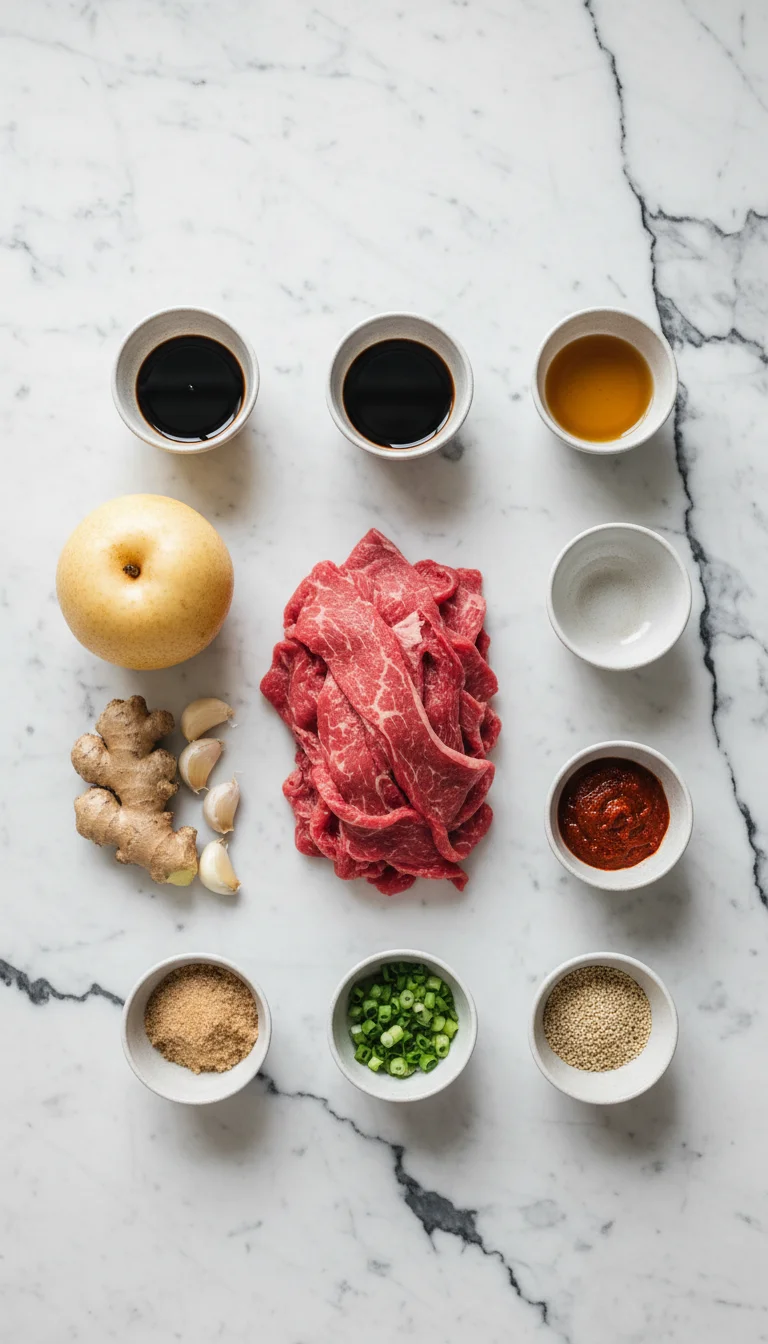
- Flank Steak or Sirloin: Thinly sliced against the grain for maximum tenderness.
- Low-Sodium Soy Sauce: (The umami-rich backbone of our marinade, providing saltiness and depth).
- Toasted Sesame Oil: (Adds that unmistakable nutty, fragrant aroma that is essential to Korean cuisine).
- Brown Sugar: (Balances the saltiness and helps the steak caramelize beautifully in the pan).
- Gochujang (Korean Chili Paste): (Provides a smoky, slightly sweet, and savory heat. Adjust the amount to your spice preference).
- Rice Vinegar: (A splash of acidity to brighten and balance all the rich flavors).
- Asian Pear or Apple: (Grated, this is a traditional secret ingredient that acts as a natural tenderizer and adds a subtle sweetness).
- Fresh Garlic: Minced for that pungent, aromatic kick.
- Fresh Ginger: Grated to add a warm, zesty spice.
- Black Pepper: For a touch of gentle heat.
- Cooked Rice: For serving, preferably a short-grain or jasmine rice.
- Vegetable Oil: A neutral oil for cooking the steak at high heat.
- For Topping (Optional but Recommended): Sliced green onions, sesame seeds, shredded carrots, sliced cucumber, and kimchi.
Pantry Alternatives
Don’t have everything on the list? No problem! This recipe is wonderfully flexible. Here are a few simple swaps you can make in a pinch.- Steak: If you can’t find flank or sirloin, skirt steak or even thinly sliced ribeye will work beautifully.
- Gochujang: For less heat, you can reduce the amount or substitute with a mix of sriracha and a touch of miso paste for a similar fermented flavor profile.
- Asian Pear: A Bosc pear or a sweet apple like Fuji or Gala is a perfect substitute. In a real pinch, you can just add an extra teaspoon of brown sugar.
- Rice Vinegar: Apple cider vinegar or even white wine vinegar can be used if you’re out of rice vinegar.
- Brown Sugar: Honey or maple syrup can be used instead, which will add a slightly different but equally delicious flavor.
Make It Your Own
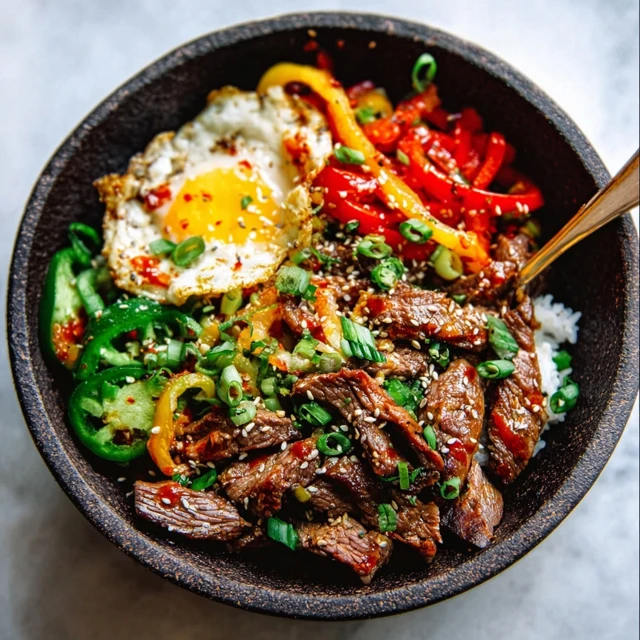
One of the best things about bowl-based meals is how easy they are to customize. Think of this recipe as a starting point and feel free to get creative with your additions and twists.First, consider adding a perfectly fried egg on top. A runny yolk creates a luscious, creamy sauce that mingles with the steak marinade and rice, taking the entire dish to another level of comfort.
Next, play with your vegetables. Instead of just carrots and cucumbers, try adding blanched broccoli, sautéed spinach, edamame, or even some spicy bean sprouts. This is a great way to clean out the vegetable drawer and add more nutrients. The concept of a customizable bowl is so versatile, much like in a Teriyaki Chicken Rice Bowl, where the toppings make it your own.
For a low-carb option, serve the Korean BBQ steak over a bed of cauliflower rice or fresh greens to create a vibrant and satisfying salad. You can also stuff the steak and some fresh veggies into a lettuce wrap for a fun, hands-on meal.
Finally, don’t be afraid to add some cheese! While not traditional, a sprinkle of melty mozzarella on top of the hot steak is a popular fusion trend in modern Korean cooking. It adds a savory, gooey element that is absolutely irresistible.
Let’s Get Cooking
Step 1: Prepare the Marinade
In a medium-sized bowl, whisk together the soy sauce, toasted sesame oil, brown sugar, gochujang, and rice vinegar until the sugar has mostly dissolved. Add the grated Asian pear (or apple), minced garlic, and grated ginger. Give it one final stir to combine everything into a fragrant, cohesive sauce. This marinade is the heart of the recipe, so taste it and adjust if needed—maybe you want a little more gochujang for heat or a bit more sugar for sweetness.Step 2: Marinate the Steak
Place your thinly sliced steak in a large bowl or a resealable plastic bag. Pour about two-thirds of the marinade over the steak, reserving the remaining one-third to use as a sauce later. Toss the steak thoroughly to ensure every piece is coated. Cover the bowl or seal the bag and let it marinate in the refrigerator for at least 30 minutes. For the best, most deeply infused flavor, let it marinate for 2 to 4 hours.Step 3: Prepare the Bowl Components
While the steak is marinating, it’s the perfect time to get the rest of your bowl ingredients ready. Cook your rice according to the package directions. Wash and chop your vegetables—shred the carrots, thinly slice the cucumbers and green onions. If you’re using kimchi, have it ready. Set everything aside so you can assemble your bowls quickly once the steak is cooked.Step 4: Cook the Steak
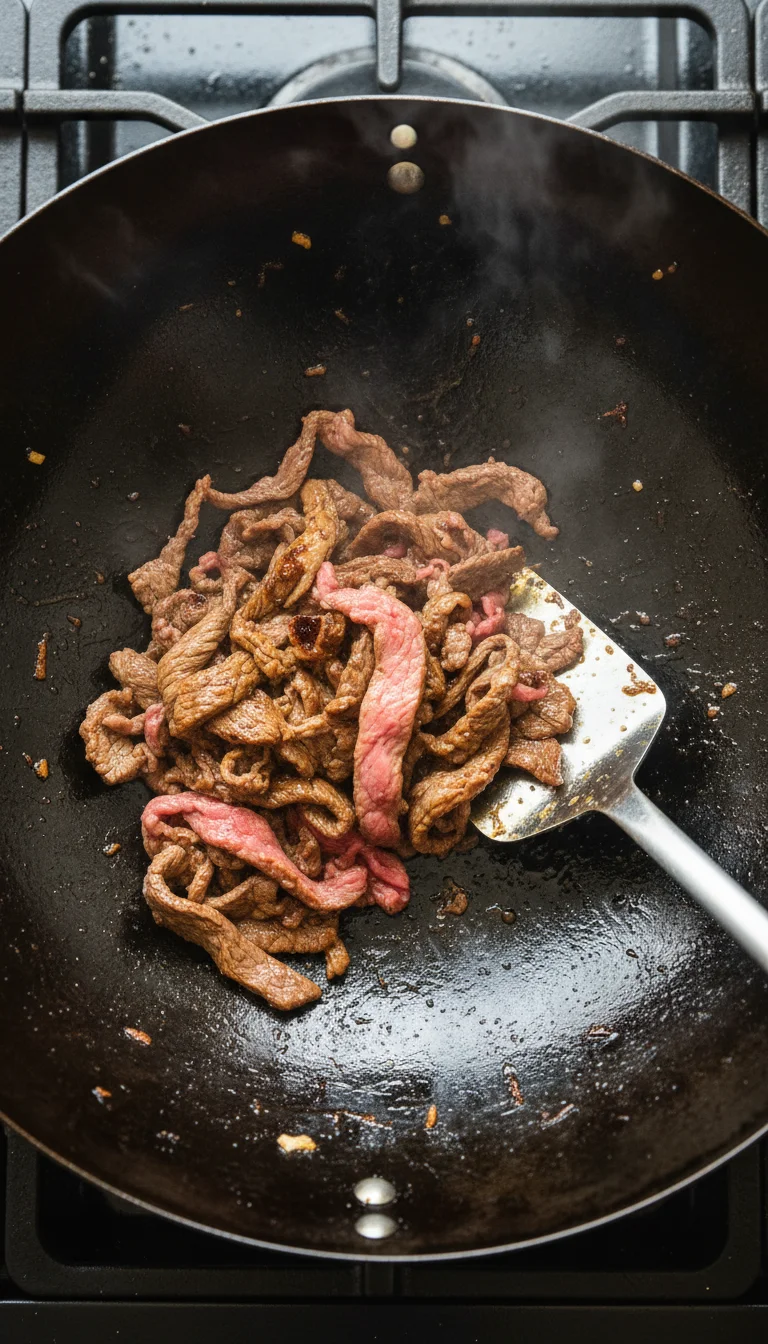
Heat a large skillet or wok over medium-high heat. Add a tablespoon of vegetable oil. Once the oil is shimmering, carefully add the steak to the pan in a single layer. It’s crucial not to overcrowd the pan; cook in batches if necessary. This high-heat searing method is similar to what makes a great Chinese Pepper Steak so delicious. Let the steak cook for 1-2 minutes per side, until it’s beautifully browned and caramelized. The thin slices will cook very quickly. Remove the cooked steak from the pan and set it aside.Step 5: Assemble Your Bowls
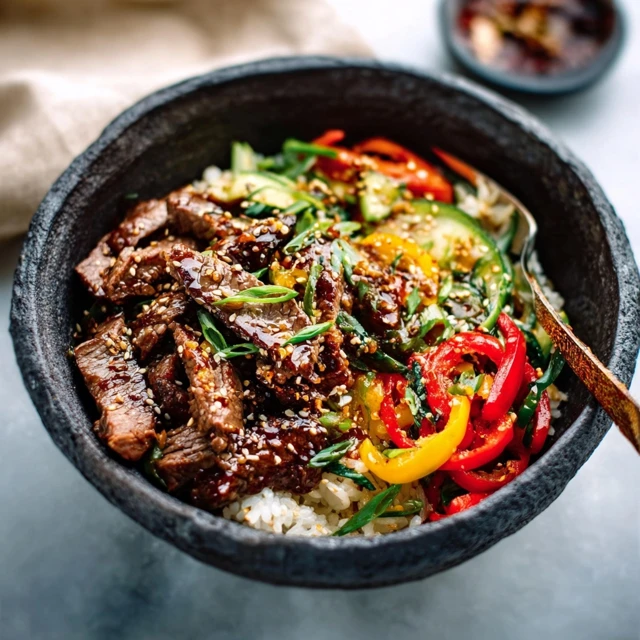
Now for the fun part! Start by spooning a generous amount of warm rice into each bowl. Arrange the cooked Korean BBQ steak over the rice. Add your prepared toppings around the steak—a pile of shredded carrots, a few slices of cucumber, a sprinkle of green onions, and a spoonful of kimchi. Drizzle a little of the reserved marinade over everything, sprinkle with sesame seeds, and serve immediately. The assembly is just as important as the cooking, much like in a beautiful Grilled Steak Bowl.Chef’s Tips
- Slice Against the Grain: For the most tender steak, it’s essential to identify the direction of the muscle fibers (the grain) and slice perpendicular to them. This shortens the fibers, making the meat much easier to chew.
- Don’t Overcrowd the Pan: Cooking the steak in a single layer without crowding ensures it sears and caramelizes rather than steams. This creates that delicious, crusty exterior. Work in batches if your pan isn’t large enough.
- High Heat is Your Friend: A hot pan is key to getting a quick, beautiful sear on the thin slices of steak. This locks in the juices and prevents the meat from becoming tough and overcooked.
Complete the Meal
These Korean BBQ Steak Bowls are a fantastic, complete meal on their own, but serving them with a few extra side dishes, known as banchan in Korean cuisine, can elevate the experience.Classic kimchi is a must-have for its spicy, fermented crunch that cuts through the richness of the steak. You can also serve a simple side of quick-pickled cucumbers (oi muchim) or seasoned spinach (sigeumchi namul) for a refreshing contrast.
If you’re feeding a crowd or just want to explore more flavors, consider how this dish fits into a broader Asian-inspired menu. It shares a similar satisfying quality with other classics like a simple Beef And Broccoli, but with its own unique spicy-sweet profile. For those who love crispy textures, pairing it alongside something like Japanese Chicken Katsu Bowls could offer a fun variety.
And for a truly special treat to round out your Korean-themed meal, why not try making a batch of Korean Cheese Hotteok for dessert? These sweet, chewy, cheese-filled pancakes are the perfect comforting finish.
If you tried this recipe and loved it, please leave a 5-star rating below. It helps us so much
How long should I marinate the steak for the best flavor?
For the most deeply infused flavor, the article recommends marinating the steak in the refrigerator for 2 to 4 hours. If you are short on time, a minimum of 30 minutes will still yield a delicious result.
What can I use if I don’t have an Asian pear for the marinade?
The recipe is flexible. If you don’t have an Asian pear, you can substitute it with a grated Bosc pear or a sweet apple, such as a Fuji or Gala. In a pinch, you can also just add an extra teaspoon of brown sugar.
What is the key to getting a good sear on the steak instead of steaming it?
To get a perfect sear, you should use high heat and make sure not to overcrowd the pan. Cook the steak in a single layer, working in batches if necessary. This ensures the steak caramelizes and develops a delicious crust rather than steaming.
Are there any suggestions for customizing this steak bowl?
Yes, the article suggests several ways to customize your bowl. You can add a fried egg on top, incorporate different vegetables like edamame or sautéed spinach, or make it low-carb by serving the steak over cauliflower rice or a bed of greens.
Korean BBQ Steak Bowls
Ingredients
Equipment
Method
- In a medium-sized bowl, whisk together the soy sauce, toasted sesame oil, brown sugar, gochujang, and rice vinegar until the sugar has mostly dissolved. Stir in the grated Asian pear, minced garlic, and grated ginger.
- Place the thinly sliced steak in a large bowl or a resealable plastic bag. Pour about two-thirds of the marinade over the steak, reserving the remaining one-third for serving. Toss the steak to coat completely. Marinate in the refrigerator for at least 30 minutes, or up to 4 hours for best flavor.
- While the steak is marinating, prepare the bowl components. Cook rice according to package directions. Prepare the vegetables by slicing the green onions, shredding the carrot, and slicing the cucumber. Set everything aside.
- Heat a large skillet or wok over medium-high heat. Add the vegetable oil. Once shimmering, add the steak in a single layer, working in batches to avoid overcrowding the pan. Cook for 1-2 minutes per side, until browned and caramelized. Remove from pan and set aside.
- To assemble, divide the warm rice among four bowls. Top with the cooked steak, then arrange the shredded carrots, sliced cucumber, and kimchi around the bowl. Drizzle with the reserved marinade, sprinkle with sesame seeds and sliced green onions, and serve immediately.
Notes
Cooking Tip: Ensure your pan is very hot and do not overcrowd it when cooking the steak. This creates a delicious seared crust rather than steaming the meat.
Variations: Customize your bowl with additional toppings like a fried egg, sautéed spinach, or edamame. For a low-carb option, serve the steak over cauliflower rice or a bed of fresh greens.
Substitutions: Honey or maple syrup can replace brown sugar. Apple cider vinegar can be used instead of rice vinegar. A sweet apple (like Fuji or Gala) is a great substitute for the Asian pear.