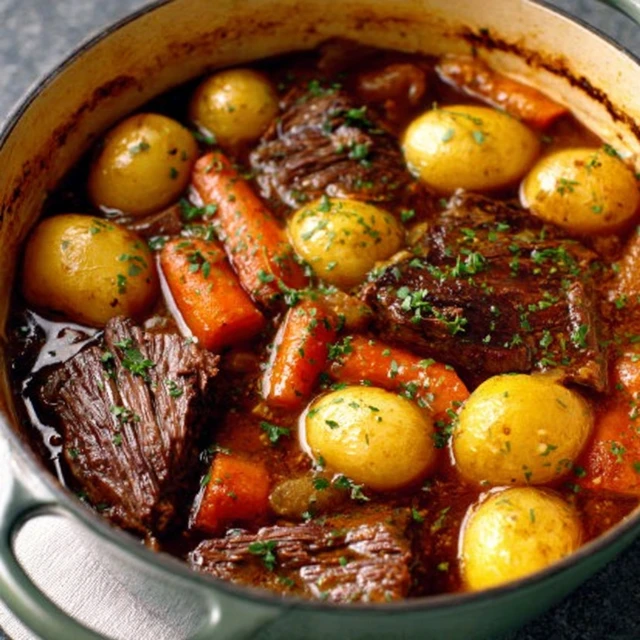
There is a quiet, unassuming power in a pot of chickpea vegetable curry that has nothing to do with spice levels. It’s the power of transformation, turning a humble collection of pantry staples and fridge-forgotten vegetables into something profoundly nourishing and complex. This is the dish that builds itself from the bottom up, layer by aromatic layer, in a single pan.
What emerges is a symphony of textures and deep, rounded flavors—creamy chickpeas, tender-crisp vegetables, all swirled in a rich, spiced tomato gravy. It’s a meal that feels both indulgent and virtuous, a cozy blanket of a dinner that also happens to be one of the most practical meal prep champions you’ll ever meet.
Why This Chickpea Vegetable Curry Works
- One-Pan Wonder: From sautéing aromatics to simmering the final curry, everything happens in one pot for maximum flavor and minimal cleanup.
- Meal Prep Perfection: The flavors meld and improve overnight, making it an ideal make-ahead lunch or dinner that’s ready when you are.
- Endlessly Adaptable: This recipe is a framework. Use what vegetables you have, adjust the heat to your liking, and make it uniquely yours every time.
Ingredients You Need
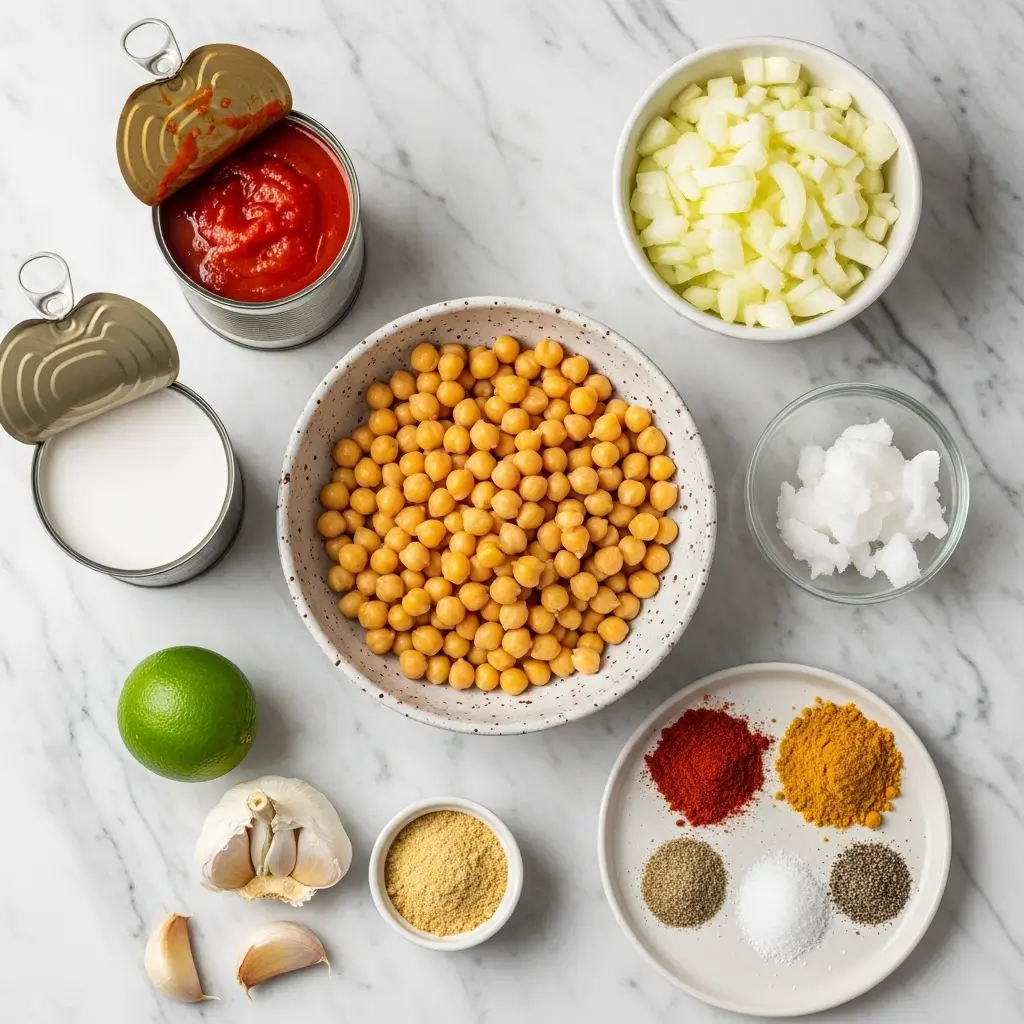
This recipe is built on a foundation of accessible ingredients. You likely have many of them already, and the rest are easy finds. The magic is in how we build them together.
- Avocado or Coconut Oil: (A neutral oil with a high smoke point for sautéing).
- Yellow Onion: (The sweet, foundational base of our flavor).
- Fresh Garlic & Ginger: (Non-negotiable for that essential aromatic punch).
- Tomato Paste: (Adds a concentrated depth and rich color to the sauce).
- Spices – Ground Cumin, Coriander, Turmeric, Garam Masala: (The heart of the curry. Toasting them unlocks their full, fragrant potential).
- Canned Chickpeas: (Rinsed and drained. They provide plant-based protein and a wonderfully creamy texture).
- Canned Diced Tomatoes: (Use fire-roasted for an extra smoky note, or regular for a brighter acidity).
- Vegetable Broth: (The liquid base for our simmering sauce).
- Chopped Vegetables: (A mix like cauliflower, bell peppers, carrots, and spinach offers color, texture, and nutrients).
- Full-Fat Coconut Milk: (Stirred in at the end for luxurious creaminess and to mellow the spices).
- Fresh Cilantro & Lemon Juice: (The essential finishing brighteners that lift the entire dish).
Pantry Alternatives
- No Fresh Ginger? Use 1 teaspoon of ground ginger added with the other dried spices.
- Out of Vegetable Broth? Water with an extra pinch of salt works in a pinch, or use a bouillon cube.
- Allergic to Coconut? Substitute with heavy cream for a non-vegan option, or a cashew cream for dairy-free richness.
- Not a Fan of Cilantro? Fresh parsley or a sprinkle of chopped green onions make a great garnish.
- Spice Level: Add a diced fresh chili with the onions for heat, or a pinch of cayenne with the spices.
Ways to Change It Up
Once you master the basic formula, the world is your curry bowl. Here are a few fun twists to keep things exciting.
For a Thai-inspired version, swap the spice blend for a couple of tablespoons of red or green curry paste. Use bamboo shoots and Thai basil as your vegetable and garnish.
Try a roasted vegetable curry by tossing your hard veggies (cauliflower, carrots, potatoes) in oil and spices and roasting them until caramelized before adding them to the simmering sauce.
Create a creamy spinach & paneer curry by stirring in a few handfuls of fresh spinach at the end and swapping the chickpeas for cubes of pan-fried paneer cheese.
For a lentil-chickpea hybrid, add ½ cup of red lentils with the broth. They’ll dissolve slightly and create an even thicker, heartier sauce.
Let’s Get Cooking
This process is all about building layers. Don’t rush the initial steps—they create the flavor foundation that makes this curry so good.
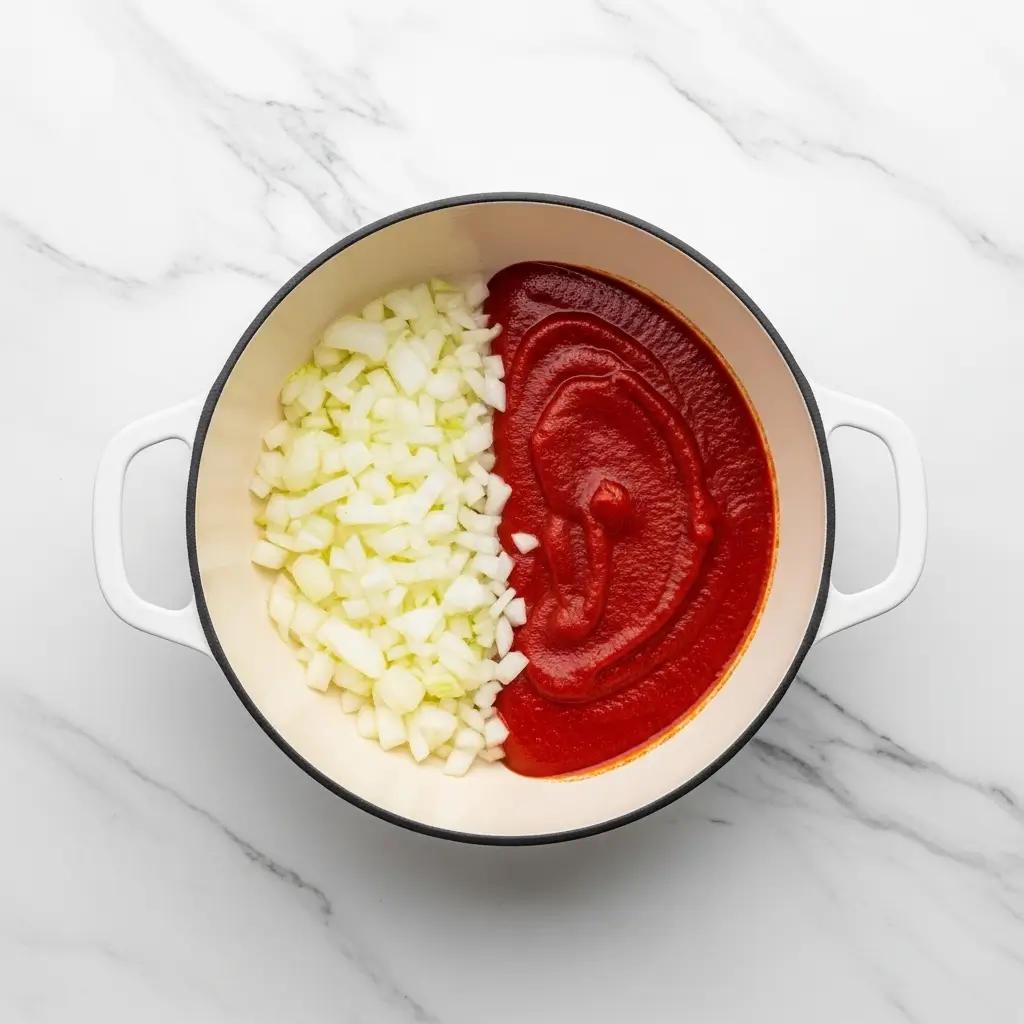
1. Build Your Aromatic Base
Heat the oil in a large, heavy-bottomed pot or Dutch oven over medium heat. Add the diced onion and cook, stirring occasionally, until it’s soft and translucent.
Stir in the minced garlic and ginger and cook for another minute, just until incredibly fragrant. This wakes up their flavors.
2. Toast the Spices
Push the onions to the side and add the tomato paste to the center of the pot. Let it cook and “fry” for about 30 seconds to sweeten it.
Now, add all your ground spices—cumin, coriander, turmeric, and garam masala—directly onto the tomato paste. Stir constantly for 60 seconds. You’ll smell the spices blooming.
3. Combine and Simmer
Add the drained chickpeas and your chopped hardy vegetables (like carrots, cauliflower, peppers) to the pot. Stir everything until the vegetables are coated in the spiced onion mixture.
Pour in the diced tomatoes and vegetable broth. Give it a good stir, scraping up any bits from the bottom of the pot. Bring to a lively simmer.
Reduce the heat to maintain a gentle bubble, cover the pot, and let it cook for 15-20 minutes, or until the vegetables are just tender.
4. Finish with Creaminess
Uncover the pot and stir in the coconut milk. Let the curry simmer uncovered for another 5-10 minutes. This allows the sauce to thicken slightly and the flavors to marry.
If using tender greens like spinach or kale, stir them in now until just wilted. Remove the pot from the heat.
5. The Essential Brighteners
This final step is crucial. Stir in a big squeeze of fresh lemon juice (or lime juice) and most of your chopped cilantro.
Taste the curry. This is your moment to adjust. Does it need more salt? A pinch of sugar to balance acidity? A dash more garam masala? Make it perfect for you.
Chef’s Tips
- Don’t Skip the Toast: Toasting the spices and tomato paste is non-negotiable. It cooks out any raw, bitter flavors and creates a deep, rounded base.
- Control Your Sauce: For a thicker curry, let it simmer uncovered a bit longer. For a soupier consistency, add a splash more broth or water.
- The Rest is Best: Let the curry sit for 10-15 minutes off the heat before serving. This allows the chickpeas and vegetables to fully absorb the sauce, making every bite more flavorful.
Best Sides
This curry is a fantastic centerpiece. Choosing the right side dish turns it into a complete and satisfying feast.
For the classic pairing, you can’t beat fluffy basmati rice or jasmine rice. Their mild flavor and light texture are the perfect canvas for the rich sauce.
If you want something a little more hands-on, warm naan bread or roti are ideal for scooping up every last bit. A dollop of cooling raita (yogurt sauce) or mango chutney on the side adds a wonderful contrast.
For a lighter, grain-free option, try serving it over cauliflower rice or with a simple side of cucumber-tomato salad dressed with lemon and mint.
This keeps beautifully in the fridge. Tried meal prepping it? Tell us how it went!

Why is this chickpea vegetable curry particularly good for meal prep?
The flavors meld and improve overnight, making it an ideal make-ahead lunch or dinner that’s ready when you are. It keeps beautifully in the fridge.
What is the most important step to build the flavor foundation for this curry?
Toasting the spices and tomato paste is non-negotiable. It cooks out any raw, bitter flavors and creates a deep, rounded base for the curry.
What are some easy pantry substitutions if I don’t have fresh ginger or coconut milk?
You can use 1 teaspoon of ground ginger added with the other dried spices. For coconut milk, substitute with heavy cream for a non-vegan option, or cashew cream for dairy-free richness.
How can I adjust the thickness of the curry sauce?
For a thicker curry, let it simmer uncovered a bit longer. For a soupier consistency, add a splash more broth or water.
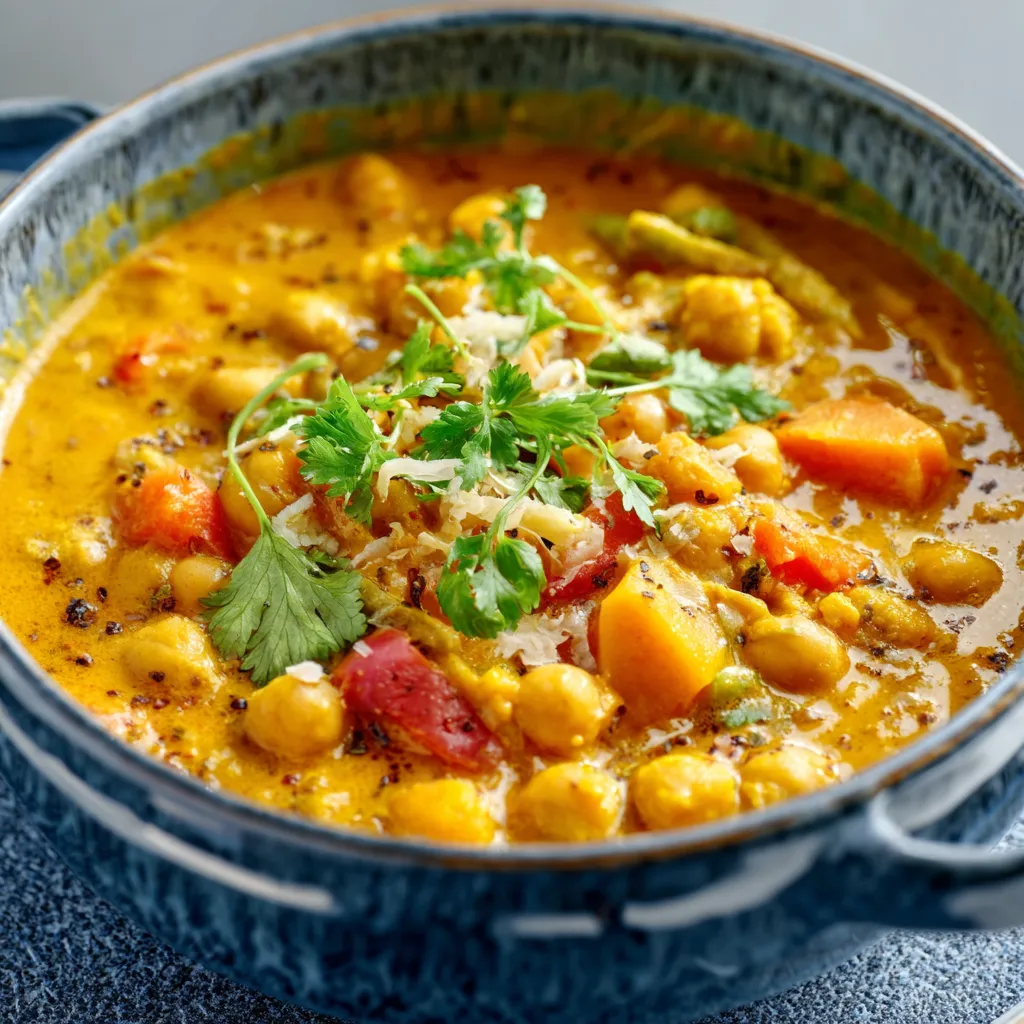
Easy Chickpea Vegetable Curry Meal Prep
Ingredients
Equipment
Method
- Heat oil in a large pot over medium heat. Add the diced onion and cook for 5-7 minutes until soft and translucent.
- Add the minced garlic and ginger and cook for 1 minute until fragrant.
- Push onions to the side. Add tomato paste to the center of the pot and let it cook for 30 seconds. Add cumin, coriander, turmeric, and garam masala to the tomato paste and stir constantly for 60 seconds to toast the spices.
- Add the drained chickpeas and chopped hardy vegetables (carrots, cauliflower, bell peppers). Stir to coat everything in the spice mixture.
- Pour in the diced tomatoes and vegetable broth. Stir well, scraping up any browned bits from the bottom of the pot. Bring to a lively simmer.
- Reduce heat to maintain a gentle bubble, cover the pot, and simmer for 15-20 minutes, or until the vegetables are just tender.
- Uncover the pot and stir in the coconut milk. Simmer uncovered for 5-10 minutes to allow the sauce to thicken slightly.
- Stir in the fresh spinach or kale and cook until just wilted, about 2 minutes. Remove the pot from the heat.
- Stir in the fresh lemon juice and most of the chopped cilantro. Taste and adjust seasoning with salt, pepper, or more garam masala as needed.
- Let the curry rest for 10-15 minutes before serving to allow flavors to meld. Serve over rice or with naan, garnished with remaining cilantro.