Sometimes the very best part of a dish is what’s tucked inside, and an egg roll is the perfect example. We all love that crispy, golden wrapper, but the real treasure is the savory, tender-crisp filling—a delightful jumble of seasoned meat and vegetables that sings with flavor. For years, I thought the only way to enjoy it was through the fuss of rolling and deep-frying, a task I saved for special occasions.
This recipe changes all of that, liberating the glorious filling from its wrapper and placing it right where it belongs: in a bowl, ready in minutes. It’s all the addictive, savory-sweet flavor and satisfying texture of a classic shrimp egg roll, transformed into a quick, wholesome meal you can make any night of the week. This is pure, unadulterated comfort, straight from the skillet to your table.
Why This Method Works
- High Heat, Quick Cook: We use a hot skillet to quickly sear the vegetables, keeping them tender-crisp instead of letting them get soggy. This mimics the texture of a freshly fried egg roll filling.
- Layering the Sauce: The sauce ingredients are added in stages. The soy sauce and aromatics go in first to build a savory base, while the sesame oil is added at the end to preserve its delicate, nutty aroma.
- The Coleslaw Shortcut: Using a pre-shredded coleslaw mix is my secret for perfect texture and zero fuss. It provides the ideal ratio of cabbage and carrots without any extra chopping.
What You’ll Need

- Olive Oil: For sautéing our aromatics and vegetables.
- Raw Shrimp: (Peeled and deveined, tails off). Using raw shrimp allows them to cook perfectly in the skillet, absorbing all the sauce and staying tender.
- Yellow Onion & Garlic: The foundational aromatics that build the first layer of deep, savory flavor.
- Coleslaw Mix: (One 14-ounce bag). This is the ultimate time-saver, providing the perfect blend of shredded cabbage and carrots. It’s the backbone of our “filling.”
- Fresh Ginger: (Use freshly grated, not powdered). It provides a warm, zesty spice that powdered ginger simply cannot replicate.
- Low-Sodium Soy Sauce: (Or tamari for a gluten-free option). This gives us that essential salty, umami flavor. Using low-sodium gives you more control over the final saltiness.
- Rice Vinegar: Adds a bright, tangy note that cuts through the richness and balances the sauce.
- Toasted Sesame Oil: (Added at the very end). This is a finishing oil, not a cooking oil. Its nutty, fragrant aroma is delicate and would burn off if added too early.
- Green Onions & Sesame Seeds: For a fresh, crunchy garnish that adds color and texture.
Simple Swaps
- Protein: If shrimp isn’t your favorite, this works beautifully with ground pork, chicken, or turkey. Just be sure to cook it through before adding the vegetables.
- Vegetables: Feel free to add other finely shredded vegetables like mushrooms, water chestnuts for a nice crunch, or bean sprouts.
- Soy-Free: For a soy-free version, coconut aminos are a wonderful substitute for soy sauce. You may need to add a pinch more salt to compensate.
- Vinegar: No rice vinegar? A splash of apple cider vinegar or white wine vinegar can work in a pinch, though the flavor will be slightly different.
Make It Your Own
Once you have the basic method down, this recipe is a wonderful canvas for your own creativity. It’s forgiving and welcomes a few thoughtful additions.For a spicy kick, add a teaspoon of sriracha or a pinch of red pepper flakes along with the garlic and ginger. This little bit of heat complements the sweet and savory notes perfectly.
To make it a more substantial meal, you can serve it over a bed of fluffy white or brown rice, or even quinoa. The grains will soak up any extra sauce beautifully. This technique is similar to how we serve our popular Unstuffed Cabbage Rolls.
For extra crunch and flavor, top the finished bowl with a handful of crispy chow mein noodles or crushed peanuts right before serving.
Step-by-Step Instructions

1. Cook the Shrimp
In a large skillet or wok, heat the olive oil over medium-high heat. Add the shrimp in a single layer and cook for about 1-2 minutes per side, just until they turn pink and opaque. Don’t overcrowd the pan; cook in batches if you must. Once cooked, remove the shrimp from the skillet and set them aside on a plate.2. Sauté the Aromatics and Cabbage
To the same skillet, add the chopped onion and cook for 2-3 minutes until it begins to soften. Add the minced garlic and grated ginger, stirring constantly for about 30 seconds until fragrant. Be careful not to let the garlic burn! Immediately add the entire bag of coleslaw mix to the skillet.3. Wilt the Cabbage and Build the Sauce
Toss the coleslaw mix continuously with tongs, allowing it to cook and wilt down for about 3-4 minutes. You want it to be tender but still have a slight crispness to it. Pour in the soy sauce and rice vinegar, and continue to toss everything together until the cabbage is evenly coated and has absorbed the flavors.4. Combine and Finish
Return the cooked shrimp to the skillet. Stir everything together to combine and allow the shrimp to heat through for about one minute. Turn off the heat completely. Now, drizzle the toasted sesame oil over the top and give it one final toss. This last-minute addition keeps its flavor bright and nutty. It’s a technique I also use in my Steak And Shrimp Stir-fry to make the flavors pop.Notes from My Kitchen
Over the years, I’ve learned a few things that ensure this dish comes out perfectly every single time. A little care goes a long way.- Don’t Overcook the Shrimp: The biggest mistake is rubbery shrimp. They cook in just a few minutes. The moment they turn pink, take them out of the pan. They will finish heating through when you add them back at the end.
- High Heat is Your Friend: A hot skillet is essential for getting that tender-crisp texture on the cabbage. If the heat is too low, the vegetables will steam and release too much water, resulting in a soggy bowl.
- Prep Everything First: I cannot stress this enough. Once you start cooking, things move very quickly. Have your garlic minced, ginger grated, and sauces measured before you even think about turning on the stove. This is true for any quick-cooking meal, from these bowls to Asian Chicken Lettuce Wraps.
- Drain Your Coleslaw Mix: Sometimes bagged coleslaw can have a bit of excess moisture. If it looks damp, give it a quick pat with a paper towel before adding it to the skillet to prevent a watery result.
Perfect Pairings
This dish is a complete meal on its own, but it also plays very well with others. For a simple and satisfying dinner, I love to serve it just as it is, garnished with plenty of green onions and sesame seeds.If you’re looking to stretch the meal or add some heartiness, serving it over steamed jasmine rice or cauliflower rice is a wonderful choice. The rice soaks up the delicious sauce perfectly.
For those who love fresh, vibrant meals, you might also enjoy my Deconstructed Spring Roll Salad or even some classic Fresh Vegetable Spring Rolls on the side. The concept of “deconstructed” meals is so freeing in the kitchen, much like my popular Deconstructed Potsticker Noodle Bowl.
Know someone who loves Deconstructed Shrimp Egg Roll in a Bowl? Share this recipe with them
Can I use a different protein instead of shrimp in this recipe?
Yes, this recipe is very versatile. You can easily substitute the shrimp with ground pork, chicken, or turkey. Just be sure to cook the meat through completely before adding the vegetables.
What is the key to preventing the vegetables from getting soggy?
The secret is to use high heat. A hot skillet quickly sears the vegetables, like the coleslaw mix, keeping them tender-crisp rather than allowing them to steam and release too much water. Also, patting any excess moisture from the coleslaw mix before cooking helps.
Why is the toasted sesame oil added at the very end of the recipe?
Toasted sesame oil is a finishing oil, not a cooking oil. Its delicate, nutty aroma is sensitive to heat and would burn off if added too early. Drizzling it on at the end, after the heat is off, preserves its fragrant flavor.
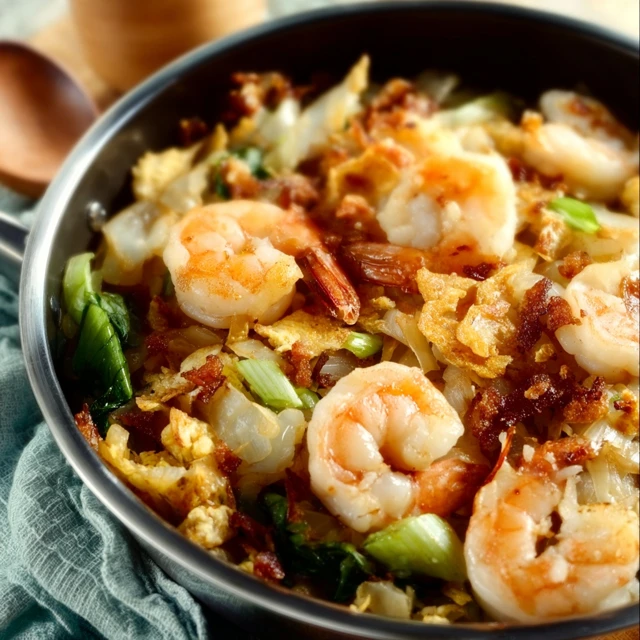
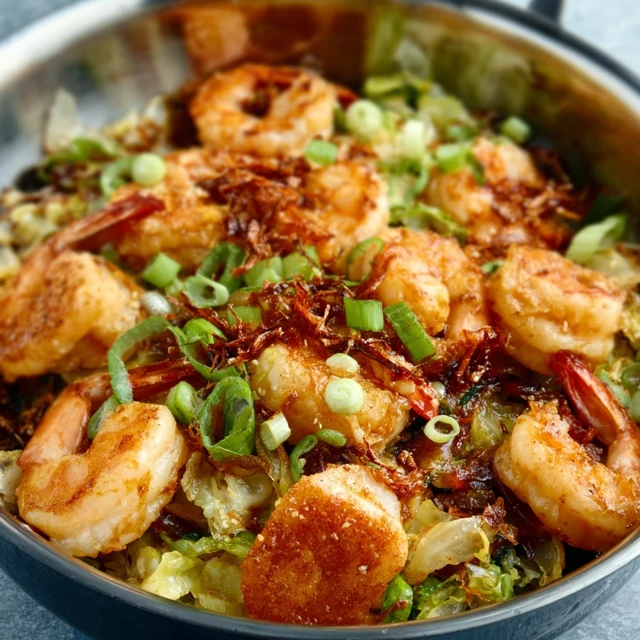
Deconstructed Shrimp Egg Roll in a Bowl
Ingredients
Equipment
Method
- Heat the olive oil in a large skillet or wok over medium-high heat. Add the shrimp in a single layer and cook for 1-2 minutes per side, just until pink and opaque. Remove the shrimp from the skillet and set aside on a plate.
- To the same skillet, add the chopped onion and cook for 2-3 minutes until it begins to soften. Add the minced garlic and grated ginger, stirring constantly for about 30 seconds until fragrant.
- Immediately add the entire bag of coleslaw mix to the skillet. Toss continuously with tongs, allowing it to cook and wilt for 3-4 minutes until tender-crisp.
- Pour in the soy sauce and rice vinegar, and continue to toss everything together until the cabbage is evenly coated and has absorbed the flavors.
- Return the cooked shrimp to the skillet. Stir everything together to combine and allow the shrimp to heat through for about one minute.
- Turn off the heat completely. Drizzle the toasted sesame oil over the top, give it one final toss, and serve immediately garnished with sliced green onions and sesame seeds.