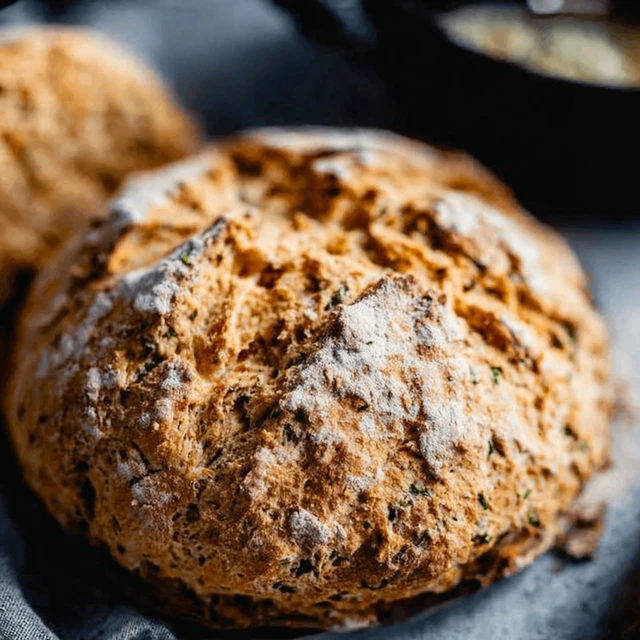
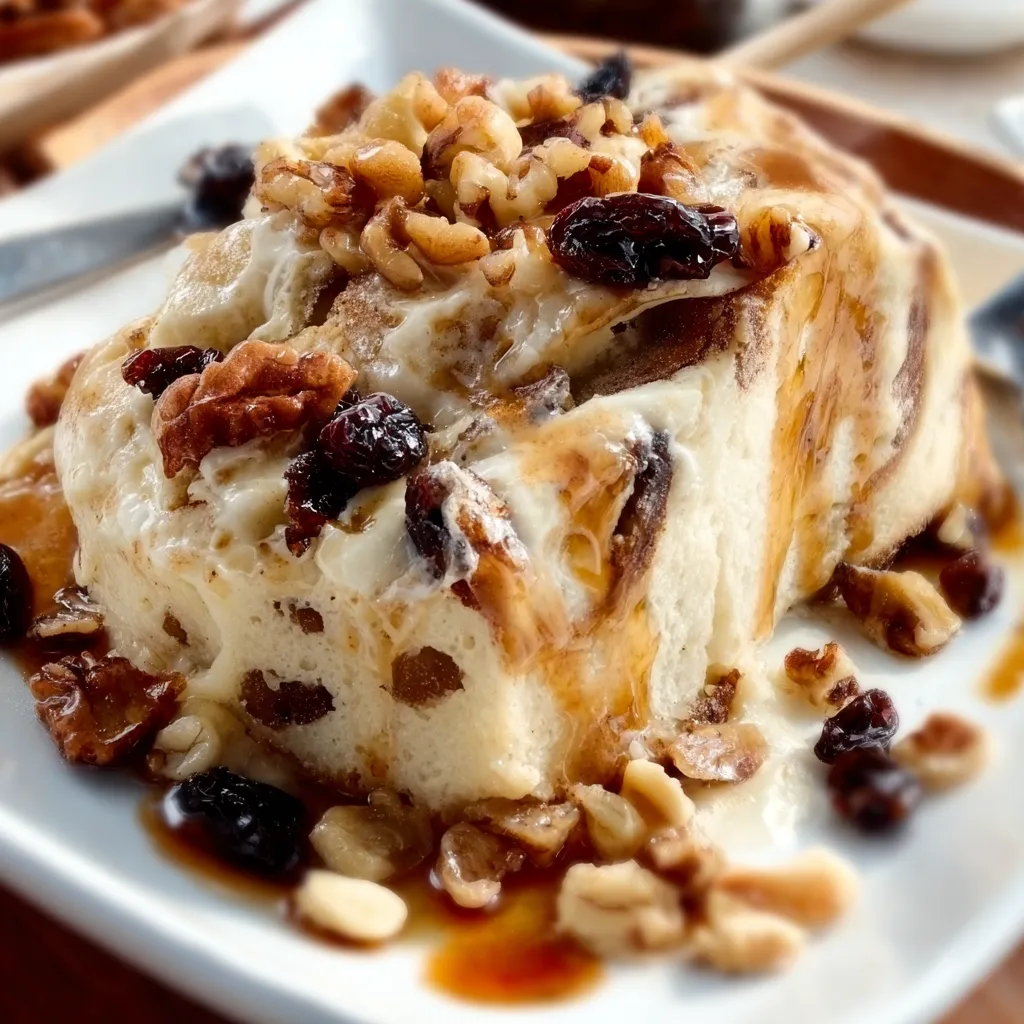
The first time I tasted capirotada de leche, I realized everything I knew about bread pudding was a polite suggestion. This is not the dense, custardy dessert of other traditions, nor is it the more austere, syrup-soaked Lenten version familiar to many. This is something else entirely—a cloud of sweet, milky comfort where bread becomes a tender, almost ethereal vehicle for cinnamon and caramel.
What you’re about to make is a revelation in simplicity. It’s a dessert that feels both decadent and light, complex in flavor but astonishingly easy to execute. The result is a warm, creamy, soul-soothing pudding that promises to become a new favorite, a secret weapon for when you need a hug in a bowl.
Why This Recipe Works
- Bold Reason 1 (Texture/Flavor): The combination of evaporated and condensed milk creates a uniquely rich yet fluid sauce that soaks into every crevice without becoming soggy.
- Bold Reason 2 (Technique): Toasting the bread cubes is non-negotiable. It provides the crucial structural integrity needed to absorb the creamy leche mixture while still maintaining a pleasing texture.
- Bold Reason 3 (Result): Baking in a water bath (baño María) ensures gentle, even cooking. This prevents curdling and yields a supremely creamy, unified pudding, not a dry or scrambled mess.
What Goes Into This Dish
The magic of this capirotada lies in its short, humble ingredient list. Each one plays a specific role, and using quality versions makes a noticeable difference in the final, comforting flavor.
You’ll need:
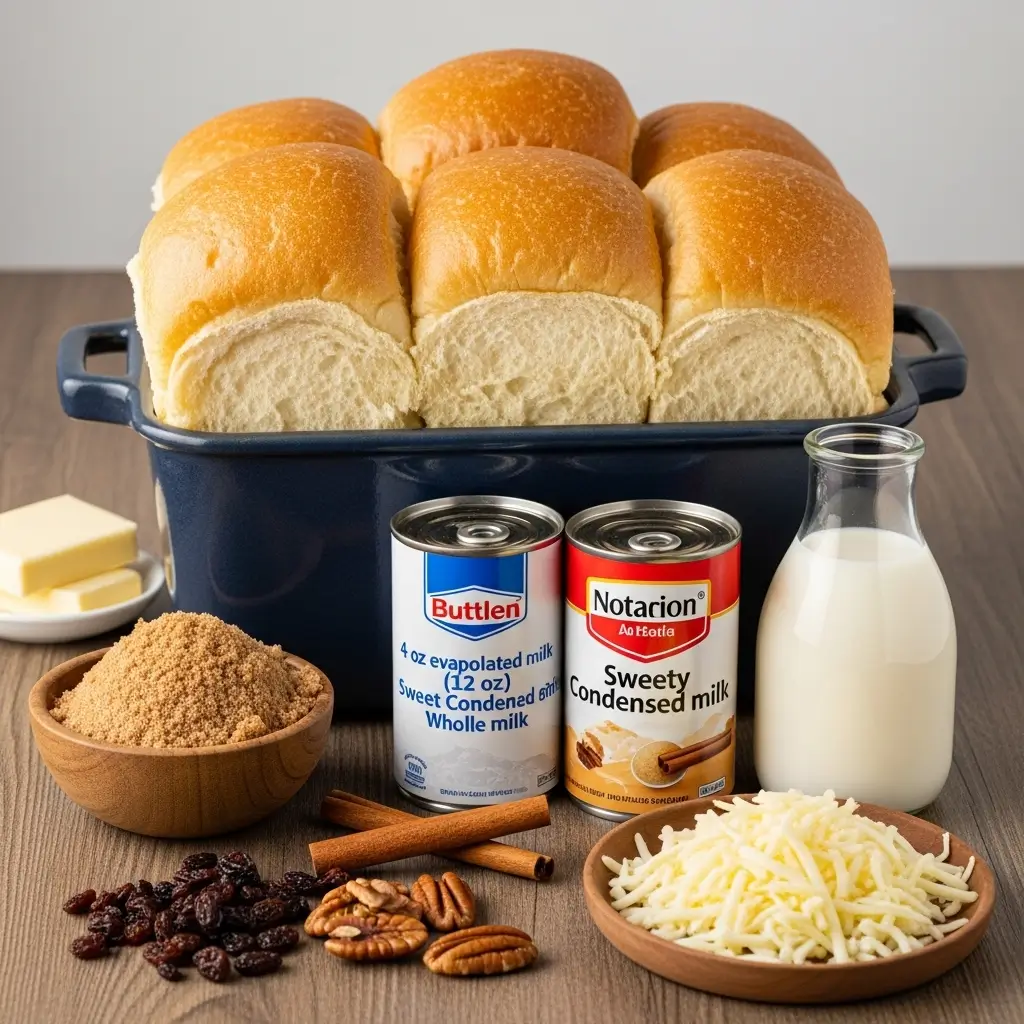
- Bolillo or Telera rolls (day-old): The foundation. Their slightly crisp crust and airy interior are perfect for soaking. Stale bread absorbs the milk mixture without disintegrating.
- Unsalted butter: For toasting the bread. It adds a layer of rich, toasty flavor that oil simply can’t provide.
- Piloncillo or dark brown sugar: This is the soul of the syrup. Piloncillo (unrefined cane sugar) offers deep molasses notes, but dark brown sugar is a fantastic, accessible substitute.
- Whole cinnamon sticks: Essential for infusing the syrup. Ground cinnamon can become gritty; sticks impart a cleaner, more aromatic flavor.
- Evaporated milk: The creamy body of the dish. It provides richness without the overwhelming heaviness of cream.
- Sweetened condensed milk: The sweet, sticky heart. It adds sweetness, creaminess, and that iconic flavor we all love.
- Whole milk: Used to balance and dilute the other milks to the perfect consistency for soaking.
- Vanilla extract: A warm flavor enhancer that complements the cinnamon beautifully.
- Raisins: For little bursts of chewy sweetness. They plump up beautifully during baking.
- Chopped pecans or walnuts: They offer a necessary textural contrast and a nutty richness that cuts the sweetness.
- Shredded Monterey Jack or mild cheddar cheese: This is the signature, surprising twist. It melts into salty, creamy ribbons that create an unforgettable sweet-and-salty harmony.
Pantry Substitutions
Don’t let a missing ingredient stop you. This recipe is wonderfully adaptable.
- No bolillos? Use a French baguette, brioche, or even slightly stale sandwich bread. Adjust toasting time as needed.
- Out of piloncillo? An equal amount of dark brown sugar is perfect. For a closer match, add a teaspoon of molasses to the syrup.
- Nut allergies? Simply omit them. Toasted pumpkin seeds (pepitas) can be a great crunchy alternative.
- Not a fan of raisins? Try dried cranberries, chopped dates, or even a handful of fresh apple chunks.
- Dairy-free? Use plant-based butter, and substitute the milks with full-fat coconut milk and a vegan condensed coconut milk.
Chef’s Twists
Once you master the classic, the canvas is yours to paint. Here are a few ways to make this recipe distinctly your own.
- Infuse the milk syrup with a strip of orange peel or a single star anise pod for a subtle citrusy or licorice note.
- Swap half the raisins for chopped, dried mission figs for a more sophisticated, honeyed sweetness.
- Use a mix of cheeses. Try a combination of sharp cheddar for punch and creamy Oaxaca cheese for stretch.
- For a decadent finish, drizzle the baked pudding with a shot of rum, brandy, or a spoonful of dulce de leche just before serving.
Step-by-Step Instructions
This process is more about assembly and gentle baking than difficult techniques. Set aside about 20 minutes for prep and an hour for baking. The result is absolutely worth the wait.
1. Prepare the Bread Base
Preheat your oven to 350°F (175°C). Cut the day-old bolillos into 1-inch cubes. Don’t worry about being perfect.
In a large skillet over medium heat, melt the butter. Add the bread cubes in batches and toast them, stirring frequently, until they are golden brown and crisp on the edges. This step is crucial for texture.
2. Create the Cinnamon Syrup
While the bread toasts, combine the piloncillo (or brown sugar), cinnamon sticks, and water in a saucepan. Bring it to a simmer over medium heat.
Stir frequently until the sugar is completely dissolved. Let it simmer gently for about 5-7 minutes until it thickens slightly into a fragrant syrup. Remove from heat and discard the cinnamon sticks.
3. Combine the Milky Mixture
In a large mixing bowl or a 4-cup measuring jug, whisk together the evaporated milk, sweetened condensed milk, whole milk, and vanilla extract.
Now, slowly pour the warm cinnamon syrup into the milk mixture while whisking constantly. This tempers the milks and prevents curdling.
4. Assemble the Pudding
Spread the toasted bread cubes evenly in a 9×13 inch baking dish. Scatter the raisins and chopped nuts over the bread.
Pour the warm milk and syrup mixture evenly over everything. Press down gently with a spatula to ensure all the bread gets submerged.
5. Add the Cheese & Prepare the Bath
Evenly sprinkle the shredded cheese over the top. Now, place the baking dish inside a larger roasting pan.
Carefully pour hot water into the roasting pan until it comes about halfway up the sides of the baking dish. This water bath is your secret to creamy perfection.
6. Bake to Creamy Perfection
Carefully transfer the nested pans to the preheated oven. Bake for 50-60 minutes.
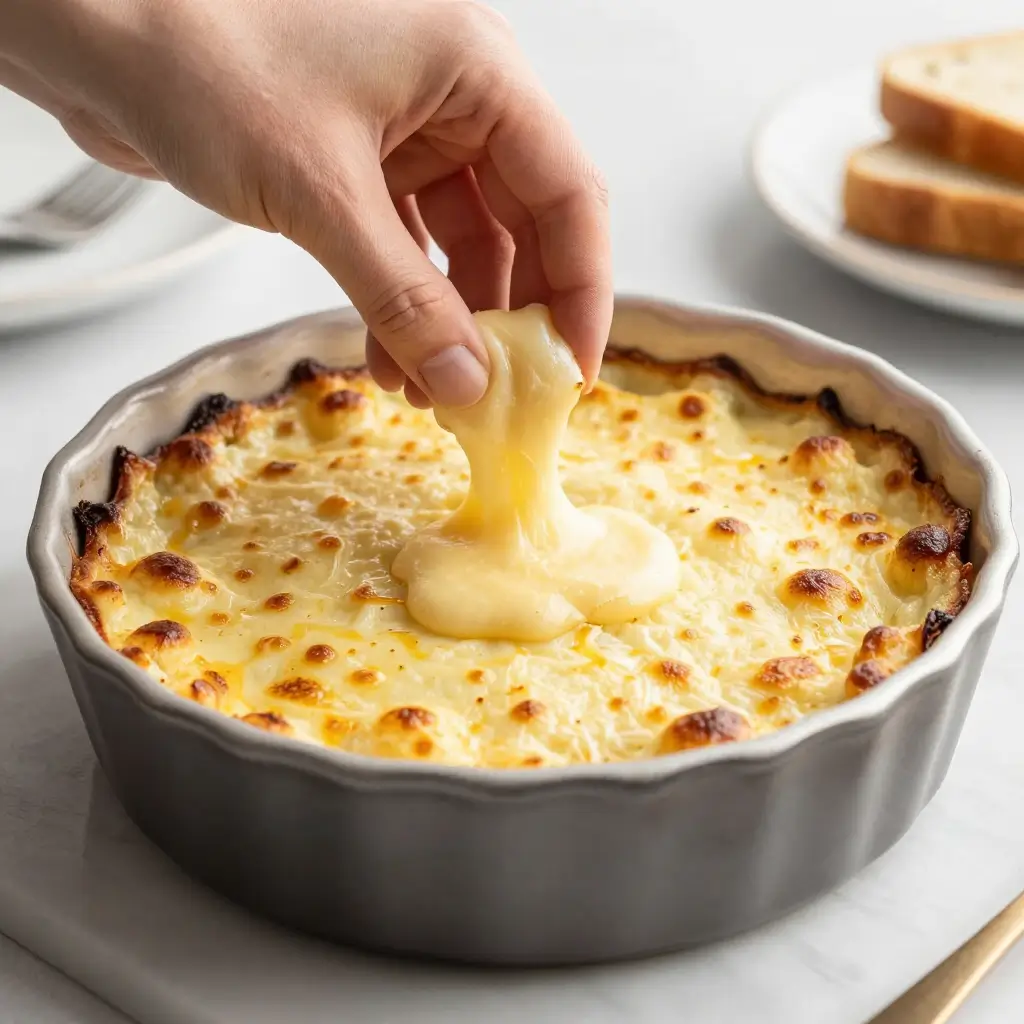
The pudding is done when the top is golden brown, the cheese is melted and bubbly, and the center is set but still has a slight jiggle.
7. Rest and Serve
Remove the baking dish from the water bath and place it on a wire rack. Let the capirotada rest for at least 20 minutes before serving.
This rest time allows the liquid to fully absorb and the flavors to meld beautifully. It will be gloriously creamy, not soupy.
Common Mistakes to Avoid
- Bold Warning 1: Skipping the bread toasting. Using soft bread will result in a mushy, porridge-like texture. The toast provides a necessary barrier for controlled soaking.
- Bold Warning 2: Pouring boiling syrup directly into cold milk. This can cause the milk proteins to seize and curdle. Always whisk while pouring to combine gently.
- Bold Warning 3: Skipping the water bath. Baking without it applies direct, harsh heat to the dairy, leading to a rubbery texture and potential separation. The gentle steam is essential.
- Bold Warning 4: Cutting in too soon. Serving it straight from the oven won’t allow it to set. Patience is key for the perfect creamy slice.
Perfect Pairings
This capirotada de leche is a star all on its own, served warm in a bowl. But a few simple accompaniments can elevate it into a truly special occasion dessert.
A scoop of vanilla ice cream melting over the top is a classic and glorious choice. For a contrast, a dollop of lightly sweetened whipped cream or a drizzle of cold crema fresca is divine.
For a beverage, a strong cup of black coffee or a glass of cold milk are perfect partners. It also makes a stunning finish to a festive brunch spread.
Thanks for stopping by! I hope this dish brings joy to your table.
What is the most important step for getting the right texture in Capirotada de Leche?
Toasting the bread cubes is non-negotiable. It provides crucial structural integrity so the bread absorbs the milk mixture without becoming a mushy, porridge-like texture.
Why is a water bath (baño María) necessary when baking this pudding?
Baking in a water bath ensures gentle, even cooking. This prevents the dairy from curdling or becoming rubbery, yielding a supremely creamy, unified pudding instead of a dry or scrambled mess.
What is the purpose of the cheese in this sweet dessert?
The shredded Monterey Jack or mild cheddar cheese melts into salty, creamy ribbons, creating an unforgettable sweet-and-salty harmony that is a signature, surprising twist in the dish.
Can I make this recipe if I don’t have bolillo rolls or piloncillo?
Yes. For the bread, use a French baguette, brioche, or stale sandwich bread. For piloncillo, substitute an equal amount of dark brown sugar; for a closer match, add a teaspoon of molasses to the syrup.
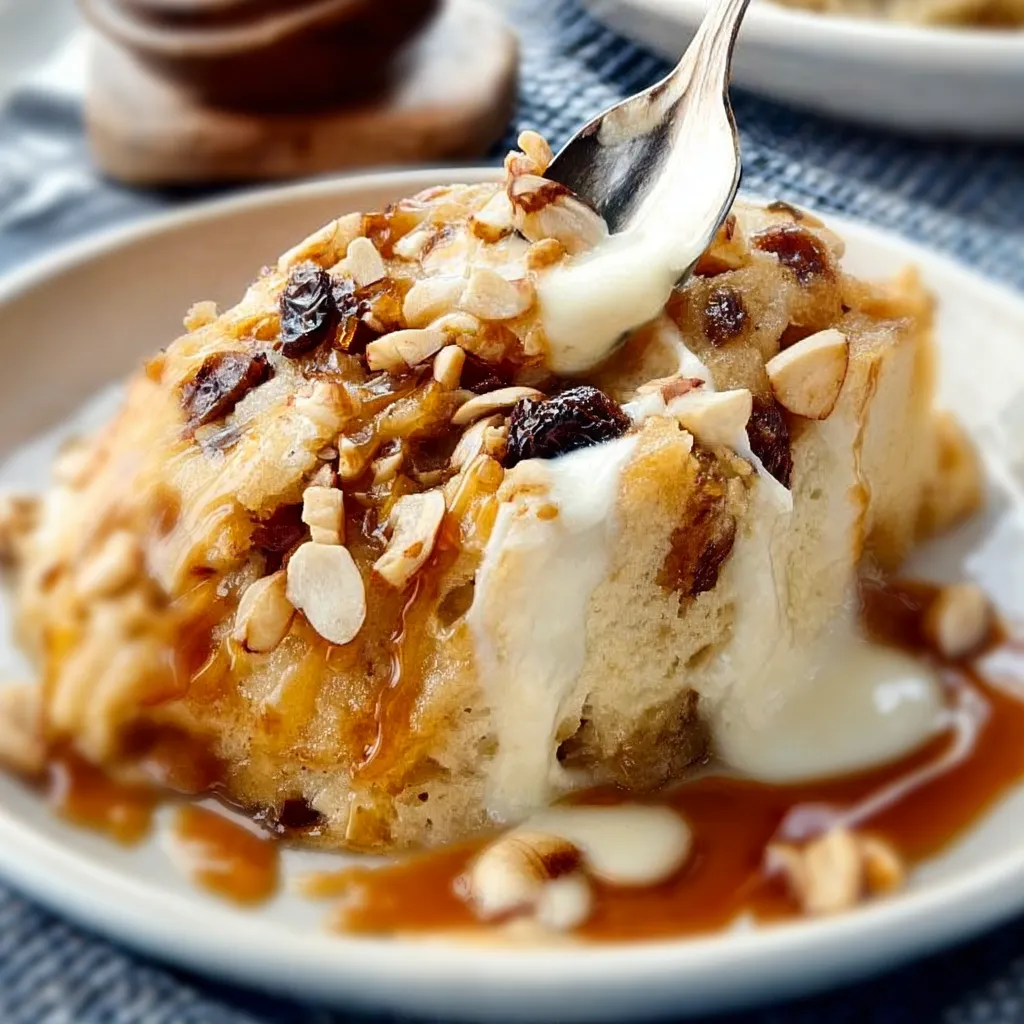
Creamy Capirotada de Leche (Mexican Bread Pudding)
Ingredients
Equipment
Method
- Preheat oven to 350°F (175°C).
- Melt butter in a large skillet over medium heat. Add bread cubes in batches and toast, stirring frequently, until golden brown and crisp on the edges. Transfer toasted bread to a 9×13 inch baking dish and spread evenly.
- While bread toasts, make the syrup: In a saucepan, combine piloncillo (or brown sugar), cinnamon sticks, and water. Bring to a simmer over medium heat, stirring until sugar dissolves. Simmer for 5-7 minutes until slightly thickened. Remove from heat and discard cinnamon sticks.
- In a large bowl, whisk together evaporated milk, sweetened condensed milk, whole milk, and vanilla extract.
- Slowly pour the warm cinnamon syrup into the milk mixture while whisking constantly to combine.
- Scatter raisins and chopped nuts evenly over the toasted bread in the baking dish.
- Pour the warm milk and syrup mixture evenly over the bread, raisins, and nuts. Press down gently with a spatula to ensure all bread is submerged.
- Sprinkle the shredded cheese evenly over the top.
- Place the baking dish inside a larger roasting pan. Carefully pour hot water into the roasting pan until it comes about halfway up the sides of the baking dish to create a water bath.
- Carefully transfer the nested pans to the preheated oven. Bake for 50-60 minutes, until the top is golden brown, the cheese is bubbly, and the center is set but has a slight jiggle.
- Remove the baking dish from the water bath and place it on a wire rack. Let the pudding rest for at least 20 minutes before serving warm.