Unveiling the Burger-Steak Secret: The Science Behind the Switch
The traditional Philly cheesesteak relies on thinly sliced ribeye steak for its characteristic tender texture and rich flavor. So, what happens when we swap in ground beef? The key lies in understanding the protein structure and fat content. Ribeye boasts intramuscular fat, which renders during cooking, creating moisture and flavor. Ground beef, depending on its lean-to-fat ratio, can lack this crucial element. Lean ground beef can become dry and crumbly. Therefore, the challenge is to mimic the succulence of ribeye. This involves selecting ground beef with a higher fat content (at least 80/20) and employing techniques to prevent moisture loss, such as searing quickly and avoiding overcooking. Moreover, caramelizing the onions and peppers is crucial. The Maillard reaction, a chemical reaction between amino acids and reducing sugars that gives browned food its distinctive flavor, is vital for building depth of flavor that compensates for the absence of ribeye’s inherent richness. Finally, the choice of cheese matters. Provolone, American, or even a cheese sauce can all work, but consider their melting properties. A good melt ensures the cheese binds all the ingredients together, creating that signature cheesesteak experience.The Ground Beef Philly Cheesesteak Recipe: A Detailed Guide
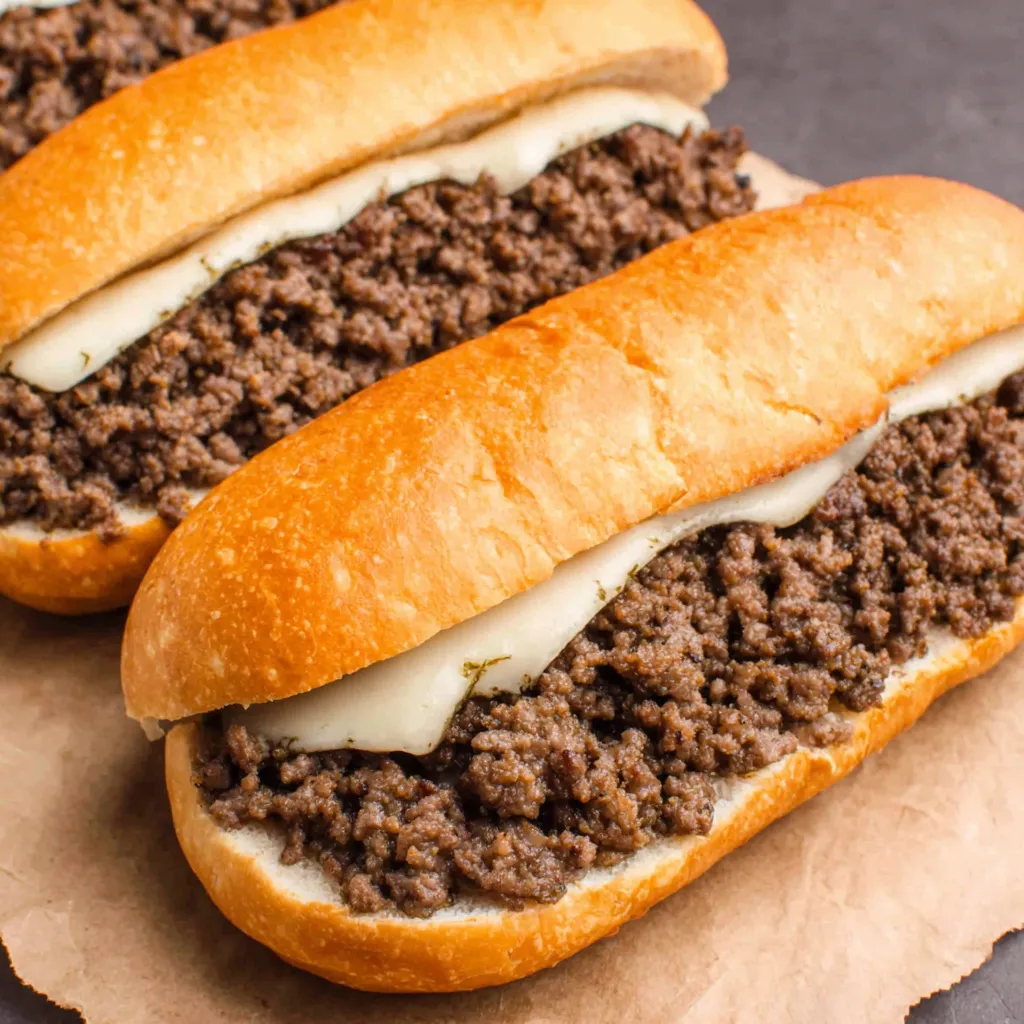 Here’s a recipe that I’ve honed through numerous iterations to deliver a satisfying and flavorful ground beef Philly cheesesteak.
Ingredients:
- 1 pound ground beef (80/20 blend recommended)
- 1 large onion, thinly sliced
- 1 bell pepper (green or red), thinly sliced
- 4 hoagie rolls
- 4 slices provolone cheese (or cheese of your choice)
- 2 tablespoons olive oil
- 1 teaspoon garlic powder
- 1/2 teaspoon onion powder
- 1/4 teaspoon smoked paprika
- Salt and pepper to taste
Instructions:
1. Prepare the Vegetables: Heat 1 tablespoon of olive oil in a large skillet over medium-high heat. Add the sliced onions and bell peppers. Cook, stirring occasionally, until softened and caramelized, about 10-15 minutes. Season with salt and pepper. Remove from the skillet and set aside. 2. Cook the Ground Beef: Add the remaining 1 tablespoon of olive oil to the skillet. Add the ground beef and break it up with a spatula. Season with garlic powder, onion powder, smoked paprika, salt, and pepper. Cook, stirring occasionally, until the beef is browned and cooked through, about 8-10 minutes. Drain any excess grease. 3. Combine and Melt: Return the caramelized onions and peppers to the skillet with the ground beef. Stir to combine. 4. Assemble the Cheesesteaks: Divide the ground beef mixture evenly among the hoagie rolls. Top each with a slice of provolone cheese. 5. Melt the Cheese: Place the assembled cheesesteaks on a baking sheet and broil in the oven for 1-2 minutes, or until the cheese is melted and bubbly. Alternatively, you can cover the skillet with a lid and let the residual heat melt the cheese. 6. Serve Immediately: Serve hot and enjoy! You might also enjoy these Philly Cheesesteak Pasta or maybe some Philly Cheesesteak Rolls.From Culinary Catastrophe to Cheesesteak Champion: My Ground Beef Journey
My quest for the perfect ground beef Philly cheesesteak wasn’t a straightforward path. Like many of you, I initially thought it would be a simple substitution. Boy, was I wrong!The Dry and Dismal Days
My first few attempts were a disaster. I used lean ground beef, thinking I was being healthy. The result? Dry, crumbly, and utterly lacking the juicy richness of a proper cheesesteak. The onions were barely cooked, the peppers were still crunchy, and the cheese just sat on top like a sad, lonely blanket. It was a flavorless wasteland. I even tried adding water to the beef while cooking, which only made it worse – a watery, flavorless wasteland.The Fat Revelation
Then, I had an “Aha!” moment. I remembered the importance of fat in rendering flavor and moisture. I switched to an 80/20 blend of ground beef. The difference was night and day. The beef was noticeably juicier, and the flavor was significantly improved.Caramelization is King
But the texture was still off. It lacked the melt-in-your-mouth tenderness of sliced ribeye. That’s when I focused on the onions and peppers. I realized I wasn’t caramelizing them enough. I started cooking them longer, until they were deeply browned and sweet. This added a layer of complexity and depth that compensated for the lack of ribeye’s inherent richness.The Cheese Conundrum
Finally, the cheese. I experimented with different types – American, provolone, even cheese sauce. Provolone proved to be the winner, offering a good balance of flavor and meltability. Broiling the assembled cheesesteaks at the end was the final touch, ensuring the cheese was perfectly melted and bubbly. These Philly Cheesesteak Tortellini Pasta Crockpot are amazing but they are a whole different experience.The Ultimate Ground Beef Philly Cheesesteak Technique: A Foolproof Method
After countless trials and errors, here’s the foolproof method I’ve developed for crafting the perfect ground beef Philly cheesesteak:- Choose the Right Ground Beef: Opt for an 80/20 blend of ground beef to ensure sufficient fat content for flavor and moisture.
- Caramelize the Vegetables: Don’t skimp on the onions and peppers. Cook them low and slow until they are deeply browned and sweet. This adds a crucial layer of flavor complexity.
- Season Generously: Ground beef benefits from bold seasonings. Garlic powder, onion powder, and smoked paprika are your friends. Don’t be afraid to experiment!
- Don’t Overcook the Beef: Cook the ground beef until it’s browned but still slightly moist. Overcooking will result in a dry and crumbly texture.
- Melt the Cheese Properly: Broiling the assembled cheesesteaks or covering the skillet allows the cheese to melt evenly and bind all the ingredients together.
- Use Quality Rolls: A good hoagie roll is essential. It should be sturdy enough to hold the filling without falling apart, but also soft and slightly chewy.
Why is it important to use ground beef with a higher fat content when making a ground beef Philly cheesesteak?
Using ground beef with a higher fat content, like an 80/20 blend, is crucial because the fat renders during cooking, adding moisture and flavor. Lean ground beef can become dry and crumbly, lacking the succulence of a traditional ribeye cheesesteak.
What is the purpose of caramelizing the onions and peppers in this recipe?
Caramelizing the onions and peppers is important because it adds a layer of complexity and depth to the flavor, compensating for the absence of ribeye’s inherent richness. The Maillard reaction during caramelization creates a distinctive browned flavor.
What is the best way to melt the cheese on the ground beef Philly cheesesteaks?
The cheese can be melted by broiling the assembled cheesesteaks on a baking sheet for 1-2 minutes, or by covering the skillet with a lid and allowing the residual heat to melt the cheese. Both methods ensure the cheese melts evenly and binds all the ingredients together.
What type of hoagie roll is recommended for this recipe?
A good hoagie roll is essential. It should be sturdy enough to hold the filling without falling apart, but also soft and slightly chewy.
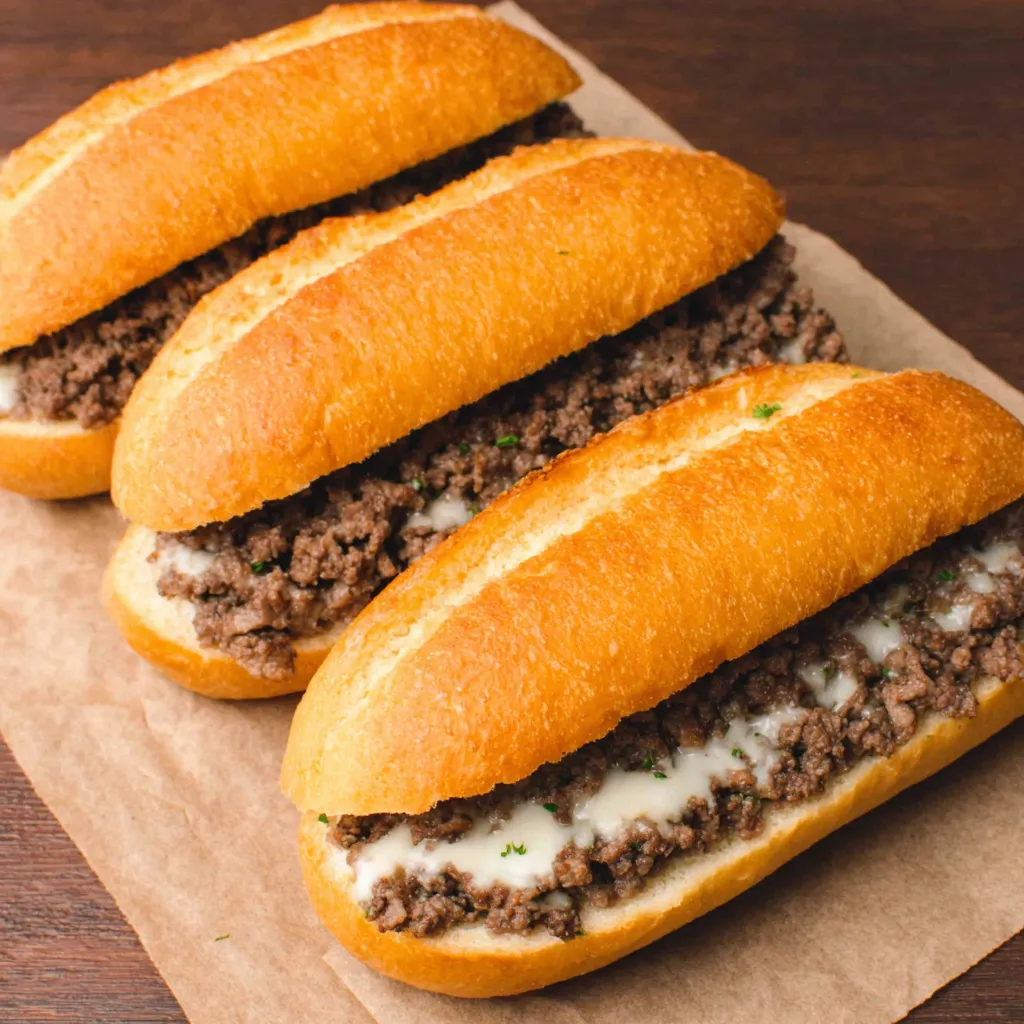
Easy Ground Beef Philly Cheesesteaks
Ingredients
Equipment
Method
- Heat 1 tablespoon of olive oil in a large skillet over medium-high heat.
- Add the sliced onions and bell peppers to the skillet.
- Cook, stirring occasionally, until softened and caramelized, about 10-15 minutes. Season with salt and pepper. Remove from the skillet and set aside.
- Add the remaining 1 tablespoon of olive oil to the skillet.
- Add the ground beef and break it up with a spatula.
- Season with garlic powder, onion powder, smoked paprika, salt, and pepper.
- Cook, stirring occasionally, until the beef is browned and cooked through, about 8-10 minutes. Drain any excess grease.
- Return the caramelized onions and peppers to the skillet with the ground beef. Stir to combine.
- Divide the ground beef mixture evenly among the hoagie rolls.
- Top each roll with a slice of provolone cheese.
- Place the assembled cheesesteaks on a baking sheet and broil in the oven for 1-2 minutes, or until the cheese is melted and bubbly. Alternatively, cover the skillet with a lid and let the residual heat melt the cheese.
- Serve hot immediately.