Real chicken noodle soup isn’t just about dumping ingredients into a pot; it’s a gentle art of layering flavors until they sing in perfect, soul-soothing harmony. This recipe bypasses the bland, watery broths and mushy noodles of your past by focusing on a few key techniques that build a foundation of deep, savory flavor from the very beginning. It’s the kind of soup that feels both nostalgic and profoundly gourmet, all at once.
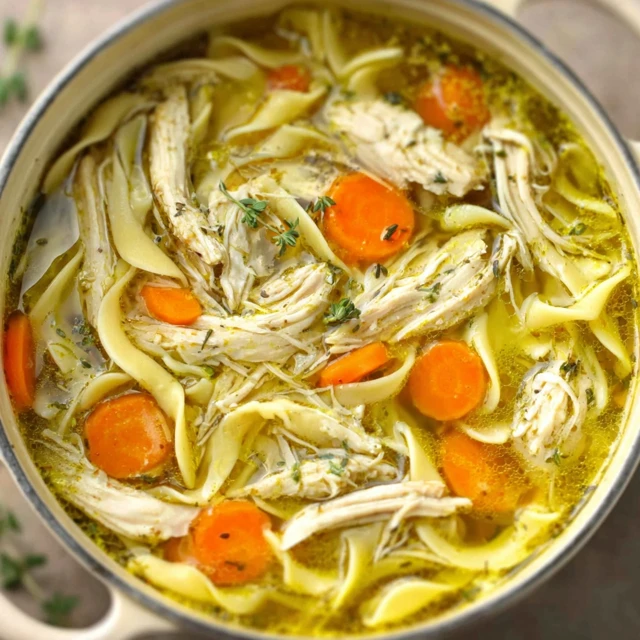
What you’re about to create is a bowl of pure, liquid gold. Imagine a crystal-clear, shimmering broth that tastes intensely of chicken, sweet vegetables, and fragrant herbs. Nestled within are tender, juicy shreds of chicken, perfectly al dente egg noodles that hold their bite, and vibrant jewels of carrot and celery. This isn’t just soup; it’s a hug you can eat, a restorative meal that tastes like it simmered for a full day but comes together in under an hour.
What Makes This The Best
- Flavor Layering: We don’t just boil everything together. We start by sautéing the vegetables to build a sweet, aromatic base and poach the chicken directly in the broth, ensuring every drop is infused with rich flavor.
- The Noodle Technique: The single most important step is cooking the noodles separately. This guarantees they are perfectly cooked and prevents them from turning mushy or absorbing all that precious, beautiful broth.
- A Bright Finish: A secret squeeze of fresh lemon juice at the very end awakens all the flavors. It doesn’t make the soup taste like lemon; it just makes it taste more vibrant and delicious.
The Quick Answer: This classic homemade Chicken Noodle Soup simmers tender chicken breast in a golden, fragrant mirepoix broth infused with garlic, carrots, celery, fresh dill, and curly egg noodles. Fresh lemon juice squeezed in at the end brightens the rich broth, delivering true homemade comfort in under an hour.
The Building Blocks
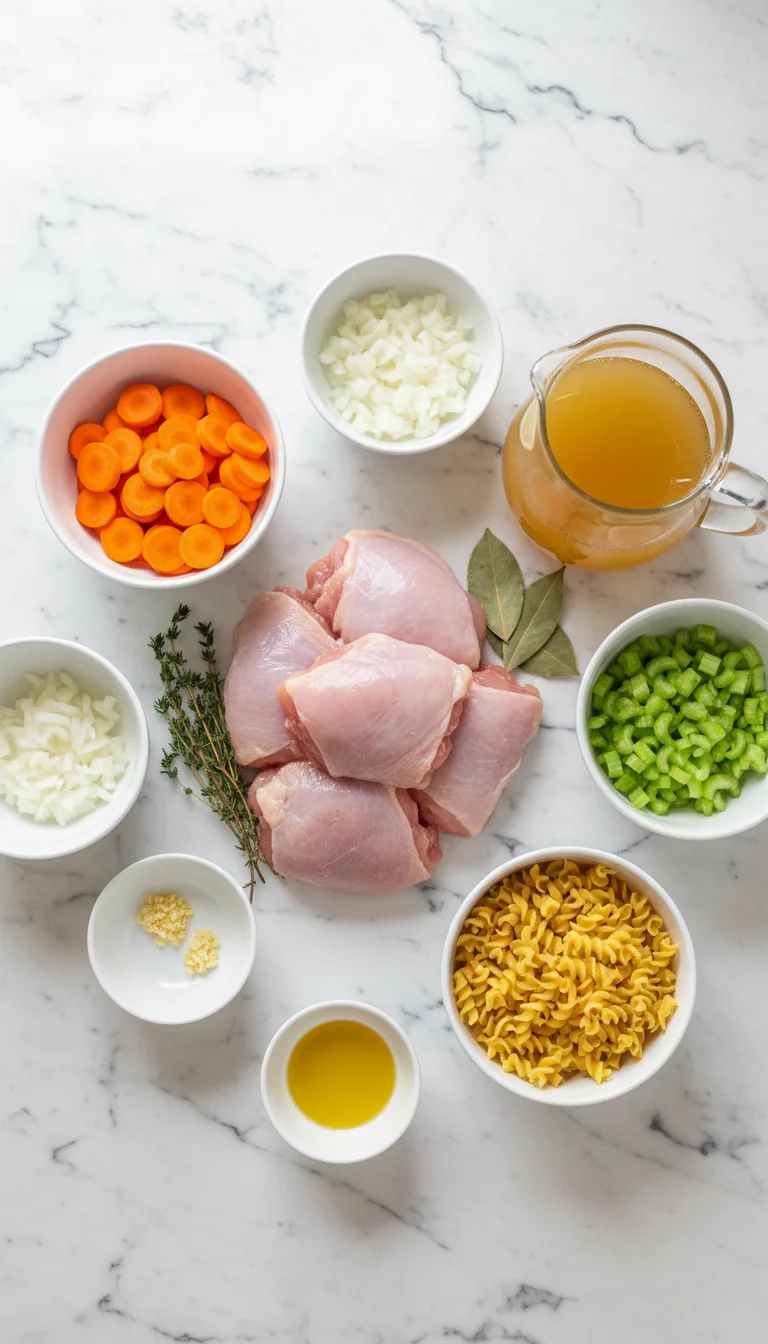
- Olive Oil & Butter: A combination for sautéing. The oil prevents the butter from burning while the butter adds incredible flavor.
- Yellow Onion, Carrots, and Celery (Mirepoix): The holy trinity of soup. This trio creates the fundamental aromatic and sweet base for the entire dish.
- Garlic: Use freshly minced garlic for the best, most pungent flavor that mellows beautifully into the broth.
- Low-Sodium Chicken Broth: (*Crucial for control*) Using low-sodium allows you to season the soup perfectly to your own taste without it becoming a salt bomb.
- Boneless, Skinless Chicken Thighs: (*The key to juicy chicken*) Thighs are more flavorful and forgiving than breasts, staying incredibly tender and moist even after simmering.
- Bay Leaves & Fresh Thyme Sprigs: These aromatics add a subtle, earthy depth that you can’t quite place but would absolutely miss if it were gone.
- Wide Egg Noodles: The classic choice for their wonderful, chewy texture and ability to cradle the broth.
- Fresh Parsley: Stirred in at the end for a burst of fresh, bright, herbaceous flavor.
- Fresh Lemon Juice: (*The secret weapon*) A tiny squeeze at the end brightens and elevates every single flavor in the pot.
- Salt and Black Pepper: To taste. Be generous and season at every stage!
Smart Ingredient Substitutions
Customize your noodles, chicken, and herbs to your taste:
| Original Ingredient | Best Quick Substitute | Flavor & Texture Impact |
|---|---|---|
| Wide Egg Noodles | Ditalini, Orzo, or Gluten-Free Rice Noodles | Ditalini pasta holds its al dente chew; cook rice noodles separately to keep broth crystal clear. |
| Chicken Breasts | Boneless chicken thighs or shredded rotisserie chicken | Thighs yield richer collagen broth; rotisserie chicken drops total cook time to just 25 minutes. |
| Fresh Dill & Parsley | Dried Italian herb blend + fresh rosemary sprig | Creates a more rustic, earthy aroma profile reminiscent of classic countryside soup. |
| Butter & Olive Oil | Rendered chicken fat (schmaltz) or ghee | Gives the shimmering broth surface deep, authentic old-world Jewish deli chicken soup flavor. |
Swaps & Alternatives
Don’t have everything on hand? No problem. This soup is wonderfully adaptable.- For the Chicken: If you’re short on time, a store-bought rotisserie chicken is a fantastic shortcut. Just shred the meat and add it to the soup at the end to heat through. You can also use boneless, skinless chicken breasts, but be careful not to overcook them.
- For the Noodles: Feel free to use any pasta you love. Orzo, ditalini, rotini, or even broken spaghetti work well. For a gluten-free option, use your favorite gluten-free pasta or even rice. A similar lemon-and-orzo combination shines in our Creamy Lemon Chicken Orzo Soup.
- For the Herbs: If you don’t have fresh thyme, you can use 1 teaspoon of dried thyme. Add it with the garlic to help it bloom. Dried parsley is not a great substitute for fresh, so it’s better to omit it if you don’t have it.
- For the Veggies: Feel free to add other vegetables like leeks (sauté with the onion), parsnips (add with the carrots), or frozen peas (stir in at the very end).
Flavor Boosts
Ready to take this classic to the next level? Here are a few of my favorite ways to add an extra layer of gourmet flavor.First, try deglazing the pot with a splash of dry white wine (like a Sauvignon Blanc) after the vegetables have softened but before you add the broth. Scrape up all those delicious browned bits from the bottom of the pot for an instant flavor injection.
Another fantastic trick is to toss a Parmesan cheese rind into the broth as it simmers. It won’t melt, but it will release an incredible amount of savory, umami flavor into the soup. Just remember to fish it out before serving.
For a little bit of warmth, add a pinch of red pepper flakes along with the garlic. It won’t make the soup spicy, but it will add a subtle, pleasant heat in the background that complements the other flavors beautifully. If you love a soup with a kick, you might also enjoy our Chicken Tortilla Soup.
Finally, for a different herbaceous profile, stir in a tablespoon of freshly chopped dill along with the parsley at the end. The combination of lemon and dill is absolutely heavenly and gives the soup a fresh, vibrant twist.
Step-by-Step Instructions
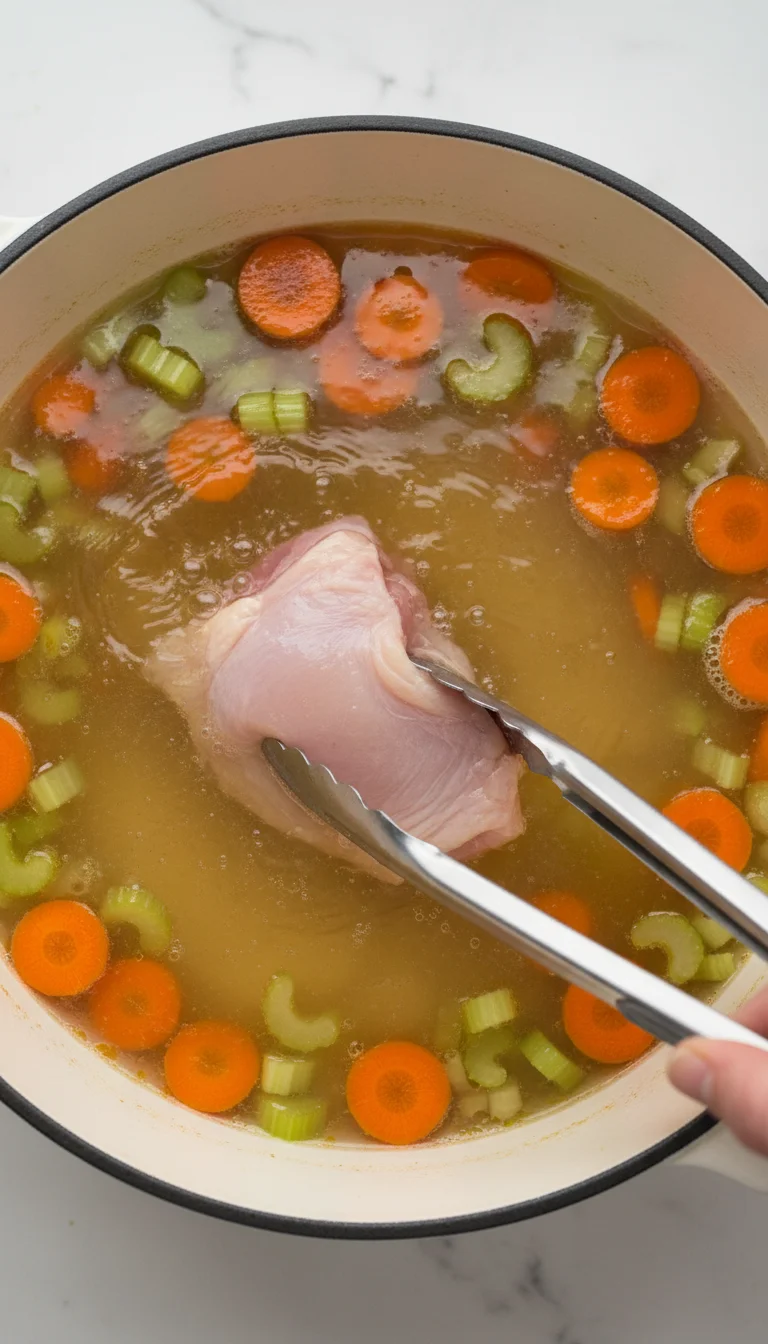
1. Sauté the Foundation (Mirepoix)
In your large pot or Dutch oven, heat the olive oil and butter over medium heat. Once the butter is melted and foamy, add the chopped onion, carrots, and celery. Sprinkle them with a good pinch of salt and pepper. This is your first opportunity to season!Sauté the vegetables, stirring occasionally, for about 8-10 minutes. You’re not trying to brown them, but rather to soften them until the onion is translucent and the vegetables are tender. This slow sweat releases their natural sweetness and builds the first critical layer of flavor. Add the minced garlic and sauté for just one more minute until fragrant.
2. Build the Broth & Poach the Chicken
Pour in the low-sodium chicken broth, scraping up any browned bits from the bottom of the pot. Add the fresh thyme sprigs and the bay leaves. Turn the heat up and bring the broth to a gentle simmer.Carefully nestle the chicken thighs into the simmering broth. Make sure they are fully submerged. Reduce the heat to low, cover the pot, and let the chicken poach gently for 15-20 minutes, or until it is cooked through and tender. Avoid a rolling boil, as this can make the chicken tough. A gentle, lazy simmer is what you’re looking for.
3. Shred the Chicken
Once the chicken is cooked, carefully remove the thighs from the pot and transfer them to a cutting board or a bowl. Let them cool for a few minutes until you can handle them safely.Using two forks, shred the chicken into bite-sized pieces. I like a mix of smaller shreds and larger chunks for great texture. Once shredded, set the chicken aside for now. Don’t throw away any juices that have collected on the plate; that’s pure flavor! You can use this same poaching and shredding method for other recipes, like a classic Chicken Pot Pie.
4. Cook the Noodles Separately
This is the game-changing step! While the chicken is cooling, bring a separate pot of generously salted water to a boil. Add your egg noodles and cook according to the package directions until they are just al dente.Cooking them separately ensures they don’t get gummy and absorb all your beautiful broth. Once cooked, drain the noodles well. Do not rinse them. This technique is key for so many soups, and it’s one we use in our popular Ginger Garlic Chicken Noodle Soup too.
5. Combine and Finish
Return to your soup pot. Fish out and discard the thyme sprigs and bay leaves. Give the broth a taste. Now is the time to adjust your seasoning. It will likely need more salt and pepper. Be bold! A well-seasoned broth is the heart of the soup.Stir the shredded chicken back into the pot. Add the fresh parsley and the squeeze of lemon juice. Stir everything together and let it heat through for a minute or two. To serve, place a generous portion of the cooked noodles into each bowl and ladle the hot soup, chicken, and vegetables over the top.
Avoid These Pitfalls
- Cooking Noodles in the Soup: We’ve said it before, but it’s the #1 mistake. It creates a starchy, cloudy broth and mushy noodles, especially when storing leftovers. Always cook them separately.
- Under-seasoning the Broth: A bland soup is a sad soup. Taste and season at every step—when you sauté the veggies, after you add the broth, and right before you serve. It needs more salt than you think to make the flavors pop.
- Boiling Instead of Simmering: A hard, rolling boil will make your chicken tough and your broth cloudy. A gentle, lazy simmer is the key to tender chicken and a clear, beautiful broth. This is a rule that applies to most slow-cooked dishes, including a hearty Slow Cooker Beef Stew.
Perfect Pairings
While this chicken noodle soup is a complete meal in itself, serving it with the right accompaniments can turn it into a truly memorable feast. The goal is to complement the soup without overpowering it.The most classic pairing, of course, is bread. A thick slice of crusty, rustic sourdough or a warm, flaky biscuit is perfect for sopping up every last drop of that golden broth. Simple saltine or oyster crackers are also a nostalgic and wonderful choice, adding a bit of salty crunch.
For a lighter option, serve the soup alongside a simple green salad dressed with a bright vinaigrette. The crisp, fresh greens provide a lovely contrast to the warmth and richness of the soup.
When it comes to toppings, keep it simple. A little extra freshly chopped parsley, a few grinds of black pepper, or even a tiny drizzle of high-quality extra virgin olive oil can add a final touch of elegance right before serving. This soup is a star in our collection of Cozy Winter Soups & Crockpot Meals for a reason—it’s perfect just as it is.
If you tried this recipe and loved it, please leave a 5-star rating below. It helps us so much
Why is it so important to cook the noodles separately from the soup?
Cooking the noodles separately is the most critical step to prevent them from becoming mushy and absorbing all of the flavorful broth. This technique ensures the noodles stay perfectly al dente and the broth remains clear and beautiful, especially when storing leftovers.
Can I use chicken breasts instead of chicken thighs for this recipe?
Yes, you can use boneless, skinless chicken breasts as an alternative. However, the recipe recommends chicken thighs because they are more flavorful, forgiving, and stay more tender and moist. If you use breasts, be careful not to overcook them.
Will adding lemon juice make the soup taste sour?
No, the small squeeze of fresh lemon juice added at the end will not make the soup taste like lemon. Its purpose is to brighten and elevate all the other savory flavors in the pot, making the soup taste more vibrant and delicious.
What are some easy ways to add even more flavor to this soup?
To boost the flavor, you can deglaze the pot with a splash of dry white wine before adding the broth. Another tip is to simmer a Parmesan cheese rind in the broth to add a savory, umami flavor (remember to remove it before serving). For a touch of warmth, add a pinch of red pepper flakes.
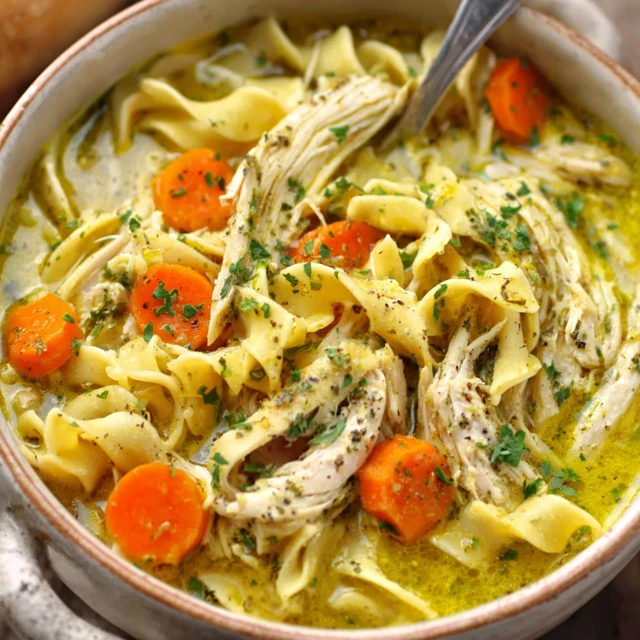
Your Soul’s Classic Chicken Noodle Soup
Ingredients
Equipment
Method
- In a large pot or Dutch oven, heat the olive oil and butter over medium heat. Add the chopped onion, carrots, and celery, season with a pinch of salt and pepper, and sauté for 8-10 minutes until softened and translucent.
- Add the minced garlic and cook for one more minute until fragrant.
- Pour in the chicken broth, scraping up any browned bits from the bottom. Add the thyme sprigs and bay leaves, then bring to a gentle simmer.
- Carefully place the chicken thighs into the broth, ensuring they are submerged. Reduce heat to low, cover, and gently simmer for 15-20 minutes, until the chicken is cooked through.
- While the chicken cooks, bring a separate pot of salted water to a boil. Cook the egg noodles according to package directions until al dente. Drain well and set aside.
- Remove the cooked chicken from the soup pot to a cutting board. Let cool slightly, then shred the meat using two forks. Discard any collected juices back into the soup pot.
- Remove and discard the bay leaves and thyme sprigs from the broth. Taste the broth and adjust seasoning with salt and pepper as needed.
- Stir the shredded chicken, chopped fresh parsley, and fresh lemon juice back into the soup. Let it heat through for a minute.
- To serve, place a portion of cooked noodles in each bowl and ladle the hot soup over top.