The Melty Mystery: Unveiling the Science of Baked Brie
The magic of baked brie lies in its transformation from a firm, slightly tangy cheese to a molten, decadent delight. This transformation is all about the protein and fat content. Brie, being a soft-ripened cheese, has a high-fat content (around 30%) and a relatively high moisture content. When heated, the fat melts, creating a luscious, creamy texture. The proteins, primarily casein, begin to denature and unravel, contributing to the gooeyness. However, overbaking causes the proteins to over-coagulate, leading to a rubbery, oily mess. The key is to find that sweet spot where the cheese is perfectly melted and creamy, but not broken down. Furthermore, the rind plays a crucial role. It’s edible and contributes a unique earthy flavor that complements the richness of the brie. It also acts as a natural container, preventing the molten cheese from spreading everywhere.The Recipe: Baked Brie With Fig Jam – A Symphony of Flavors
Ingredients:
- 1 (8-ounce) wheel of brie cheese
- 1/4 cup fig jam
- 1 tablespoon chopped pecans or walnuts (optional)
- 1 tablespoon honey (optional)
- Crackers, sliced baguette, or apple slices, for serving
Equipment:
- Small oven-safe dish or skillet (about the same diameter as the brie)
- Baking sheet
Instructions:
- Preheat the oven: Preheat your oven to 350°F (175°C).
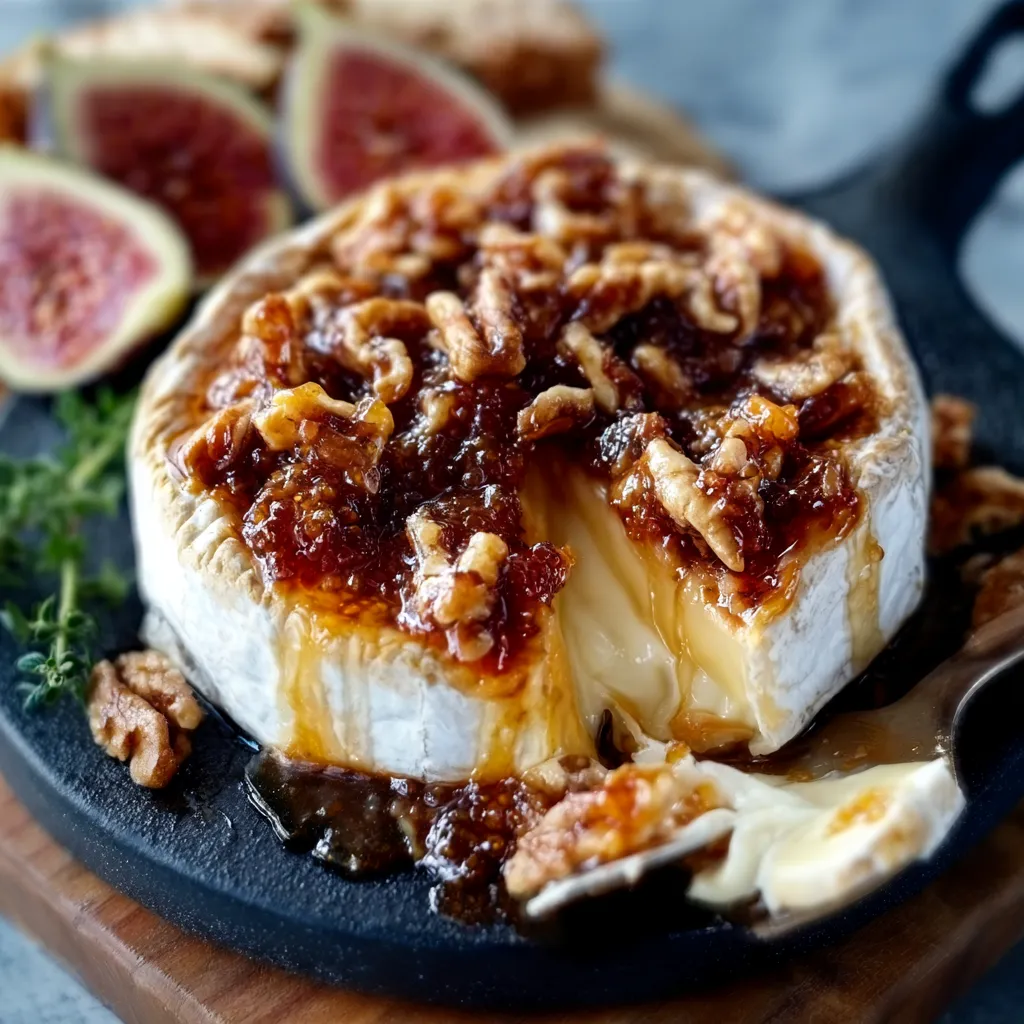
- Prepare the brie: Place the wheel of brie in the oven-safe dish or skillet. If desired, score the top of the brie lightly in a crosshatch pattern. This helps the jam to adhere and allows the cheese to melt more evenly.
- Add the toppings: Spread the fig jam evenly over the top of the brie. Sprinkle with chopped pecans or walnuts, if using. Drizzle with honey, if using.
- Bake: Place the dish on a baking sheet and bake for 5-7 minutes, or until the brie is softened and the jam is bubbly. Watch it carefully to prevent overbaking. The center should be soft to the touch but not completely liquid.
- Serve: Remove from the oven and let cool for a minute or two before serving. Serve immediately with crackers, sliced baguette, or apple slices.
My Quest for Brie Perfection: A Culinary Investigation
The Initial Stumbles: Overbaking and Underwhelming Flavor
My first few attempts at baked brie were a disaster. Like many of you, I initially thought it was foolproof: just slap some brie in the oven with jam and call it a day. I quickly learned that wasn’t the case. The first time, I overbaked it, resulting in a pool of oily, rubbery cheese with separated fat. The second time, I used a bland fig jam that did nothing to complement the brie’s flavor. It was edible, sure, but far from the “irresistible” appetizer I was aiming for.The “Aha!” Moment: Temperature Control and Flavor Combinations
Then, I had an “Aha!” moment. I realized that temperature and baking time were crucial. Lowering the oven temperature and shortening the baking time yielded a much better result. I also experimented with different fig jams. I found that a high-quality fig jam with a touch of balsamic vinegar added a beautiful complexity that elevated the entire dish. Adding toasted nuts provided a delightful textural contrast and nutty flavor that complemented the sweetness of the fig jam and the richness of the brie. It was during this stage I thought, “This would pair perfectly with some Apple Butternut Squash Bruschetta!”The Rind Revelation: Embracing the Entire Wheel
Another turning point was realizing the importance of the rind. Initially, I considered removing it, fearing it would be too tough or bitter. However, after some research and experimentation, I discovered that the rind is perfectly edible and contributes a unique earthy flavor that balances the sweetness of the fig jam. Leaving the rind intact also helps to contain the molten cheese, preventing it from spreading all over the baking dish.Beyond Fig Jam: Expanding the Flavor Palette
Finally, I started experimenting with different flavor combinations beyond fig jam. While fig jam remains a classic choice, I discovered that other fruit preserves, such as apricot or cherry, also work beautifully. I even tried adding a drizzle of honey or maple syrup for extra sweetness and a sprinkle of fresh herbs, such as thyme or rosemary, for a savory touch. Inspired by the Cranberry Brie Cheese Appetizer, I tried a version with cranberry sauce and toasted almonds, which was a huge hit during the holidays. For a spicier kick, a tiny dollop of my Spicy Cranberry Jalapeno Cream Cheese Dip added a surprisingly welcome contrast. However, I learned that less is more. Too many toppings can overwhelm the delicate flavor of the brie.The Foolproof Formula: Mastering the Baked Brie Technique
Here’s the step-by-step, foolproof method for creating perfect baked brie with fig jam, based on my extensive experimentation:- Choose your brie wisely: Opt for a high-quality, 8-ounce wheel of brie. Make sure it’s firm but not rock hard.
- Prepare your baking dish: Use a small, oven-safe dish or skillet that’s just slightly larger than the brie wheel. This will help contain the melting cheese.
- Score the brie (optional): Lightly score the top of the brie in a crosshatch pattern. This helps the jam adhere and allows the cheese to melt more evenly.
- Apply the fig jam: Use a high-quality fig jam with a touch of balsamic vinegar for added complexity. Spread it evenly over the top of the brie.
- Add toppings (optional): Sprinkle with chopped pecans or walnuts for textural contrast and nutty flavor. Drizzle with a touch of honey or maple syrup for extra sweetness.
- Bake at the right temperature: Preheat your oven to 350°F (175°C). This lower temperature allows the cheese to melt slowly and evenly without overcooking.
- Bake for the right amount of time: Bake for 5-7 minutes, or until the brie is softened and the jam is bubbly. Watch it carefully to prevent overbaking.
- Let it rest (briefly): Remove from the oven and let cool for a minute or two before serving. This allows the cheese to set slightly and prevents it from being too runny.
- Serve immediately: Serve with crackers, sliced baguette, or apple slices. And be prepared for it to disappear quickly!
Why is it important to not overbake the brie?
Overbaking causes the proteins in the brie to over-coagulate, resulting in a rubbery, oily texture and separated fat. The goal is to achieve a perfectly melted and creamy consistency without the cheese breaking down.
What makes fig jam a good topping choice for baked brie?
A high-quality fig jam, especially one with a touch of balsamic vinegar, adds a beautiful complexity that complements the richness of the brie. It provides a sweet and slightly tangy flavor that enhances the overall dish.
Is the rind of the brie cheese edible?
Yes, the rind is perfectly edible and contributes a unique earthy flavor that balances the sweetness of the toppings. Leaving the rind intact also helps contain the molten cheese.
What temperature and how long should I bake the brie for?
Preheat your oven to 350°F (175°C) and bake for 5-7 minutes, or until the brie is softened and the jam is bubbly. Watch it carefully to prevent overbaking. The center should be soft to the touch but not completely liquid.

Baked Brie with Fig Jam
Ingredients
Equipment
Method
- Preheat the oven to 350°F (175°C).
- Place the wheel of brie in the oven-safe dish or skillet.
- If desired, score the top of the brie lightly in a crosshatch pattern.
- Spread the fig jam evenly over the top of the brie.
- Sprinkle with chopped pecans or walnuts, if using.
- Drizzle with honey, if using.
- Place the dish on a baking sheet and bake for 5-7 minutes, or until the brie is softened and the jam is bubbly.
- Watch carefully to prevent overbaking. The center should be soft to the touch but not completely liquid.
- Remove from the oven and let cool for a minute or two before serving.
- Serve immediately with crackers, sliced baguette, or apple slices.