Oats Deconstructed: The Science of Overnight Success
The magic of overnight oats lies in the science of hydration and gelatinization. Raw oats, primarily rolled oats in this case (though steel-cut can work with extended soaking), contain starch. When submerged in liquid – milk, yogurt, or a combination – over a period of hours, the starch granules absorb the liquid and swell. This process, known as gelatinization, transforms the oats from dry and firm to soft and creamy. Unlike cooking, which relies on heat to achieve the same effect, overnight soaking is a gentle process, preserving more of the oats’ natural nutrients and resulting in a unique texture. Furthermore, the presence of brown sugar not only adds sweetness and a subtle molasses-like flavor but also contributes to the overall texture. Brown sugar contains molasses, a hygroscopic substance, meaning it attracts and retains moisture. This helps to keep the oats moist and prevents them from drying out during the overnight soaking process. The type of liquid used also influences the final product. Milk provides creaminess, yogurt adds tang and thickness, and plant-based alternatives offer different flavor profiles and textures. Finally, the ratio of oats to liquid is crucial – too little liquid, and the oats will be dry; too much, and they’ll be soupy. Getting this balance right is the key to perfect overnight oats.The Brown Sugar Overnight Oats Recipe: A Symphony of Simplicity
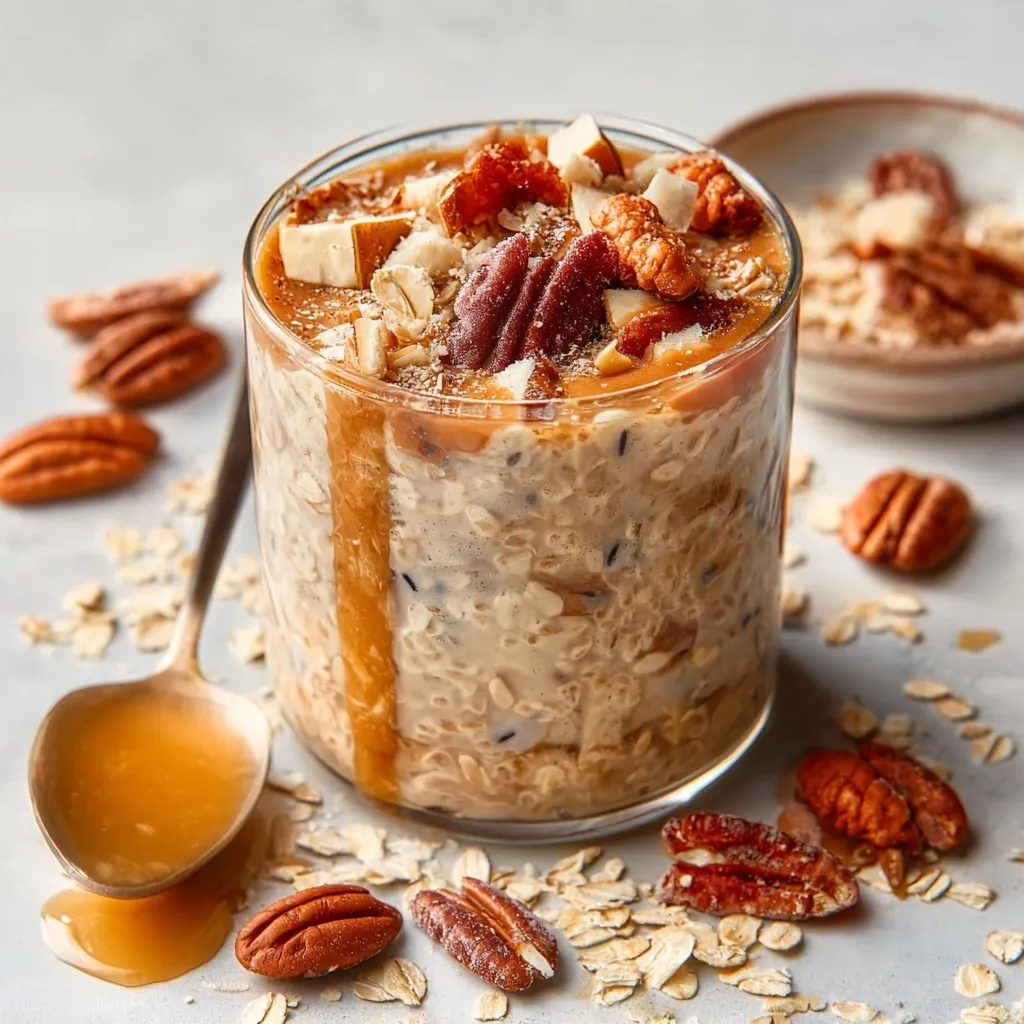 This recipe is designed to be a starting point. Feel free to adjust the ingredients and quantities to suit your personal preferences.
Ingredients:
- ½ cup rolled oats (not instant)
- 1 cup milk (dairy or non-dairy)
- 2 tablespoons Greek yogurt (optional, for extra creaminess and protein)
- 2 tablespoons brown sugar (light or dark, packed)
- ½ teaspoon vanilla extract
- ¼ teaspoon cinnamon (optional)
- Pinch of salt
- Optional toppings: fresh fruit, nuts, seeds, a drizzle of honey or maple syrup
Instructions:
- Combine ingredients: In a jar or container with a lid, combine the rolled oats, milk, Greek yogurt (if using), brown sugar, vanilla extract, cinnamon (if using), and salt.
- Mix well: Stir thoroughly to ensure all ingredients are well combined and the brown sugar is dissolved.
- Refrigerate overnight: Cover the jar or container tightly and refrigerate for at least 4 hours, or preferably overnight. This allows the oats to soften and absorb the liquid.
- Stir and adjust consistency: In the morning, give the overnight oats a good stir. If they seem too thick, add a splash more milk to reach your desired consistency.
- Add toppings: Top with your favorite toppings, such as fresh fruit, nuts, seeds, or a drizzle of honey or maple syrup.
- Enjoy! Serve cold and enjoy.
Notes:
- Oat type: Rolled oats are recommended for the best texture. Instant oats will become mushy, and steel-cut oats require a longer soaking time.
- Milk: Any type of milk can be used, including dairy, almond, soy, or oat milk.
- Sweetness: Adjust the amount of brown sugar to your liking. You can also substitute with other sweeteners, such as maple syrup or honey.
- Storage: Overnight oats can be stored in the refrigerator for up to 5 days.
My Quest for Oat-Standing Brown Sugar Flavor
Like many of you, I initially thought overnight oats were just a lazy way to eat breakfast. My first few attempts were a disaster – either too soupy or too dry, and the flavor was often bland. But I was determined to crack the code and unlock the potential of this seemingly simple dish. I wanted a quick, healthy, and genuinely delicious breakfast option.The Great Liquid Ratio Experiment
My initial problem was the liquid-to-oat ratio. I started with a 1:1 ratio, which resulted in a cement-like consistency. Then I swung too far in the other direction, ending up with oat soup. I experimented with various ratios, meticulously measuring and noting the results. I found that a 2:1 liquid-to-oat ratio (1 cup liquid to ½ cup oats) was the sweet spot for rolled oats, providing a creamy yet substantial texture. But, I also discovered that the type of liquid mattered. Almond milk yielded a slightly thinner consistency than dairy milk, while Greek yogurt added a significant boost of thickness and creaminess.Brown Sugar Battles: Light vs. Dark
Next, I tackled the brown sugar. I initially used regular granulated sugar, which was fine, but lacked depth of flavor. Then, I had an ‘Aha!’ moment: brown sugar! But which kind? Light brown sugar offered a subtle sweetness, while dark brown sugar delivered a richer, more molasses-like flavor. I tested both, side-by-side. Ultimately, I preferred dark brown sugar for its bolder flavor, but light brown sugar is a great option for those who prefer a milder sweetness. I also realized that the amount of brown sugar was crucial. Too little, and the oats were bland; too much, and they became cloyingly sweet. Two tablespoons per serving proved to be the perfect balance. If you’re in the mood for something lighter, consider Lemon Ricotta Pancakes for a delightful brunch.The Flavor Factor: Beyond the Basics
With the liquid ratio and brown sugar sorted, I turned my attention to the flavor profile. Vanilla extract was a no-brainer, adding a touch of warmth and complexity. Cinnamon was another natural addition, complementing the brown sugar beautifully. I also experimented with other spices, such as nutmeg and cardamom, with varying degrees of success. Adding a pinch of salt was a game-changer, enhancing the sweetness and balancing the flavors. Finally, I explored various toppings, from fresh berries and sliced bananas to chopped nuts and seeds. These additions not only added flavor and texture but also provided essential nutrients. If you love oats in general, you might like the Apple Oatmeal Bake, which is perfect for a larger gathering.The Foolproof Formula: Mastering the Art of Brown Sugar Overnight Oats
After numerous experiments and taste tests, I’ve distilled the process into a simple, foolproof formula:- Combine the Oats and Liquid: In a jar or container with a lid, combine ½ cup rolled oats with 1 cup of your chosen liquid (milk, yogurt, or a combination).
- Sweeten with Brown Sugar: Add 2 tablespoons of packed brown sugar (light or dark, depending on your preference).
- Enhance the Flavor: Stir in ½ teaspoon of vanilla extract, ¼ teaspoon of cinnamon (optional), and a pinch of salt.
- Mix Thoroughly: Ensure all ingredients are well combined and the brown sugar is dissolved.
- Refrigerate Overnight: Cover the jar or container tightly and refrigerate for at least 4 hours, or preferably overnight.
- Adjust and Customize: In the morning, stir well. If the oats are too thick, add a splash more liquid. Top with your favorite toppings and enjoy!
Why are rolled oats recommended over instant or steel-cut oats for this recipe?
Rolled oats are recommended because they provide the best texture. Instant oats will become mushy, and steel-cut oats require a longer soaking time.
Can I use a different type of sweetener instead of brown sugar?
Yes, you can substitute the brown sugar with other sweeteners, such as maple syrup or honey, adjusting the amount to your liking.
How long can I store brown sugar overnight oats in the refrigerator?
Overnight oats can be stored in the refrigerator for up to 5 days.
What is the ideal liquid-to-oat ratio for brown sugar overnight oats?
A 2:1 liquid-to-oat ratio (1 cup liquid to ½ cup oats) is recommended for rolled oats, providing a creamy yet substantial texture.

Brown Sugar Overnight Oats
This Brown Sugar Overnight Oats recipe offers a quick, easy, and delicious breakfast solution. Combining rolled oats with milk, brown sugar, and a hint of vanilla and cinnamon, this recipe provides a creamy and satisfying start to your day.
Ingredients
Equipment
Method
- Combine rolled oats, milk, Greek yogurt (if using), brown sugar, vanilla extract, cinnamon (if using), and salt in a jar or container with a lid.
- Stir thoroughly to ensure all ingredients are well combined and the brown sugar is dissolved.
- Cover the jar or container tightly and refrigerate for at least 4 hours, or preferably overnight.
- In the morning, stir the overnight oats well. If they seem too thick, add a splash more milk to reach your desired consistency.
- Top with your favorite toppings, such as fresh fruit, nuts, seeds, or a drizzle of honey or maple syrup.
- Serve cold and enjoy.
Notes
Rolled oats are recommended for the best texture. Any type of milk can be used. Adjust the amount of brown sugar to your liking or substitute with other sweeteners. Overnight oats can be stored in the refrigerator for up to 5 days.