A whisper-thin crust giving way to flaky, tender fish is a culinary magic trick I never get tired of. It’s that satisfying crunch, the delicate steam that escapes, and the promise of a perfectly cooked bite. We often think this kind of texture is reserved for restaurants, but I’m here to pull back the curtain and show you just how simple it is to achieve at home, especially when paired with a sauce that’s just as impressive.
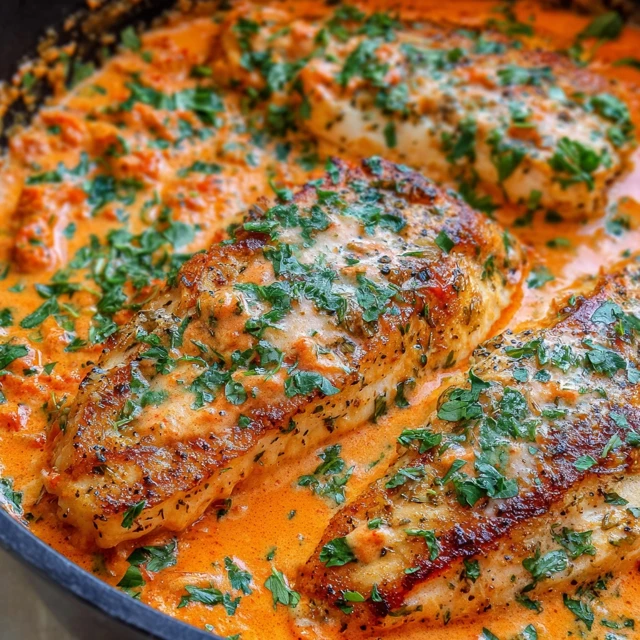
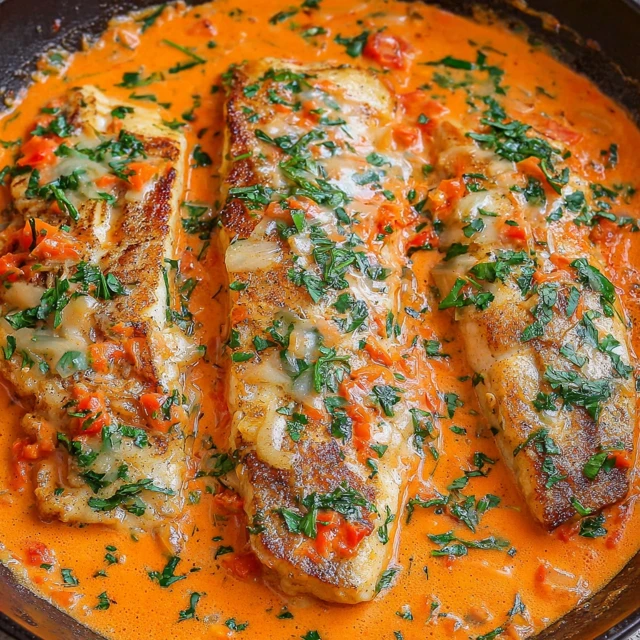
This isn’t just another fish recipe; it’s your new weeknight showstopper. Imagine a beautifully golden tilapia fillet, so crispy you can hear it, resting in a pool of velvety, smoky-sweet roasted pepper sauce. Every single bite is a perfect balance of texture and flavor—the rich, vibrant sauce clinging to that crunchy coating. This is the kind of healthy fish dinner that feels indulgent, looks stunning, and comes together in about 30 minutes.
The Crispy Tilapia in Roasted Pepper Sauce Difference
- Unbeatable Texture: We use a specific cornstarch and spice blend that creates a light, shatteringly crisp coating that stays crunchy, even when drenched in the luscious sauce. It’s the ultimate textural contrast.
- Time-Saving Sauce: The secret to the deep, complex flavor of the roasted pepper sauce is using high-quality jarred roasted red peppers. This shortcut delivers that slow-roasted taste in minutes, not hours.
- Perfectly Balanced Flavors: The mild, sweet tilapia is the perfect canvas for the bold, smoky, and slightly tangy pepper sauce. A touch of smoked paprika and fresh garlic ties everything together for a truly gourmet result.
The Building Blocks
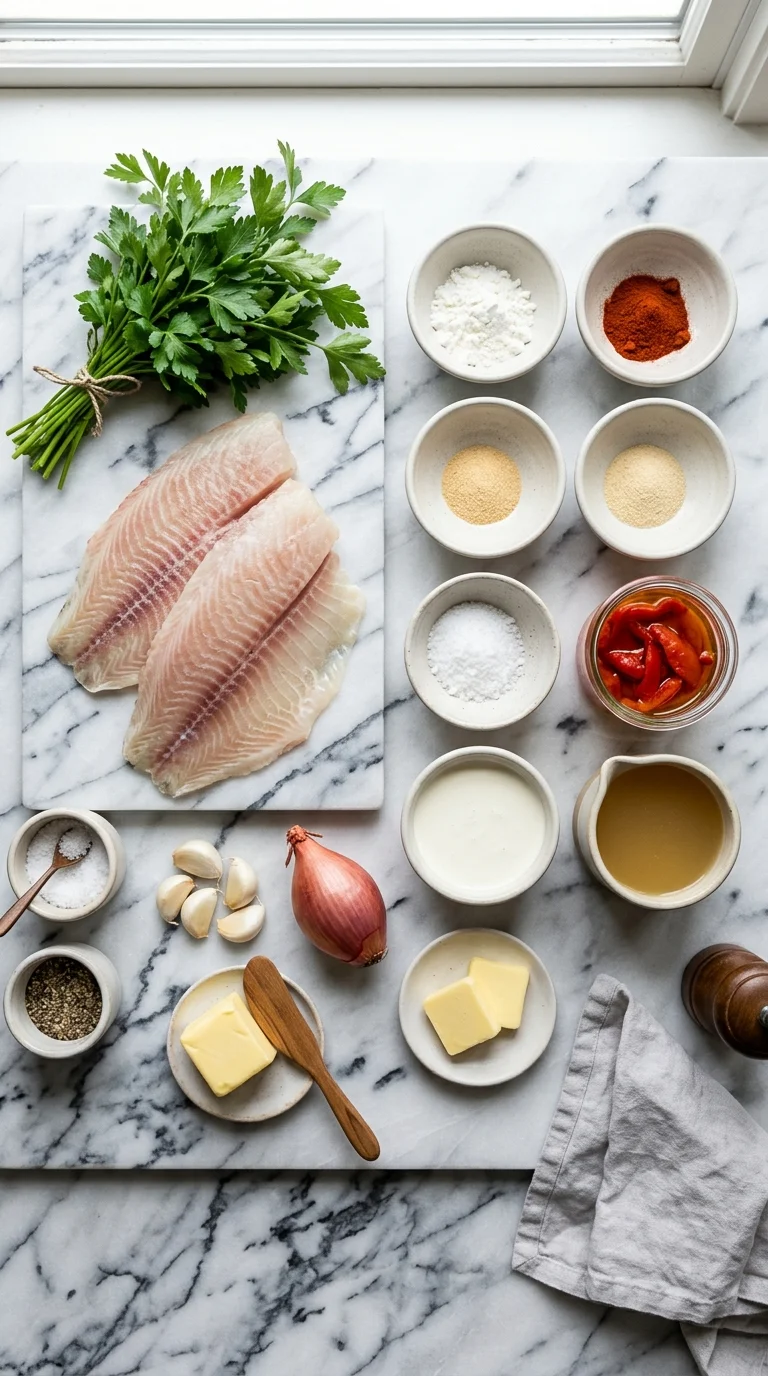
- Tilapia Fillets: (About 4, 6-ounce fillets, fresh or frozen and thawed). Tilapia is a fantastic choice here because its mild flavor doesn’t compete with the sauce. You want a firm white fish that holds up to pan-searing.
- Cornstarch: (The absolute key to the crispiness). It creates a lighter, crispier crust than flour and is naturally gluten-free. Don’t skip this!
- Smoked Paprika: (For color and smoky depth). This spice complements the roasted peppers beautifully and gives the fish a gorgeous golden-red hue.
- Garlic Powder & Onion Powder: These form the savory backbone of our seasoning blend for the fish.
- Jarred Roasted Red Peppers: (The hero of our sauce). Using a 12-ounce jar of peppers packed in water (drained) is the ultimate shortcut for a deeply flavorful pepper sauce recipe without firing up the oven.
- Garlic: (Fresh cloves are a must). The sharp, pungent flavor of fresh garlic is essential for a vibrant sauce.
- Shallot: Milder and sweeter than a regular onion, a shallot provides a delicate aromatic base for the sauce.
- Vegetable or Chicken Broth: This thins the sauce to the perfect consistency and adds a layer of savory flavor.
- Heavy Cream: (Just a splash for richness). This makes the sauce velvety and luxurious, balancing the acidity of the peppers.
- Olive Oil & Butter: We use a combination for searing. The oil has a higher smoke point, and the butter adds incredible flavor and helps with browning.
- Salt & Black Pepper: To season every layer perfectly.
- Fresh Parsley: For a pop of fresh, green flavor and color at the end.
Swaps & Alternatives
Don’t have everything on hand? No problem. This recipe is wonderfully flexible. Here are a few easy swaps you can make in a pinch.- Fish: Any firm, mild white fish will work beautifully. Try cod, haddock, or even catfish fillets. These are all excellent white fish recipes.
- Cornstarch: If you’re out of cornstarch, you can use arrowroot starch or even all-purpose flour, though the crust will be slightly less delicate and crispy.
- Heavy Cream: For a lighter version, you can use half-and-half or even a splash of full-fat coconut milk for a slightly different flavor profile.
- Shallot: You can substitute with about 1/4 of a small yellow onion or a couple of tablespoons of finely chopped red onion.
- Broth: If you don’t have broth, you can use water in a pinch, but you may need to add a little extra salt or a pinch of bouillon powder to compensate for the flavor.
Flavor Boosts
Ready to take this incredible dish to the next level? These simple additions can add a layer of complexity and make the recipe feel brand new.- Add a Pinch of Heat: A pinch of red pepper flakes or a dash of cayenne pepper added to the spice blend for the fish or into the sauce itself will give the dish a gentle, warming heat.
- Introduce Capers: For a briny, salty kick, stir a tablespoon of drained capers into the finished sauce. The tangy pop is a fantastic contrast to the sweet peppers.
- Squeeze of Lemon: Finish the entire dish with a generous squeeze of fresh lemon juice right before serving. It brightens everything up and cuts through the richness of the sauce.
- Smoky Paprika Oil: Gently warm a tablespoon of olive oil with a teaspoon of smoked paprika. Drizzle this vibrant, smoky oil over the finished plates for a professional-looking and flavor-packed garnish.
Let’s Get Cooking
1. Prepare the Tilapia
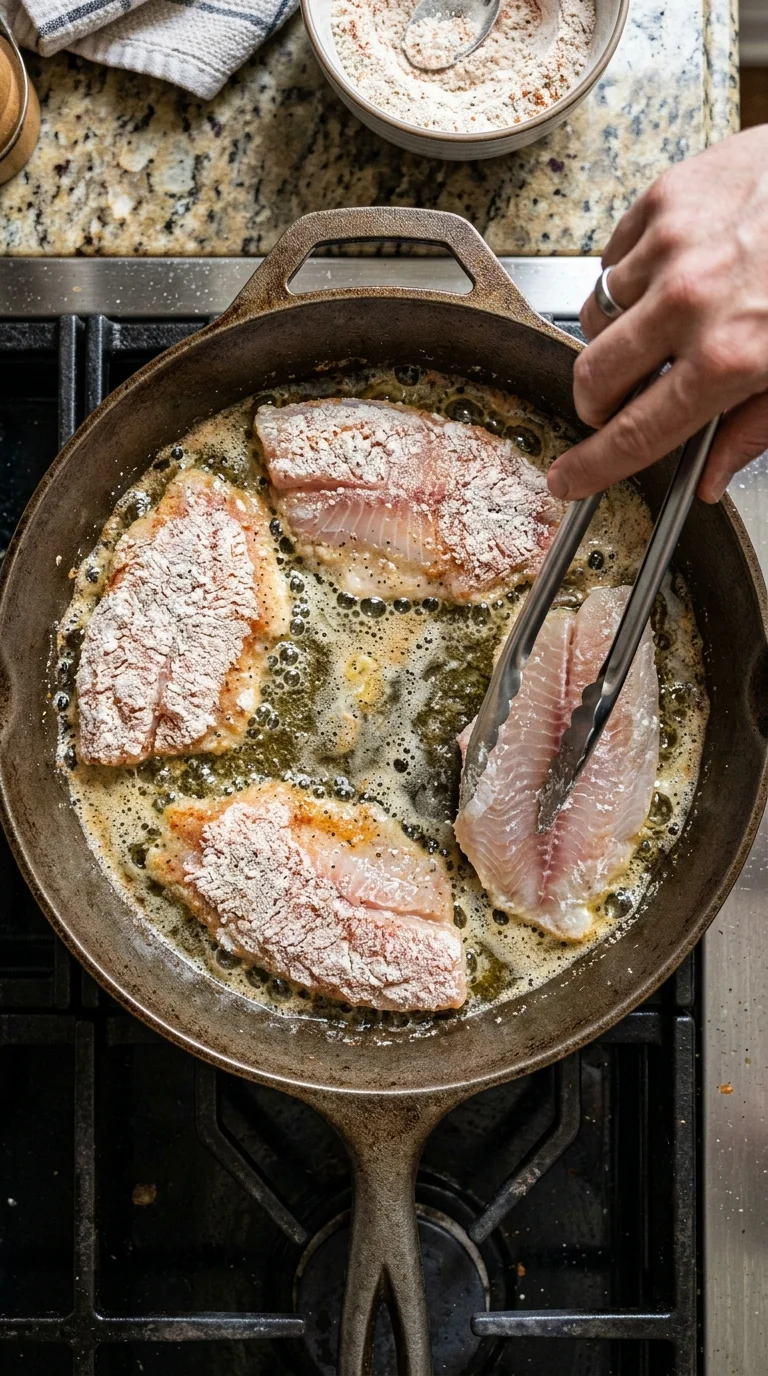
First things first, we need to get the fish ready for its crispy transformation. Pat the tilapia fillets completely dry with paper towels. This step is non-negotiable! Moisture is the enemy of a crispy crust. A dry surface allows the coating to adhere and the fish to sear, not steam.In a shallow dish, whisk together the cornstarch, smoked paprika, garlic powder, onion powder, salt, and a generous amount of black pepper. Press each tilapia fillet firmly into the mixture, ensuring it’s evenly coated on all sides. Shake off any excess and set the coated fillets on a clean plate.
2. Blend the Vibrant Pepper Sauce
Now for that gorgeous, velvety sauce. In a blender or food processor, combine the drained roasted red peppers, fresh garlic cloves, and the shallot. Blend until the mixture is mostly smooth. A little texture is perfectly fine and adds a rustic charm.This is the heart of our pepper sauce recipe, and using the jarred peppers makes it one of the most efficient quick seafood recipes you can find. It packs in so much flavor without any of the roasting time.
3. Build the Sauce in the Pan
In a large skillet, melt one tablespoon of butter with one tablespoon of olive oil over medium heat. Once the butter is foaming, pour in the blended pepper mixture. Be careful, as it may spatter a bit. Cook, stirring frequently, for about 2-3 minutes until the garlic and shallot are fragrant and the raw edge is cooked off.Pour in the vegetable or chicken broth to deglaze the pan, scraping up any delicious browned bits from the bottom. Bring the sauce to a gentle simmer, then reduce the heat to low and stir in the heavy cream. Season with salt and pepper to taste. Let it gently bubble away while you cook the fish.
4. Sear the Fish to Golden Perfection
Wipe out the skillet you used for the sauce or grab a new one. Heat the remaining olive oil and butter over medium-high heat. The pan needs to be hot to get that instant sear. You’ll know it’s ready when the butter is melted and the oil shimmers.Carefully place the coated tilapia fillets in the hot pan, making sure not to overcrowd them. Cook in batches if necessary. Let them cook undisturbed for 3-4 minutes per side. Resist the urge to move them! This allows the crust to form. The fish is ready to flip when it releases easily from the pan and the bottom is a deep golden brown. The technique is very similar to how you’d get a perfect crust on Crispy Skillet Chicken Thighs.
5. Bring It All Together
Once the fish is cooked through and crispy on both sides, you’re ready to serve. You can either place the crispy tilapia directly into the skillet with the sauce for a moment or plate the sauce first and place the fish on top. The latter method is best for preserving maximum crispiness.Spoon a generous amount of the roasted pepper sauce onto each plate. Gently place a crispy tilapia fillet on top of the sauce. Garnish with a sprinkle of fresh, chopped parsley for a burst of color and freshness. Serve immediately and prepare for the compliments.
Avoid These Pitfalls
- Wet Fish: Not drying the tilapia fillets thoroughly is the number one reason for a soggy crust. Use paper towels and pat them until they are bone dry before coating.
- A Crowded Pan: Overcrowding the skillet lowers the temperature of the oil, causing the fish to steam instead of sear. This prevents that beautiful crust from forming. Cook in two batches if your pan isn’t large enough.
- Moving the Fish Too Soon: Don’t try to flip the fish until it’s ready. A proper crust needs time to form. It will release from the pan easily when it’s golden brown and ready to be turned.
Perfect Pairings
This stunning main course is a fantastic low calorie dinner option that pairs beautifully with a variety of sides. You can keep it light or make it a more substantial meal.For a simple and elegant pairing, serve the tilapia and sauce over a bed of fluffy quinoa, creamy polenta, or simple buttered orzo. The grains are perfect for soaking up any extra roasted pepper sauce. If you’re looking for other easy dinner ideas, a simple side of roasted asparagus or steamed green beans adds a lovely touch of green and a nice textural contrast.
This dish has the same satisfying, restaurant-quality feel as other favorites like Tuscan Salmon or a perfectly cooked Pan Seared Salmon With Creamy Dill Sauce, making it feel special with minimal effort. The crispy coating also makes it a great protein to use in a more composed dish, much like the fish in these Crispy Fish Taco Bowls.
For a super quick meal, a simple side salad with a lemon vinaigrette is all you need. The acidity of the dressing will cut through the richness of the sauce beautifully. And if you love bold flavors, this dish stands up well next to other powerfully seasoned seafood, like Blackened Salmon or even a zesty Lemon Garlic Butter Shrimp.
If you tried this recipe and loved it, please leave a 5-star rating below. It helps us so much
What is the secret to making the tilapia extra crispy and not soggy?
The key to a perfectly crispy crust is to use a cornstarch-based coating, which is lighter than flour. Most importantly, you must pat the tilapia fillets completely dry with paper towels before coating them. A dry surface is essential for searing, not steaming, which prevents a soggy result.
Can I use a different type of fish or make other substitutions?
Yes, this recipe is very flexible. You can substitute tilapia with any firm, mild white fish like cod, haddock, or catfish. If you don’t have cornstarch, arrowroot starch can be used. For the sauce, you can swap heavy cream with half-and-half or coconut milk, and a shallot can be replaced with a small amount of yellow or red onion.
How does the roasted pepper sauce get its deep flavor so quickly?
The recipe uses a time-saving shortcut by calling for high-quality jarred roasted red peppers. This allows you to achieve a deep, slow-roasted, and smoky flavor in the sauce in just minutes, without having to roast the peppers yourself.
What are some ways to enhance the flavor of this dish?
To boost the flavor, you can add a pinch of red pepper flakes for heat, stir in a tablespoon of capers for a briny kick, or finish the dish with a squeeze of fresh lemon juice to brighten all the flavors. Drizzling a little smoked paprika-infused oil over the top also adds a professional touch.
Crispy Tilapia in Roasted Pepper Sauce
Ingredients
Equipment
Method
- Pat the tilapia fillets completely dry with paper towels. In a shallow dish, whisk together the cornstarch, smoked paprika, garlic powder, onion powder, salt, and a generous amount of black pepper.
- Press each tilapia fillet firmly into the cornstarch mixture, ensuring it’s evenly coated on all sides. Shake off any excess and set the coated fillets on a clean plate.
- In a blender or food processor, combine the drained roasted red peppers, fresh garlic cloves, and the chopped shallot. Blend until the mixture is mostly smooth.
- In a large skillet, melt 1 tablespoon of butter with 1 tablespoon of olive oil over medium heat. Pour in the blended pepper mixture and cook, stirring frequently, for 2-3 minutes until fragrant.
- Pour in the broth to deglaze the pan, scraping up any browned bits. Bring to a simmer, then reduce heat to low and stir in the heavy cream. Season with salt and pepper to taste and keep warm.
- In a separate large skillet (or wipe out the first one), heat the remaining 1 tablespoon of olive oil and 1 tablespoon of butter over medium-high heat until shimmering.
- Carefully place the coated tilapia fillets in the hot pan, not overcrowding it (cook in batches if needed). Cook for 3-4 minutes per side, undisturbed, until a deep golden-brown crust forms and the fish is cooked through.
- To serve, spoon a generous amount of the roasted pepper sauce onto each plate. Gently place a crispy tilapia fillet on top of the sauce.
- Garnish with fresh chopped parsley and serve immediately for the best texture.