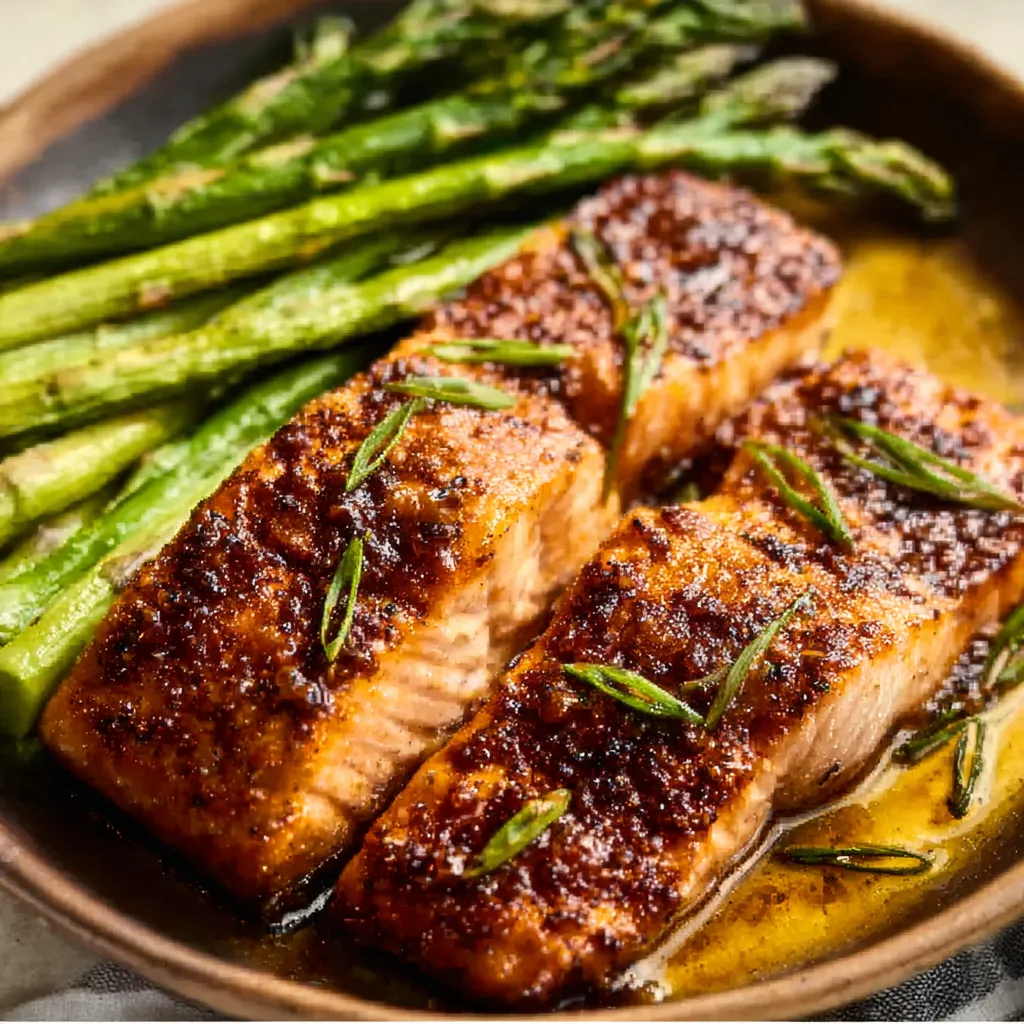
The Science of Succulent Salmon
The magic, and the potential pitfalls, of baked salmon lies in understanding a few key scientific principles. First, let’s consider protein denaturation. Salmon, like all meats, is composed of proteins. When heated, these proteins unfold (denature) and then re-bond, creating the texture we associate with cooked fish. Overcooking causes the proteins to bond too tightly, squeezing out moisture and resulting in dry, rubbery salmon. The ideal internal temperature for salmon is around 145°F (63°C). At this temperature, the proteins are cooked through, but still retain moisture. Secondly, fat content plays a huge role. Salmon is rich in omega-3 fatty acids, which contribute significantly to its flavor and moistness. As the salmon cooks, these fats render, basting the fish from the inside out. However, too much heat, too quickly, can cause the fats to render too rapidly, leaving the fish dry. Finally, the addition of lemon and garlic provides more than just flavor. The acidity in lemon juice helps to tenderize the fish and enhance its natural flavors. Garlic adds a pungent aroma that complements the richness of the salmon. Both ingredients contribute moisture, helping to keep the fish from drying out during baking. The principles at play here are very similar to those involved in a good Pan-seared Salmon, where controlling the heat and understanding protein denaturation is paramount.The Ultimate Baked Salmon Recipe
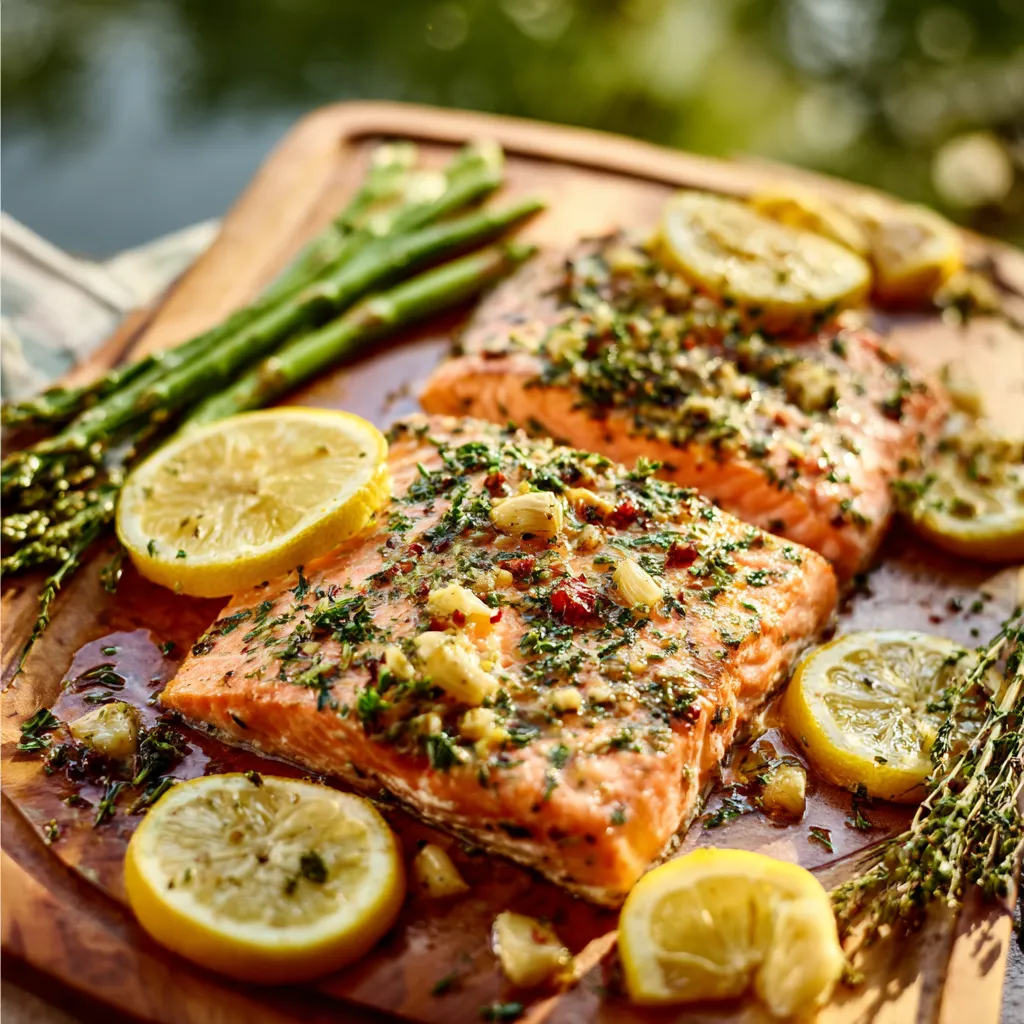 This recipe has been meticulously tested and refined to consistently deliver perfectly baked salmon.
Ingredients:
- 4 (6-ounce) salmon fillets, skin on or off
- 2 tablespoons olive oil
- 4 cloves garlic, minced
- 2 tablespoons lemon juice, freshly squeezed
- 1 lemon, thinly sliced
- 2 tablespoons chopped fresh parsley or dill
- Salt and freshly ground black pepper to taste
Equipment:
- Baking sheet
- Parchment paper or aluminum foil
Instructions:
- Prepare the Oven: Preheat your oven to 400°F (200°C).
- Prepare the Baking Sheet: Line a baking sheet with parchment paper or aluminum foil. This prevents the salmon from sticking and makes cleanup easier.
- Prepare the Salmon: Pat the salmon fillets dry with paper towels. This helps the fish to brown slightly during baking.
- Make the Garlic-Lemon Mixture: In a small bowl, combine the olive oil, minced garlic, and lemon juice. Season with salt and pepper.
- Assemble the Salmon: Place the salmon fillets on the prepared baking sheet. Brush each fillet generously with the garlic-lemon mixture. Top each fillet with a few slices of lemon.
- Bake the Salmon: Bake for 12-15 minutes, or until the salmon is cooked through and flakes easily with a fork. The exact baking time will depend on the thickness of the fillets. Check for doneness by inserting a fork into the thickest part of the fillet and gently twisting. If the fish flakes easily, it’s done.
- Garnish and Serve: Remove the salmon from the oven and garnish with fresh parsley or dill. Serve immediately. Consider pairing it with roasted vegetables or a simple salad.
Serving Suggestions:
This baked salmon is incredibly versatile and pairs well with a variety of sides. Consider serving it with:- Roasted asparagus or broccoli
- Quinoa or brown rice
- A simple green salad with a lemon vinaigrette
The Investigation: My Quest for Perfect Salmon
My journey to mastering baked salmon was anything but smooth. My first few attempts were a disaster, resulting in dry, overcooked fish that was barely palatable. I was determined to figure out what I was doing wrong.The Initial Fails: Overcooked and Underwhelming
Like many of you, I initially thought that baking salmon was simply a matter of throwing it in the oven and hoping for the best. I’d coat the fillets with some oil, maybe a squeeze of lemon, and bake them at a relatively high temperature (425°F or even higher) for what seemed like a reasonable amount of time. The result? Salmon that was dry, tough, and lacking in flavor. The experience reminded me of my early attempts at Sheet Pan Lemon Garlic Butter Salmon, where I also struggled with preventing dryness.The Temperature Tussle: Too Hot, Too Fast
My first breakthrough came when I started paying closer attention to the oven temperature. I realized that baking the salmon at a lower temperature (400°F) allowed it to cook more gently and evenly, preventing the proteins from seizing up and squeezing out all the moisture. This was a pivotal moment. It’s a similar principle at play with Garlic Butter Salmon, where precise heat control is vital for a moist result.The Moisture Mystery: Lemon is Key
Next, I focused on adding moisture to the salmon. I experimented with different marinades and sauces, but the simplest and most effective solution was lemon juice. The acidity of the lemon not only tenderized the fish but also helped to keep it moist during baking. I also found that adding lemon slices on top of the fillets helped to infuse them with flavor and moisture. Much like how the broth is essential to keep Tuscan Salmon moist.The Garlic Gamble: Fresh is Best
I experimented with garlic powder and jarred minced garlic, but neither came close to the flavor of freshly minced garlic. The pungent aroma of fresh garlic added a depth of flavor that elevated the dish to a whole new level. I also found that sautéing the garlic briefly in olive oil before adding it to the salmon helped to mellow its flavor and prevent it from burning during baking.The Skin Saga: On or Off?
The debate about whether to bake salmon with the skin on or off is a contentious one. I found that leaving the skin on helped to protect the fish from drying out and added a layer of crispy texture. However, if you prefer your salmon without the skin, you can easily remove it after baking. Just be sure to adjust the baking time slightly, as skinless salmon tends to cook faster. Baking with the skin on is also a key step when making Baked Teriyaki Salmon to maintain the moisture.The “Aha!” Moment: Parchment Paper Perfection
The final piece of the puzzle was parchment paper. Lining the baking sheet with parchment paper not only prevented the salmon from sticking but also helped to retain moisture. The parchment paper created a sort of “steam bath” effect, resulting in incredibly tender and flaky salmon. This was the moment everything clicked.The Technique: The Foolproof Method
Here’s a summary of the technique I developed through my experiments:- Preheat your oven to 400°F (200°C). This is the optimal temperature for gently and evenly baking salmon.
- Line a baking sheet with parchment paper. This prevents sticking and retains moisture.
- Pat the salmon fillets dry. This helps them to brown slightly.
- Combine olive oil, minced garlic, and lemon juice. This creates a flavorful and moisturizing marinade.
- Brush the salmon with the garlic-lemon mixture and top with lemon slices. This infuses the fish with flavor and moisture.
- Bake for 12-15 minutes, or until the salmon flakes easily with a fork. Don’t overcook it!
- Garnish with fresh parsley or dill and serve immediately. Enjoy!
What is the ideal internal temperature for baked salmon to ensure it’s moist and flaky?
The ideal internal temperature for salmon is around 145°F (63°C). At this temperature, the proteins are cooked through, but still retain moisture.
Why is parchment paper recommended when baking salmon?
Lining the baking sheet with parchment paper prevents the salmon from sticking and helps to retain moisture during baking, creating a “steam bath” effect for tender and flaky salmon.
What is the best oven temperature for baking salmon with garlic and lemon?
The optimal oven temperature for baking salmon with garlic and lemon is 400°F (200°C). This temperature allows the salmon to cook gently and evenly.
Why is lemon juice important when baking salmon?
The acidity of the lemon juice helps to tenderize the fish and enhance its natural flavors. It also helps to keep the salmon moist during baking.
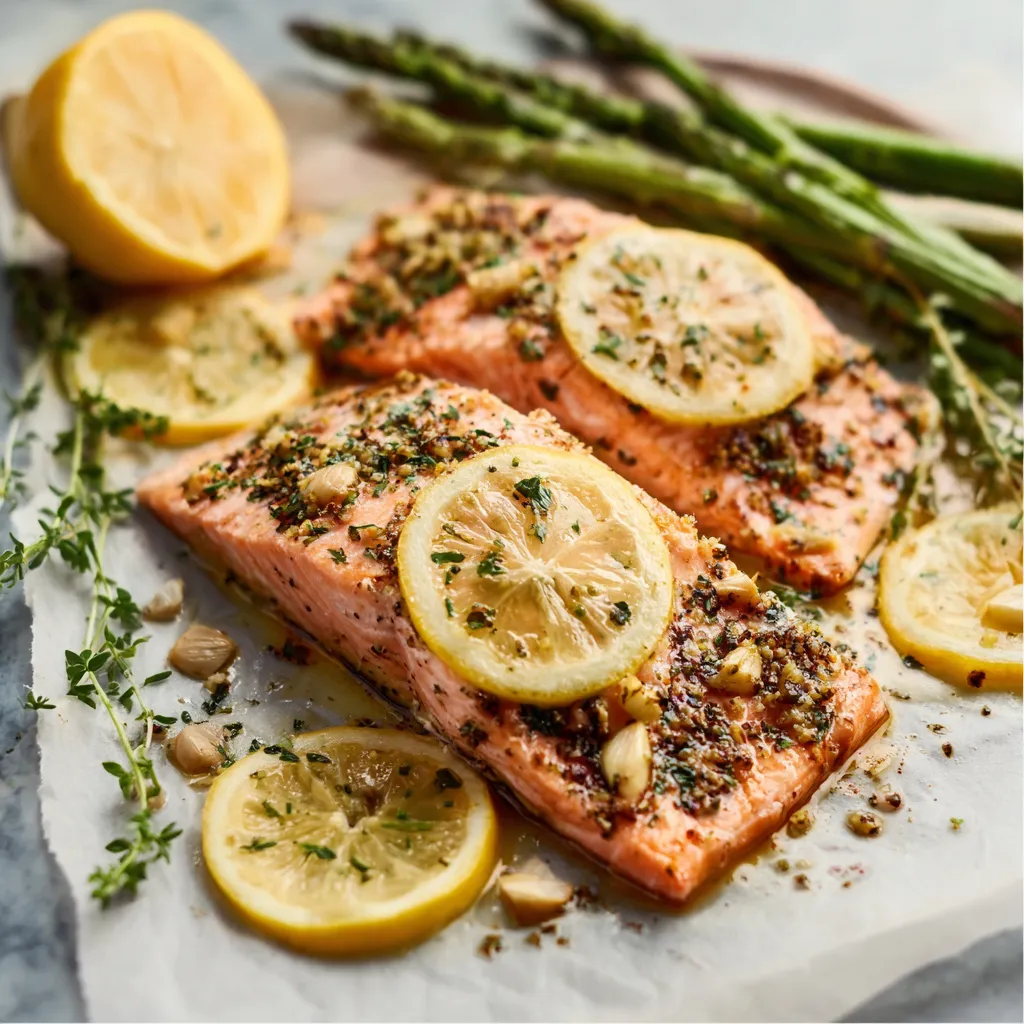
Baked Salmon with Garlic and Lemon (Easy Recipe)
This easy baked salmon recipe delivers perfectly flaky, moist, and flavorful results every time. Combining the freshness of lemon, the pungency of garlic, and the richness of salmon, this dish is a simple yet elegant weeknight dinner.
Ingredients
Equipment
Method
- Preheat your oven to 400°F (200°C).
- Line a baking sheet with parchment paper or aluminum foil.
- Pat the salmon fillets dry with paper towels.
- In a small bowl, combine the olive oil, minced garlic, and lemon juice. Season with salt and pepper.
- Place the salmon fillets on the prepared baking sheet.
- Brush each fillet generously with the garlic-lemon mixture.
- Top each fillet with a few slices of lemon.
- Bake for 12-15 minutes, or until the salmon is cooked through and flakes easily with a fork.
- Remove the salmon from the oven and garnish with fresh parsley or dill.
- Serve immediately.
Notes
For best results, use fresh garlic and freshly squeezed lemon juice. Adjust baking time based on the thickness of the salmon fillets. To ensure salmon is cooked through, the internal temperature should reach 145°F (63°C). Store leftovers in an airtight container in the refrigerator for up to 2 days.