Deciphering the Creaminess Code: A Scientific Breakdown
The allure of a creamy slow cooker dish hinges on the emulsion – the suspension of fat globules within a water-based liquid. In this case, we’re aiming for a stable emulsion of chicken broth, cream (or a substitute), and the rendered fat from the chicken. However, high heat and prolonged cooking can destabilize this emulsion, leading to curdling or a greasy separation. This is where understanding protein denaturation and starch gelatinization becomes crucial. Proteins, like those found in chicken and dairy, denature (unfold) with heat. While some denaturation is desirable (it’s what cooks the chicken!), excessive heat can cause proteins to clump together, resulting in curdling. Similarly, starch granules in rice gelatinize when heated in liquid, swelling and thickening the mixture. Over-gelatinization leads to mushy, gluey rice. The key to success lies in controlling these processes. We want to cook the chicken thoroughly and create a creamy sauce *without* curdling the dairy or turning the rice into a sticky mess. This involves strategically adding ingredients, controlling cooking time, and understanding the role of acidity. The lemon juice, while adding brightness and flavor, can also contribute to curdling if added too early or in excess. Balancing the lemon with the richness of the cream is essential.The Creamy Dream: Recipe for Slow Cooker Lemon Herb Chicken and Rice
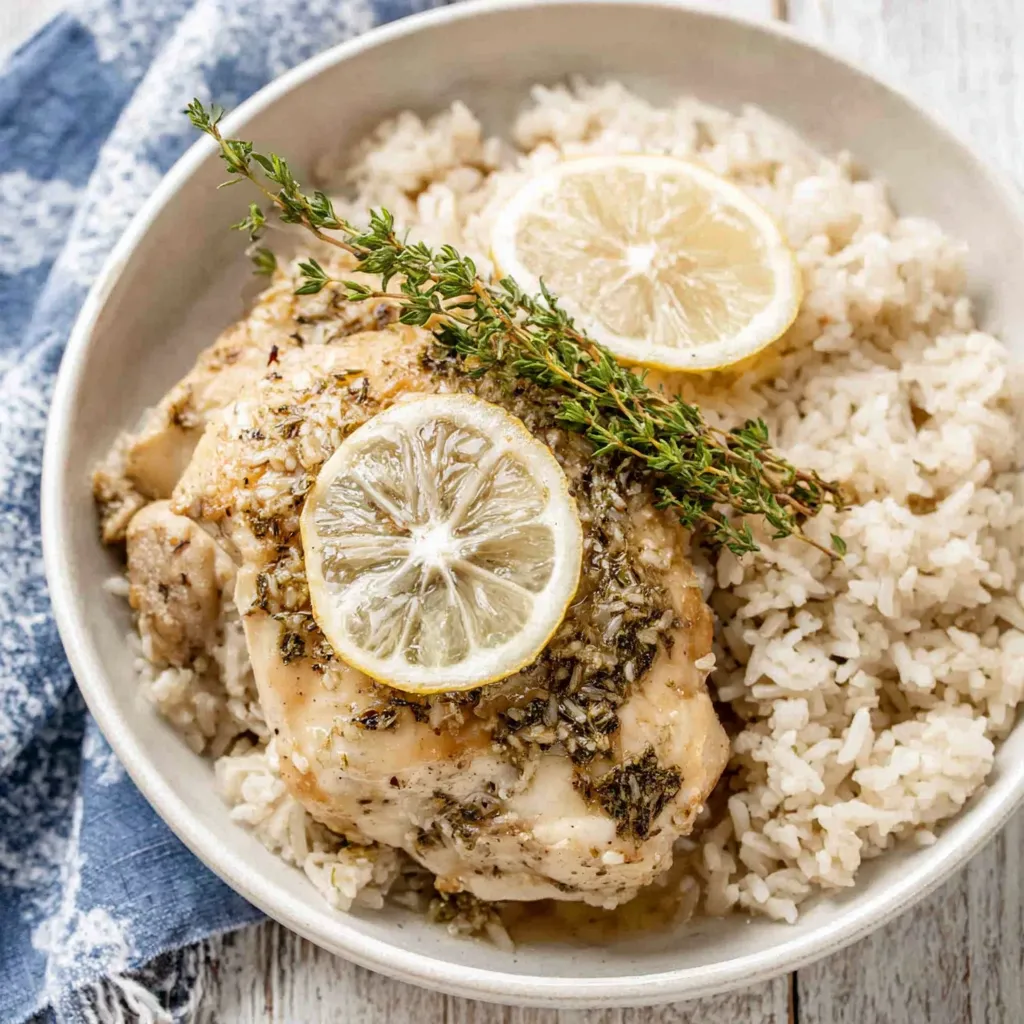 This recipe is the culmination of numerous trials, tweaking ingredients and techniques to achieve the perfect balance of flavor and texture.
Ingredients:
- 4 boneless, skinless chicken breasts
- 1 tablespoon olive oil
- 1 teaspoon salt
- 1/2 teaspoon black pepper
- 1/2 teaspoon garlic powder
- 1/4 teaspoon onion powder
- 1 cup chicken broth
- 1/2 cup heavy cream (or full-fat coconut milk for dairy-free)
- 1/4 cup chopped fresh parsley
- 2 tablespoons chopped fresh chives
- Juice of 1 lemon
- 1 tablespoon cornstarch (optional, for thickening)
- 1 cup long-grain rice, uncooked
Instructions:
- Sear the Chicken (Optional but Recommended): Heat olive oil in a skillet over medium-high heat. Sear chicken breasts for 2-3 minutes per side, until lightly browned. This step adds flavor and helps prevent the chicken from drying out in the slow cooker. Season with salt, pepper, garlic powder, and onion powder.
- Prepare the Slow Cooker: Place uncooked rice in the bottom of the slow cooker.
- Layer the Ingredients: Place seared chicken breasts on top of the rice. Pour chicken broth over the chicken and rice.
- Slow Cook: Cover and cook on low for 3-4 hours, or on high for 2-3 hours, or until the chicken is cooked through and the rice is tender. Cooking times may vary depending on your slow cooker.
- Shred the Chicken: Remove chicken breasts from the slow cooker and shred with two forks.
- Make it Creamy: Return shredded chicken to the slow cooker. Stir in heavy cream (or coconut milk), parsley, chives, and lemon juice.
- Thicken (Optional): If desired, whisk cornstarch with 2 tablespoons of cold water to create a slurry. Stir the slurry into the slow cooker and cook on high for 10-15 minutes, or until the sauce has thickened to your desired consistency.
- Serve: Serve immediately, garnished with extra parsley or chives, if desired.
Confessions of a Culinary Investigator: My Slow Cooker Journey
My journey to perfecting this Creamy Slow Cooker Lemon Herb Chicken and Rice was anything but smooth. My first few attempts were a disaster, resulting in either dry, flavorless chicken or a soupy, curdled mess. I almost gave up! But I knew there was potential, so I donned my lab coat (metaphorically, of course) and embarked on a culinary investigation.The Great Chicken Drought: Overcoming Dryness
Like many of you, I initially thought that slow cooking *guaranteed* moist chicken. I was wrong. Prolonged exposure to heat, even low heat, can dry out chicken breasts, especially if they’re lean.- The Problem: Dry, stringy chicken.
- The Solution: Searing the chicken breasts before adding them to the slow cooker. This creates a Maillard reaction, browning the surface and locking in moisture. I also experimented with brining the chicken, which helped but added an extra step I wanted to avoid. Searing proved the most effective and efficient solution. Also, not overcooking the chicken is key. Pull it out as soon as it reaches an internal temperature of 165F.
The Rice Predicament: A Mushy Nightmare
Getting the rice right was another major hurdle. My initial attempts resulted in a gloppy, overcooked mess. I tried various types of rice, different liquid ratios, and even pre-cooking the rice. Nothing seemed to work consistently.- The Problem: Mushy, overcooked rice.
- The Solution: Placing the uncooked long-grain rice *underneath* the chicken in the slow cooker. This allows the rice to cook in the chicken broth and absorb the flavors, while also preventing it from becoming too mushy. Using long-grain rice is crucial, as it holds its shape better than short-grain or medium-grain varieties.
The Curdling Conundrum: Taming the Cream
The final challenge was preventing the cream from curdling. I tried adding the cream at different stages of the cooking process, but it always seemed to separate or develop an unpleasant texture.- The Problem: Curdled, separated cream.
- The Solution: Adding the cream *at the very end* of the cooking process, after the chicken and rice are fully cooked. This minimizes the cream’s exposure to high heat, preventing it from curdling. I also found that using full-fat heavy cream (or full-fat coconut milk) resulted in a more stable emulsion. The fat content helps to bind the liquid together, preventing separation. The addition of lemon juice can also contribute to curdling if not balanced by the fat in the cream. Be careful to add the right amount.
The “Aha!” Moment: The Perfect Timing
Then, I had an “Aha!” moment when I realized the importance of timing. By searing the chicken, layering the ingredients correctly, adding the cream at the end, and carefully monitoring the cooking time, I could finally achieve the creamy, flavorful, and perfectly cooked dish I had envisioned. It was a culinary breakthrough! It reminded me of the satisfaction I get from making a White Chicken Chili, where layering flavors is also key. And the subtle lemon notes reminded me of my success with the Lemon Chicken Orzo.The Foolproof Formula: Mastering the Technique
After countless experiments, I’ve distilled the process into a simple, foolproof technique. Follow these steps, and you’ll be well on your way to slow cooker success:- Sear the Chicken: Brown the chicken breasts in a skillet before adding them to the slow cooker. This step is optional but highly recommended for added flavor and moisture.
- Layer Strategically: Place uncooked long-grain rice on the bottom of the slow cooker, followed by the chicken breasts. This ensures the rice cooks properly without becoming mushy.
- Don’t Overcook: Cook on low for 3-4 hours or high for 2-3 hours, or until the chicken is cooked through and the rice is tender. Overcooking will result in dry chicken and mushy rice.
- Cream at the End: Stir in heavy cream (or full-fat coconut milk), herbs, and lemon juice *after* the chicken and rice are fully cooked. This prevents the cream from curdling.
- Thicken if Needed: If desired, thicken the sauce with a cornstarch slurry. Be careful not to add too much, as it can make the sauce too thick and gloppy. I find the method similar to the process I use when making my Creamy Smothered Chicken And Rice
Why is it important to sear the chicken before putting it in the slow cooker?
Searing the chicken adds flavor and helps prevent it from drying out during the slow cooking process. It creates a Maillard reaction, browning the surface and locking in moisture.
How do I prevent the rice from becoming mushy in the slow cooker?
Place the uncooked long-grain rice underneath the chicken in the slow cooker. This allows the rice to cook in the chicken broth and absorb the flavors, while also preventing it from becoming too mushy. Using long-grain rice is crucial.
How do I prevent the cream from curdling in the slow cooker?
Add the heavy cream (or full-fat coconut milk), herbs, and lemon juice at the very end of the cooking process, *after* the chicken and rice are fully cooked. This minimizes the cream’s exposure to high heat, preventing it from curdling.
What type of rice is best to use in this recipe?
Long-grain rice is the best type to use as it holds its shape better than short-grain or medium-grain varieties and prevents the rice from becoming too mushy.
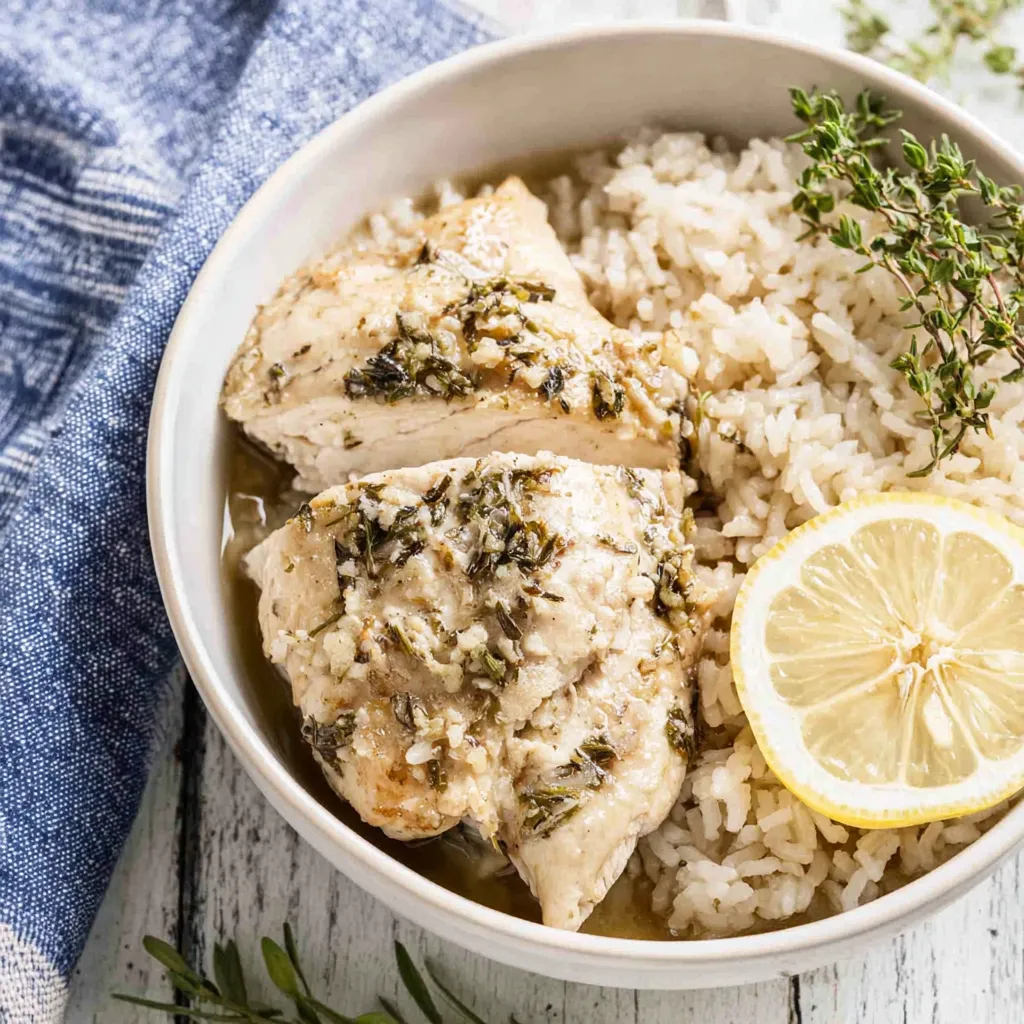
BEST CREAMY SLOW COOKER LEMON HERB CHICKEN AND RICE
Ingredients
Equipment
Method
- Heat olive oil in a skillet over medium-high heat. Sear chicken breasts for 2-3 minutes per side, until lightly browned. Season with salt, pepper, garlic powder, and onion powder.
- Place uncooked rice in the bottom of the slow cooker.
- Place seared chicken breasts on top of the rice. Pour chicken broth over the chicken and rice.
- Cover and cook on low for 3-4 hours, or on high for 2-3 hours, or until the chicken is cooked through and the rice is tender. Cooking times may vary depending on your slow cooker.
- Remove chicken breasts from the slow cooker and shred with two forks.
- Return shredded chicken to the slow cooker. Stir in heavy cream, parsley, chives, and lemon juice.
- Whisk cornstarch with 2 tablespoons of cold water to create a slurry. Stir the slurry into the slow cooker and cook on high for 10-15 minutes, or until the sauce has thickened to your desired consistency.
- Serve immediately, garnished with extra parsley or chives, if desired.