Color, in its purest form, is the first promise of flavor, and this Brazilian Coconut Chicken delivers a visual feast before the first bite even passes your lips. It’s a stunning, sun-drenched yellow, a vibrant hue that speaks of warm climates, bustling markets, and the earthy, golden magic of turmeric. This isn’t just a meal; it’s an escape, a simple and profound way to bring the soul of Brazilian cooking into your own kitchen with ingredients you can find almost anywhere.
Prepare for a sauce so luxuriously creamy and fragrant it will have you closing your eyes in delight. The chicken becomes impossibly tender, bathed in a savory coconut sauce that’s perfectly balanced with a whisper of garlic, a hint of onion, and a final, bright squeeze of lime. It’s a dish that feels both comforting and thrillingly exotic, a true masterpiece of flavorful chicken that will become an instant favorite for anyone lucky enough to be at your table.
The Brazilian Coconut Chicken Difference
- Balanced, Vibrant Flavor: This isn’t a one-note dish. The rich, full-fat coconut milk creates a creamy canvas for the earthy turmeric, savory garlic, and a final burst of acidic lime juice. It’s a complex, harmonious blend that defines the best international recipes.
- Perfectly Tender Chicken: We use a simple but crucial technique of searing the chicken thighs first. This step not only creates a beautiful golden crust but also locks in all the juices, ensuring every piece is succulent and melts in your mouth.
- Effortless Elegance: Despite its sophisticated flavor profile, this recipe is incredibly straightforward. It comes together in one pan with minimal fuss, making it one of those perfect exotic dinner recipes for a weeknight treat or for impressing guests.
The Building Blocks
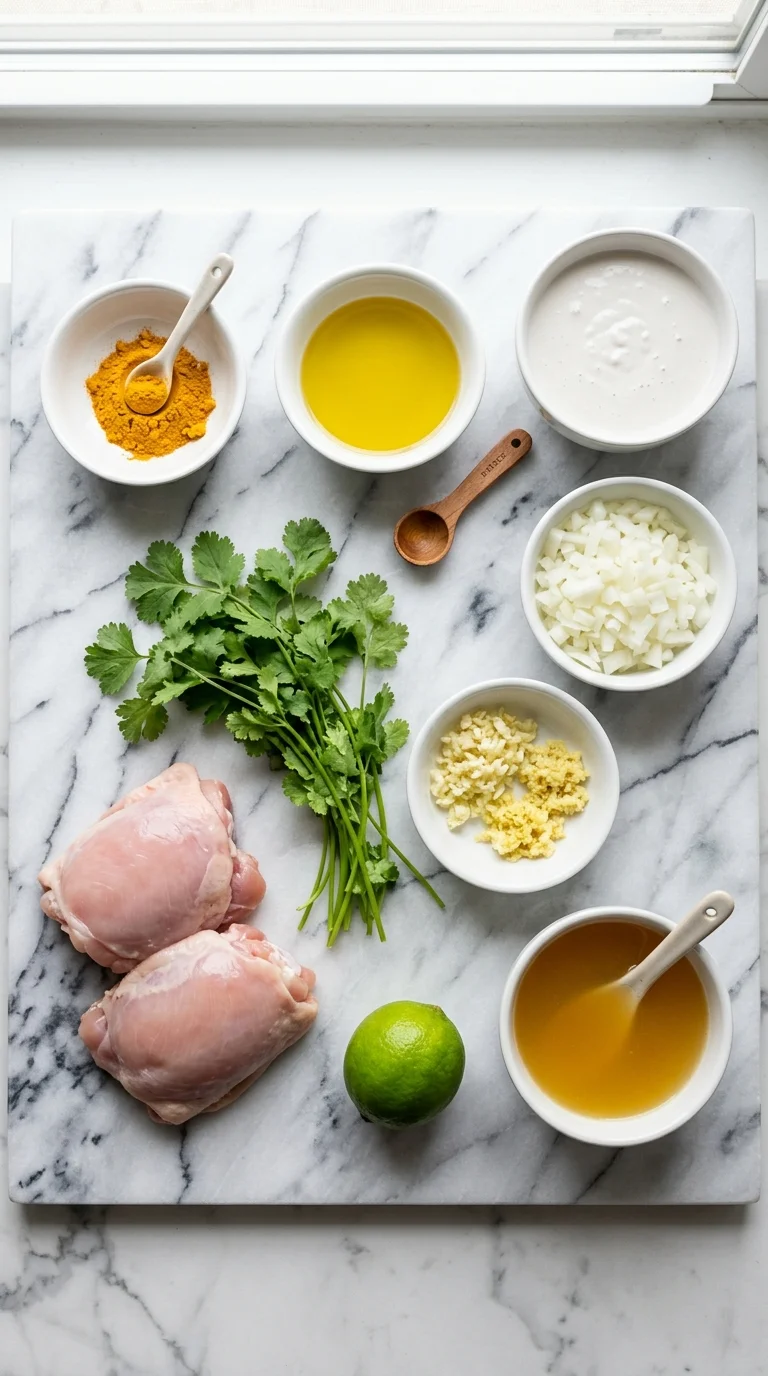
Here’s what you’ll need to gather:
- Chicken Thighs: Boneless, skinless thighs are the star. (Why? They have more fat and connective tissue than breasts, which means they stay incredibly moist and tender during simmering and absorb the sauce beautifully.)
- Full-Fat Coconut Milk: Two cans are essential for that signature rich and savory coconut sauce. (Why? Do not use “lite” coconut milk! The full-fat version provides the necessary creaminess and prevents the sauce from becoming thin or separating.)
- Yellow Onion & Garlic: The foundational aromatics that build the first layer of flavor.
- Ground Turmeric: This is what gives the dish its iconic golden color and a warm, earthy flavor. (Why? Beyond color, turmeric has a distinct peppery, slightly bitter taste that is crucial to the profile of this turmeric chicken.)
- Olive Oil or Coconut Oil: For searing the chicken and sautéing the aromatics.
- Chicken Broth: Just a splash to help thin the sauce to the perfect consistency.
- Lime: A fresh lime is non-negotiable. (Why? The acidity cuts through the richness of the coconut milk, brightening all the flavors and making the entire dish pop.)
- Fresh Cilantro: For a fresh, herbaceous finish.
- Salt and Black Pepper: To season every layer properly.
Swaps & Alternatives
Don’t have everything on hand? No problem. This recipe is wonderfully flexible.- Chicken Breast: If you prefer white meat, you can use chicken breast. Just be careful not to overcook it. Cut it into slightly larger chunks and reduce the simmering time by a few minutes.
- Ginger: While not traditional in this specific recipe, a teaspoon of freshly grated ginger added with the garlic will lend a lovely warmth and spice.
- No Fresh Lime: In a pinch, you can use a splash of white wine vinegar or even rice vinegar to add that necessary acidity, though fresh lime is always best.
- Parsley for Cilantro: If you’re not a fan of cilantro, fresh flat-leaf parsley will still provide a nice, fresh green finish.
- Spice it Up: For a touch of heat, add a pinch of red pepper flakes or a finely minced chili pepper along with the garlic and onion.
Chef’s Twists
Once you’ve mastered the classic version, you can start playing with it to make it your own. This dish is a fantastic base for creativity. Think of it as a starting point for your own signature coconut curry chicken.A simple yet elegant twist is to toast some unsweetened shredded coconut in a dry pan until it’s golden brown and fragrant. Sprinkling this over the finished dish adds a delightful textural contrast and deepens the coconut flavor.
For a touch of sweetness that complements the savory sauce, consider adding half a cup of diced mango or pineapple during the last five minutes of simmering. The fruit will soften slightly and release its juices, creating a beautiful sweet and savory dynamic reminiscent of a Sweet Hawaiian Crockpot Chicken.
Finally, to add another layer of complexity, try blooming a teaspoon of cumin seeds and a half teaspoon of coriander seeds in the oil before you add the onions. This small step infuses the oil with their aroma and gives the final dish a deeper, more spiced character, pushing it closer to a Brazilian Coconut Chicken Curry.
How to Make Brazilian Coconut Chicken
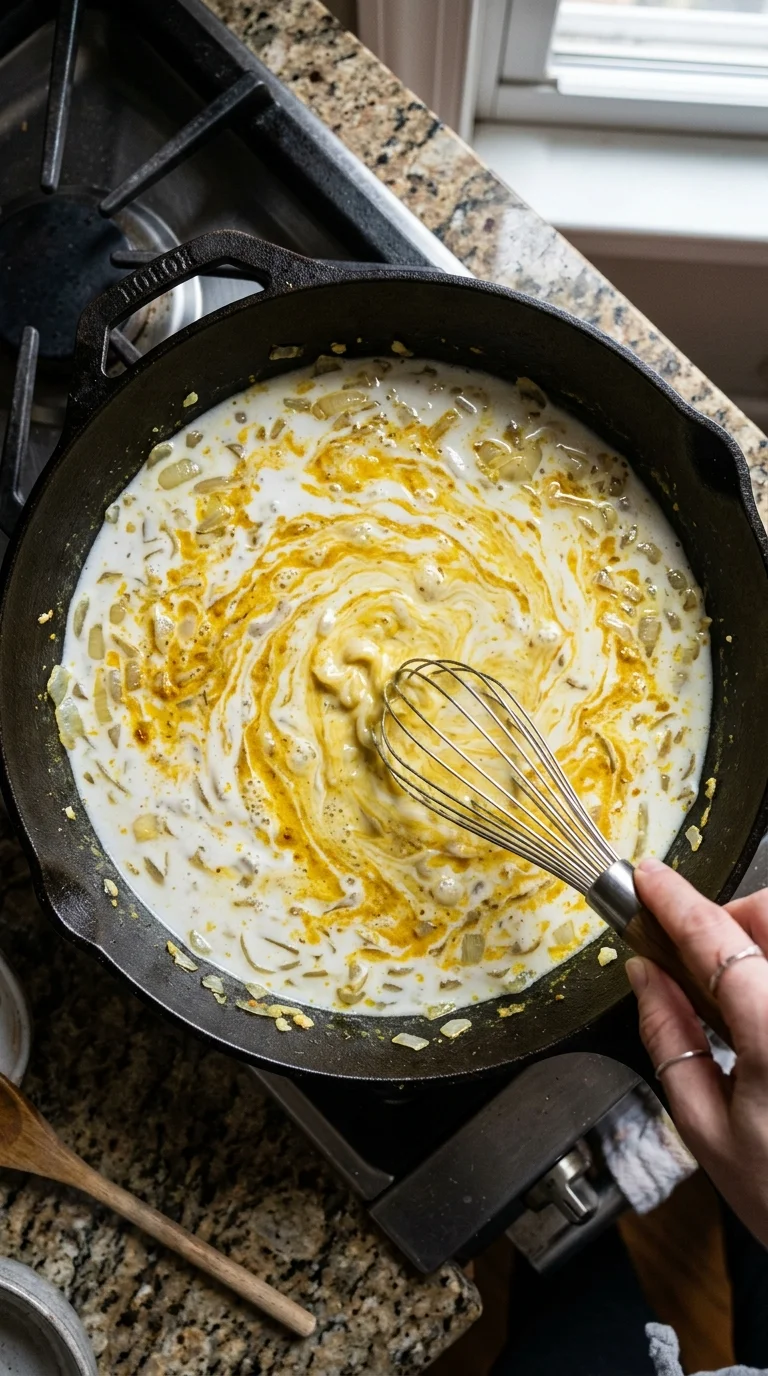
1. Prepare and Sear the Chicken
First things first, pat your chicken thighs completely dry with paper towels. This is crucial for getting a good sear! Season them generously on all sides with salt and pepper. Heat your oil in a large skillet or Dutch oven over medium-high heat. Once the oil is shimmering, carefully place the chicken in the pan, making sure not to overcrowd it. Sear for 3-4 minutes per side, until a deep golden-brown crust forms. The chicken doesn’t need to be cooked through at this point. Remove it from the pan and set it aside on a plate.2. Sauté the Aromatics
Reduce the heat to medium and add the chopped onion to the same skillet. Let it cook for about 5 minutes, stirring occasionally and scraping up any browned bits from the chicken (that’s pure flavor!). Once the onion is soft and translucent, add the minced garlic and ground turmeric. Stir constantly for about 30-60 seconds until everything is incredibly fragrant. This step of “blooming” the spice in the hot fat is key to unlocking its full flavor potential.3. Create the Coconut Sauce
Pour in the chicken broth to deglaze the pan, using your spoon to scrape up any remaining flavorful bits from the bottom. Let it bubble for a minute, then pour in both cans of full-fat coconut milk. Whisk everything together until the sauce is smooth and uniform in its gorgeous golden color. Bring the sauce to a gentle simmer, but do not let it come to a rolling boil, as this can cause the coconut milk to separate.4. Simmer to Perfection
Return the seared chicken thighs (and any juices that have collected on the plate) to the skillet. Nestle them into the sauce. Reduce the heat to low, cover the pan, and let it simmer gently for 15-20 minutes. During this time, the chicken will finish cooking and become incredibly tender, while the sauce will thicken slightly and absorb all the delicious flavors. This gentle simmer is what makes so many coconut-based dishes, like a comforting Slow Cooker Thai Coconut Chicken Soup, so successful.5. The Finishing Touches
Once the chicken is cooked through, turn off the heat. Squeeze in the juice of one fresh lime and stir in the chopped fresh cilantro. Taste the sauce and adjust the seasoning with more salt, pepper, or lime juice as needed. The lime is what truly awakens all the flavors, so don’t be shy! Let it rest for a minute before serving.Avoid These Pitfalls
- Boiling the Coconut Milk: The number one mistake! A hard boil can cause the fats and liquids in coconut milk to separate, resulting in a grainy or oily sauce. Always maintain a gentle, low simmer for a perfectly creamy texture.
- Crowding the Pan: When searing the chicken, give each piece plenty of space. If the pan is too crowded, the chicken will steam instead of sear, and you’ll miss out on that beautiful, flavor-packed golden crust. Work in batches if necessary.
- Skipping the Final Acidity: Forgetting the lime juice at the end is like listening to a song without the high notes. The rich, fatty coconut milk needs that bright, acidic kick to balance it out and make the flavors truly sing.
Complete the Menu
This flavorful chicken dish is a star, but the right supporting cast makes it a truly unforgettable meal. The most classic and essential pairing is, of course, rice.Fluffy, long-grain white rice is the perfect vehicle for soaking up every last drop of that incredible savory coconut sauce. If you want to elevate the experience, try making a simple coconut rice by cooking your rice with half coconut milk and half water. It echoes the flavors in the main dish beautifully, much like in a dedicated Coconut Chicken And Rice recipe.
For a fresh, crunchy element, a simple side salad with a light vinaigrette works wonders. Alternatively, steamed or roasted green beans, broccoli, or asparagus add a welcome touch of green and a different texture.
To complete the Brazilian theme, consider serving with fried plantains (plátanos maduros). Their caramelized sweetness is a stunning contrast to the savory, creamy chicken. And always, always serve with extra lime wedges and a sprinkle of fresh cilantro on top for a final burst of freshness. This dish works wonderfully as a standalone meal or as part of a larger spread, and it’s fantastic when served in a bowl format, similar to a Coconut Chicken Rice Bowl. The combination of rice and chicken is a classic for a reason. It’s even better when you have a sauce this good, a sauce that could rival the one in a top-tier Coconut Curry Soup With Steamed Dumplings.
What did you serve this with? Share your pairing ideas in the comments.
Why is it essential to use full-fat coconut milk for this recipe?
Full-fat coconut milk is crucial because it provides the necessary richness and creaminess for the sauce. Using a ‘lite’ version can result in a thin, watery sauce that may separate when heated.
Can I use chicken breast instead of chicken thighs?
Yes, you can substitute chicken breast for thighs. However, to prevent it from becoming dry, you should cut it into slightly larger chunks and reduce the simmering time by a few minutes.
What are the most common mistakes to avoid when making Brazilian Coconut Chicken?
The three main pitfalls to avoid are: boiling the coconut milk, which can make the sauce grainy; crowding the pan while searing the chicken, which prevents a golden crust from forming; and skipping the final squeeze of lime juice, which is vital for balancing the richness of the sauce.
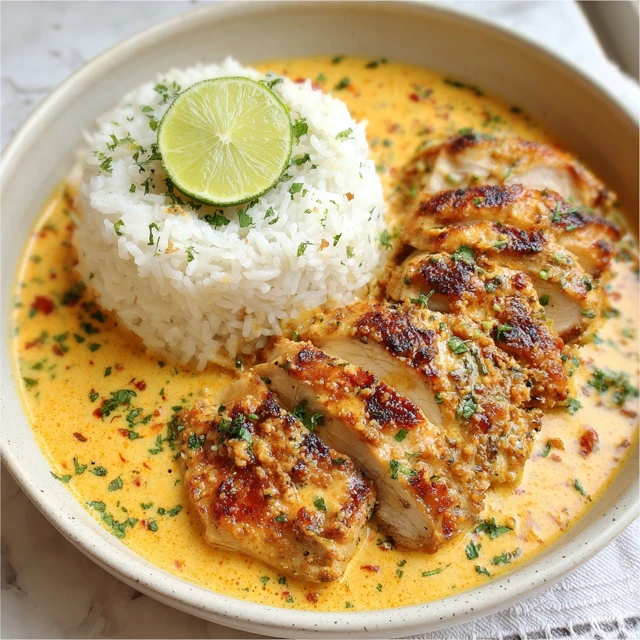
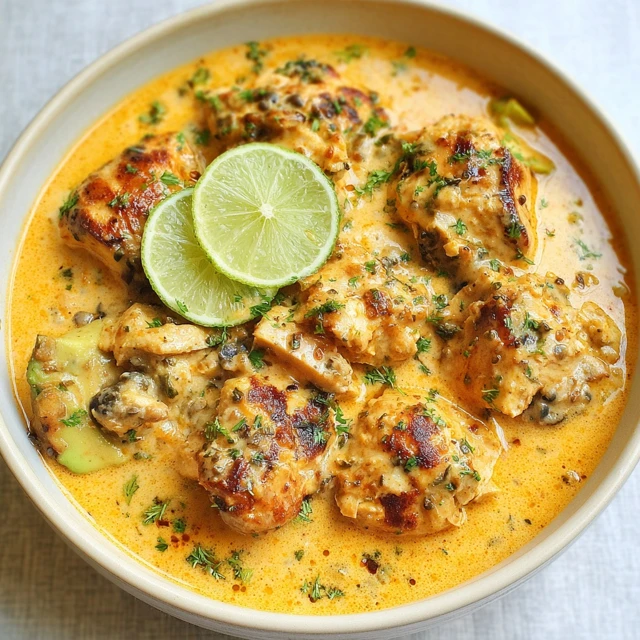
Brazilian Coconut Chicken
Ingredients
Equipment
Method
- Pat the chicken thighs completely dry with paper towels and season generously on all sides with salt and pepper.
- Heat oil in a large skillet or Dutch oven over medium-high heat. Once shimmering, sear the chicken for 3-4 minutes per side until a deep golden-brown crust forms. Do not overcrowd the pan; work in batches if necessary. Remove the chicken from the pan and set aside on a plate.
- Reduce heat to medium. Add the chopped onion to the skillet and cook for about 5 minutes, stirring occasionally, until soft and translucent. Scrape up any browned bits from the bottom of the pan.
- Add the minced garlic and ground turmeric. Stir constantly for 30-60 seconds until fragrant.
- Pour in the chicken broth to deglaze the pan, scraping up any remaining flavorful bits. Let it bubble for a minute.
- Pour in both cans of full-fat coconut milk and whisk until the sauce is smooth and uniform in color. Bring the sauce to a gentle simmer, but do not let it come to a rolling boil.
- Return the seared chicken and any accumulated juices to the skillet, nestling the pieces into the sauce. Reduce the heat to low, cover, and simmer gently for 15-20 minutes, or until the chicken is cooked through and incredibly tender.
- Turn off the heat. Stir in the fresh lime juice and chopped cilantro. Taste the sauce and adjust seasoning with more salt, pepper, or lime juice if needed. Let it rest for a minute before serving.
Notes
Variations: For a touch of heat, add a pinch of red pepper flakes with the garlic. A teaspoon of grated ginger can also be added for extra warmth. If you dislike cilantro, fresh flat-leaf parsley can be substituted.
Chef’s Twists: Garnish with toasted shredded coconut for added texture. For a sweet and savory flavor, add 1/2 cup of diced mango or pineapple during the last 5 minutes of simmering.
Serving Suggestions: Serve hot over fluffy white rice or coconut rice to soak up the sauce. Pairs wonderfully with steamed green beans, roasted broccoli, or fried plantains. Garnish with extra fresh cilantro and lime wedges on the side.