Reliability in the kitchen is a form of love, a quiet promise that you can create something wonderful without stress or uncertainty. This baked salmon recipe is my most trusted culinary confidant, the one I turn to on hectic weeknights and for special occasions alike, because it never, ever fails. It’s the little black dress of dinners—effortlessly elegant, always appropriate, and guaranteed to make you feel good.
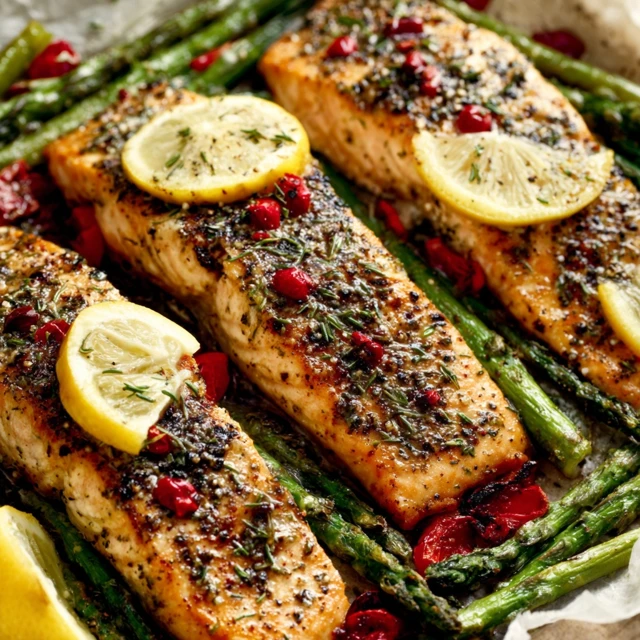
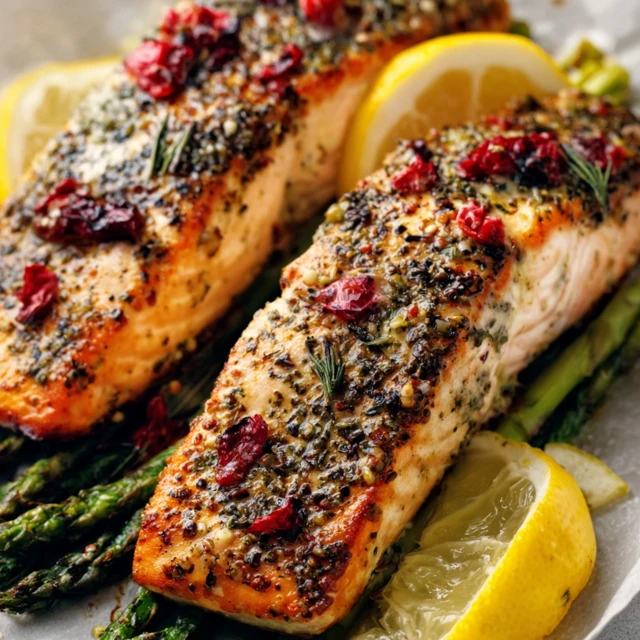
What emerges from the oven is a masterpiece of texture and flavor: a fillet so tender it flakes with the gentle nudge of a fork, its surface caramelized with a whisper of garlic and lemon, and its center perfectly moist and coral-pink. This is the simple, elegant, and foolproof method that will make you a salmon-baking expert, every single time.
The Baked Salmon Difference
- Perfectly Moist Texture: This method uses a moderately high heat (400°F) which cooks the salmon quickly, sealing in moisture before it has a chance to dry out. The result is an incredibly tender and flaky fillet, never chalky or tough.
- Aromatic Steam-Roasting: By loosely covering the salmon with foil or parchment, we create a pocket of aromatic steam from the lemon, garlic, and herbs. This gently infuses the fish with flavor from the inside out while it roasts.
- Foolproof & Forgiving: There’s a generous window for doneness, making it ideal for beginners. Unlike high-heat methods like broiling, this gentle bake is much more forgiving if you get distracted for a minute or two.
The Building Blocks
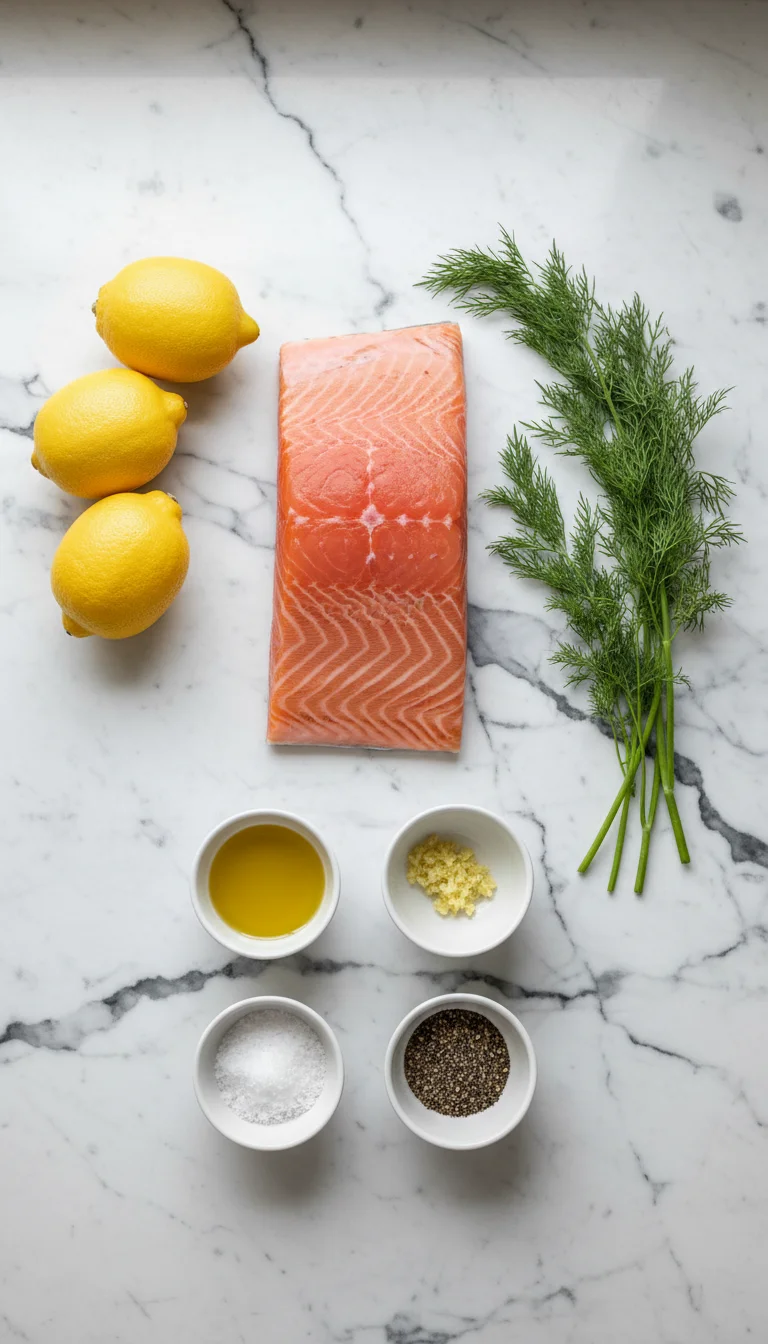
- Salmon Fillet: A 1.5 to 2-pound center-cut salmon fillet is ideal. (Why: A center-cut piece ensures even thickness, which is the key to uniform cooking. Ask your fishmonger for one with the skin on or off, based on your preference.)
- Extra-Virgin Olive Oil: About 2 tablespoons. (Why: It adds richness, helps the seasonings adhere, and prevents the fish from sticking while promoting a beautifully golden surface.)
- Fresh Lemon: One whole lemon, thinly sliced, plus more for serving. (Why: The acid in lemon brightens the rich flavor of the salmon and tenderizes the flesh as it bakes.)
- Garlic: 3-4 cloves, minced or thinly sliced. (Why: Fresh garlic provides a sweet, aromatic depth that complements the fish without overpowering it. It’s much better than powder here.)
- Fresh Herbs: A small handful of fresh dill or parsley, chopped. (Why: Fresh herbs add a burst of vibrant, clean flavor at the end that cuts through the richness of the fish.)
- Kosher Salt & Black Pepper: To taste. (Why: These are non-negotiable for enhancing all the other flavors. Season generously!)
Swaps & Alternatives
Don’t have everything on hand? No problem. This recipe is wonderfully flexible.- For Olive Oil: Melted unsalted butter is a fantastic substitute, adding a nutty, rich flavor. Avocado oil also works well for its neutral taste and high smoke point.
- For Lemon: Thinly sliced lime or even orange can be used for a different citrusy note. A splash of dry white wine like Sauvignon Blanc in the baking dish also adds wonderful flavor.
- For Fresh Herbs: If you don’t have dill or parsley, fresh thyme sprigs or finely chopped rosemary can create a more rustic, earthy flavor profile.
- For Fresh Garlic: In a pinch, you can use 1 teaspoon of garlic powder, but the flavor of fresh is truly superior.
- For Salmon: This method works beautifully with other oily fish like steelhead trout or arctic char.
Gourmet Variations
Once you’ve mastered the basic technique, feel free to get creative. This simple baked salmon is a perfect canvas for a world of flavors.For a deeper, more complex taste, consider using a pre-made Salmon Marinade before baking. It’s a simple step that can infuse the fillet with incredible flavor.
Try a Mediterranean twist by scattering Kalamata olives, cherry tomato halves, and capers around the fillet before baking. Finish with a sprinkle of fresh oregano.
For an Asian-inspired version, swap the olive oil, lemon, and dill for sesame oil, soy sauce, minced ginger, and a drizzle of honey or maple syrup. Garnish with sesame seeds and sliced scallions.
If you love bold, spicy flavors, you’ll appreciate how well this fish stands up to heat. A sprinkle of red pepper flakes is a great start, but for a truly intense experience, you might want to explore a recipe for Blackened Salmon next time.
Step-by-Step Instructions
1. Prepare the Oven and Pan
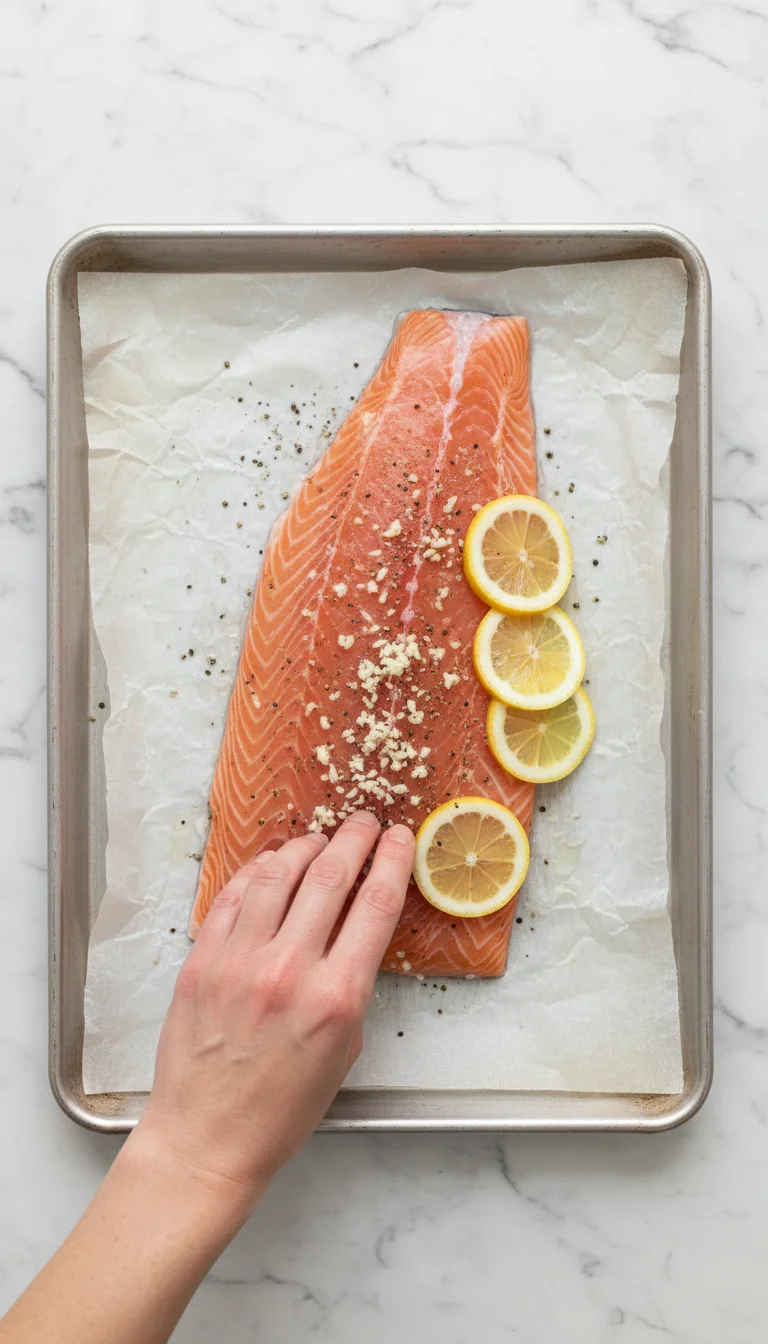
First things first, preheat your oven to 400°F (200°C). Proper preheating is crucial for even cooking. While it heats, line a baking sheet with a large piece of parchment paper or aluminum foil, leaving enough overhang on the sides to fold over the fish later.Lightly grease the center of the parchment or foil with a bit of olive oil. This is an extra insurance policy to prevent any possibility of the salmon skin sticking.
2. Season the Salmon
Gently pat the salmon fillet completely dry with paper towels. This is a critical step! A dry surface allows the oil and seasonings to stick properly and helps the top of the fish brown slightly rather than just steam.Place the salmon, skin-side down if it has skin, in the center of your prepared baking sheet. Drizzle it generously with olive oil, then use your hands or a brush to coat the entire surface. Season liberally with kosher salt and freshly cracked black pepper. Don’t be shy here; a thick fillet needs ample seasoning.
3. Create the Flavor Base
Now for the fun part. Arrange the thin lemon slices in an even layer directly on top of the salmon fillet. Scatter the minced or sliced garlic over and around the lemon. This aromatic topping will gently infuse the fish as it bakes.If you’re using heartier herbs like thyme or rosemary sprigs, you can lay them on top now. We’ll save delicate herbs like dill and parsley for the very end to preserve their fresh flavor.
4. Bake to Flaky Perfection
Bring the sides of the parchment or foil up and over the salmon, folding them to create a loose tent or packet. You don’t want to seal it tightly; the goal is to trap some steam while still allowing heat to circulate.Place the baking sheet in the center of the preheated oven. Bake for 12-15 minutes. The exact time will depend on the thickness of your fillet. Thinner, tail-end pieces might be done in 10-12 minutes, while a very thick center-cut piece could take up to 18 minutes.
The salmon is done when it flakes easily with a fork at its thickest part, and the center is still slightly translucent and moist. An instant-read thermometer should register between 125°F and 130°F (52°C to 54°C) for a perfect medium.
5. Rest and Garnish
Carefully remove the baking sheet from the oven. Open the packet (watch out for hot steam!) and let the salmon rest for 3-5 minutes. This allows the juices to redistribute throughout the fillet, ensuring every bite is moist.Just before serving, sprinkle the chopped fresh dill or parsley over the top. The residual heat will release their fragrant oils. Serve immediately with extra lemon wedges on the side for squeezing.
Avoid These Pitfalls
- The Sin of Overbaking: This is the most common mistake. Salmon goes from perfect to dry in a matter of minutes. Start checking for doneness at the low end of the time range. It’s better to pull it out a minute early than a minute too late, as it will continue to cook from residual heat.
- Forgetting to Pat It Dry: A wet salmon fillet will steam in the oven, resulting in a pale, slightly soft exterior. Patting it dry is the secret to a beautifully textured surface and helps the seasonings adhere properly.
- Seasoning Too Early: Don’t salt your salmon and let it sit for a long time before baking. Salt draws out moisture, and letting it sit can begin to cure the fish, changing its texture. Season right before it goes into the oven.
Perfect Pairings
This elegant main course pairs beautifully with a wide variety of sides, making it perfect for any occasion, from a quick weeknight dinner to a sophisticated dinner party.For a classic and healthy meal, serve the salmon alongside roasted asparagus or green beans. The simplicity of roasted vegetables complements the fish without competing with its flavor. This is a much quicker alternative to a full Sheet Pan Salmon And Vegetables when you’re short on time.
A bed of fluffy quinoa, wild rice, or creamy mashed potatoes is perfect for soaking up any delicious juices from the pan. For a lighter option, a simple arugula salad with a lemon vinaigrette provides a fresh, peppery contrast.
While this recipe is delicious on its own, a simple sauce can elevate it even further. A dollop of Greek yogurt with fresh dill, or the incredible sauce from this Pan Seared Salmon With Creamy Dill Sauce recipe would be absolutely divine. And if you find yourself with leftovers, they are fantastic flaked into a salad, mixed into pasta, or even used as the star in a Spicy Salmon Sushi Bake. If you enjoy this baking method, you should also try making Broiled Salmon for a faster cook time with a more caramelized top.
If you tried this recipe and loved it, please leave a 5-star rating below. It helps us so much
How can I tell when my baked salmon is perfectly cooked?
The salmon is done when it flakes easily with a fork at its thickest point and the center is still moist and slightly translucent. For best results, use an instant-read thermometer; it should register between 125°F and 130°F (52°C to 54°C) for a perfect medium.
What are the most common mistakes to avoid when baking salmon?
The three main pitfalls to avoid are: 1) Overbaking, which makes the fish dry. 2) Forgetting to pat the fillet dry with paper towels, which prevents a good texture. 3) Salting the salmon too far in advance, as salt draws out moisture and can negatively affect the texture.
Why is the salmon covered with foil or parchment paper in this recipe?
Loosely covering the salmon creates a pocket of aromatic steam from the lemon, garlic, and herbs. This method gently infuses the fish with flavor from the inside out and seals in moisture, ensuring the fillet is incredibly tender and never dry.
Can I substitute other ingredients in this recipe?
Yes, this recipe is very flexible. You can use melted butter instead of olive oil, lime or orange slices instead of lemon, and other fresh herbs like thyme or rosemary. This baking method also works well for other oily fish like steelhead trout or arctic char.
Simple Baked Salmon Perfect Every Time
Ingredients
Equipment
Method
- Preheat your oven to 400°F (200°C). Line a baking sheet with a large piece of parchment paper or foil, ensuring enough overhang to fold over the fish. Lightly grease the center.
- Pat the salmon fillet completely dry with paper towels. Place it in the center of the prepared baking sheet. Drizzle with olive oil and use your hands or a brush to coat the entire surface.
- Season the fillet generously with kosher salt and black pepper.
- Arrange the thin lemon slices in an even layer over the top of the salmon. Scatter the minced or sliced garlic over and around the lemon slices.
- Bring the sides of the parchment or foil up and fold them over to create a loose tent or packet around the salmon. This will trap steam while it bakes.
- Place the baking sheet in the center of the preheated oven. Bake for 12-15 minutes, depending on the thickness of your fillet. The salmon is done when it flakes easily with a fork or an instant-read thermometer registers 125-130°F (52-54°C) at the thickest part.
- Carefully remove the baking sheet from the oven and open the packet, being cautious of hot steam. Let the salmon rest for 3-5 minutes.
- Garnish with fresh chopped dill or parsley and serve immediately with extra lemon wedges on the side.
Notes
Substitutions: Melted butter or avocado oil can be used instead of olive oil. Lime or orange slices can replace lemon. Fresh thyme or rosemary are good alternatives to dill or parsley.
Variations: For a Mediterranean twist, add Kalamata olives, cherry tomatoes, and capers before baking. For an Asian-inspired flavor, use sesame oil, soy sauce, and minced ginger instead of the olive oil and lemon.