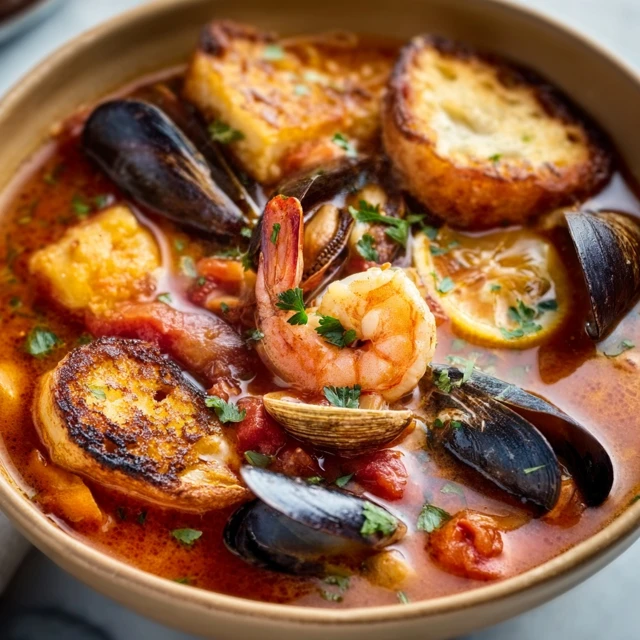
Some dishes arrive quietly at the table, but Cioppino makes an entrance. It’s a boisterous, beautiful symphony of the sea, a rust-colored masterpiece brimming with treasures, where the clatter of mussel shells against the bowl is part of the music. This isn’t just a stew; it’s a celebration, a communal feast that feels both rustic and incredibly luxurious, born from the resourceful spirit of San Francisco fishermen and perfected for your holiday table.
Get ready to create a broth so deeply flavorful it will haunt your dreams, a rich tomato-fennel base that perfectly cradles every piece of tender seafood. We’re talking plump shrimp, delicate fish, sweet crab, and briny shellfish, all swimming together in perfect harmony. This recipe demystifies the process, turning what seems like a restaurant-only indulgence into an achievable, show-stopping centerpiece for any special occasion.
The Cioppino Seafood Stew Difference
- Layered Broth, Not Just Tomato: We build the broth in stages, starting with a classic mirepoix plus fennel, then adding white wine, clam juice, and crushed tomatoes. This creates a complex, savory, and slightly sweet base that is the soul of the dish.
- Strategic Seafood Addition: Not all seafood cooks at the same rate. This recipe guides you on exactly when to add each type—from the firm fish to the delicate shrimp—ensuring nothing is overcooked and every bite is perfect.
- Aromatic Finish: A final flourish of fresh parsley and a squeeze of lemon at the end cuts through the richness and brightens every single flavor, making the entire stew feel vibrant and alive.
The Building Blocks

The magic of a truly great Cioppino lies in using fresh, high-quality ingredients. While the list might seem long, each component plays a crucial role in building the layers of flavor that make this stew so unforgettable. Don’t be afraid to talk to your fishmonger; they are your best friend here!
- Olive Oil: For sautéing the aromatics and building the flavor foundation.
- Yellow Onion, Celery, and Carrots (Mirepoix): The classic trio that creates a sweet, savory base for countless soups and stews.
- Fennel Bulb: (The secret weapon!) Adds a subtle, sweet anise flavor that is the traditional, signature taste of an authentic Cioppino.
- Garlic: (Use plenty!) Provides a pungent, aromatic depth that is absolutely essential.
- Red Pepper Flakes: For a gentle background heat that warms you from the inside out. Adjust to your preference.
- Dry White Wine: (Such as Sauvignon Blanc or Pinot Grigio) Used to deglaze the pan, it adds a crucial layer of acidity and complexity.
- Crushed Tomatoes: (High-quality, like San Marzano) Forms the heart of the broth, providing sweetness, body, and that beautiful ruby color.
- Clam Juice or Fish Stock: (The key to a seafood-forward broth) This infuses the entire stew with the flavor of the sea from the very beginning.
- Bay Leaves & Dried Oregano: Classic herbs that add a savory, earthy background note to the tomato base.
- Firm White Fish Fillets: (Such as cod, halibut, or snapper, cut into chunks) Choose a fish that will hold its shape during cooking.
- Large Shrimp: (Peeled and deveined) Adds a sweet, tender bite. Getting the timing right is key, just like in our Garlic Butter Shrimp Scampi.
- Mussels and/or Clams: (Scrubbed well) They open up during cooking, releasing their delicious briny liquor directly into the stew.
- Sea Scallops: (Large, if possible) For a touch of buttery, sweet luxury. To ensure they’re perfectly cooked, you can apply techniques from our guide to Pan-seared Scallops.
- Cooked Crab Legs: (King, Dungeness, or Snow) The crowning glory! They just need to be heated through in the fragrant broth. If you have leftovers, they’re fantastic prepared with the King Crab Legs Oven method.
- Fresh Parsley & Lemon: (For serving) Absolutely non-negotiable for a bright, fresh finish.
Swaps & Alternatives
Don’t have everything on hand? No problem. Cioppino is famously adaptable, born from whatever the fishermen brought in that day.- No Fennel: While it’s highly recommended for its signature flavor, you can substitute it with a bit more celery and a splash of Pernod or other anise-flavored liqueur with the wine.
- Wine-Free Option: If you prefer not to cook with alcohol, you can deglaze the pan with more clam juice or fish stock, adding a good squeeze of fresh lemon juice at the end for acidity.
- Seafood Variations: Feel free to use what’s fresh and available. Calamari rings, chunks of lobster tail, or even firm fish like swordfish can be wonderful additions.
- Canned vs. Fresh Tomatoes: While high-quality crushed tomatoes are best, you can use a combination of tomato purée and diced tomatoes in a pinch.
- Stock Options: If you can’t find clam juice or fish stock, a light vegetable broth can work, though the final dish will have a less pronounced “from the sea” flavor.
Gourmet Variations
Ready to make this legendary stew uniquely yours? Here are a few twists that can elevate your Cioppino from fantastic to unforgettable.- Add a Saffron Aioli: Whisk together mayonnaise, a finely minced garlic clove, a pinch of saffron threads (bloomed in a teaspoon of hot water), and a squeeze of lemon juice. Serve a dollop on top of the stew or on the side with crusty bread.
- Introduce Smoky Paprika: Add a teaspoon of smoked paprika along with the red pepper flakes. This lends a subtle, smoky depth that complements the tomato and seafood beautifully.
- Incorporate a Gremolata: Instead of just parsley, chop together a mix of fresh parsley, lemon zest, and a small clove of garlic. Sprinkling this over the finished stew adds an incredible burst of fresh, zesty flavor.
- A Touch of Orange: A long strip of orange zest, added to the broth as it simmers (and removed before serving), introduces a bright, fragrant citrus note that is a classic pairing with fennel and tomato.
How to Make Cioppino Seafood Stew

1. Sauté the Aromatic Base
In a large Dutch oven or heavy-bottomed pot, heat the olive oil over medium heat. Add the chopped onion, celery, carrots, and fennel. Sauté, stirring occasionally, for about 8-10 minutes, until the vegetables have softened and the onion is translucent. You’re not looking for browning here, just a gentle softening to release their sweet flavors.Add the minced garlic and red pepper flakes and cook for another minute until fragrant. Be careful not to let the garlic burn. This quick step blooms the flavors of the garlic and chili, making them more potent.
2. Build the Rich Broth
Pour in the dry white wine to deglaze the pot, scraping up any browned bits from the bottom with a wooden spoon. Let the wine simmer and reduce by about half, which should take 2-3 minutes. This cooks off the raw alcohol flavor, leaving behind a wonderful complexity.Stir in the crushed tomatoes, clam juice (or fish stock), bay leaves, and dried oregano. Season generously with salt and pepper. Bring the mixture to a simmer, then reduce the heat to low, cover the pot, and let it gently bubble for at least 30 minutes. This simmering time is crucial; it allows all the flavors to meld together into a cohesive, deeply savory broth, much like the base of a hearty Guinness Beef Stew.
3. Cook the Seafood in Stages
Now for the main event! It’s important to add the seafood in order of cooking time to prevent anything from becoming tough or rubbery. First, taste your broth and adjust the seasoning if needed. It should be well-seasoned before the seafood goes in.Nestle the firm fish chunks into the broth. Cover the pot and let them cook for about 3-4 minutes. The fish will start to turn opaque. This is your first layer of seafood.
4. Add the Shellfish and Shrimp
Next, add the mussels and/or clams to the pot, tucking them into the broth. Cover and cook for another 3-5 minutes, or until the shells begin to pop open. As they open, they release their natural, briny juices, adding another incredible layer of flavor to the stew.Finally, add the shrimp and scallops. They cook very quickly! Stir them gently into the stew, cover the pot, and cook for just 2-3 more minutes. The shrimp will turn pink and opaque, and the scallops will be firm but tender. This is also the time to add the cooked crab legs, simply to heat them through in the fragrant steam. Discard any mussels or clams that did not open.
Avoid These Pitfalls
- Overcooking the Seafood: This is the number one mistake. Seafood cooks in minutes. Add it in stages as directed and pull the pot off the heat the moment the shrimp is pink. The residual heat will finish the job.
- Not Simmering the Broth Long Enough: Rushing the broth will result in a thin, one-note tomato soup. That 30-minute simmer is non-negotiable for developing the deep, complex flavors that define a great Cioppino.
- Forgetting to Clean the Shellfish: Mussels and clams can be gritty. Make sure to scrub the shells well under cold running water and “debeard” the mussels by pulling off the stringy bits before cooking.
Perfect Pairings
Cioppino is a magnificent meal all on its own, but the right accompaniments turn it into a true feast. The most important thing you need is something to soak up every last drop of that incredible broth.A loaf of crusty, rustic sourdough bread is the classic and, in my opinion, the best choice. Tear off big chunks for dipping. Toasted garlic bread or simple grilled crostini rubbed with a raw garlic clove are also fantastic options.
For a wine pairing, stick with what you used in the broth. A
What is the secret to not overcooking the seafood in Cioppino?
The key is to add the seafood in stages based on cooking time. First, add the firm fish and cook for a few minutes. Next, add mussels and clams until they open. Finally, add the quick-cooking shrimp and scallops for the last 2-3 minutes. The pot should be removed from the heat as soon as the shrimp turns pink to prevent overcooking.
What makes the broth in this Cioppino recipe so flavorful?
The broth’s deep flavor comes from being built in layers. It starts with a base of sautéed mirepoix (onion, celery, carrots) and fennel, which is then deglazed with white wine. High-quality crushed tomatoes and clam juice or fish stock are then added and simmered for at least 30 minutes to allow the flavors to fully meld.
Can I make Cioppino if I don’t have fennel or don’t want to use wine?
Yes, the recipe is adaptable. If you don’t have fennel, you can substitute it with more celery and a splash of an anise-flavored liqueur. For a wine-free option, simply use more clam juice or fish stock to deglaze the pan and add a good squeeze of fresh lemon juice at the end to provide the necessary acidity.
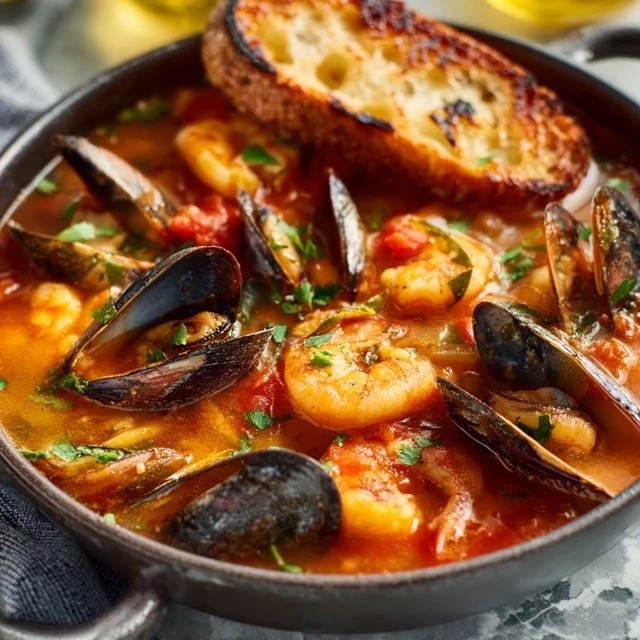
Cioppino Seafood Stew: A Holiday Masterpiece
Ingredients
Equipment
Method
- In a large Dutch oven or heavy-bottomed pot, heat the olive oil over medium heat. Add the chopped onion, celery, carrots, and fennel. Sauté, stirring occasionally, for about 8-10 minutes, until the vegetables have softened and the onion is translucent.
- Add the minced garlic and red pepper flakes and cook for another minute until fragrant, being careful not to let the garlic burn.
- Pour in the dry white wine to deglaze the pot, scraping up any browned bits from the bottom with a wooden spoon. Let the wine simmer and reduce by about half, which should take 2-3 minutes.
- Stir in the crushed tomatoes, clam juice (or fish stock), bay leaves, and dried oregano. Season generously with salt and pepper. Bring the mixture to a simmer, then reduce the heat to low, cover the pot, and let it gently bubble for at least 30 minutes to allow the flavors to meld.
- Taste the broth and adjust seasoning if needed. Nestle the firm fish chunks into the broth. Cover the pot and let them cook for about 3-4 minutes, until the fish begins to turn opaque.
- Add the mussels and clams to the pot, tucking them into the broth. Cover and cook for another 3-5 minutes, or until the shells begin to pop open.
- Gently stir in the shrimp and scallops. Add the cooked crab legs to the pot. Cover and cook for just 2-3 more minutes, until the shrimp are pink and opaque and the scallops are firm. Discard any mussels or clams that did not open.
- Ladle the Cioppino into large bowls. Garnish generously with fresh parsley and serve immediately with lemon wedges on the side and plenty of crusty bread for dipping.
Notes
– Do not overcook the seafood. Add it in stages as directed and remove from heat as soon as the shrimp is pink.
– Do not rush the broth. The 30-minute simmer is crucial for developing deep, complex flavors.
– Ensure all shellfish is cleaned thoroughly. Scrub mussels and clams under cold water and debeard the mussels before cooking. Variations & Substitutions:
– Gourmet Finish: Serve with a Saffron Aioli, sprinkle with a Gremolata (parsley, lemon zest, garlic), or add a strip of orange zest to the simmering broth for a bright, fragrant note.
– No Fennel: Substitute with more celery and a splash of an anise-flavored liqueur like Pernod.
– Wine-Free: Deglaze with more fish stock or clam juice and add a good squeeze of lemon juice at the end for acidity.
– Seafood: Feel free to use what’s fresh, such as calamari rings or lobster tail. Serving Suggestion:
The best accompaniment is a loaf of crusty sourdough bread for soaking up every drop of the broth. Toasted garlic bread is also an excellent choice. Pair with the same dry white wine used in the recipe.