Some cakes are polite, offering a delicate sweetness and a predictable crumb. This is not one of those cakes. This is a cake that winks at you from the bar, tells a slightly bawdy joke, and then buys you a drink. It’s a celebration of contrasts, where the deep, roasted bitterness of stout meets the lush, creamy sweetness of Irish cream, all wrapped in the darkest, most tender chocolate embrace.
What you get is a masterpiece of balance. The Guinness doesn’t scream “beer”; it whispers notes of coffee and molasses, amplifying the chocolate’s depth while keeping the cake impossibly moist. The Baileys frosting is a cloud of boozy, buttery joy that cuts through the richness without overpowering it. This is a dessert with character, a showstopper that’s deceptively simple to make.
Why This Recipe Works
- Bold Reason 1 (Flavor Synergy): The Guinness doesn’t just add moisture; its roasted, slightly bitter notes make the chocolate flavor taste more intensely chocolatey, creating a sophisticated depth you can’t get from water or coffee alone.
- Bold Reason 2 (Foolproof Texture): Using oil instead of butter guarantees an unbelievably moist, tender crumb that stays that way for days, while the addition of sour cream gives the cake a velvety, rich mouthfeel.
- Bold Reason 3 (The Frosting Factor): The Baileys frosting is carefully balanced with just enough powdered sugar to be pipeable and sweet, but not so much that you lose the delightful Irish cream flavor. It’s the perfect creamy counterpoint to the dark cake.
What Goes Into This Dish
Great ingredients make a great cake, but don’t stress about finding the “best” of everything. The magic is in the combination. That said, a good cocoa powder is your best friend here—it’s the star of the show.
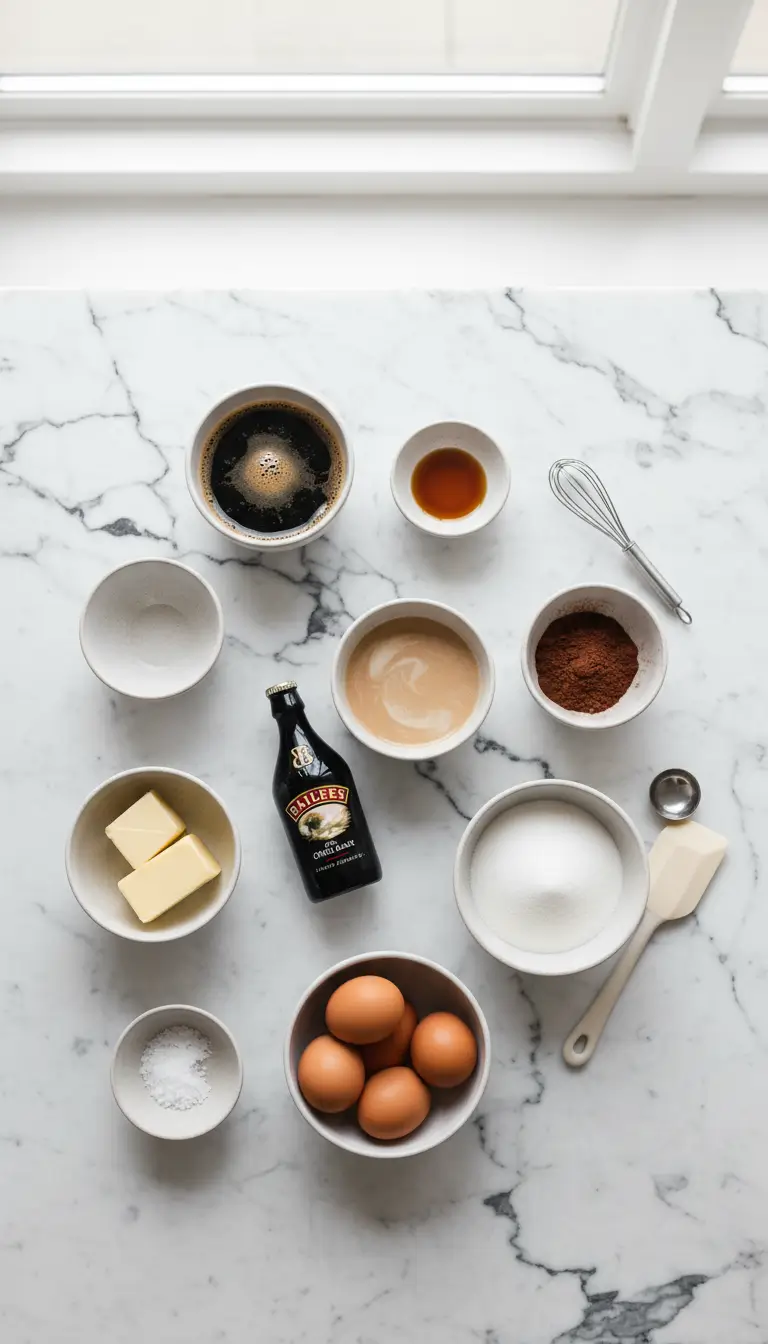
For the Guinness Chocolate Cake:
- 1 cup (240ml) Guinness Draught Stout (for that roasty depth and moisture)
- 1 cup (2 sticks / 226g) unsalted butter (for richness and flavor)
- ¾ cup (75g) unsweetened cocoa powder, preferably Dutch-processed (this is your flavor foundation)
- 2 cups (400g) granulated sugar
- ½ cup (120g) full-fat sour cream (ensures a tender, velvety crumb)
- 2 large eggs, at room temperature
- 1 tablespoon pure vanilla extract
- 2 cups (250g) all-purpose flour (the structure)
- 2 ½ teaspoons baking soda (for the perfect rise with the acidic stout)
- ¾ teaspoon fine sea salt (to balance and enhance all flavors)
For the Baileys Frosting:
- 1 ½ cups (3 sticks / 339g) unsalted butter, softened (the base of your fluffy cloud)
- 4 ½ – 5 cups (540g-600g) powdered sugar, sifted (for sweetness and structure)
- 6-7 tablespoons Baileys Irish Cream (the boozy, creamy soul of the frosting)
- ¼ teaspoon fine sea salt (cuts the sweetness and makes the flavor pop)
- A splash of heavy cream or milk, if needed for consistency
Pantry Substitutions
- Guinness: Any stout or porter will work. For a non-alcoholic version, use strong brewed coffee or dark chocolate milk.
- Sour Cream: Full-fat plain Greek yogurt is a perfect 1:1 swap.
- Dutch-Processed Cocoa: Natural cocoa powder works, but the flavor will be sharper and more acidic.
- Baileys: For a non-alcoholic frosting, use 2-3 teaspoons of Irish cream syrup or flavoring mixed with heavy cream to reach 6 tablespoons of liquid.
- For a 9×13″ Sheet Cake: Simply pour the batter into a greased 9×13-inch pan and bake for 35-45 minutes. Frost in the pan for easy serving.
Creative Add-ins
This cake is glorious as-is, but if you’re feeling adventurous, here are some ways to play.
- Fold 1 cup of chocolate chips or chunks into the batter for extra pockets of melty chocolate.
- Add a teaspoon of instant espresso powder to the dry ingredients to amplify the coffee notes from the stout.
- Soak the baked and cooled cake layers with a few tablespoons of extra Baileys for an extra kick.
- Finish the frosted cake with a drizzle of salted caramel sauce or a sprinkle of flaky sea salt for a next-level sweet-salty contrast.
Step-by-Step Instructions
This process is straightforward: you’ll make the cake, let it cool completely, then whip up the frosting. The only real patience required is in the cooling—don’t rush it, or your frosting will melt!
1. Prep and Preheat
Preheat your oven to 350°F (175°C). Grease and line the bottoms of two 8-inch or three 6-inch round cake pans with parchment paper. Greasing the parchment, too, is a pro move for flawless release.
2. Create the Chocolate Base
In a medium saucepan, combine the Guinness and butter. Heat over medium until the butter melts. Remove from heat and whisk in the cocoa powder and sugar until smooth. This warm mixture helps bloom the cocoa flavor.
Let this mixture cool for about 10 minutes. You don’t want it so hot that it cooks the eggs in the next step.
3. Combine Wet Ingredients
Transfer the slightly cooled chocolate mixture to a large mixing bowl. Whisk in the sour cream until no streaks remain. Then, whisk in the eggs and vanilla extract until the batter is smooth and homogenous.
4. Incorporate Dry Ingredients
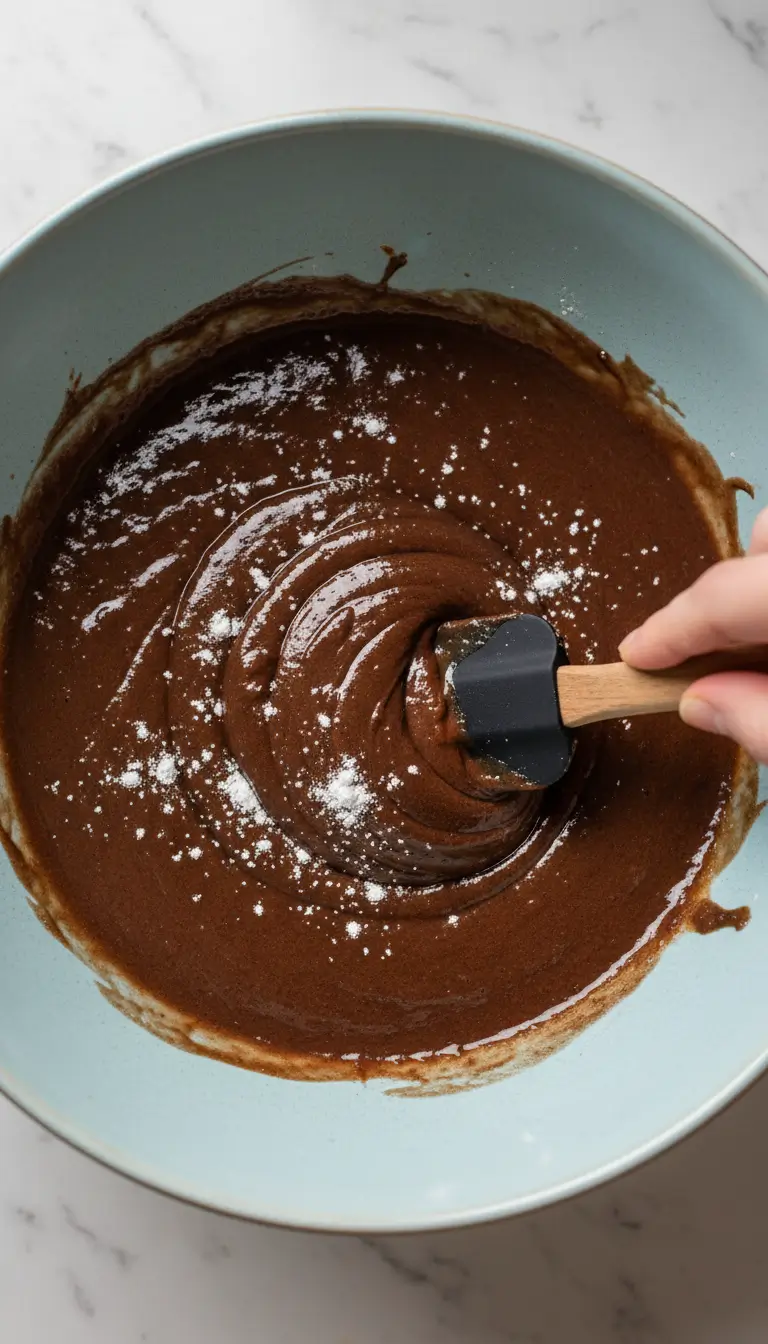
Sift the flour, baking soda, and salt directly into the wet ingredients. This prevents lumps. Gently fold the dry ingredients into the wet batter using a spatula until just combined. A few small streaks of flour are okay; overmixing leads to a tough cake.
5. Bake to Perfection
Divide the batter evenly between your prepared pans. Bake for 30-35 minutes for 8-inch pans, or 25-28 minutes for 6-inch pans. The cake is done when a toothpick inserted into the center comes out with just a few moist crumbs attached.
Let the cakes cool in their pans on a wire rack for 15 minutes. Then, run a knife around the edges and invert them onto the rack to cool completely. They must be at room temperature before frosting.
6. Make the Baileys Frosting
While the cakes cool, beat the softened butter in a stand mixer with the paddle attachment (or with a hand mixer) for 3-4 minutes until it is very pale, fluffy, and smooth. This step is crucial for a light frosting.
With the mixer on low, gradually add the sifted powdered sugar, one cup at a time, until fully incorporated. Add the salt. Then, with the mixer running, slowly pour in the Baileys, one tablespoon at a time, tasting as you go. Beat on medium-high for another 2-3 minutes until whipped and fluffy. Add a splash of cream if it’s too thick.
7. Assemble the Masterpiece
Place one cooled cake layer on your serving plate. Spread or pipe a generous layer of frosting on top. Add the next layer and repeat. Use the remaining frosting to cover the top and sides of the cake. A rustic, swoopy finish looks beautiful and hides any imperfections.
Common Mistakes to Avoid
- Rushing the Cooling: Frosting a warm cake is a disaster waiting to happen. The frosting will slide off and become a soupy mess. Wait until the layers are truly room temperature.
- Overmixing the Batter: Once you add the flour, mix only until the ingredients are combined. Overworking the gluten will make the cake dense and tough instead of tender.
- Using Cold Butter for Frosting: Your butter must be properly softened (able to hold a fingerprint easily) to whip up light and fluffy. Cold butter will leave you with a lumpy, greasy frosting.
Perfect Pairings
This cake is rich, so a little goes a long way. A simple, unsweetened cup of strong coffee or an espresso is the classic and perfect companion, cutting through the sweetness.
For a truly decadent experience, serve small slices with a dollop of freshly whipped cream or a scoop of vanilla bean ice cream. The cold, clean creaminess is divine.
If you’re sticking with the Irish theme, a small glass of Baileys on the rocks or a neat Irish whiskey for the adults makes for a lovely, celebratory pairing.
Thanks for stopping by! I hope this dish brings joy to your table.

Can I make this cake without alcohol?
Yes, you can make non-alcoholic substitutions. For the cake, replace the Guinness with strong brewed coffee or dark chocolate milk. For the frosting, use 2-3 teaspoons of Irish cream syrup or flavoring mixed with heavy cream to reach the required 6 tablespoons of liquid.
Why does this recipe use oil instead of butter in the cake?
The recipe uses oil to guarantee an unbelievably moist and tender crumb that stays that way for days. This, combined with sour cream, gives the cake a velvety, rich mouthfeel.
What is the most common mistake to avoid when making this cake?
The most common mistake is frosting the cake before it has cooled completely. Frosting a warm cake will cause the frosting to slide off and become a soupy mess. Ensure the cake layers are at room temperature before assembling.
Can I bake this as a simple sheet cake instead of a layer cake?
Yes. To make a 9×13-inch sheet cake, simply pour the batter into a greased pan and bake for 35-45 minutes. You can then frost the cake directly in the pan for easy serving.

Guinness Chocolate Cake with Baileys Frosting
Ingredients
Equipment
Method
- Preheat oven to 350°F (175°C). Grease and line the bottoms of two 8-inch or three 6-inch round cake pans with parchment paper.
- In a medium saucepan, combine Guinness and 1 cup of butter. Heat over medium until butter melts. Remove from heat.
- Whisk the cocoa powder and granulated sugar into the warm Guinness-butter mixture until smooth. Let cool for 10 minutes.
- Transfer the cooled chocolate mixture to a large bowl. Whisk in the sour cream until combined.
- Whisk in the eggs and vanilla extract until the batter is smooth.
- Sift the flour, baking soda, and 3/4 tsp salt directly into the wet ingredients. Gently fold with a spatula until just combined.
- Divide batter evenly between the prepared pans. Bake for 30-35 minutes (for 8-inch pans) or until a toothpick inserted comes out with a few moist crumbs.
- Let cakes cool in pans on a wire rack for 15 minutes. Then, invert onto the rack to cool completely.
- For the frosting, beat the softened butter in a mixer for 3-4 minutes until pale and fluffy.
- With mixer on low, gradually add sifted powdered sugar until incorporated. Add 1/4 tsp salt.
- With mixer running, slowly add Baileys Irish Cream, one tablespoon at a time. Beat on medium-high for 2-3 minutes until fluffy. Add a splash of cream if too thick.
- Place one cooled cake layer on a serving plate. Spread with frosting. Top with the next layer and frost the top and sides of the entire cake.