The Marinade Matrix: Unlocking Flavor Through Science
Marinades aren’t just a culinary afterthought; they’re a carefully orchestrated dance of chemistry, where acids, oils, and seasonings work in harmony to transform a humble piece of fish into a flavorful masterpiece. The key players in this flavorful ballet are acid, oil, and aromatics. Acids, like lemon juice or vinegar, denature the proteins on the surface of the salmon, allowing it to absorb more flavor and tenderize the flesh. Oil helps carry the flavors of the aromatics and prevents the salmon from drying out during cooking. Aromatics, such as garlic, herbs, and spices, infuse the salmon with complex layers of flavor. It’s crucial to understand that the marinating time matters. Too short, and the flavors won’t penetrate deeply enough. Too long, especially with a strong acid, and you risk “cooking” the salmon, resulting in a mushy texture. The sweet spot is usually between 30 minutes and 2 hours. Furthermore, consider the salt content in your marinade. Salt not only seasons the salmon but also helps to draw out moisture, which is then replaced by the flavorful marinade. It is all about achieving that sweet, salty, acidic, and umami harmony.The Elixir of the Gods: Salmon Marinade Recipe
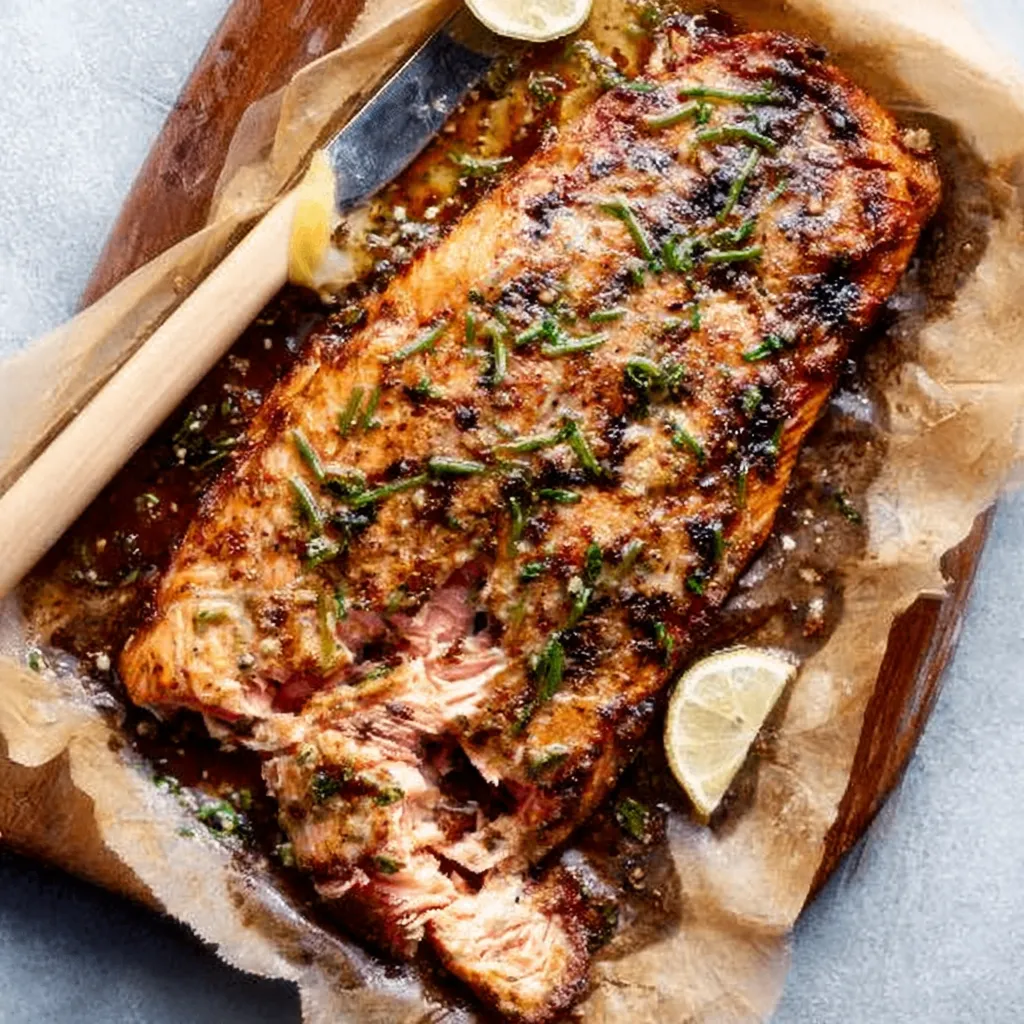 This recipe has been refined through countless iterations, each designed to build upon the previous iteration. It offers a perfect balance of sweet, savory, and tangy flavors that will elevate your salmon to new heights.
Ingredients:
- 1/4 cup olive oil
- 1/4 cup soy sauce (low sodium preferred)
- 2 tablespoons lemon juice (freshly squeezed is best!)
- 2 tablespoons honey (or maple syrup)
- 2 cloves garlic, minced
- 1 tablespoon Dijon mustard
- 1 teaspoon grated ginger (fresh!)
- 1/2 teaspoon smoked paprika
- 1/4 teaspoon black pepper
- 1/4 teaspoon red pepper flakes (optional, for a little kick)
- 1.5-2 pounds salmon fillet, skin on or off
Instructions:
- In a medium bowl, whisk together the olive oil, soy sauce, lemon juice, honey, garlic, Dijon mustard, ginger, smoked paprika, black pepper, and red pepper flakes (if using).
- Place the salmon fillet in a resealable bag or a shallow dish.
- Pour the marinade over the salmon, ensuring it’s evenly coated.
- Seal the bag or cover the dish and refrigerate for at least 30 minutes, or up to 2 hours.
- When ready to cook, remove the salmon from the marinade and discard the marinade.
- Cook the salmon according to your preferred method (baking, grilling, pan-frying, etc.).
Serving Suggestions:
- Serve the marinated salmon with roasted vegetables, such as asparagus or broccoli.
- Flake the salmon over a bed of rice or quinoa.
- Add the salmon to a salad for a protein-packed meal.
My Salmon Saga: A Culinary Confession
My first few attempts at making a killer salmon marinade were, to put it mildly, a disaster. I remember one particularly egregious batch where I used too much lemon juice, resulting in a salmon fillet that tasted like battery acid. My family politely choked it down, but the look on their faces told a story of culinary woe. Like many of you, I initially thought that more was better when it came to marinade ingredients. I piled on herbs, spices, and acids with reckless abandon, hoping to create a flavor explosion. Instead, I created a flavor cacophony, where no single ingredient could shine.The Acid Test: Learning to Love Lemon (Responsibly)
One of my biggest stumbling blocks was understanding the power of acid. I treated lemon juice like a harmless flavoring agent, not realizing that it could actually cook the salmon if left to marinate for too long. Then, I had an “Aha!” moment while reading about ceviche. I realized that the acid in ceviche essentially “cooks” the fish without heat. This made me rethink my entire approach to salmon marinades. I began experimenting with different ratios of acid to oil, carefully monitoring the texture of the salmon as it marinated. I discovered that less is often more, and that a little lemon juice can go a long way. I also experimented with the Garlic Butter Salmon recipe and found that while a marinade isn’t used there, the correct cooking technique is equally important.The Umami Revelation: Soy Sauce to the Rescue
Another turning point in my salmon saga was my discovery of umami. I had always known that soy sauce added a salty flavor to marinades, but I didn’t fully appreciate its ability to enhance the savory notes of the salmon. I started experimenting with different types of soy sauce, from light and delicate to dark and intense. I found that low-sodium soy sauce was the best option, as it allowed me to control the salt content of the marinade without overpowering the other flavors. I also found that a touch of Dijon mustard added a surprising depth of flavor, and a hint of sweetness from honey helped to balance the acidity. This exploration reminded me of the time I was trying to perfect the Baked Teriyaki Salmon and the importance of a good sauce to bring out the salmon’s best.The Spice is Right: A Balancing Act
Finally, I learned the importance of carefully selecting and balancing spices. I initially used a haphazard mix of whatever I had on hand, resulting in marinades that were either bland or overpowering. I began to focus on a few key spices that complemented the flavor of the salmon, such as smoked paprika, which adds a subtle smoky note, and ginger, which adds a warm and spicy kick. I also experimented with different levels of heat, adding a pinch of red pepper flakes for those who like a little extra zing. Similar to my efforts to master Bang Bang Salmon Bites, I understood that a touch of spice is an excellent addition.The Foolproof Formula: Salmon Marinade Mastery
After countless experiments and a few near-disasters, I’ve distilled my knowledge into a simple, foolproof method for creating the perfect salmon marinade every time.- Start with a good quality salmon fillet. The fresher the salmon, the better the flavor.
- Balance acid, oil, and aromatics. Aim for a ratio of roughly 1:1:2 for acid, oil, and aromatics, respectively.
- Don’t over-marinate. 30 minutes to 2 hours is the sweet spot. Any longer, and the salmon will become mushy.
- Use low-sodium soy sauce. This will allow you to control the salt content of the marinade.
- Experiment with spices. Smoked paprika, ginger, and red pepper flakes are all great options.
- Don’t be afraid to adjust. Taste the marinade before adding the salmon and adjust the seasonings to your liking. Consider that the Oven Roasted Salmon also requires adjustment to suit different tastes.
- Discard the marinade after use. Never reuse marinade that has been in contact with raw fish.
- Cook the salmon to perfection. Whether you’re baking, grilling, or pan-frying, be sure to cook the salmon to an internal temperature of 145°F.
- Rest the salmon before serving. Allowing the salmon to rest for a few minutes after cooking will help it retain its moisture and flavor.
- Enjoy! Savor the delicious results of your culinary efforts. Remember the lessons learned while attempting the Tuscan Salmon, and enjoy your carefully prepared dish.
Why is marinating salmon important?
Marinades use acids, oils, and seasonings to tenderize the salmon, allow it to absorb more flavor, prevent it from drying out during cooking, and infuse it with complex layers of flavor.
How long should I marinate the salmon?
The ideal marinating time for salmon is between 30 minutes and 2 hours. Marinating for too short a time won’t allow the flavors to penetrate, while marinating for too long, especially with a strong acid, can result in a mushy texture.
Why does the recipe call for low-sodium soy sauce?
Low-sodium soy sauce is preferred because it allows you to control the salt content of the marinade without overpowering the other flavors.
What should I do with the marinade after marinating the salmon?
Discard the marinade after use. Never reuse marinade that has been in contact with raw fish.
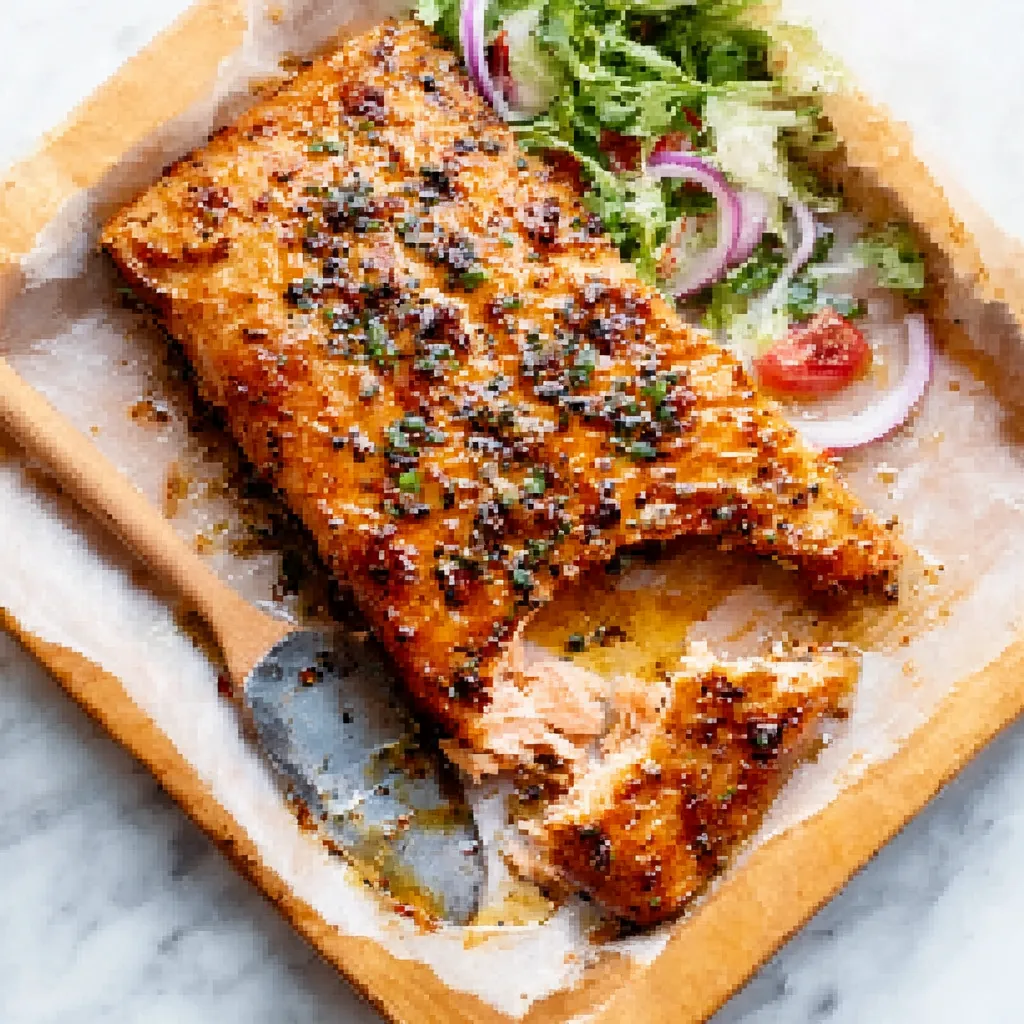
Best Salmon Marinade
This salmon marinade recipe delivers a perfect balance of sweet, savory, and tangy flavors, elevating your salmon to a new level. With a blend of acid, oil, and aromatics, it tenderizes the salmon while infusing it with complex flavors, ensuring a moist and delicious result every time.
Ingredients
Equipment
Method
- In a medium bowl, whisk together the olive oil, soy sauce, lemon juice, honey, garlic, Dijon mustard, ginger, smoked paprika, black pepper, and red pepper flakes (if using).
- Place the salmon fillet in a resealable bag or a shallow dish.
- Pour the marinade over the salmon, ensuring it’s evenly coated.
- Seal the bag or cover the dish and refrigerate for at least 30 minutes, or up to 2 hours.
- When ready to cook, remove the salmon from the marinade and discard the marinade.
- Cook the salmon according to your preferred method (baking, grilling, pan-frying, etc.).
Notes
Marinating for longer than 2 hours may result in a mushy texture. Always discard the marinade after use due to contact with raw fish. This marinade can be adjusted to suit different tastes; experiment with spices such as smoked paprika, ginger, and red pepper flakes. Serve with roasted vegetables, rice, quinoa, or a salad.