Deconstructing Deliciousness: The Science of Apple Cobbler
Apple cobbler, at its heart, is a beautiful marriage of fruit and pastry, but understanding the science behind each component is key to achieving that perfect balance. The apples themselves are crucial. Different varieties possess unique characteristics – some hold their shape beautifully when baked, while others break down into a soft, jammy filling. Texture, acidity, and sweetness all play roles. We need to consider the cellular structure of the apple and how it interacts with heat and sugar. The crust, or topping, is equally important. Is it a biscuit-style cobbler, a cake-like topping, or something in between? The ratio of fat to flour, the type of liquid used, and the leavening agent all contribute to the final texture. A high-fat content creates tenderness, while a lower fat content results in a sturdier structure. The type of liquid affects gluten development; buttermilk, for example, adds tang and tenderness. Finally, the leavening agent (baking powder or baking soda) determines how much the topping rises, creating those delightful, golden-brown peaks. Understanding these principles allows us to troubleshoot common cobbler conundrums, like a soggy bottom or a dry topping.The Perfect Apple Cobbler Recipe
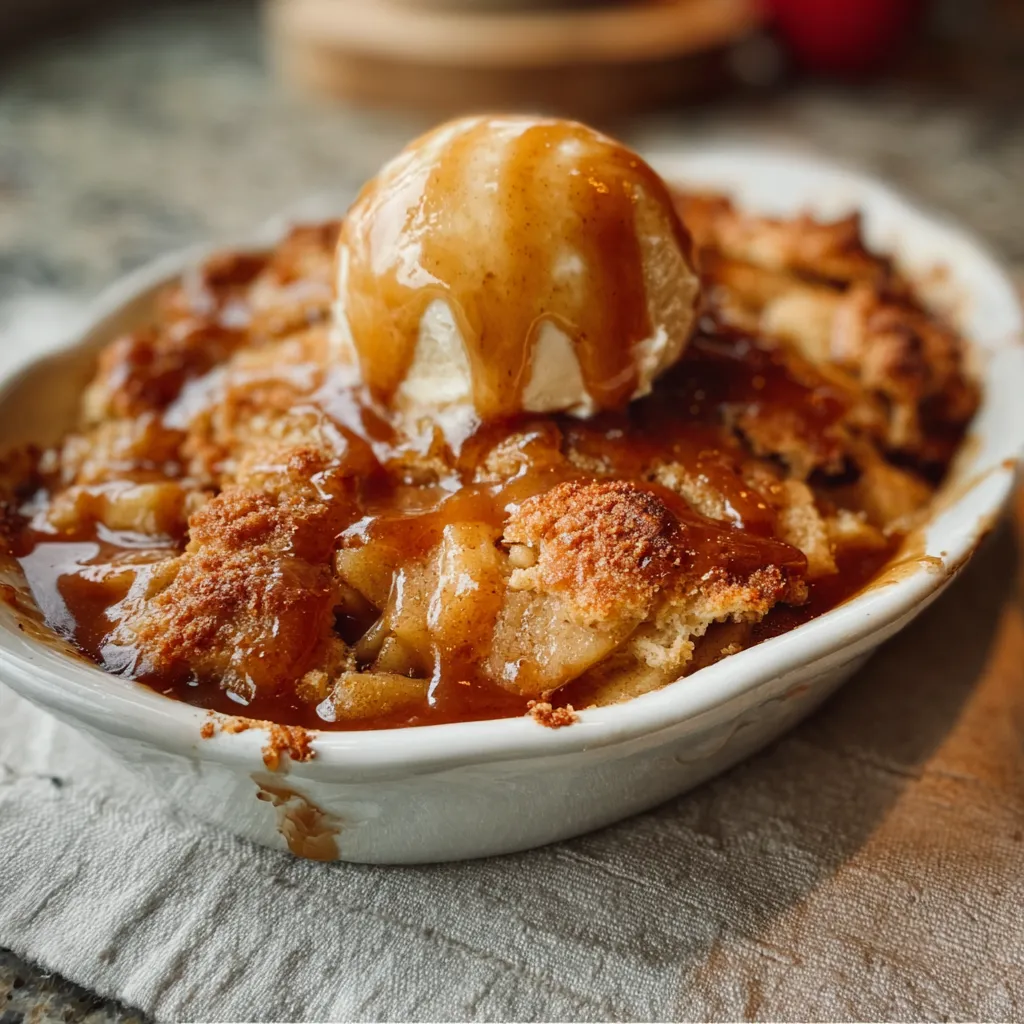 This recipe is the culmination of numerous experiments and represents, in my humble opinion, the pinnacle of apple cobbler perfection.
Yields
6-8 servingsPrep Time
25 minutesCook Time
45-50 minutesIngredients
- For the Apple Filling:
- 6 medium apples (Granny Smith, Honeycrisp, or a mix), peeled, cored, and sliced
- 1/2 cup granulated sugar
- 1/4 cup packed light brown sugar
- 2 tablespoons all-purpose flour
- 1 teaspoon ground cinnamon
- 1/4 teaspoon ground nutmeg
- 2 tablespoons lemon juice
- 2 tablespoons butter, cut into small pieces
- For the Cobbler Topping:
- 1 1/2 cups all-purpose flour
- 1/4 cup granulated sugar
- 1 1/2 teaspoons baking powder
- 1/4 teaspoon salt
- 1/2 cup (1 stick) cold unsalted butter, cut into small pieces
- 1/2 cup milk or buttermilk
- 2 tablespoons coarse sugar, for sprinkling (optional)
Equipment
- 9-inch square baking dish or 9-inch cast iron skillet
- Large mixing bowl
- Small mixing bowl
- Pastry cutter or food processor (optional)
Instructions
- Prepare the Apple Filling: Preheat oven to 375°F (190°C). In a large bowl, combine the sliced apples, granulated sugar, brown sugar, flour, cinnamon, and nutmeg. Toss to coat evenly. Stir in the lemon juice.
- Assemble the Cobbler: Pour the apple mixture into the prepared baking dish or skillet. Dot the top with the butter pieces.
- Make the Cobbler Topping: In a separate bowl, whisk together the flour, sugar, baking powder, and salt. Cut in the cold butter using a pastry cutter or your fingers until the mixture resembles coarse crumbs. Alternatively, pulse in a food processor until the mixture resembles coarse crumbs.
- Add Liquid: Gradually add the milk or buttermilk, stirring until just combined. Do not overmix. The dough should be slightly sticky.
- Top the Apples: Drop spoonfuls of the cobbler topping evenly over the apple filling. Sprinkle with coarse sugar, if desired.
- Bake: Bake for 45-50 minutes, or until the topping is golden brown and the apple filling is bubbly. Let cool slightly before serving.
The Great Apple Cobbler Investigation: A Personal Journey
My quest for the ultimate apple cobbler was not a linear path. My first few attempts were a disaster – either the topping was too dry and crumbly, or the apple filling was a watery mess. But, like any good scientist, I persisted, meticulously documenting each experiment and analyzing the results.The Soggy Bottom Blues
Like many of you, I initially thought that simply throwing all the ingredients together and baking would magically result in a perfect cobbler. I was wrong. My first few cobblers suffered from the dreaded soggy bottom. The apple filling released too much liquid during baking, soaking the bottom of the topping. I tried reducing the amount of liquid in the filling, but that only made it too dry.The Flour Power Solution
Then, I had an “Aha!” moment: I realized the key was to control the moisture released by the apples. Adding a small amount of flour or cornstarch to the filling helped to absorb excess liquid and thicken it slightly. This simple tweak made a world of difference, preventing the dreaded soggy bottom. Looking back, I think I was even trying to make something like an Oat Apple Crisp.The Butter Battle: Cold vs. Room Temperature
Next, I tackled the topping. Early experiments with room temperature butter resulted in a flat, dense topping. The fat melted too quickly, creating a tough gluten structure. The solution? Ice-cold butter, cut into small pieces. This ensures that the butter remains solid until it enters the oven, creating pockets of steam that leaven the topping and produce a light, flaky texture. I even considered making Apple Crumb Cake at one point.The Acid Test: Lemon Juice’s Secret Weapon
Finally, I experimented with adding a touch of acidity to the apple filling. A tablespoon or two of lemon juice not only brightens the flavor of the apples but also helps to prevent them from browning. It adds a subtle tartness that balances the sweetness of the sugar. I even toyed with the idea of something fancier, like Salted Caramel Apple Pie Cheesecake, but stuck to my quest.The Apple Revelation
The apples themselves were a huge learning curve. Using only one type of apple limited the overall flavor and texture. A blend of tart Granny Smiths and sweet Honeycrisp created a complex and balanced filling. I now even consider making things like Apple Fritters from the extra.The Foolproof Apple Cobbler Technique: A Step-by-Step Guide
Here’s a summary of the foolproof method, incorporating all the lessons I learned along the way:- Choose Your Apples Wisely: Select a blend of apple varieties for optimal flavor and texture. Granny Smith and Honeycrisp are a great combination.
- Control the Moisture: Toss the apple filling with a small amount of flour or cornstarch to absorb excess liquid.
- Keep the Butter Cold: Use ice-cold butter for the topping to create a light and flaky texture.
- Don’t Overmix: Gently combine the topping ingredients until just combined. Overmixing develops gluten and results in a tough topping.
- Embrace the Acid: Add a touch of lemon juice to the apple filling to brighten the flavor and prevent browning.
- Bake Until Golden: Bake until the topping is golden brown and the apple filling is bubbly. Don’t be afraid to let it get a little color!
- Cool Slightly: Allow the cobbler to cool slightly before serving to allow the filling to thicken. This is crucial!
What types of apples are recommended for the apple cobbler filling and why?
The recipe recommends using a mix of Granny Smith and Honeycrisp apples. Granny Smith apples provide tartness, while Honeycrisp apples offer sweetness, creating a balanced flavor and texture.
Why is it important to use cold butter when making the cobbler topping?
Using ice-cold butter, cut into small pieces, ensures that the butter remains solid until it enters the oven. This creates pockets of steam that leaven the topping and produce a light, flaky texture, instead of a flat, dense one.
How do you prevent the apple cobbler from having a soggy bottom?
To prevent a soggy bottom, toss the apple filling with a small amount of flour to absorb excess liquid released by the apples during baking.
Why is lemon juice added to the apple filling?
Lemon juice is added to the apple filling to brighten the flavor of the apples, prevent them from browning, and add a subtle tartness that balances the sweetness of the sugar.
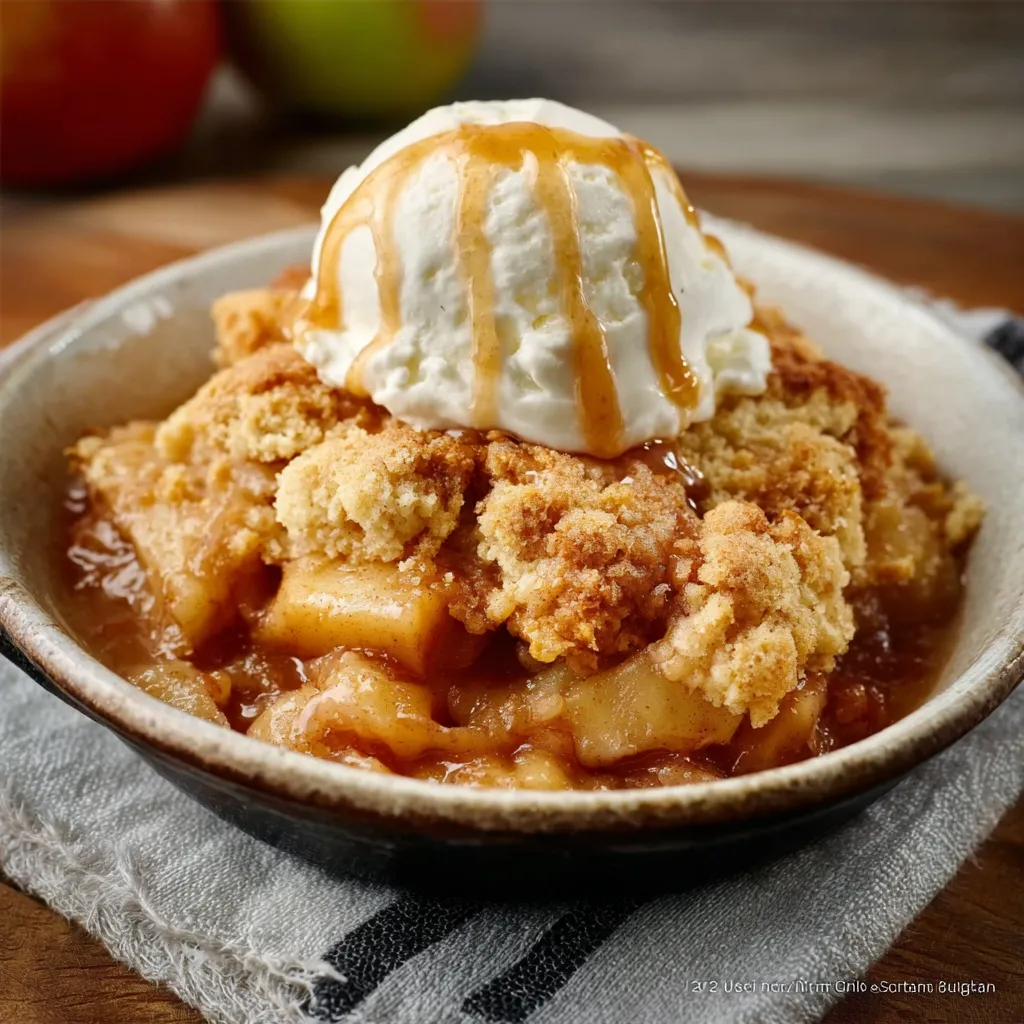
Best Apple Cobbler Recipe
This apple cobbler recipe combines tart apples with a sweet and buttery cobbler topping for a comforting dessert. Using a blend of apples and a touch of lemon juice ensures a balanced flavor, while cold butter in the topping creates a light and flaky texture.
Ingredients
Equipment
Method
- Preheat oven to 375°F (190°C).
- In a large bowl, combine the sliced apples, granulated sugar, brown sugar, flour, cinnamon, and nutmeg. Toss to coat evenly. Stir in the lemon juice.
- Pour the apple mixture into the prepared baking dish or skillet. Dot the top with the butter pieces.
- In a separate bowl, whisk together the flour, sugar, baking powder, and salt.
- Cut in the cold butter using a pastry cutter or your fingers until the mixture resembles coarse crumbs. Alternatively, pulse in a food processor until the mixture resembles coarse crumbs.
- Gradually add the milk or buttermilk, stirring until just combined. Do not overmix. The dough should be slightly sticky.
- Drop spoonfuls of the cobbler topping evenly over the apple filling. Sprinkle with coarse sugar, if desired.
- Bake for 45-50 minutes, or until the topping is golden brown and the apple filling is bubbly. Let cool slightly before serving.
Notes
For best results, use a mix of apple varieties like Granny Smith and Honeycrisp for a balanced flavor. Ensure the butter for the topping is very cold to create a flaky texture. To prevent a soggy bottom, avoid overmixing the apple filling and topping. Cobbler can be stored in the refrigerator for up to 3 days. Reheat before serving for best flavor.