Unlocking Pork Perfection: The Science Behind the Slider
The journey to exceptional pulled pork sliders isn’t just about following a recipe; it’s about understanding the science that transforms a tough cut of meat into succulent, shreddable goodness. The key player here is collagen, a protein found in abundance in pork shoulder (also known as Boston butt). This connective tissue is what makes the shoulder a less desirable cut for quick cooking methods. However, when subjected to low and slow cooking, magic happens. The heat gradually breaks down the collagen into gelatin, which is tender and adds incredible moisture and richness to the meat. Think of it as a natural braising process happening from within! The muscle fibers themselves also relax and become more tender during this process. The Maillard reaction, that beautiful browning on the exterior of the pork, is also crucial. This reaction, occurring between amino acids and reducing sugars at high temperatures, creates hundreds of flavorful compounds that contribute to the overall deliciousness. Finally, smoke, if you choose to use it, imparts phenols and other compounds that add layers of complexity to the flavor profile.The Ultimate Pulled Pork Slider Recipe
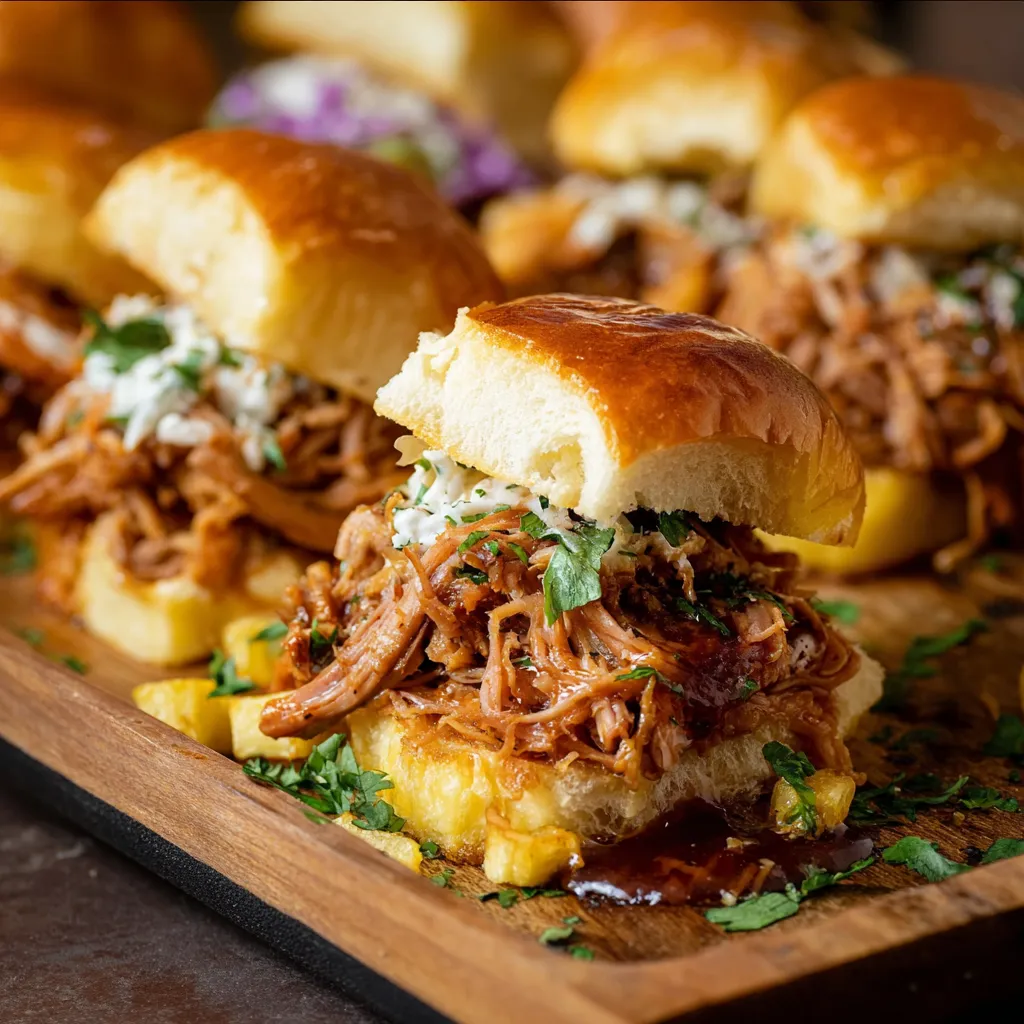 This recipe focuses on a balance of flavor, texture, and ease of preparation, suitable for both beginner and experienced cooks.
Ingredients:
- Pork Shoulder (Boston Butt): 4-5 lbs, bone-in or boneless
- Dry Rub:
- 2 tablespoons smoked paprika
- 2 tablespoons brown sugar
- 1 tablespoon kosher salt
- 1 tablespoon garlic powder
- 1 tablespoon onion powder
- 1 teaspoon black pepper
- 1 teaspoon cayenne pepper (optional, for heat)
- 1 teaspoon cumin
- 1/2 teaspoon dry mustard
- Liquid:
- 1 cup apple cider vinegar
- 1 cup chicken broth
- 1/2 cup yellow mustard
- 1/4 cup Worcestershire sauce
- Slider Buns: 24-36, depending on size
- Toppings (optional): Coleslaw, barbecue sauce, pickles, pickled onions
Instructions:
- Prepare the Pork: Pat the pork shoulder dry with paper towels. This is crucial for the dry rub to adhere properly.
- Apply the Dry Rub: In a small bowl, combine all dry rub ingredients. Generously rub the mixture all over the pork shoulder, ensuring every surface is covered.
- Rest (Optional): For optimal flavor penetration, wrap the rubbed pork shoulder in plastic wrap and refrigerate for at least 4 hours, or preferably overnight. This allows the flavors to meld into the meat. If short on time, you can skip this step.
- Cooking Method (Choose one):
- Slow Cooker: Place the pork shoulder in the slow cooker. In a separate bowl, whisk together the apple cider vinegar, chicken broth, yellow mustard, and Worcestershire sauce. Pour the liquid over the pork. Cook on low for 8-10 hours, or on high for 4-6 hours, until the pork is easily shredded with a fork.
- Oven: Preheat oven to 300°F (150°C). Place the pork shoulder in a Dutch oven or roasting pan with a tight-fitting lid. Pour the liquid (apple cider vinegar, chicken broth, yellow mustard, and Worcestershire sauce mixture) over the pork. Cover tightly and bake for 5-7 hours, or until the pork is easily shredded with a fork.
- Smoker: Preheat smoker to 250°F (120°C). Place the pork shoulder directly on the smoker grate. Smoke for 8-12 hours, or until the internal temperature reaches 203°F (95°C) and the pork is easily shredded with a fork. You can wrap the pork in butcher paper or foil (the “Texas Crutch”) after about 6 hours to help retain moisture and speed up the cooking process.
- Shred the Pork: Once the pork is cooked through, remove it from the cooking liquid and let it rest for at least 30 minutes before shredding. This allows the juices to redistribute, resulting in more tender and flavorful pulled pork. Use two forks to shred the pork into bite-sized pieces. Discard any excess fat or bone.
- Assemble the Sliders: Lightly toast the slider buns, if desired. Pile the shredded pork onto the bottom buns. Top with your favorite toppings, such as coleslaw, barbecue sauce, pickles, or pickled onions. Place the top buns on the sliders and serve immediately.
My Pulled Pork Pilgrimage: A Culinary Investigation
My journey to the perfect pulled pork slider wasn’t a straight shot. There were detours, roadblocks, and plenty of “learning experiences” along the way.The Dry Rub Debacle: Too Sweet, Too Salty, Just Plain Wrong
My first few attempts were a disaster. I initially thought that more sugar in the rub would be better, resulting in a burnt, overly sweet crust that overwhelmed the pork’s natural flavor. Then, I went the opposite direction and made the rub too salty, rendering the pork inedible. I even tried experimenting with exotic spices that just didn’t complement the pork. Then, I had an “Aha!” moment: simplicity is key. A balanced blend of smoked paprika, brown sugar, salt, garlic powder, onion powder, and pepper, with a touch of cayenne for a subtle kick, proved to be the winning combination.Liquid Assets: Finding the Perfect Braising Balance
Like many of you, I initially thought that just water or broth would suffice for the braising liquid. But the pork ended up bland and lacking depth. Experimenting with different combinations, I found that apple cider vinegar provided the perfect amount of acidity to cut through the richness of the pork, while chicken broth added a savory backbone. The yellow mustard and Worcestershire sauce added subtle complexities that elevated the overall flavor profile. I even tried a batch using ingredients similar to Apple Cider Pork but found it too sweet for sliders.The Shredding Saga: Hot vs. Cold, Forks vs. Claws
The shredding process also presented its own challenges. Initially, I tried shredding the pork immediately after it came out of the slow cooker, but it was too hot to handle and the meat fell apart into an unappetizing mush. Allowing the pork to rest for at least 30 minutes, or even an hour, made a world of difference. The meat was easier to handle and the juices had time to redistribute, resulting in more tender and flavorful pulled pork. I also experimented with different shredding tools, including forks, claws, and even my hands (with gloves, of course!). While claws are great for speed, I found that forks gave me the most control over the shredding process, allowing me to remove any excess fat or gristle. Using similar techniques is how I achieve perfection in my Slow Cooker Pot Roast.Buns of Glory: The Slider Foundation
The type of slider bun you use can significantly impact the final product. I tried various options, from soft Hawaiian rolls to crusty brioche buns. While the Hawaiian rolls were undeniably delicious, they were almost *too* sweet and didn’t hold up well to the juicy pulled pork. The brioche buns, on the other hand, were sturdy but lacked the softness and slight sweetness that I was looking for. Ultimately, I settled on a classic slider bun, slightly toasted for added texture and stability. The right bun is just as important as the right meat; it’s like choosing the right bread for Slow Cooker Pulled Beef Onion Gravy.The Foolproof Slider Method: A Step-by-Step Guide to Pulled Pork Perfection
Here’s a breakdown of the key steps to ensure perfect pulled pork sliders every time:- Dry the Pork: Pat the pork shoulder dry before applying the dry rub. This allows the rub to adhere properly and form a flavorful crust.
- Balance the Rub: Aim for a balanced dry rub with sweet, savory, and spicy elements. Don’t be afraid to experiment, but start with a classic base and adjust to your liking.
- Low and Slow: Cook the pork shoulder low and slow, whether in a slow cooker, oven, or smoker. This allows the collagen to break down and the meat to become incredibly tender.
- Rest is Best: Let the cooked pork shoulder rest for at least 30 minutes before shredding. This allows the juices to redistribute and prevents the meat from drying out.
- Fork it Over: Use two forks to shred the pork, removing any excess fat or gristle.
- Bun Selection: Choose slider buns that are soft, slightly sweet, and sturdy enough to hold the juicy pulled pork.
- Toppings Triumph: Don’t be afraid to get creative with toppings! Coleslaw, barbecue sauce, pickles, and pickled onions are all excellent choices.
Why is it important to cook pork shoulder ‘low and slow’ for pulled pork sliders?
Cooking pork shoulder low and slow allows the collagen, a tough connective tissue, to break down into gelatin. This makes the meat incredibly tender, moist, and easy to shred.
What is the purpose of resting the pork shoulder after cooking?
Resting the cooked pork shoulder for at least 30 minutes allows the juices to redistribute throughout the meat. This results in a more tender and flavorful pulled pork and prevents it from drying out during shredding.
Why is it important to pat the pork shoulder dry before applying the dry rub?
Patting the pork shoulder dry before applying the dry rub is crucial because it allows the rub to adhere properly to the meat. This helps create a flavorful crust during cooking.
What are some suggested toppings for pulled pork sliders?
Some suggested toppings for pulled pork sliders include coleslaw, barbecue sauce, pickles, and pickled onions. These toppings can add complementary flavors and textures to the sliders.
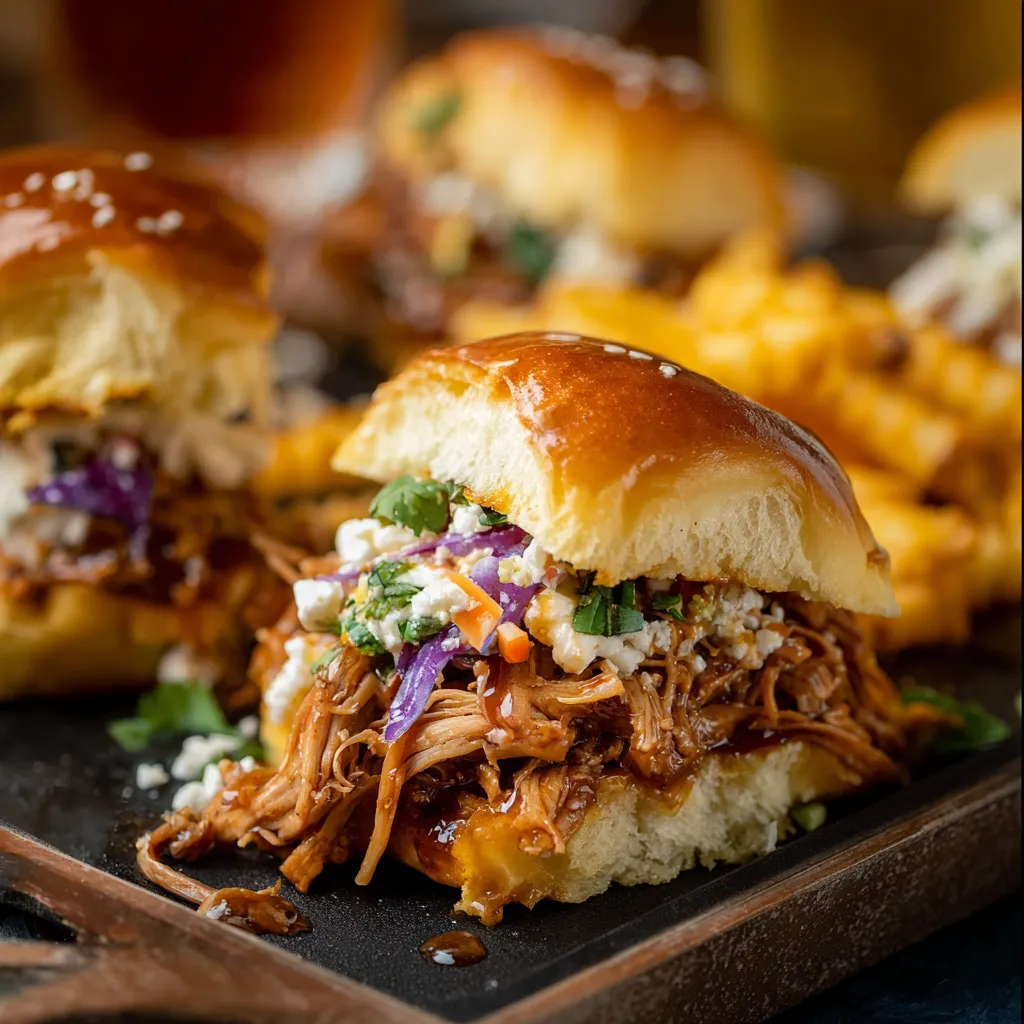
Ultimate Pulled Pork Sliders
Ingredients
Equipment
Method
- Pat the pork shoulder dry with paper towels.
- In a small bowl, combine all dry rub ingredients.
- Generously rub the dry rub mixture all over the pork shoulder, ensuring every surface is covered.
- For optimal flavor penetration, wrap the rubbed pork shoulder in plastic wrap and refrigerate for at least 4 hours, or preferably overnight. If short on time, you can skip this step.
- Choose your cooking method: Slow Cooker, Oven, or Smoker.
- Slow Cooker Method: Place the pork shoulder in the slow cooker. In a separate bowl, whisk together the apple cider vinegar, chicken broth, yellow mustard, and Worcestershire sauce. Pour the liquid over the pork. Cook on low for 8-10 hours, or on high for 4-6 hours, until the pork is easily shredded with a fork.
- Oven Method: Preheat oven to 300°F (150°C). Place the pork shoulder in a Dutch oven or roasting pan with a tight-fitting lid. Pour the liquid (apple cider vinegar, chicken broth, yellow mustard, and Worcestershire sauce mixture) over the pork. Cover tightly and bake for 5-7 hours, or until the pork is easily shredded with a fork.
- Smoker Method: Preheat smoker to 250°F (120°C). Place the pork shoulder directly on the smoker grate. Smoke for 8-12 hours, or until the internal temperature reaches 203°F (95°C) and the pork is easily shredded with a fork. You can wrap the pork in butcher paper or foil (the “Texas Crutch”) after about 6 hours to help retain moisture and speed up the cooking process.
- Once the pork is cooked through, remove it from the cooking liquid and let it rest for at least 30 minutes before shredding. This allows the juices to redistribute.
- Use two forks to shred the pork into bite-sized pieces. Discard any excess fat or bone.
- Lightly toast the slider buns, if desired.
- Pile the shredded pork onto the bottom buns.
- Top with your favorite toppings, such as coleslaw, barbecue sauce, pickles, or pickled onions.
- Place the top buns on the sliders and serve immediately.