The Science Behind the Spice: Unveiling the Umami
The magic of a Spicy Salmon Sushi Bake lies in a delicate balance of several key scientific principles, each contributing to the overall sensory experience. First, let’s talk rice. The rice needs to be perfectly cooked and seasoned. Overcooked rice becomes mushy, while undercooked rice lacks the desired stickiness. The rice vinegar, sugar, and salt mixture (often referred to as sushi vinegar) not only adds flavor but also lowers the pH, inhibiting bacterial growth and extending the shelf life, albeit marginally in this baked application. Then there’s the salmon. We’re not just throwing raw salmon on rice; we’re creating a flavorful, textural contrast. The salmon, often mixed with mayonnaise, sriracha, and other seasonings, undergoes a partial “cooking” or denaturing of proteins from the acidity and salt, even before it hits the oven. This pre-treatment influences the final texture. Finally, the baking process itself. The heat not only cooks the salmon through but also melds the flavors together, creating a cohesive dish. The type of mayonnaise used plays a critical role, influencing the creaminess and how well it holds up under heat. Full-fat mayonnaise tends to perform better than low-fat alternatives. Furthermore, the “spicy” element is crucial. Capsaicin, the compound responsible for the heat in chili peppers (like those found in sriracha), stimulates pain receptors in the mouth, creating that signature burning sensation that we often associate with pleasure, surprisingly! Understanding these principles is the first step to creating a truly exceptional Spicy Salmon Sushi Bake.The “Umami Bomb” Recipe: Your Blueprint for Sushi Bake Bliss
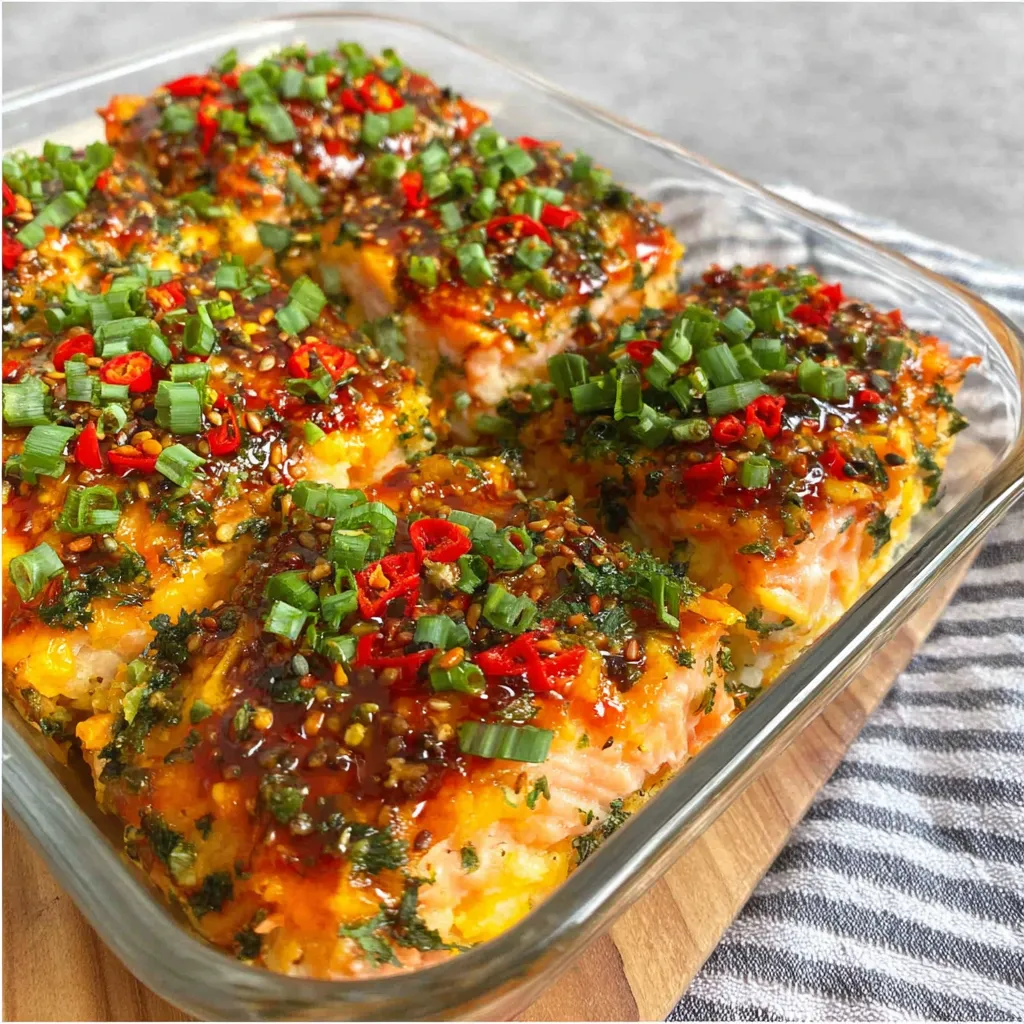 This recipe is the culmination of my experiments, incorporating all the scientific principles discussed above. It’s designed to deliver a perfect balance of flavor, texture, and spice.
Ingredients:
#### For the Sushi Rice:- 2 cups sushi rice, rinsed until water runs clear
- 2 cups water
- 1/4 cup rice vinegar
- 2 tablespoons sugar
- 1 teaspoon salt
- 1.5 lbs sushi-grade salmon, finely diced
- 1/2 cup mayonnaise (Japanese Kewpie preferred)
- 2-3 tablespoons sriracha (adjust to your spice preference)
- 1 tablespoon soy sauce
- 1 teaspoon sesame oil
- 1/4 cup chopped green onions
- 1 tablespoon masago or tobiko (optional, for added texture and flavor)
- Nori seaweed sheets, cut into squares or strips
- Avocado, sliced (optional)
- Sesame seeds, for garnish
- Eel sauce (unagi sauce), for drizzling (optional)
- Spicy mayo, for drizzling (optional)
Instructions:
#### Prepare the Sushi Rice:- Combine rice and water in a pot. Bring to a boil, then reduce heat to low, cover, and simmer for 15 minutes, or until all water is absorbed.
- Remove from heat and let stand, covered, for 10 minutes.
- While rice is cooking, prepare the sushi vinegar by combining rice vinegar, sugar, and salt in a small saucepan. Heat over low heat, stirring until sugar and salt are dissolved. Do not boil.
- Gently fold the sushi vinegar into the cooked rice, using a rice paddle to avoid crushing the grains. Allow the rice to cool slightly before assembling the bake.
- In a bowl, combine the diced salmon, mayonnaise, sriracha, soy sauce, sesame oil, green onions, and masago/tobiko (if using). Mix well.
- Preheat oven to 350°F (175°C).
- Lightly grease a 9×13 inch baking dish.
- Spread the cooked sushi rice evenly in the baking dish.
- Carefully spread the spicy salmon mixture over the rice.
- Bake for 10-15 minutes, or until the salmon is cooked through and the topping is slightly browned.
- Remove from oven and let cool slightly.
- Cut the sushi bake into squares.
- Serve with nori seaweed sheets for wrapping or scooping.
- Garnish with avocado slices, sesame seeds, eel sauce, and spicy mayo, if desired.
My Sushi Bake Saga: A Culinary Confession
My journey to mastering the Spicy Salmon Sushi Bake was not a straight path. My first few attempts were a disaster. The rice was either mushy or crunchy, the salmon was bland, and the whole thing just lacked that “wow” factor. Then, I had an “Aha!” moment: it wasn’t just about throwing ingredients together; it was about understanding the nuances of each component.The Rice Revelation
Like many of you, I initially thought any rice would do. My first batch involved long-grain rice, which resulted in a dry, crumbly base that refused to hold together. It was awful! Then, I switched to sushi rice, and the difference was night and day. I also learned the importance of properly rinsing the rice. That milky water? That’s starch! Removing excess starch prevents the rice from becoming gummy. I also struggled with the sushi vinegar. I kept boiling it, thinking it needed to be “cooked.” But that only resulted in a bitter, vinegary taste. Heating it gently, just enough to dissolve the sugar and salt, made all the difference.Salmon SOS
Initially, I used pre-cooked salmon, thinking it would be easier. Big mistake! The texture was dry and rubbery. Switching to sushi-grade salmon and dicing it finely was crucial. I also experimented with different mayonnaise varieties. Regular mayonnaise was okay, but Japanese Kewpie mayonnaise took it to another level. Its richer flavor and creamier texture created a much more decadent topping.The Spicy Secret
The spice level was another challenge. I started with a conservative amount of sriracha, but it just wasn’t enough. I gradually increased the amount until I found the perfect balance – enough to give it a kick, but not so much that it overpowered the other flavors. I even experimented with adding a touch of chili oil for an extra layer of heat and flavor.Baking Blunders
My initial baking times were way off. I either undercooked the salmon, leaving it too raw, or overcooked it, making it dry and tough. The sweet spot was around 10-15 minutes at 350°F (175°C). The key is to keep a close eye on it and remove it from the oven as soon as the salmon is cooked through and the topping is slightly browned. Through trial and error, and many, many taste tests, I finally cracked the code. This recipe is the result of all those experiments, incorporating all the lessons I learned along the way. This recipe is perfect served with a side of Asian Cucumber Salad. If you have leftover salmon, use it to make Spicy Shrimp Tacos! For another easy rice bowl recipe, try the Teriyaki Chicken Rice Bowl Recipe. If you like this sushi bake recipe, make sure to check out this Salmon Sushi Bake recipe!The Foolproof Formula: A Sushi Bake Summary
After extensive experimentation, I’ve distilled the perfect Spicy Salmon Sushi Bake method into these simple steps:- Rice Right: Use sushi rice, rinse it thoroughly, and cook it perfectly.
- Vinegar Victory: Heat the sushi vinegar gently, just enough to dissolve the sugar and salt.
- Salmon Supreme: Use sushi-grade salmon, diced finely, and mixed with high-quality Japanese mayonnaise.
- Spice Sensibly: Adjust the sriracha to your preference, but don’t be afraid to experiment with other chili sauces or oils.
- Bake Beautifully: Bake at 350°F (175°C) for 10-15 minutes, or until the salmon is cooked through and the topping is slightly browned.
- Garnish Generously: Don’t skimp on the toppings! Avocado, sesame seeds, eel sauce, and spicy mayo all add layers of flavor and texture.
- Serve Stylishly: Serve with nori seaweed sheets for a truly authentic sushi experience.
Why is sushi rice important for a Spicy Salmon Sushi Bake?
Sushi rice is crucial because its stickiness helps the bake hold together, unlike other types of rice which can result in a dry, crumbly base.
What makes Japanese Kewpie mayonnaise a better choice than regular mayonnaise for the spicy salmon topping?
Japanese Kewpie mayonnaise has a richer flavor and creamier texture than regular mayonnaise, resulting in a more decadent topping.
What is the ideal baking time and temperature for a Spicy Salmon Sushi Bake, and why?
The ideal baking time is 10-15 minutes at 350°F (175°C). This ensures the salmon is cooked through without becoming dry and the topping is slightly browned.
Why is it important to heat the sushi vinegar gently instead of boiling it?
Heating the sushi vinegar gently, just enough to dissolve the sugar and salt, prevents it from developing a bitter, vinegary taste. Boiling it can cause the vinegar to become bitter.
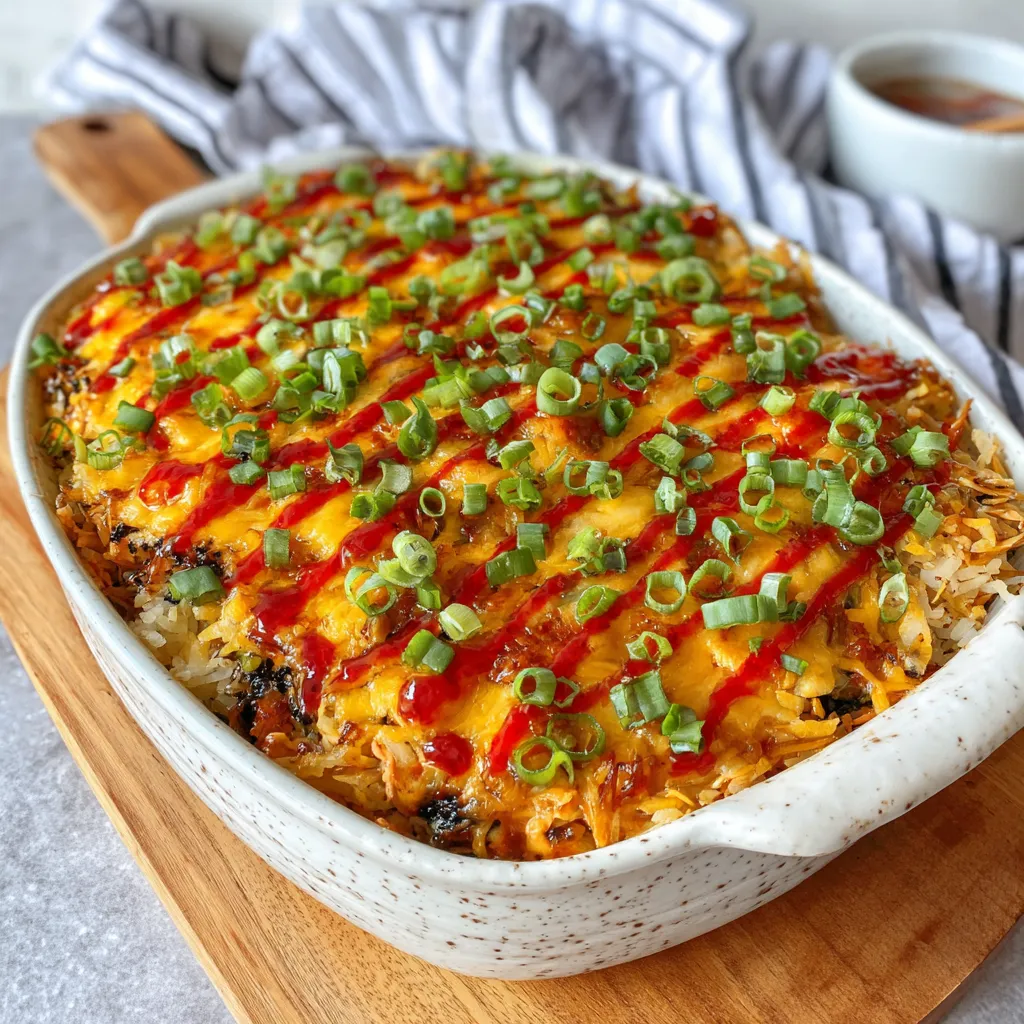
Spicy Salmon Sushi Bake Ultimate
This Spicy Salmon Sushi Bake Ultimate recipe delivers a perfect balance of flavor, texture, and spice. By understanding the nuances of each component, from the sushi rice to the spicy salmon topping, you can create a truly exceptional dish that’s sure to impress.
Ingredients
Equipment
Method
- Combine rice and water in a pot. Bring to a boil, then reduce heat to low, cover, and simmer for 15 minutes, or until all water is absorbed.
- Remove from heat and let stand, covered, for 10 minutes.
- While rice is cooking, prepare the sushi vinegar by combining rice vinegar, sugar, and salt in a small saucepan. Heat over low heat, stirring until sugar and salt are dissolved. Do not boil.
- Gently fold the sushi vinegar into the cooked rice, using a rice paddle to avoid crushing the grains. Allow the rice to cool slightly before assembling the bake.
- In a bowl, combine the diced salmon, mayonnaise, sriracha, soy sauce, sesame oil, green onions, and masago/tobiko (if using). Mix well.
- Preheat oven to 350°F (175°C).
- Lightly grease a 9×13 inch baking dish.
- Spread the cooked sushi rice evenly in the baking dish.
- Carefully spread the spicy salmon mixture over the rice.
- Bake for 10-15 minutes, or until the salmon is cooked through and the topping is slightly browned.
- Remove from oven and let cool slightly.
- Cut the sushi bake into squares.
- Serve with nori seaweed sheets for wrapping or scooping.
- Garnish with avocado slices, sesame seeds, eel sauce, and spicy mayo, if desired.
Notes
For best results, use sushi-grade salmon and Japanese Kewpie mayonnaise. Adjust the amount of sriracha to your spice preference. Leftovers can be stored in the refrigerator for up to 2 days.