I’ll never forget the first time I nervously attempted to impress my foodie friends with a fancy dinner party, and the star of the show was a perfectly seared salmon. The sizzle in the pan, the aroma filling the kitchen, and the delighted faces around the table cemented my love for cooking and especially for mastering seemingly simple dishes. Today, I’m going to share everything I know so you can create equally impressive, restaurant-quality Pan-Seared Salmon right in your own kitchen – and I promise, it’s easier than you think!
The Secret to Perfectly Pan-Seared Salmon: It’s All About the Details
Okay, friend, let’s get real. Pan-searing salmon seems straightforward, but there are a few key things that can make or break your dish. We’re talking crispy skin, moist and flaky flesh, and that unforgettable flavor that has everyone reaching for seconds. Don’t worry, though! I’m here to walk you through every step, so you can nail it every single time.
What You’ll Need: Ingredients for Salmon Success
Before we even think about turning on the stove, let’s gather our ingredients. Quality is key here, so choose wisely!
- Salmon Fillets: Skin-on or skinless, it’s your preference! I personally love the crispy skin, but if you’re not a fan, skinless works just as well. Aim for fillets that are about 1-1.5 inches thick for even cooking.
- Oil: High-heat oil is a MUST. Think avocado oil, grapeseed oil, or refined coconut oil. Olive oil can work in a pinch, but it has a lower smoke point and can burn.
- Salt & Pepper: Don’t skimp! Season generously. I prefer kosher salt and freshly cracked black pepper for the best flavor.
- Optional Flavor Boosters: This is where you can get creative! Garlic powder, onion powder, paprika, dried herbs (like dill or thyme), lemon zest, or even a sprinkle of red pepper flakes can add a delicious depth of flavor.
- Lemon Wedges: For serving. A squeeze of fresh lemon juice brightens up the flavor beautifully.
Essential Equipment: Setting Yourself Up for Success
Having the right tools makes all the difference! Here’s what you’ll need:
- A Good Skillet: Cast iron is my absolute favorite for pan-searing because it distributes heat evenly and gets incredibly hot. Stainless steel also works well. Avoid non-stick pans, as they don’t get hot enough to achieve that perfect sear.
- Tongs or a Fish Spatula: For gently flipping the salmon.
- Paper Towels: For patting the salmon dry.
- A Plate: For resting the salmon after cooking.
Step-by-Step Guide: Mastering the Art of the Sear
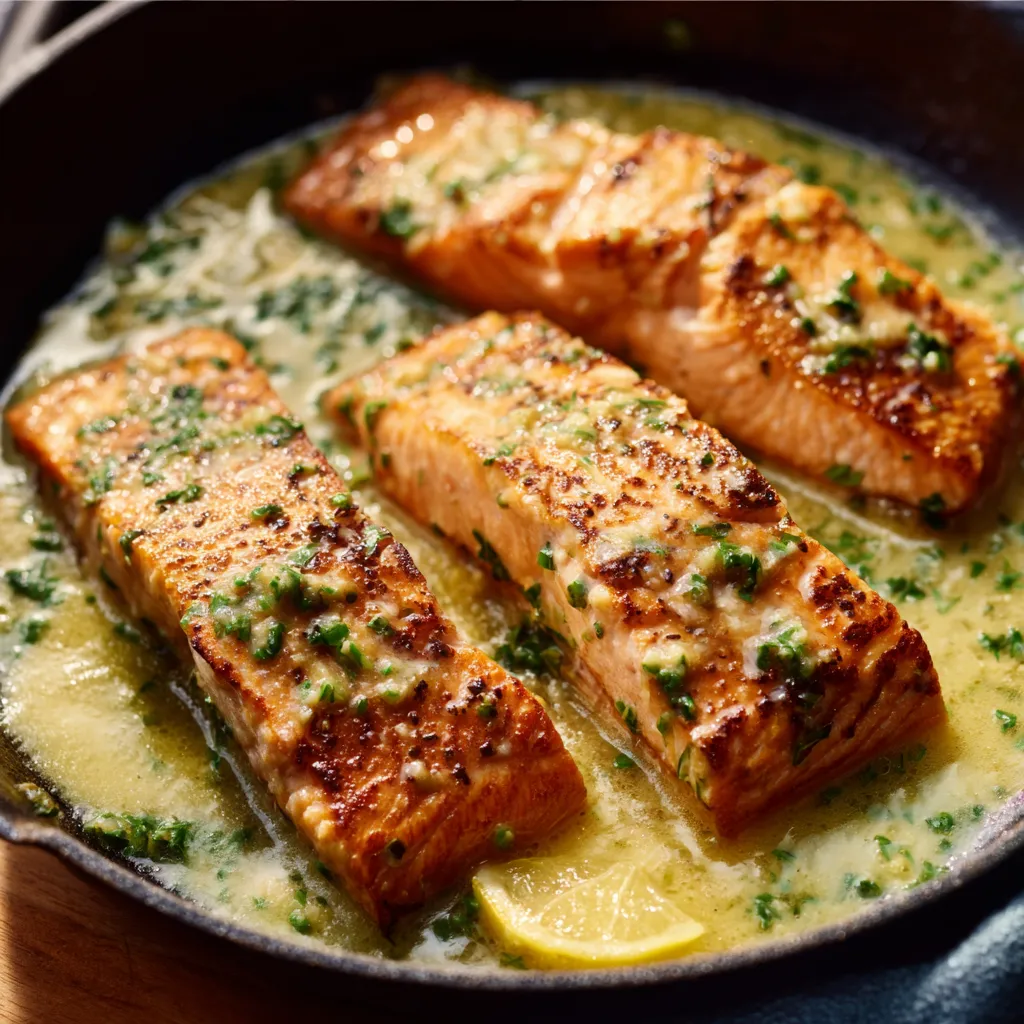
Alright, let’s get cooking! Follow these steps carefully, and you’ll be enjoying restaurant-worthy salmon in no time.
Step 1: Prep the Salmon Like a Pro
This is a crucial step, so pay attention! Pat your salmon fillets completely dry with paper towels. This is non-negotiable! Excess moisture will prevent the skin from getting crispy and will result in steamed, rather than seared, salmon. Season generously on both sides with salt, pepper, and any other spices you’re using. Don’t be afraid to be liberal with the seasoning – it will create a delicious crust.
Step 2: Get Your Skillet Screaming Hot
Place your skillet over medium-high heat. Add about 1-2 tablespoons of your chosen high-heat oil. Let the oil heat up until it’s shimmering and almost smoking. This is key for achieving that beautiful sear. If the oil isn’t hot enough, the salmon will stick to the pan and won’t develop a nice crust.
Step 3: Sear the Salmon to Perfection
Gently place the salmon fillets in the hot skillet, skin-side down if you’re using skin-on fillets. Don’t overcrowd the pan! If you’re cooking multiple fillets, do it in batches. Press down lightly on the salmon with a spatula for the first 30 seconds to ensure even contact with the pan. This will help the skin crisp up beautifully. Now, resist the urge to move the salmon! Let it sear undisturbed for 4-6 minutes, or until the skin is golden brown and crispy and the flesh is about halfway cooked.
Step 4: Flip and Finish Cooking
Carefully flip the salmon fillets using tongs or a fish spatula. If the salmon is sticking to the pan, it’s not ready to be flipped! Let it cook for another minute or two until it releases easily. Once flipped, cook for another 2-4 minutes, or until the salmon is cooked through. The internal temperature should reach 145°F (63°C). The salmon should be opaque and flake easily with a fork.
Step 5: Rest and Serve
Remove the salmon from the skillet and place it on a plate. Let it rest for a few minutes before serving. This allows the juices to redistribute, resulting in a more moist and flavorful salmon. Serve immediately with lemon wedges and your favorite sides.
Troubleshooting: Common Mistakes and How to Avoid Them
Even with the best instructions, things can sometimes go awry in the kitchen. Here are some common mistakes and how to avoid them:
- Salmon Sticking to the Pan: This usually happens when the pan isn’t hot enough or the salmon isn’t dry enough. Make sure your pan is screaming hot and your salmon is bone dry before adding it to the pan.
- Salmon Overcooked: Overcooked salmon is dry and tough. Use a meat thermometer to ensure the salmon reaches an internal temperature of 145°F (63°C). Remember, it will continue to cook slightly as it rests.
- Salmon Under-seasoned: Don’t be shy with the salt and pepper! Season generously on both sides of the fillet.
- Soggy Skin: The biggest culprit here is not patting the salmon dry enough. Also, make sure your pan is hot enough to crisp the skin properly.
Flavor Variations: Level Up Your Pan-Seared Salmon
Now that you’ve mastered the basic technique, let’s explore some delicious flavor variations!
Garlic Herb Butter Salmon
During the last minute of cooking, add a tablespoon of butter, a clove of minced garlic, and some fresh herbs (like thyme, rosemary, or parsley) to the pan. Spoon the melted butter over the salmon for extra flavor and moisture. This is a simple yet elegant way to elevate your Garlic Butter Salmon.
Lemon Dill Salmon
Before searing, marinate the salmon in a mixture of lemon juice, olive oil, dill, salt, and pepper. The bright, citrusy flavor pairs perfectly with the richness of the salmon.
Spicy Blackened Salmon
Coat the salmon in a mixture of blackened seasoning before searing. This will create a bold, spicy crust that’s sure to impress. If you enjoy spice, you might also want to check out Blackened Salmon for a full recipe.
Honey Garlic Glazed Salmon
During the last minute of cooking, brush the salmon with a honey garlic glaze. The sweet and savory combination is irresistible. This method is also great for creating Honey Garlic Salmon Bites as an appetizer!
Sheet Pan Salmon with Roasted Vegetables
For a complete meal, try cooking your salmon on a sheet pan with roasted vegetables. Toss your favorite vegetables (like broccoli, asparagus, bell peppers, and onions) with olive oil, salt, and pepper, and roast them alongside the salmon. Consider Sheet Pan Lemon Garlic Butter Salmon for an easy all-in-one meal.
Serving Suggestions: Completing the Meal
Pan-seared salmon is incredibly versatile and pairs well with a variety of sides. Here are a few of my favorites:
- Roasted Vegetables: Asparagus, broccoli, Brussels sprouts, and sweet potatoes are all excellent choices.
- Rice or Quinoa: A simple side of rice or quinoa provides a healthy and satisfying base for the salmon.
- Salad: A fresh green salad with a light vinaigrette is a refreshing complement to the richness of the salmon.
- Mashed Potatoes: Creamy mashed potatoes are a classic pairing with salmon.
- Pasta: A light pasta dish with pesto or a simple tomato sauce is another great option.
Tips for Choosing the Best Salmon
The quality of your salmon will greatly impact the final result. Here are some tips for choosing the best salmon at the store:
- Look for Bright Color: The salmon should have a vibrant, healthy color. Avoid salmon that looks dull or faded.
- Check for Firm Texture: The salmon should feel firm to the touch and spring back slightly when pressed.
- Smell the Salmon: Fresh salmon should have a mild, sea-like smell. Avoid salmon that smells fishy or ammonia-like.
- Consider the Source: Look for sustainably sourced salmon whenever possible.
- Fresh vs. Frozen: Both fresh and frozen salmon can be good choices. If buying frozen, make sure the salmon is properly sealed and shows no signs of freezer burn.
Marinades for Extra Flavor (Optional)
While pan-seared salmon is delicious on its own with just salt and pepper, a marinade can add an extra layer of flavor. Marinate your salmon for at least 30 minutes (or up to a few hours) before searing. Check out this Salmon Marinade Recipe for inspiration!
Oven-Roasted Salmon as an Alternative
If you’re not comfortable pan-searing, or if you prefer a hands-off approach, you can also oven-roast your salmon. Oven Roasted Salmon is another great way to get dinner on the table quickly and easily.
Final Thoughts: You’ve Got This!
Pan-seared salmon is a dish that looks impressive but is surprisingly easy to master. With a few simple techniques and a little practice, you’ll be creating restaurant-quality salmon in your own kitchen in no time. Don’t be afraid to experiment with different flavors and seasonings to find your perfect combination. Happy cooking, friend!
What kind of pan is best for pan-searing salmon?
Cast iron is the best option because it distributes heat evenly and gets incredibly hot. Stainless steel also works well. Avoid non-stick pans, as they don’t get hot enough to achieve that perfect sear.
Why is it important to dry the salmon before searing it?
Patting the salmon dry with paper towels is crucial because excess moisture will prevent the skin from getting crispy and will result in steamed, rather than seared, salmon.
How do I prevent the salmon from sticking to the pan while searing?
Make sure your pan is screaming hot and your salmon is bone dry before adding it to the pan. Also, press down lightly on the salmon with a spatula for the first 30 seconds to ensure even contact with the pan.
What internal temperature should salmon reach when cooked?
The internal temperature of the salmon should reach 145°F (63°C). The salmon should be opaque and flake easily with a fork.
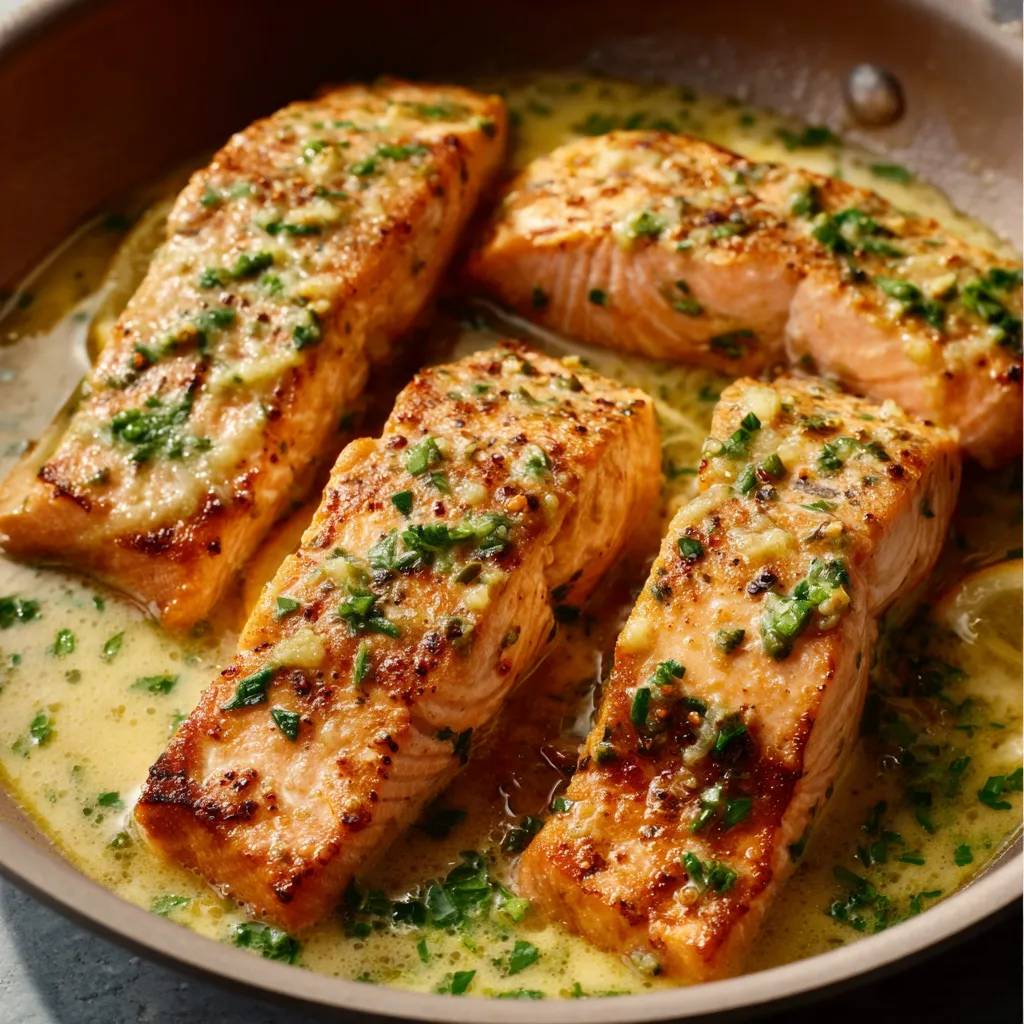
Perfect Pan-Seared Salmon
Ingredients
Equipment
Method
- Pat salmon fillets completely dry with paper towels.
- Season both sides of the salmon generously with salt, pepper, and any optional spices.
- Place a skillet over medium-high heat.
- Add high-heat oil to the skillet and let it heat until shimmering.
- Gently place the salmon fillets in the hot skillet, skin-side down if using skin-on fillets. Do not overcrowd the pan; cook in batches if necessary.
- Press down lightly on the salmon with a spatula for the first 30 seconds to ensure even contact with the pan.
- Sear undisturbed for 4-6 minutes, or until the skin is golden brown and crispy and the flesh is about halfway cooked.
- Carefully flip the salmon fillets using tongs or a fish spatula.
- Cook for another 2-4 minutes, or until the salmon is cooked through and the internal temperature reaches 145°F (63°C).
- Remove the salmon from the skillet and place it on a plate.
- Let it rest for a few minutes before serving with lemon wedges and your favorite sides.