The Golden Ratio: Unveiling the Secrets of Garlic Butter Bliss
Let’s talk about the magic behind garlic butter chicken. It’s not just throwing some garlic and butter into a pan with chicken; it’s about the *Maillard reaction*, the transformation of sugars and amino acids when heated, creating that beautiful browning and complex flavor. The butter, aside from adding richness, acts as a fat-soluble carrier for the garlic, intensifying its aroma and flavor. Salt is crucial; it not only seasons the chicken but also draws out moisture, aiding in browning. The balance between garlic’s pungency, butter’s creaminess, and salt’s enhancement is what separates a good garlic butter chicken from a truly *exceptional* one. Think of it like this: too much garlic and it’s overpowering, too little butter and it’s dry, not enough salt and it tastes bland. The perfect ratio is key. Beyond the core ingredients, considerations of heat control and pan type also impact the final result. A too-low temperature yields pale chicken while a too-high temperature may burn the garlic, rendering it bitter. The type of pan, whether cast iron or stainless steel, also affects browning and evenness of cooking.Recipe: Garlic Butter Chicken Perfection
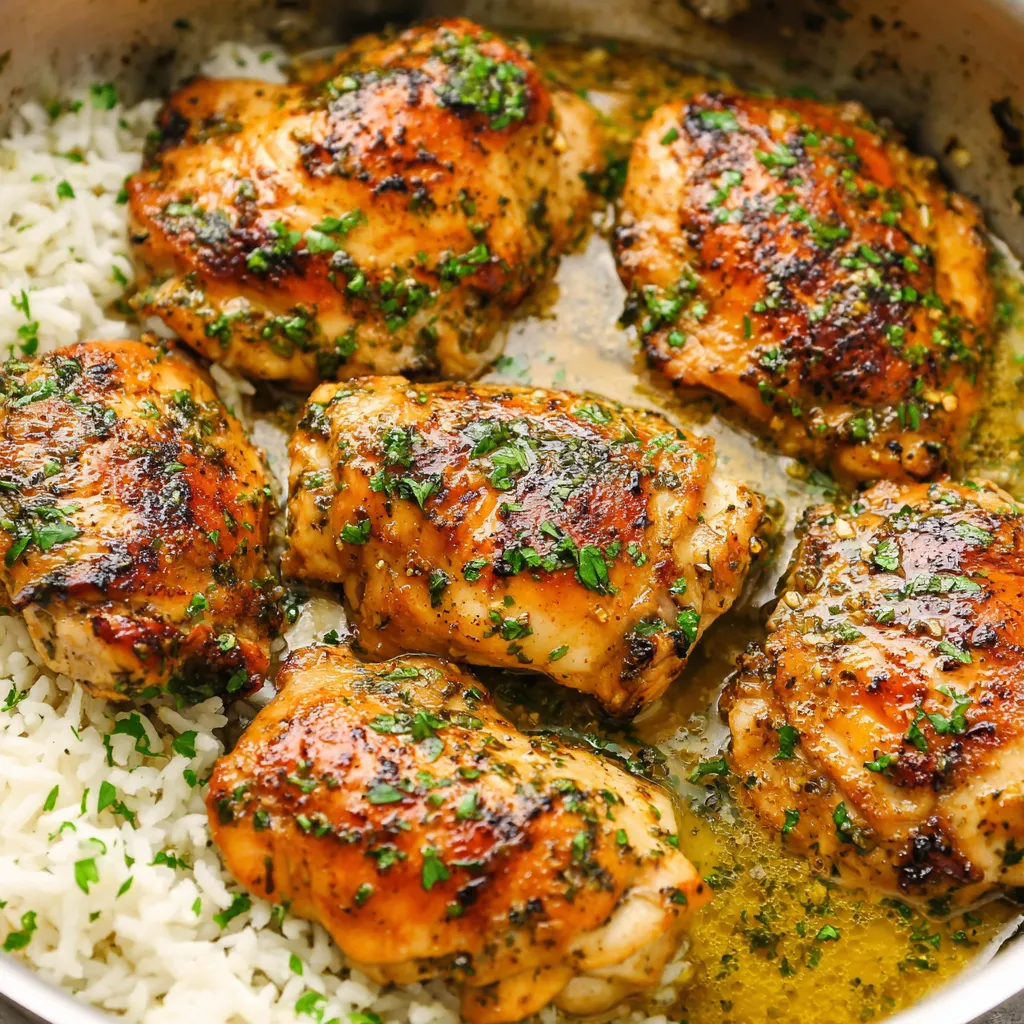 This recipe is the culmination of countless experiments and taste tests. Follow it closely for guaranteed deliciousness.
Ingredients:
- 4 boneless, skinless chicken breasts (about 6 oz each)
- 2 tablespoons olive oil
- 4 tablespoons unsalted butter, divided
- 6 cloves garlic, minced
- 1/4 cup chicken broth
- 2 tablespoons lemon juice
- 1 tablespoon chopped fresh parsley
- 1/2 teaspoon salt
- 1/4 teaspoon black pepper
- 1/4 teaspoon red pepper flakes (optional)
Instructions:
- Prepare the Chicken: Pat the chicken breasts dry with paper towels. Season with salt and pepper.
- Sear the Chicken: Heat olive oil in a large skillet over medium-high heat. Add chicken breasts and cook for 5-7 minutes per side, or until golden brown and cooked through. Remove chicken from skillet and set aside.
- Make the Garlic Butter Sauce: Reduce heat to medium. Add 2 tablespoons of butter to the skillet. Once melted, add minced garlic and red pepper flakes (if using). Cook for about 1 minute, or until fragrant, being careful not to burn the garlic.
- Deglaze the Pan: Pour in chicken broth and lemon juice. Scrape up any browned bits from the bottom of the skillet. Bring to a simmer and cook for 2-3 minutes, or until slightly reduced.
- Finish the Sauce: Stir in the remaining 2 tablespoons of butter until melted and emulsified. Add chopped parsley.
- Combine and Serve: Return the chicken breasts to the skillet and coat them with the garlic butter sauce. Serve immediately, spooning extra sauce over the chicken. Serve with rice, pasta, or roasted vegetables.
My Quest for Garlic Butter Chicken Glory: A Culinary Confessional
My first few attempts were a disaster. I vividly remember one batch where the garlic burned instantly, leaving a bitter taste that permeated everything. It was inedible. I realized then that I needed to understand the role of each ingredient and the importance of heat control.The Great Garlic Calamity
Like many of you, I initially thought more garlic meant more flavor. I piled it in, only to discover that burnt garlic is the enemy of deliciousness. The key, I learned, is to sauté the garlic gently in butter over medium heat, watching it like a hawk. The moment it becomes fragrant, it’s time to move on. Too high heat equals acrid, bitter garlic, ruining the entire dish.The Butter Battle: Finding the Right Fat
I experimented with different types of butter – salted, unsalted, even clarified butter. Unsalted butter allowed me more control over the salt content, which proved crucial. Clarified butter, while having a higher smoke point, lacked the richness and depth of flavor that regular butter provides. Ultimately, unsalted butter reigned supreme. I also discovered the importance of using *cold* butter at the end to emulsify the sauce and give it a beautiful sheen.The Chicken Challenge: Achieving Perfect Tenderness
Getting the chicken just right was another hurdle. Initially, I overcooked it, resulting in dry, rubbery breasts. Then, I had an “Aha!” moment when I realized the importance of searing the chicken first to lock in the juices, followed by a gentle simmer in the garlic butter sauce. This two-step process yielded incredibly tender and flavorful chicken every time. I often enjoy making Garlic Butter Mushroom Chicken using a similar technique, ensuring the chicken is cooked to perfection.Lemon’s Zest: The Acidic Revelation
The addition of lemon juice was a game-changer. It brightened the sauce, balancing the richness of the butter and adding a subtle tang that cut through the savoriness. I tried different citrus fruits, but lemon provided the perfect level of acidity and a complementary flavor profile. I’ve since applied this principle to other recipes, such as Honey Garlic Chicken, using a touch of vinegar to enhance the sweetness.The Art of Garlic Butter Chicken: A Foolproof Technique
After my intense investigation, here’s the definitive, step-by-step method for achieving garlic butter chicken perfection:- Prep Like a Pro: Pat the chicken dry and season generously with salt and pepper. This is the foundation of flavor.
- Sear the Deal: High heat, a little oil, and don’t overcrowd the pan. Sear the chicken until golden brown on both sides to lock in moisture.
- Garlic Vigilance: Medium heat, unsalted butter, and constant watchfulness. Sauté the garlic until fragrant, not burnt.
- Deglaze with Grace: Chicken broth and lemon juice scrape up those flavorful browned bits from the pan.
- Butter Emulsification: Cold butter, stirred in at the end, creates a luscious, glossy sauce.
- Simmer to Perfection: Return the chicken to the pan and simmer gently in the sauce until cooked through.
- Herbaceous Finale: Fresh parsley adds a final touch of freshness and visual appeal.
Why is it important to sear the chicken before simmering it in the garlic butter sauce?
Searing the chicken first locks in the juices, which helps to keep it tender and flavorful during the cooking process.
What type of butter is recommended for the garlic butter chicken, and why?
Unsalted butter is recommended because it allows for better control over the overall salt content of the dish.
Why is it important to add the butter at the end of making the sauce?
Adding cold butter at the end helps emulsify the sauce, giving it a luscious and glossy sheen.
What’s the key to preventing the garlic from burning in the garlic butter sauce?
The key is to sauté the minced garlic gently in butter over medium heat, watching it carefully. Remove it from the heat as soon as it becomes fragrant, before it starts to brown and potentially burn.
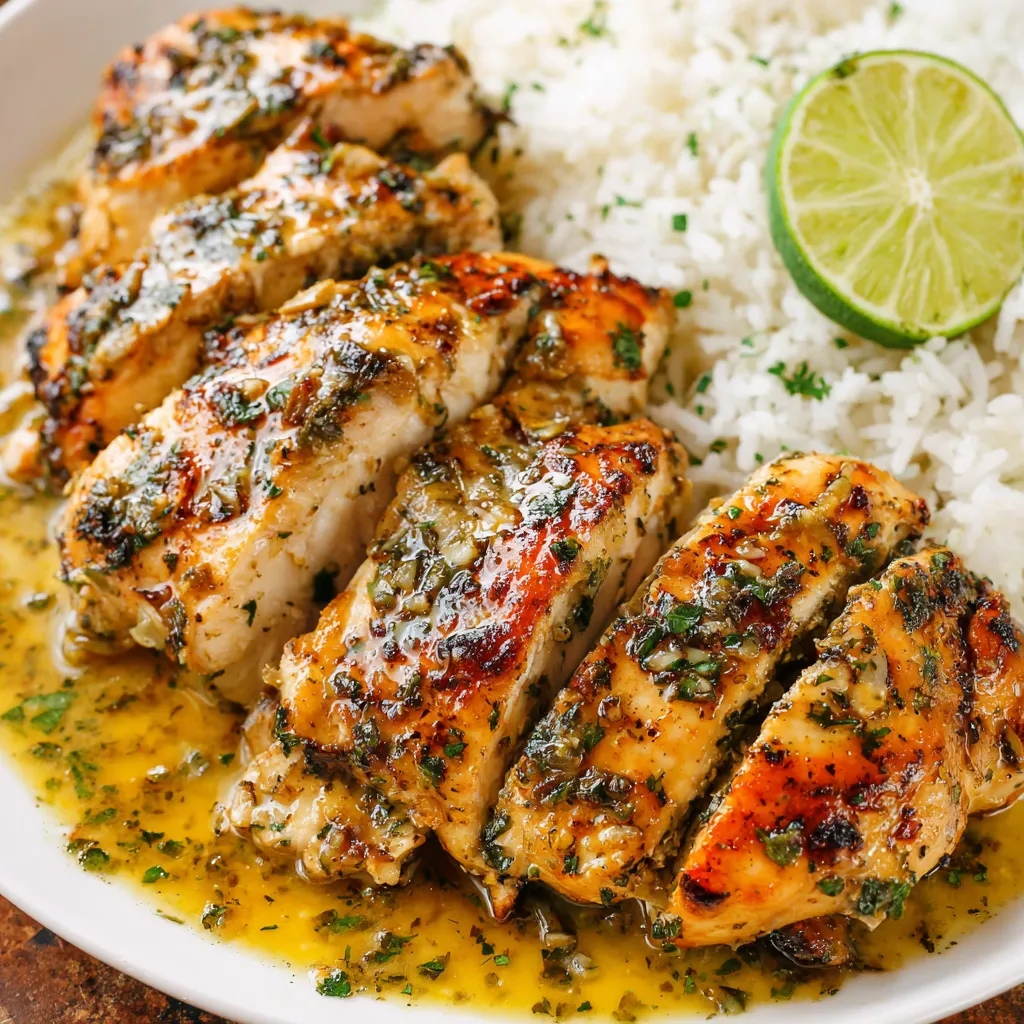
Perfect Garlic Butter Chicken
This recipe delivers restaurant-quality garlic butter chicken with tender, flavorful chicken breasts and a rich, savory garlic butter sauce. The key is searing the chicken to lock in juices, carefully cooking the garlic to avoid bitterness, and emulsifying the sauce with cold butter for a glossy finish.
Ingredients
Equipment
Method
- Prepare the Chicken: Pat the chicken breasts dry with paper towels. Season with salt and pepper.
- Sear the Chicken: Heat olive oil in a large skillet over medium-high heat. Add chicken breasts and cook for 5-7 minutes per side, or until golden brown and cooked through. Remove chicken from skillet and set aside.
- Make the Garlic Butter Sauce: Reduce heat to medium. Add 2 tablespoons of butter to the skillet. Once melted, add minced garlic and red pepper flakes (if using). Cook for about 1 minute, or until fragrant, being careful not to burn the garlic.
- Deglaze the Pan: Pour in chicken broth and lemon juice. Scrape up any browned bits from the bottom of the skillet. Bring to a simmer and cook for 2-3 minutes, or until slightly reduced.
- Finish the Sauce: Stir in the remaining 2 tablespoons of butter until melted and emulsified. Add chopped parsley.
- Combine and Serve: Return the chicken breasts to the skillet and coat them with the garlic butter sauce. Serve immediately, spooning extra sauce over the chicken. Serve with rice, pasta, or roasted vegetables.
Notes
For best results, use cold butter to emulsify the sauce at the end. Be careful not to burn the garlic; cook it gently until fragrant. Store leftovers in an airtight container in the refrigerator for up to 3 days. You can also add a splash of white wine to the sauce for extra flavor.