The Alchemic Foundation: Understanding the Gin Sour
The gin sour, at its core, is a beautifully simple equation: spirit, citrus, and sweetener. But this simplicity is deceptive. The magic lies in the delicate balance, the dance between the gin’s botanical complexity, the citrus’s tartness, and the sweetener’s soothing touch. Too much of one element, and the whole concoction falls apart. Consider it like building a sturdy structure: the gin is your foundational beam, the citrus provides essential support, and the sweetener acts as the mortar, holding everything together. For an Autumn Gin Sour, we need to think beyond the basics. We’re not just aiming for a sour; we’re aiming for an *experience.* This means considering ingredients that evoke the season: warming spices, rich fruit notes, and a hint of earthy depth. The acidity needs to be balanced by the sweetness of fall fruits and the spice rack, not just plain sugar. The gin needs to be carefully selected to complement these flavors, not clash with them.The Perfect Autumn Gin Sour Recipe
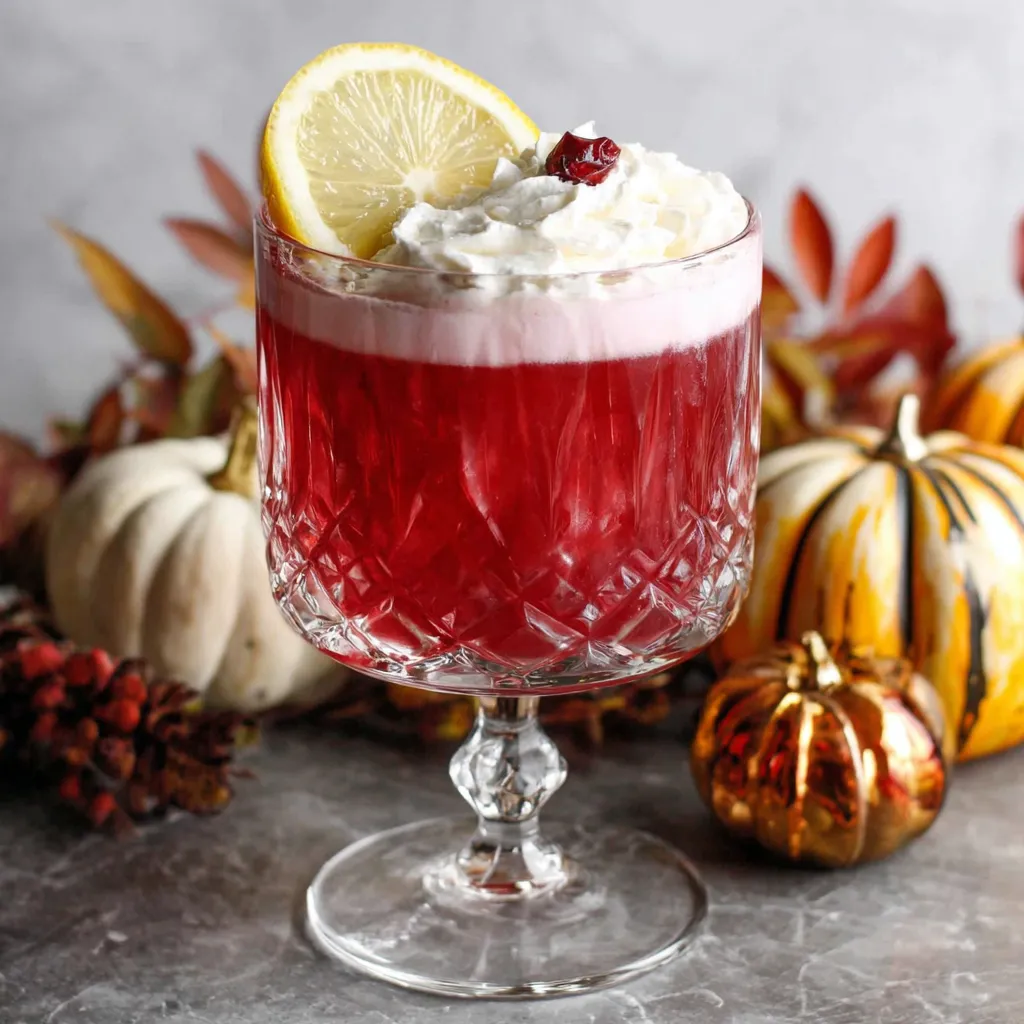 This recipe is the culmination of my experiments, designed to bring the very essence of autumn to your glass.
Ingredients:
- 2 oz London Dry Gin (I recommend a gin with pronounced juniper and citrus notes)
- 1 oz Fresh Apple Cider (not juice!)
- ¾ oz Fresh Lemon Juice
- ½ oz Maple Syrup (Grade A Dark Amber is ideal)
- 2 Dashes Angostura Bitters
- Optional: 1/4 oz Apple Brandy (for added depth)
- Garnish: Apple slice, cinnamon stick, star anise
Instructions:
- Combine all ingredients in a cocktail shaker.
- Add ice to the shaker.
- Shake vigorously for 15-20 seconds, until well-chilled.
- Double strain into a chilled coupe or rocks glass filled with ice.
- Garnish with an apple slice, cinnamon stick, and star anise.
The Gin Sour Files: My Autumn Investigation
My quest for the perfect Autumn Gin Sour was far from a straight line. My first few attempts were a disaster – cloyingly sweet, overly acidic, or just plain bland. But each failure held a lesson, each misstep a clue that led me closer to the final solution.The Cider Conundrum
Like many of you, I initially thought that using apple cider would be a simple swap for simple syrup. Wrong! My first attempt resulted in a drink that was overwhelmingly sweet and lacking the bright acidity that defines a good sour. The store-bought apple cider I used was too sugary and masked the gin’s delicate botanicals. Then, I had an “Aha!” moment: fresh apple cider, the kind you get from an orchard in the fall, is key. It’s less processed, less sugary, and has a more complex flavor profile.The Sweetener Showdown
Simple syrup seemed too… simple. It lacked the autumnal depth I was craving. Brown sugar syrup added a molasses-like note that overpowered the gin. Honey was too floral. Then I tried maple syrup. The earthiness and subtle caramel notes of Grade A Dark Amber maple syrup were a revelation. It perfectly complemented the apple cider and provided the necessary sweetness without being cloying. This reminds me of the sweet notes you get in a well-made Pumpkin Spice Fireball Sangria.Gin Selection Sabotage
I started with a floral gin, thinking it would add a delicate touch. But the floral notes clashed with the apple cider, creating a muddy flavor. A bolder, more juniper-forward London Dry gin proved to be the answer. Its classic botanical profile cut through the sweetness of the cider and syrup, providing a solid foundation for the other flavors to build upon. And for a festive twist, consider how a Spiced Christmas Margarita benefits from a careful selection of tequila.The Bitters Boost
At first, I didn’t think bitters were necessary. But the drink felt… incomplete. A few dashes of Angostura bitters added a layer of complexity and tied all the flavors together. They provided a subtle spice note that enhanced the autumnal character of the drink. I considered experimenting with other bitters, like apple bitters or cinnamon bitters, but ultimately decided that Angostura provided the best balance. This mirrors how the right bitters can elevate a Cranberry Orange Whiskey Sour.The Apple Brandy Amplifier
This was a late addition, but a crucial one. A small amount of apple brandy (Calvados is excellent) adds depth and warmth to the drink, further enhancing the apple flavor without adding sweetness. It’s like adding a secret ingredient that makes everything “pop.”The Alchemy Unveiled: A Foolproof Method for Autumn Gin Sour Perfection
After countless iterations, I’ve distilled the process into a series of steps guaranteed to produce a perfect Autumn Gin Sour every time.- Choose Your Gin Wisely: Opt for a London Dry gin with a pronounced juniper and citrus profile. This will provide a solid foundation for the other flavors.
- Source the Best Apple Cider: Fresh, unfiltered apple cider from an orchard is ideal. Avoid overly processed, sugary varieties.
- Embrace Maple Syrup: Grade A Dark Amber maple syrup offers the best balance of sweetness and autumnal depth.
- Don’t Skimp on the Lemon: Fresh lemon juice is essential for balancing the sweetness and providing acidity.
- Bitters are Your Friend: A few dashes of Angostura bitters add complexity and tie all the flavors together.
- The Apple Brandy Secret: Consider adding a small amount of apple brandy for extra depth and warmth.
- Shake Vigorously: A good, hard shake is crucial for chilling the drink and properly diluting the ingredients.
- Double Strain: This removes any ice shards and ensures a smooth, elegant cocktail.
- Garnish Thoughtfully: An apple slice, cinnamon stick, and star anise not only look beautiful but also enhance the aroma and flavor of the drink.
What type of gin is recommended for an Autumn Gin Sour, and why?
A London Dry gin with pronounced juniper and citrus notes is recommended. Its classic botanical profile cuts through the sweetness of the cider and syrup, providing a solid foundation for the other flavors.
Why is fresh apple cider preferred over store-bought apple juice in the recipe?
Fresh apple cider, especially from an orchard, is less processed, less sugary, and has a more complex flavor profile compared to store-bought apple juice, which can be overly sweet and mask the gin’s botanicals.
What kind of maple syrup is best to use and why?
Grade A Dark Amber maple syrup is ideal because its earthiness and subtle caramel notes perfectly complement the apple cider, providing the necessary sweetness without being cloying.
What does the apple brandy add to the Autumn Gin Sour?
A small amount of apple brandy (like Calvados) adds depth and warmth to the drink, further enhancing the apple flavor without increasing sweetness.
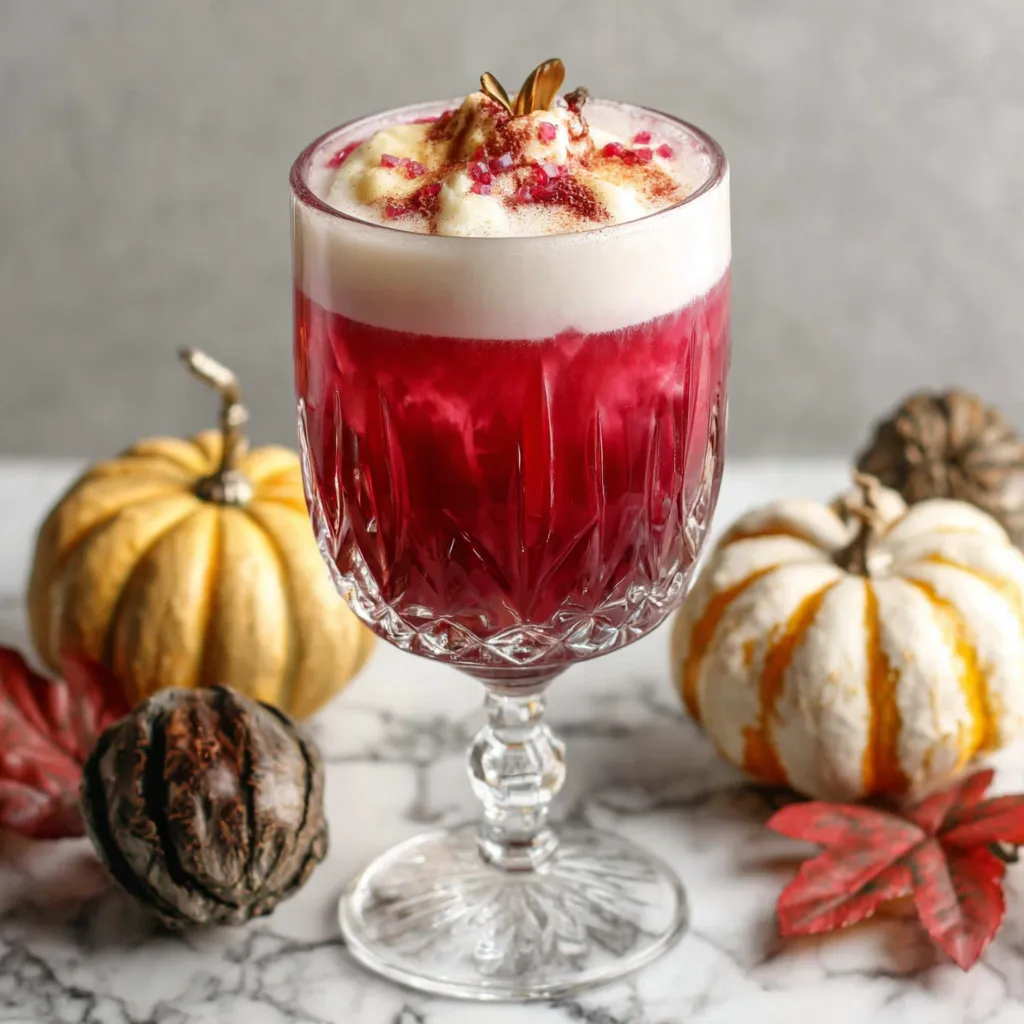
Perfect Autumn Gin Sour
This cocktail perfectly captures the essence of autumn with its blend of gin, apple cider, lemon juice, and maple syrup. The addition of Angostura bitters and optional apple brandy adds depth and complexity, making it a truly seasonal delight. Garnish with apple, cinnamon, and star anise for an aromatic and visually appealing drink.
Ingredients
Equipment
Method
- Combine all ingredients in a cocktail shaker.
- Add ice to the shaker.
- Shake vigorously for 15-20 seconds, until well-chilled.
- Double strain into a chilled coupe or rocks glass filled with ice.
- Garnish with an apple slice, cinnamon stick, and star anise.
Notes
For the best flavor, use fresh, unfiltered apple cider from an orchard. Grade A Dark Amber maple syrup is recommended for its earthiness and subtle caramel notes. A London Dry gin with pronounced juniper and citrus notes works best. Apple brandy (Calvados) can be added for extra depth and warmth. Double straining removes ice shards for a smoother cocktail.