The Alchemy of Snickerdoodle Cheesecake: Beyond Just Baking
At its core, the Snickerdoodle is a balance of tanginess (traditionally from cream of tartar) and sweetness, all wrapped in a delightful cinnamon coating. Translating this to a cheesecake requires careful consideration of how these elements interact.- The Tang: Cream cheese provides a foundational tang, but to truly mimic the Snickerdoodle’s signature zing, a touch of sour cream or even a hint of lemon juice is crucial. This not only enhances the flavor but also helps to tenderize the cheesecake, preventing a dense, rubbery texture.
- The Cinnamon-Sugar Swirl: This is where the magic happens. Simply sprinkling cinnamon sugar on top isn’t enough; you need to infuse it throughout the cheesecake. This can be achieved by creating a ribbon of cinnamon-sugar mixture within the batter, ensuring every bite is packed with that familiar warmth.
- The Crust Connection: A graham cracker crust is standard, but for a Snickerdoodle Cheesecake, a shortbread crust offers a superior textural and flavor complement. The buttery, crumbly nature of shortbread echoes the cookie’s delicate texture and adds another layer of richness.
- The Baking Game: Cheesecake is notoriously finicky. Water baths are your friend. They provide gentle, even heat, preventing cracking and ensuring a silky smooth texture. Low and slow is the name of the game.
The Ultimate Snickerdoodle Cheesecake Recipe
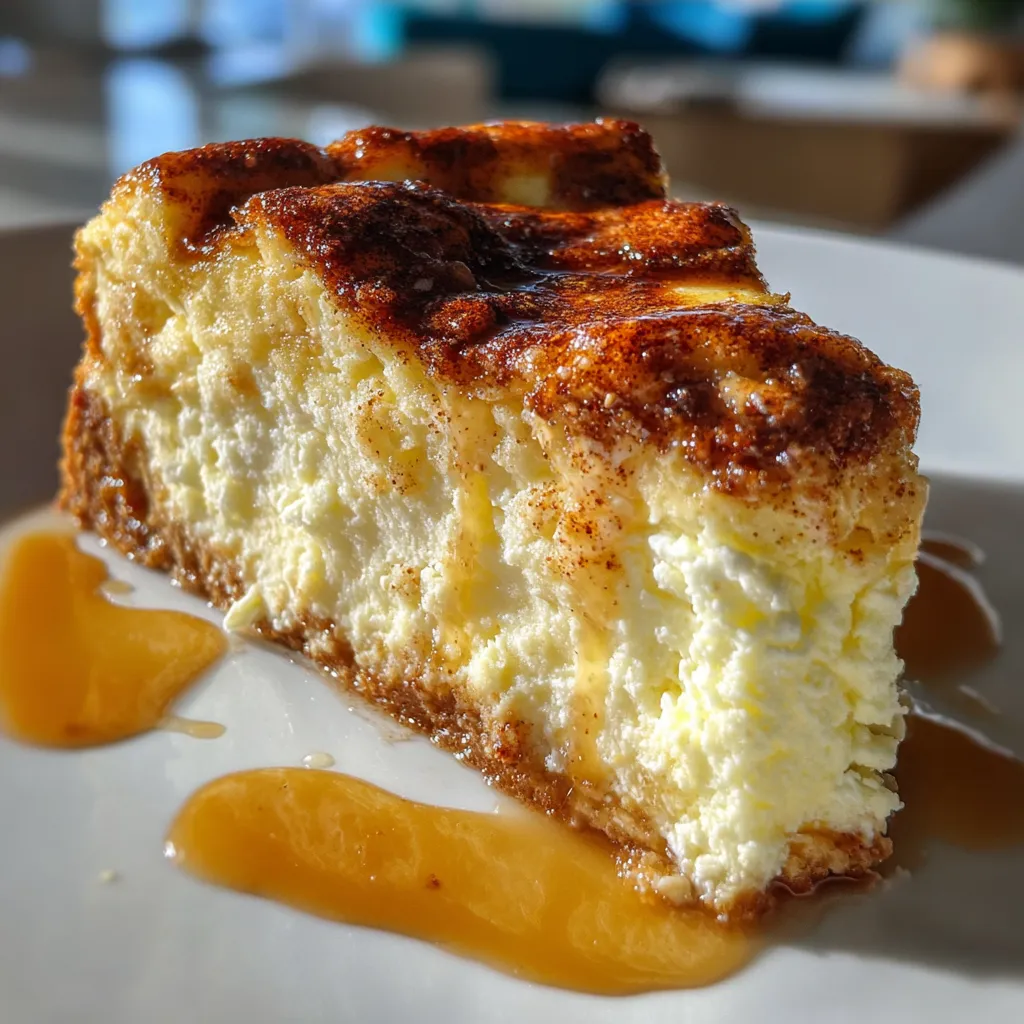 This recipe incorporates all the scientific principles I’ve learned, resulting in a Snickerdoodle Cheesecake that’s both delicious and visually stunning.
Ingredients:
- For the Shortbread Crust:
- 1 1/2 cups all-purpose flour
- 1/2 cup powdered sugar
- 1/2 teaspoon salt
- 1 cup (2 sticks) cold unsalted butter, cut into cubes
- 1 large egg yolk
- 1 teaspoon vanilla extract
- For the Cheesecake Filling:
- 32 ounces cream cheese, softened to room temperature
- 1 1/4 cups granulated sugar
- 1/4 cup sour cream
- 1 tablespoon vanilla extract
- 1 teaspoon lemon juice
- 4 large eggs
- For the Cinnamon-Sugar Swirl:
- 1/4 cup granulated sugar
- 2 tablespoons ground cinnamon
- For the Snickerdoodle Topping (Optional):
- 1/2 cup all-purpose flour
- 1/4 cup granulated sugar
- 1/4 cup (1/2 stick) cold unsalted butter, cut into cubes
- 1 teaspoon ground cinnamon
Instructions:
- Make the Shortbread Crust:
- Preheat oven to 350°F (175°C).
- In a food processor, combine flour, powdered sugar, and salt. Pulse until combined.
- Add cold butter and pulse until the mixture resembles coarse crumbs.
- Add egg yolk and vanilla extract. Pulse until the dough just comes together.
- Press the dough evenly into the bottom of a 9-inch springform pan.
- Bake for 15-20 minutes, or until lightly golden brown. Let cool completely.
- Make the Cheesecake Filling:
- Preheat oven to 325°F (160°C). Wrap the bottom of the springform pan with heavy-duty aluminum foil.
- In a large bowl, beat cream cheese and sugar until smooth and creamy.
- Beat in sour cream, vanilla extract, and lemon juice.
- Add eggs one at a time, beating well after each addition. Be careful not to overmix.
- Create the Cinnamon-Sugar Swirl:
- In a small bowl, combine sugar and cinnamon.
- Assemble the Cheesecake:
- Pour half of the cheesecake batter into the prepared crust.
- Sprinkle half of the cinnamon-sugar mixture evenly over the batter.
- Pour the remaining cheesecake batter over the cinnamon-sugar layer.
- Sprinkle the remaining cinnamon-sugar mixture over the top. Use a knife or skewer to swirl the cinnamon-sugar into the batter.
- (Optional) Make the Snickerdoodle Topping:
- In a small bowl, combine flour, sugar, and cinnamon.
- Cut in cold butter using a pastry blender or your fingers until the mixture resembles coarse crumbs.
- Sprinkle the topping evenly over the cheesecake batter.
- Bake the Cheesecake:
- Place the springform pan in a larger roasting pan. Pour hot water into the roasting pan until it reaches halfway up the sides of the springform pan.
- Bake for 60-75 minutes, or until the edges are set and the center is slightly jiggly.
- Turn off the oven and let the cheesecake cool in the oven with the door slightly ajar for 1 hour.
- Remove the cheesecake from the water bath and let cool completely on a wire rack.
- Cover and refrigerate for at least 4 hours, or preferably overnight.
- Serve:
- Remove the sides of the springform pan and serve cold.
My Snickerdoodle Cheesecake Saga: A Journey of Baking Discovery
Like many of you, I initially thought replicating the Snickerdoodle flavor in a cheesecake would be straightforward. Oh, how wrong I was! My first few attempts were a disaster.The Case of the Missing Tang
My initial cheesecakes tasted…flat. They were sweet, yes, and vaguely cinnamon-y, but they lacked that signature Snickerdoodle tang. I experimented with adding cream of tartar directly to the batter, but the results were inconsistent. Sometimes it worked, sometimes it left a weird, chalky aftertaste. Then, I had an “Aha!” moment: lemon juice and sour cream! The combination provided a more nuanced acidity that brightened the entire flavor profile without overpowering the cream cheese.The Cinnamon Conundrum
Sprinkling cinnamon sugar on top provided a pleasant visual appeal, but it didn’t permeate the cheesecake. The interior was bland. My solution? The cinnamon-sugar swirl. This not only distributed the flavor evenly but also created beautiful marbling throughout the cheesecake.The Crust Catastrophe
Standard graham cracker crusts were too overpowering. They masked the delicate Snickerdoodle flavors. That’s when I remembered the Sugar Cookie Cheesecake recipe and its delicious shortbread crust. A buttery, crumbly shortbread crust was the perfect complement, adding another layer of richness and echoing the cookie’s texture.The Baking Blunders
Cracked cheesecakes were my nemesis. I tried everything – higher temperatures, shorter baking times, longer baking times… nothing seemed to work consistently. Then, I embraced the water bath. It was a game-changer. The gentle, even heat prevented cracking and resulted in a silky smooth texture. And remember to let it cool in the oven! This gradual cooling process is key to preventing those dreaded cracks. It’s also similar to how I handle my Pumpkin Cheesecake to avoid any cracks.The Foolproof Snickerdoodle Cheesecake Method: A Summary
After countless experiments, I’ve distilled the process into a simple, foolproof method:- Master the Shortbread Crust: A buttery shortbread crust provides the perfect foundation. Don’t skip the chilling step!
- Embrace the Tang: Sour cream and lemon juice are your friends. They add that signature Snickerdoodle zing.
- Swirl, Don’t Sprinkle: Infuse the cheesecake with cinnamon-sugar by creating a swirl within the batter.
- Water Bath Wonders: A water bath is essential for preventing cracks and ensuring a silky smooth texture.
- Low and Slow: Bake at a low temperature for a longer time. Patience is key!
- Cool Gradually: Let the cheesecake cool in the oven with the door ajar to prevent cracking.
- Chill Thoroughly: Refrigerate for at least 4 hours, or preferably overnight, to allow the flavors to meld.
Why is a water bath important for baking this Snickerdoodle Cheesecake?
A water bath provides gentle, even heat, preventing the cheesecake from cracking and ensuring a silky smooth texture.
Why does the recipe use a shortbread crust instead of a graham cracker crust?
A shortbread crust offers a superior textural and flavor complement to the Snickerdoodle Cheesecake. The buttery, crumbly nature of shortbread echoes the cookie’s delicate texture and adds another layer of richness.
What is the purpose of adding sour cream and lemon juice to the cheesecake filling?
Sour cream and lemon juice provide a tanginess that mimics the signature zing of a Snickerdoodle cookie. They also help to tenderize the cheesecake, preventing a dense, rubbery texture.
How does the recipe ensure the cinnamon-sugar flavor is present throughout the entire cheesecake?
The recipe uses a cinnamon-sugar swirl within the batter, ensuring every bite is packed with the familiar warmth of cinnamon and sugar, rather than just sprinkling it on top.
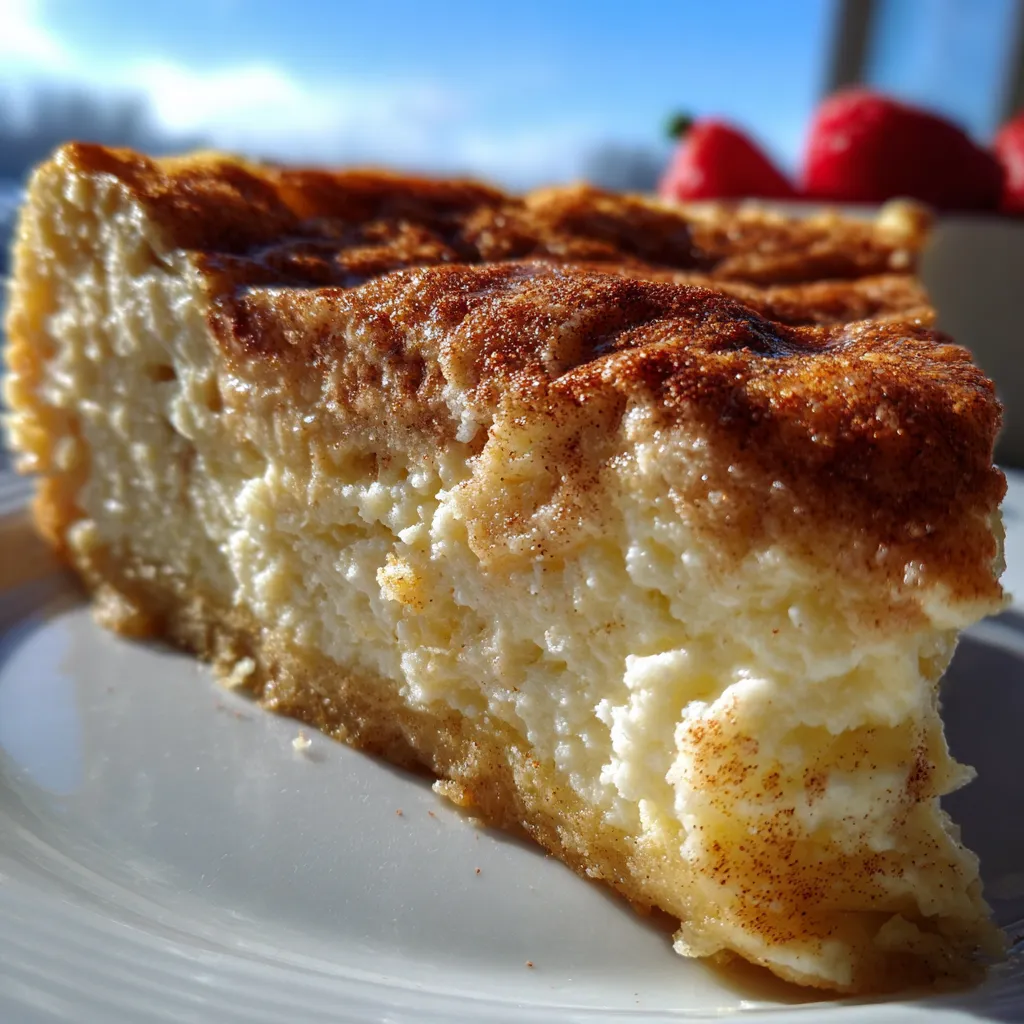
Irresistible Snickerdoodle Cheesecake
This Snickerdoodle Cheesecake captures the essence of the beloved cookie with a creamy, tangy filling and a delightful cinnamon-sugar swirl. Baked low and slow in a water bath, it features a buttery shortbread crust and optional snickerdoodle topping for an unforgettable dessert experience.
Ingredients
Equipment
Method
- Preheat oven to 350°F (175°C).
- In a food processor, combine flour, powdered sugar, and salt. Pulse until combined.
- Add cold butter and pulse until the mixture resembles coarse crumbs.
- Add egg yolk and vanilla extract. Pulse until the dough just comes together.
- Press the dough evenly into the bottom of a 9-inch springform pan.
- Bake for 15-20 minutes, or until lightly golden brown. Let cool completely.
- Preheat oven to 325°F (160°C). Wrap the bottom of the springform pan with heavy-duty aluminum foil.
- In a large bowl, beat cream cheese and sugar until smooth and creamy.
- Beat in sour cream, vanilla extract, and lemon juice.
- Add eggs one at a time, beating well after each addition. Be careful not to overmix.
- In a small bowl, combine sugar and cinnamon.
- Pour half of the cheesecake batter into the prepared crust.
- Sprinkle half of the cinnamon-sugar mixture evenly over the batter.
- Pour the remaining cheesecake batter over the cinnamon-sugar layer.
- Sprinkle the remaining cinnamon-sugar mixture over the top. Use a knife or skewer to swirl the cinnamon-sugar into the batter.
- In a small bowl, combine flour, sugar, and cinnamon for the topping.
- Cut in cold butter using a pastry blender or your fingers until the mixture resembles coarse crumbs.
- Sprinkle the topping evenly over the cheesecake batter.
- Place the springform pan in a larger roasting pan. Pour hot water into the roasting pan until it reaches halfway up the sides of the springform pan.
- Bake for 60-75 minutes, or until the edges are set and the center is slightly jiggly.
- Turn off the oven and let the cheesecake cool in the oven with the door slightly ajar for 1 hour.
- Remove the cheesecake from the water bath and let cool completely on a wire rack.
- Cover and refrigerate for at least 4 hours, or preferably overnight.
- Remove the sides of the springform pan and serve cold.
Notes
For best results, use high-quality ingredients and ensure your cream cheese is fully softened. The water bath is crucial for preventing cracks, and cooling the cheesecake slowly in the oven is also essential. Chilling overnight allows the flavors to meld together beautifully. For a richer flavor, consider using brown butter in the shortbread crust.