Piccata’s Paradox: The Science Behind the Sauce
The key to a successful Creamy Lemon Chicken Piccata lies in understanding the delicate balance between acidity and fat. Lemon juice, being highly acidic, can curdle dairy products if not handled correctly. The protein in cream coagulates when exposed to high heat and acid, resulting in a grainy, unappetizing sauce. The trick is to temper the cream, gradually raising its temperature and introducing it to the acidic elements in a controlled manner. Stabilizers, like flour or cornstarch, also play a critical role in preventing curdling. Furthermore, the fat content of the cream matters; heavy cream is more stable than half-and-half due to its higher fat percentage, which helps to emulsify the sauce and prevent separation. Understanding this basic science helps us move forward to the perfect creamy piccata.The Creamy Lemon Chicken Piccata Recipe
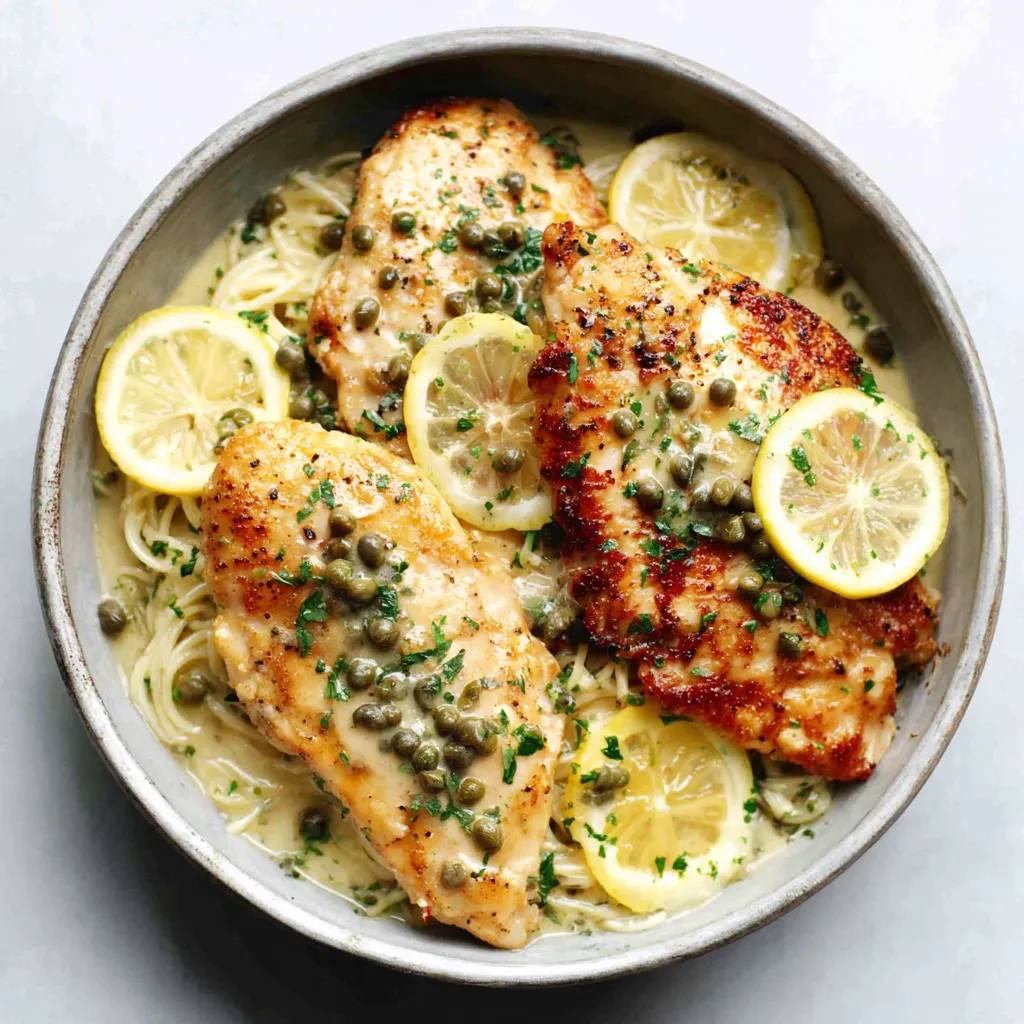 This recipe is designed for four servings.
Ingredients:
- 4 boneless, skinless chicken breasts (about 6 oz each)
- 1/2 cup all-purpose flour
- 1 teaspoon salt
- 1/2 teaspoon black pepper
- 4 tablespoons olive oil, divided
- 4 tablespoons butter, divided
- 1/2 cup dry white wine (such as Sauvignon Blanc or Pinot Grigio)
- 1/2 cup chicken broth
- 1/4 cup lemon juice (freshly squeezed)
- 2 tablespoons capers, drained
- 1/2 cup heavy cream
- 2 tablespoons chopped fresh parsley, for garnish
- Lemon slices, for garnish (optional)
Instructions:
- Prepare the Chicken: Place each chicken breast between two sheets of plastic wrap. Using a meat mallet or rolling pin, pound the chicken to an even 1/4-inch thickness. This ensures even cooking and tenderizes the chicken.
- Dredge the Chicken: In a shallow dish, combine the flour, salt, and pepper. Dredge each chicken breast in the flour mixture, shaking off any excess.
- Sear the Chicken: Heat 2 tablespoons of olive oil and 2 tablespoons of butter in a large skillet over medium-high heat. Once the butter is melted and the pan is hot, add two chicken breasts to the skillet (do not overcrowd). Cook for 3-4 minutes per side, or until golden brown and cooked through. Remove the chicken from the skillet and set aside. Repeat with the remaining olive oil, butter, and chicken breasts.
- Deglaze the Pan: Reduce the heat to medium. Pour the white wine into the skillet and scrape up any browned bits from the bottom of the pan. This adds depth of flavor to the sauce. Let the wine reduce slightly, about 2-3 minutes.
- Make the Sauce: Add the chicken broth and lemon juice to the skillet. Bring to a simmer and cook for another 2-3 minutes, allowing the sauce to slightly thicken. Stir in the capers.
- Incorporate the Cream: Reduce the heat to low. Gradually whisk in the heavy cream, ensuring it is fully incorporated into the sauce. Simmer gently for 1-2 minutes, allowing the sauce to thicken slightly. Do not boil, as this can cause the cream to curdle.
- Combine and Serve: Return the cooked chicken breasts to the skillet. Spoon the sauce over the chicken, ensuring it is evenly coated. Heat through for another minute or two. Garnish with fresh parsley and lemon slices (if desired). Serve immediately over pasta, rice, or alongside vegetables.
My Creamy Piccata Pilgrimage: An Investigative Journey
My quest for the perfect Creamy Lemon Chicken Piccata was not without its stumbling blocks.The Initial Disaster: A Curdled Catastrophe
My first few attempts were a disaster. Like many of you, I initially thought I could just dump heavy cream into my Piccata sauce at the end and call it a day. WRONG. The sauce separated, curdled, and looked utterly unappetizing. The bright lemon flavor was overshadowed by the grainy texture. It was a harsh reminder that cooking is chemistry!The Wine Revelation: Acidity and Alcohol
Then, I had an “Aha!” moment while thinking about how a classic Garlic Lemon Pasta handles its acidity. I realized the wine plays a much more important role than just adding flavor. The alcohol helps balance the acidity and prevent the cream from breaking. I started using a dry white wine, like Sauvignon Blanc, to deglaze the pan after searing the chicken. This not only added depth of flavor but also helped to create a more stable sauce base.The Flour Factor: Stabilizing the Situation
I also experimented with different thickening agents. At first, I avoided flour, fearing it would make the sauce too heavy. However, a small amount of flour, used to lightly dredge the chicken, actually helped to stabilize the sauce and prevent curdling. It acted as a binder, holding the sauce together and preventing the cream from separating. The key was to use just enough flour to lightly coat the chicken, without making it feel “pasty”. Perhaps I could use this trick on a Lemon Chicken Pasta Bake to make it more creamy.The Temperature Tango: Low and Slow
Finally, I learned the importance of temperature control. Introducing the cream at a low temperature and simmering gently was crucial. Boiling the sauce would undoubtedly lead to curdling. I also discovered that adding the lemon juice *after* the cream, and doing so gradually, minimized the risk of separation. This slow and steady approach allowed the flavors to meld together harmoniously, creating a creamy, tangy, and utterly delicious sauce. It also taught me a little patience, which I can also use with Creamy Slow Cooker Lemon Herb Chicken And Rice.The Foolproof Method: Cracking the Creamy Piccata Code
Here’s the perfected technique for ensuring creamy, lemony perfection every time:- Pound the Chicken: Ensure even cooking by pounding the chicken breasts to an even thickness.
- Lightly Dredge: Dredge the chicken in flour seasoned with salt and pepper. This creates a light coating that helps thicken the sauce.
- Sear to Perfection: Sear the chicken in a mixture of olive oil and butter until golden brown and cooked through.
- Deglaze with Wine: Use dry white wine to deglaze the pan, scraping up any browned bits for maximum flavor.
- Broth and Lemon: Add chicken broth and lemon juice to the pan, simmering until slightly thickened.
- Temper the Cream: Reduce the heat to low and gradually whisk in heavy cream, ensuring it is fully incorporated.
- Simmer Gently: Simmer the sauce gently for 1-2 minutes, allowing it to thicken slightly. Do NOT boil.
- Combine and Finish: Return the chicken to the pan, coat with the sauce, and heat through. Garnish with fresh parsley and lemon slices.
Why is it important to temper the cream when making Creamy Lemon Chicken Piccata?
Tempering the cream is crucial because lemon juice is highly acidic and can curdle dairy products if not handled correctly. Gradually raising the cream’s temperature and introducing it to the acidic elements in a controlled manner prevents curdling.
What is the key to preventing the sauce from curdling when adding cream and lemon juice?
The key is to temper the cream, use heavy cream (which is more stable than half-and-half), deglaze the pan with dry white wine to balance the acidity, and add the lemon juice gradually *after* the cream. Simmering gently at a low temperature and avoiding boiling are also important.
Why is flour used in this Creamy Lemon Chicken Piccata recipe, and what purpose does it serve?
A small amount of flour is used to lightly dredge the chicken. This helps to stabilize the sauce and prevent curdling by acting as a binder, holding the sauce together and preventing the cream from separating.
Can I use any type of wine for deglazing the pan?
No, it’s best to use a dry white wine like Sauvignon Blanc or Pinot Grigio. The alcohol in the wine helps balance the acidity and prevent the cream from breaking.
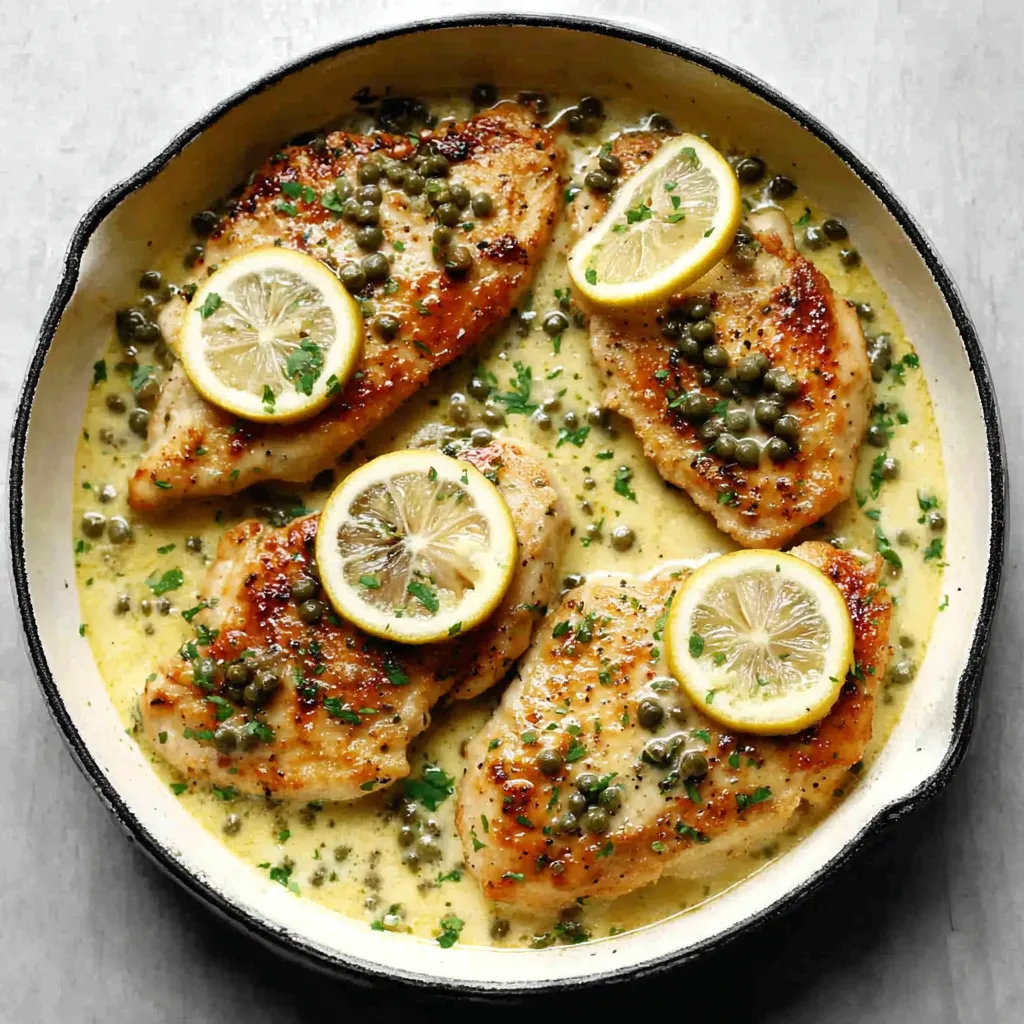
Creamy Lemon Chicken Piccata Easy
Ingredients
Equipment
Method
- Prepare the Chicken: Place each chicken breast between two sheets of plastic wrap. Using a meat mallet or rolling pin, pound the chicken to an even 1/4-inch thickness.
- Dredge the Chicken: In a shallow dish, combine the flour, salt, and pepper. Dredge each chicken breast in the flour mixture, shaking off any excess.
- Sear the Chicken: Heat 2 tablespoons of olive oil and 2 tablespoons of butter in a large skillet over medium-high heat. Add two chicken breasts to the skillet and cook for 3-4 minutes per side, or until golden brown and cooked through. Remove the chicken from the skillet and set aside. Repeat with the remaining olive oil, butter, and chicken breasts.
- Deglaze the Pan: Reduce the heat to medium. Pour the white wine into the skillet and scrape up any browned bits from the bottom of the pan. Let the wine reduce slightly, about 2-3 minutes.
- Make the Sauce: Add the chicken broth and lemon juice to the skillet. Bring to a simmer and cook for another 2-3 minutes, allowing the sauce to slightly thicken. Stir in the capers.
- Incorporate the Cream: Reduce the heat to low. Gradually whisk in the heavy cream, ensuring it is fully incorporated into the sauce. Simmer gently for 1-2 minutes, allowing the sauce to thicken slightly. Do not boil.
- Combine and Serve: Return the cooked chicken breasts to the skillet. Spoon the sauce over the chicken, ensuring it is evenly coated. Heat through for another minute or two. Garnish with fresh parsley and lemon slices (if desired). Serve immediately over pasta, rice, or alongside vegetables.