Deconstructing Deliciousness: The Science of Shortbread
The magic of shortbread lies in its high fat content and minimal gluten development. We’re aiming for tenderness, not chewiness! The primary ingredients – butter, sugar, and flour – each play a crucial role:- Butter: Butter is king (or queen!) here. It provides the characteristic richness and flavor. The fat coats the flour particles, preventing them from fully hydrating and forming long, strong gluten strands. This is what gives shortbread its signature “short” (crumbly) texture. Importantly, the type of butter matters. European-style butter, with its higher fat content, will yield a more tender result.
- Sugar: Sugar adds sweetness and also contributes to tenderness. It interferes with gluten formation, similar to fat. Granulated sugar creates a slightly coarser texture, while powdered sugar results in a smoother, more delicate crumb. The ratio of sugar to butter and flour is crucial for achieving the right balance of sweetness and texture.
- Flour: Flour provides structure, but too much gluten development leads to a tough cookie. All-purpose flour is generally used, but cake flour, with its lower protein content, can also be incorporated to further reduce gluten formation. Gently mixing the dough is key to minimizing gluten development.
- The Secret Weapon: Rice Flour/Cornstarch: A small addition of rice flour or cornstarch can enhance the “shortness” of the shortbread by further diluting the gluten-forming potential of the wheat flour. These starches absorb moisture and create a more delicate crumb.
The Ultimate Shortbread Symphony: The Recipe
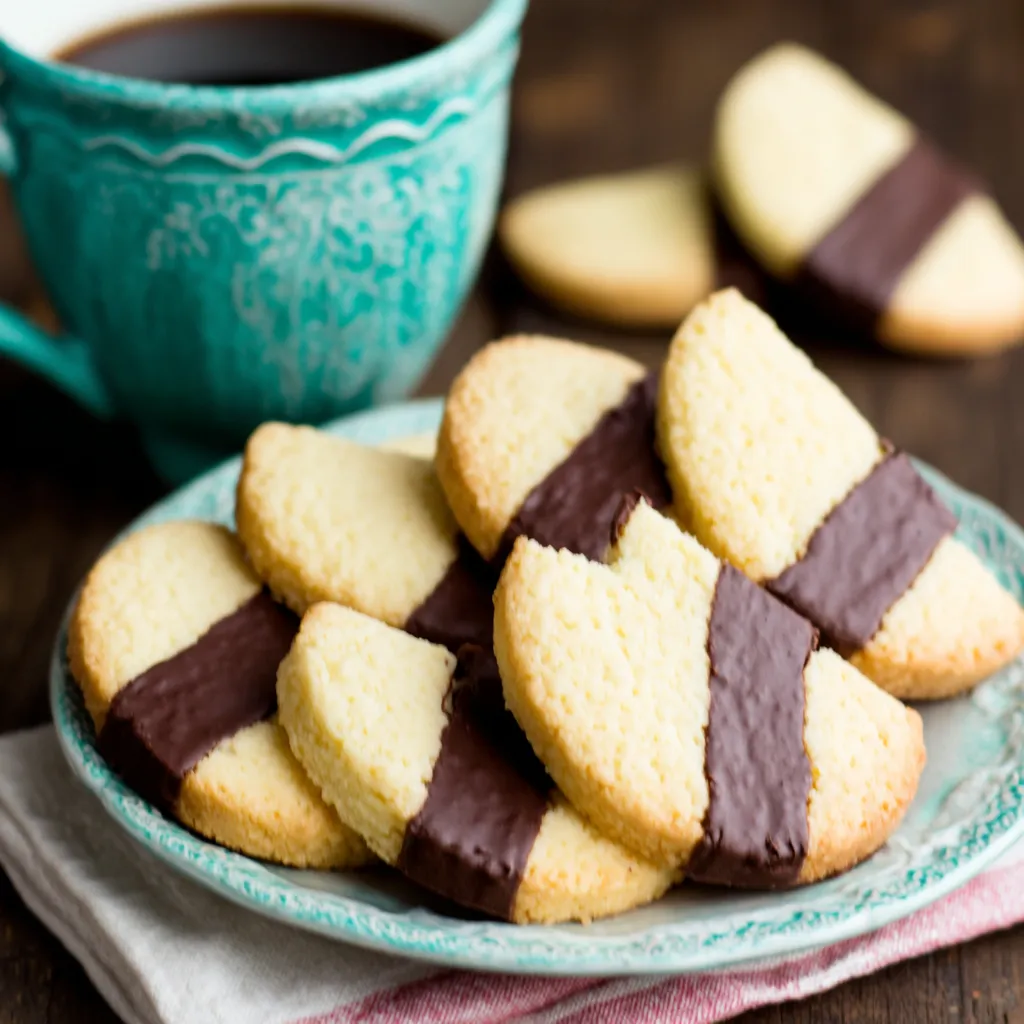
Ingredients:
- 1 cup (2 sticks) unsalted butter, cold and cut into cubes
- 1/2 cup granulated sugar
- 1/4 cup powdered sugar
- 2 cups all-purpose flour
- 1/4 cup rice flour or cornstarch
- 1/4 teaspoon salt
Equipment:
- Mixing bowl
- Pastry cutter or food processor (optional)
- Measuring cups and spoons
- Rolling pin
- Baking sheet
- Parchment paper
- Cookie cutters (optional)
Instructions:
- Chill Out: Place the butter in the freezer for 15-20 minutes before starting. This helps prevent it from melting too quickly during mixing.
- Combine Dry Ingredients: In a large bowl, whisk together the all-purpose flour, rice flour (or cornstarch), and salt.
- Cut in the Butter: Add the cold, cubed butter to the flour mixture. Use a pastry cutter or your fingertips to cut the butter into the flour until the mixture resembles coarse crumbs. Alternatively, pulse the butter and flour mixture in a food processor until it reaches the same coarse crumb consistency. Be careful not to over-process.
- Add Sugar: Add both the granulated and powdered sugar to the bowl. Gently mix until just combined.
- Form the Dough: Gradually add a tablespoon of ice water at a time (usually 1-3 tablespoons) only if the dough is too dry to come together. The goal is to form a cohesive dough that is not sticky. Be very careful not to add too much water, as this will develop gluten.
- Chill Again: Form the dough into a disc, wrap it in plastic wrap, and chill for at least 30 minutes (or up to 2 hours) in the refrigerator. This allows the gluten to relax and the butter to firm up, preventing the cookies from spreading too much during baking.
- Roll and Cut: Preheat oven to 325°F (160°C). Line a baking sheet with parchment paper. On a lightly floured surface, roll out the dough to about 1/4-inch thickness. Use cookie cutters to cut out shapes, or cut into squares or rectangles with a knife.
- Prick and Bake: Place the cookies on the prepared baking sheet. Use a fork to prick the cookies several times. This helps prevent them from puffing up during baking.
- Bake: Bake for 18-25 minutes, or until the edges are lightly golden brown. The baking time will vary depending on the thickness of the cookies and your oven.
- Cool Completely: Let the cookies cool on the baking sheet for a few minutes before transferring them to a wire rack to cool completely.
- Optional: Dust with powdered sugar after cooling.
My Shortbread Saga: A Culinary Detective Story
The Initial Disaster: Hard as Rocks
My first few attempts were a disaster. I followed a recipe that seemed straightforward, but the resulting cookies were hard, dry, and far from the melt-in-your-mouth texture I was aiming for. Like many of you, I initially thought that more mixing was better, ensuring all the ingredients were perfectly combined. Wrong! I ended up overworking the dough, developing too much gluten, which led to tough cookies.The Butter Breakdown: Temperature Troubles
Then, I realized the importance of cold butter. In my haste, I had used softened butter, thinking it would be easier to mix. This resulted in greasy cookies that spread too thin during baking. The fat had melted before the flour could absorb it properly, leading to a flat, oily mess.The Sugar Shock: Granulated vs. Powdered
I experimented with different types of sugar. Using only granulated sugar resulted in a slightly gritty texture, while using only powdered sugar made the cookies a bit too delicate and prone to crumbling. The combination of both, I discovered, provided the perfect balance.The “Aha!” Moment: Rice Flour Revelation
The real turning point came when I stumbled upon the idea of adding rice flour. I’d been trying to recreate the texture of some bakery-style shortbread I loved, and after some research, I discovered their secret ingredient. Substituting a portion of the all-purpose flour with rice flour created a significantly more tender and delicate crumb. It was a game-changer! I later found that cornstarch produces a similar effect. This also made me think of other starch-based cookies, like these incredibly soft Cream Cheese Cookies, and how the starch contributes to their texture.The Gluten Guard: Gentle Handling
Finally, I learned to handle the dough with care. I minimized mixing, chilling it thoroughly before rolling, and avoiding overworking it. This resulted in a dough that was easy to handle and baked into perfectly tender cookies. The lesson: less is more when it comes to mixing shortbread dough. Thinking about how gluten formation impacts texture, I realize it’s just as critical in other delicate cookies, like the incredibly popular Cinnamon Roll Cookies or even something as complex as Sugar Cookie Cheesecake. You have to think about the gluten in every element.Shortbread Secrets: A Foolproof Technique
Here’s a breakdown of the foolproof technique, based on my trials and errors:- Keep it Cold: Use very cold butter, and chill the dough thoroughly before rolling. This prevents the butter from melting too quickly and helps the cookies hold their shape during baking.
- Cut, Don’t Cream: Cut the butter into the flour using a pastry cutter, your fingertips, or a food processor. Avoid creaming the butter and sugar together, as this will incorporate too much air and lead to a cakier texture.
- Handle with Care: Mix the dough gently, just until it comes together. Overmixing develops gluten and results in tough cookies.
- Starch Power: Substitute a portion of the all-purpose flour with rice flour or cornstarch for a more tender crumb.
- Prick it Before You Kick it (into the oven): Prick the cookies with a fork before baking to prevent them from puffing up.
- Low and Slow: Bake at a low temperature (325°F/160°C) until the edges are lightly golden brown. This ensures that the cookies bake evenly and develop a delicate, melt-in-your-mouth texture.
- Cool Completely: Allow the cookies to cool completely on a wire rack before storing. This prevents them from becoming soggy.
Why is it important to keep the butter cold when making shortbread?
Using very cold butter prevents it from melting too quickly during mixing and baking. This helps the cookies hold their shape and results in a less greasy, more tender texture.
What role does rice flour or cornstarch play in the shortbread recipe?
Rice flour or cornstarch enhances the “shortness” of the shortbread by diluting the gluten-forming potential of the wheat flour. These starches absorb moisture and create a more delicate, crumbly texture.
Why should I prick the shortbread cookies with a fork before baking?
Pricking the cookies with a fork before baking prevents them from puffing up during the baking process, helping them maintain their desired shape and texture.
What is the best temperature to bake shortbread cookies at?
Shortbread cookies should be baked at a low temperature, specifically 325°F (160°C), until the edges are lightly golden brown. This ensures even baking and a delicate, melt-in-your-mouth texture.

Best Shortbread Cookies
These shortbread cookies boast a perfectly crumbly and melt-in-your-mouth texture, thanks to the high fat content and minimal gluten development. The key to success lies in using cold butter, a combination of granulated and powdered sugar, and a touch of rice flour or cornstarch for ultimate tenderness. Chilling the dough and gentle handling are also crucial for achieving the ideal result.
Ingredients
Equipment
Method
- Place the butter in the freezer for 15-20 minutes.
- In a large bowl, whisk together the all-purpose flour, rice flour (or cornstarch), and salt.
- Add the cold, cubed butter to the flour mixture. Use a pastry cutter or your fingertips to cut the butter into the flour until the mixture resembles coarse crumbs. Alternatively, pulse the butter and flour mixture in a food processor until it reaches the same coarse crumb consistency. Be careful not to over-process.
- Add both the granulated and powdered sugar to the bowl. Gently mix until just combined.
- Gradually add a tablespoon of ice water at a time (usually 1-3 tablespoons) only if the dough is too dry to come together. The goal is to form a cohesive dough that is not sticky. Be very careful not to add too much water, as this will develop gluten.
- Form the dough into a disc, wrap it in plastic wrap, and chill for at least 30 minutes (or up to 2 hours) in the refrigerator.
- Preheat oven to 325°F (160°C). Line a baking sheet with parchment paper.
- On a lightly floured surface, roll out the dough to about 1/4-inch thickness. Use cookie cutters to cut out shapes, or cut into squares or rectangles with a knife.
- Place the cookies on the prepared baking sheet. Use a fork to prick the cookies several times.
- Bake for 18-25 minutes, or until the edges are lightly golden brown. The baking time will vary depending on the thickness of the cookies and your oven.
- Let the cookies cool on the baking sheet for a few minutes before transferring them to a wire rack to cool completely.
- Dust with powdered sugar after cooling (optional).
Notes
For the most tender shortbread, use European-style butter with a higher fat content. Ensure the butter is very cold before starting. Do not overmix the dough to avoid developing too much gluten. Store the cooled cookies in an airtight container at room temperature for up to a week. You can experiment with different extracts like vanilla or almond, or add citrus zest for flavor variations.