The Ingredients You’ll Need
For the Turkey:
- 1 (12-14 pound) whole turkey, thawed completely
- 1 tablespoon kosher salt
- 1 teaspoon black pepper
- 1 teaspoon garlic powder
- 1 teaspoon onion powder
- 1/2 teaspoon dried thyme
- 1/2 teaspoon dried sage
- 1/2 cup (1 stick) unsalted butter, softened
- 1 large onion, quartered
- 2 carrots, roughly chopped
- 2 celery stalks, roughly chopped
- 4 cups chicken broth
For the Aromatic Herb Butter (Optional, but HIGHLY Recommended):
- 1/4 cup (1/2 stick) unsalted butter, softened
- 2 tablespoons chopped fresh rosemary
- 2 tablespoons chopped fresh thyme
- 1 tablespoon chopped fresh sage
- 1 clove garlic, minced
- 1/4 teaspoon salt
- 1/4 teaspoon black pepper
Essential Equipment
- Roasting pan with rack
- Meat thermometer
- Basting brush
- Aluminum foil
- Large bowl or brining bag (optional)
Step-by-Step Instructions: Your Guide to a Perfect Roast Turkey
Day Before: Brining (Optional, But Recommended for Extra Juiciness)
- Prepare the Brine: In a large pot, combine 1 gallon of water, 1 cup kosher salt, 1/2 cup sugar, and any additional herbs or spices you like (bay leaves, peppercorns, citrus peels work well). Bring to a simmer, stirring until the salt and sugar dissolve. Let cool completely.
- Submerge the Turkey: Place the turkey in a large brining bag or pot. Pour the cooled brine over the turkey, ensuring it’s completely submerged. You may need to weigh it down with a plate or a heavy object.
- Refrigerate: Refrigerate the turkey in the brine for 12-24 hours.
- Rinse: Before roasting, remove the turkey from the brine and rinse it thoroughly inside and out. Pat it completely dry with paper towels. This is crucial for crispy skin!
Day Of: Preparing the Turkey
- Preheat the Oven: Preheat your oven to 325°F (160°C). This lower temperature helps the turkey cook evenly and prevents the skin from burning before the inside is cooked through.
- Prepare the Turkey: Remove the giblets and neck from the turkey cavity. (Save these for gravy if you like!) Pat the turkey dry inside and out with paper towels. Drying is key for crispy skin!
- Season the Turkey: In a small bowl, combine the kosher salt, black pepper, garlic powder, onion powder, thyme, and sage. Rub this mixture all over the turkey, inside and out.
- Prepare the Herb Butter (Optional): In a separate bowl, combine the softened butter, rosemary, thyme, sage, garlic, salt, and pepper. Mix well.
- Loosen the Skin: Gently loosen the skin over the breast meat. Slide your fingers between the skin and the breast to create a pocket.
- Apply the Herb Butter (Optional): Spread the herb butter under the skin of the breast meat. This will infuse the breast with flavor and keep it moist. You can also rub some of the butter all over the outside of the turkey.
- Stuff the Cavity: Place the quartered onion, chopped carrots, and chopped celery stalks inside the turkey cavity. This adds flavor to the turkey from the inside out.
Roasting the Turkey
- Place in Roasting Pan: Place the turkey breast-side up on a roasting rack in a roasting pan.
- Add Broth: Pour the chicken broth into the bottom of the roasting pan. This will help keep the turkey moist and create flavorful pan drippings for gravy.
- Tent with Foil: Tent the turkey loosely with aluminum foil. This will prevent the skin from browning too quickly.
- Roast: Roast the turkey for approximately 3-4 hours, or until a meat thermometer inserted into the thickest part of the thigh registers 165°F (74°C). Baste the turkey with pan juices every 45 minutes.
- Remove Foil: Remove the foil during the last hour of cooking to allow the skin to brown and crisp up.
- Check Temperature: Continue roasting until the internal temperature reaches 165°F (74°C).
- Rest: Remove the turkey from the oven and let it rest for at least 20-30 minutes before carving. This is crucial for allowing the juices to redistribute, resulting in a more moist and flavorful turkey. Tent it loosely with foil during resting.
Tips and Tricks for the Perfect Roast Turkey
Thawing Your Turkey
The safest way to thaw a turkey is in the refrigerator. Allow approximately 24 hours of thawing time for every 5 pounds of turkey. So, a 12-pound turkey will take about 2-3 days to thaw in the refrigerator. Make sure to place the turkey on a tray to catch any drips.
Achieving Crispy Skin
The key to crispy skin is to start with a completely dry turkey. Pat it dry inside and out with paper towels before seasoning. Also, roasting at a lower temperature for a longer period of time allows the fat under the skin to render, resulting in crispier skin. Removing the foil during the last hour of cooking is also essential.
Preventing a Dry Turkey
Brining is a fantastic way to ensure a juicy turkey. However, if you don’t have time to brine, basting the turkey regularly with pan juices will help keep it moist. Also, be careful not to overcook the turkey. Use a meat thermometer to monitor the internal temperature and remove it from the oven when it reaches 165°F (74°C).
Making Gravy
Don’t forget the gravy! While the turkey rests, strain the pan drippings and use them to make a delicious gravy. You can use a simple roux (equal parts flour and butter) as a thickener. And those giblets you saved? Simmer them with some aromatics to create a rich giblet broth to add even more depth to your gravy.
Troubleshooting Common Turkey Problems
Turkey is Browning Too Quickly
If the turkey is browning too quickly, tent it loosely with aluminum foil. You can also lower the oven temperature slightly.
Turkey is Cooking Unevenly
An oven thermometer can help you ensure your oven temperature is accurate. Also, rotating the turkey halfway through cooking can help it cook more evenly.
Turkey is Still Frozen Inside
Unfortunately, the only solution for a turkey that is still frozen inside is to continue thawing it. Make sure the turkey is completely thawed before roasting. If you’re short on time, you can try thawing it in cold water, changing the water every 30 minutes. However, this method requires constant attention and isn’t as safe as thawing in the refrigerator.
Serving Suggestions
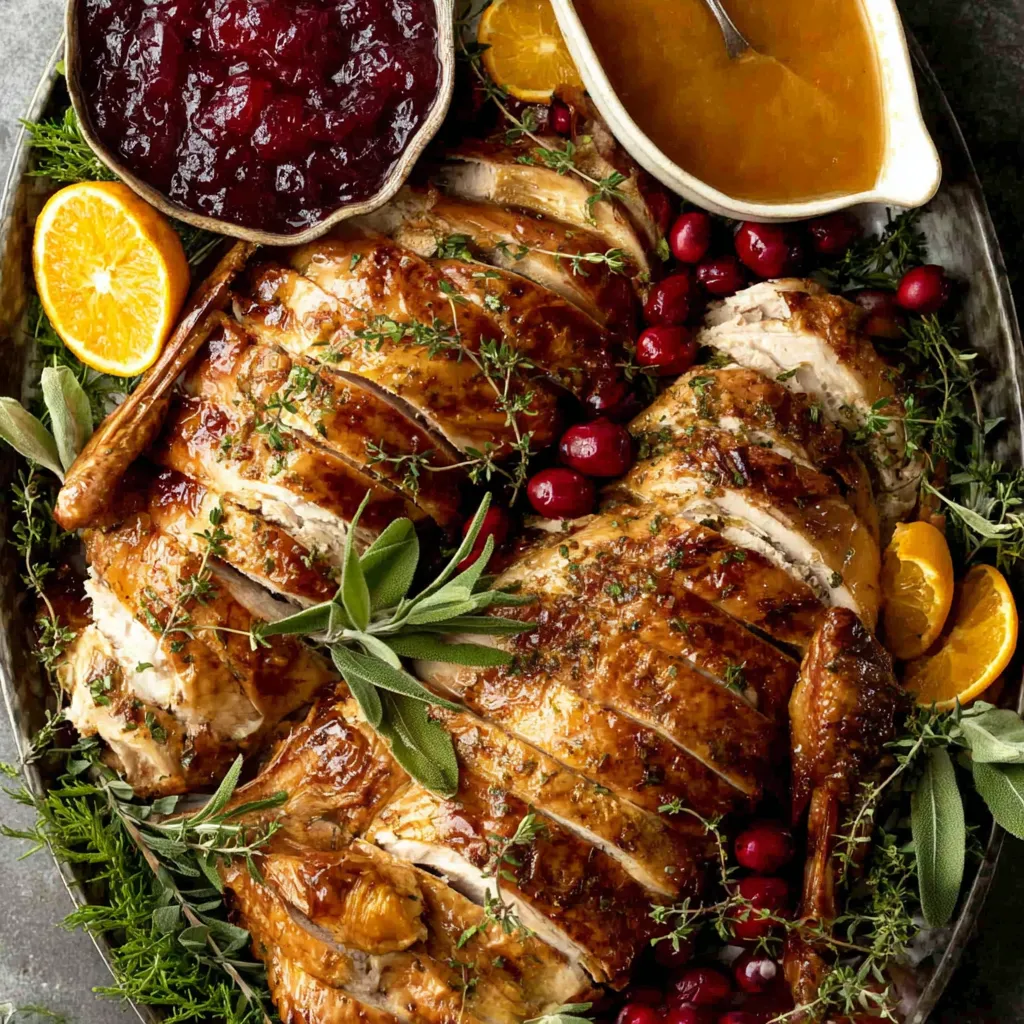
A perfectly roasted turkey is the star of any Thanksgiving or holiday feast. Serve it with classic sides like Green Bean Casserole, mashed potatoes, stuffing, cranberry sauce, and gravy. For a unique twist on stuffing, consider making Thanksgiving Stuffing Balls or Cranberry Turkey Stuffing Balls. If you want the classics, try this Homemade Stuffing Recipe. Also, consider using leftover turkey for Cranberry Turkey Stuffing Balls or other delicious recipes!
Enjoy Your Roast Turkey!
With a little planning and these tips, you can easily create a delicious and impressive roast turkey that your family and friends will love. Happy cooking, and happy Thanksgiving!
Why is it recommended to brine the turkey?
Brining is recommended for extra juiciness. Submerge the turkey in a brine solution for 12-24 hours before roasting.
What is the ideal internal temperature for a perfectly cooked roast turkey?
The ideal internal temperature for a perfectly cooked roast turkey is 165°F (74°C), measured in the thickest part of the thigh.
How can I achieve crispy skin on my roast turkey?
To achieve crispy skin, start with a completely dry turkey, roast at a lower temperature for a longer period, and remove the foil during the last hour of cooking.
What should I do if my turkey is browning too quickly?
If the turkey is browning too quickly, tent it loosely with aluminum foil or lower the oven temperature slightly.
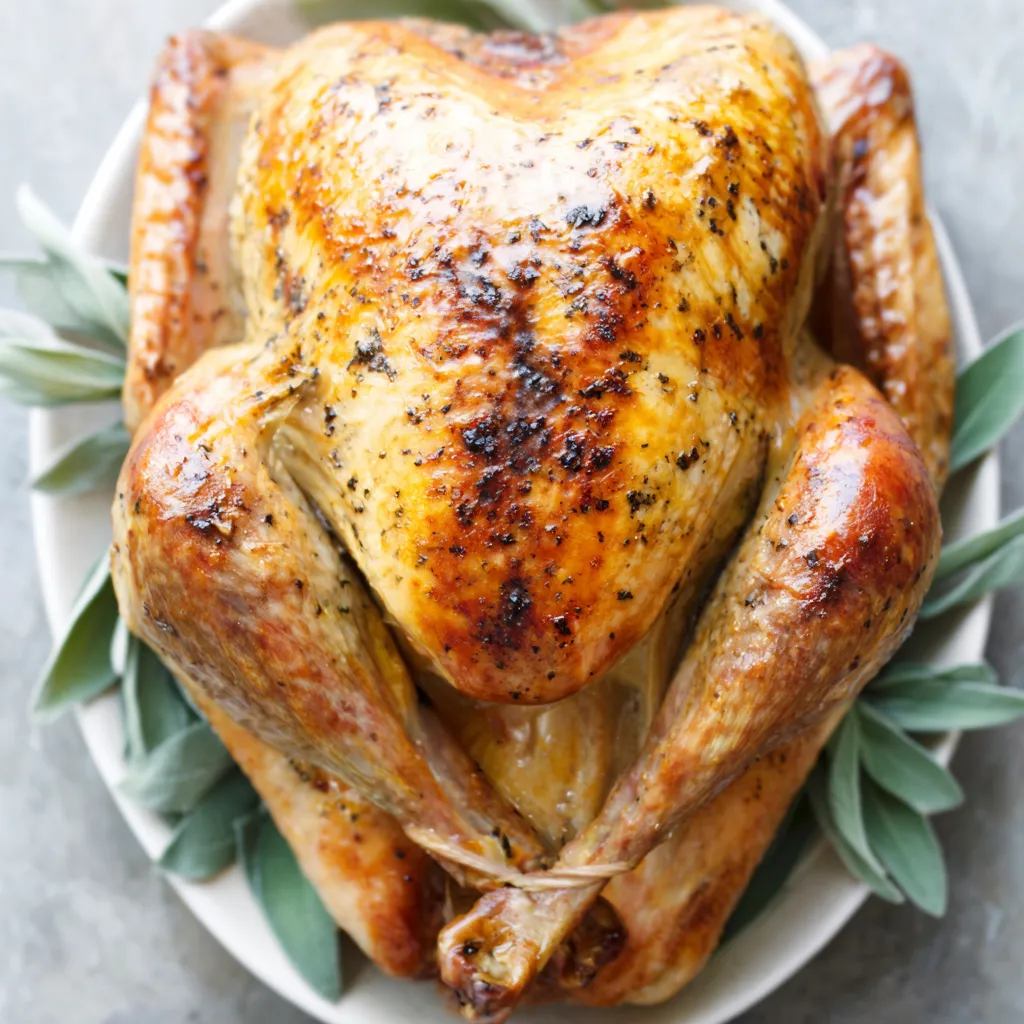
Best Roast Turkey Recipe
Ingredients
Equipment
Method
- Day Before: Brining (Optional, But Recommended for Extra Juiciness)
- Prepare the Brine: In a large pot, combine 1 gallon of water, 1 cup kosher salt, 1/2 cup sugar, and any additional herbs or spices you like (bay leaves, peppercorns, citrus peels work well). Bring to a simmer, stirring until the salt and sugar dissolve. Let cool completely.
- Submerge the Turkey: Place the turkey in a large brining bag or pot. Pour the cooled brine over the turkey, ensuring it’s completely submerged. You may need to weigh it down with a plate or a heavy object.
- Refrigerate: Refrigerate the turkey in the brine for 12-24 hours.
- Rinse: Before roasting, remove the turkey from the brine and rinse it thoroughly inside and out. Pat it completely dry with paper towels. This is crucial for crispy skin!
- Day Of: Preparing the Turkey
- Preheat the Oven: Preheat your oven to 325°F (160°C).
- Prepare the Turkey: Remove the giblets and neck from the turkey cavity. Pat the turkey dry inside and out with paper towels.
- Season the Turkey: In a small bowl, combine the kosher salt, black pepper, garlic powder, onion powder, thyme, and sage. Rub this mixture all over the turkey, inside and out.
- Prepare the Herb Butter (Optional): In a separate bowl, combine the softened butter, rosemary, thyme, sage, garlic, salt, and pepper. Mix well.
- Loosen the Skin: Gently loosen the skin over the breast meat. Slide your fingers between the skin and the breast to create a pocket.
- Apply the Herb Butter (Optional): Spread the herb butter under the skin of the breast meat. You can also rub some of the butter all over the outside of the turkey.
- Stuff the Cavity: Place the quartered onion, chopped carrots, and chopped celery stalks inside the turkey cavity.
- Roasting the Turkey
- Place in Roasting Pan: Place the turkey breast-side up on a roasting rack in a roasting pan.
- Add Broth: Pour the chicken broth into the bottom of the roasting pan.
- Tent with Foil: Tent the turkey loosely with aluminum foil.
- Roast: Roast the turkey for approximately 3-4 hours, or until a meat thermometer inserted into the thickest part of the thigh registers 165°F (74°C). Baste the turkey with pan juices every 45 minutes.
- Remove Foil: Remove the foil during the last hour of cooking to allow the skin to brown and crisp up.
- Check Temperature: Continue roasting until the internal temperature reaches 165°F (74°C).
- Rest: Remove the turkey from the oven and let it rest for at least 20-30 minutes before carving. Tent it loosely with foil during resting.
Notes
Crispy Skin: Ensure the turkey is completely dry before seasoning. Roasting at a lower temperature and removing the foil during the last hour of cooking is essential for crispy skin.
Preventing a Dry Turkey: Brining is recommended for a juicy turkey. Basting regularly with pan juices also helps. Use a meat thermometer to avoid overcooking.
Gravy: Use the pan drippings to make a delicious gravy, thickened with a roux. Simmer the giblets for a rich giblet broth to add to the gravy.