Decoding the Crab: The Science of Succulence
The key to mastering king crab lies in understanding its unique properties. Unlike other seafood, king crab legs are almost always sold pre-cooked and frozen. This means our primary goal isn’t to *cook* the crab, but rather to gently *reheat* it without drying it out or making it rubbery. Crab meat is primarily composed of protein, and excessive heat can cause these proteins to toughen and lose moisture. The sweet spot, therefore, is achieving a consistent internal temperature of around 140°F (60°C). This ensures the crab is heated through without compromising its delicate texture. Furthermore, understanding the role of moisture is crucial. Introducing moisture through steaming or basting can help prevent the crab from drying out during the reheating process. However, too much moisture can lead to soggy crab, diminishing its flavor and appeal.The Ultimate King Crab Legs Recipe: Baked to Perfection
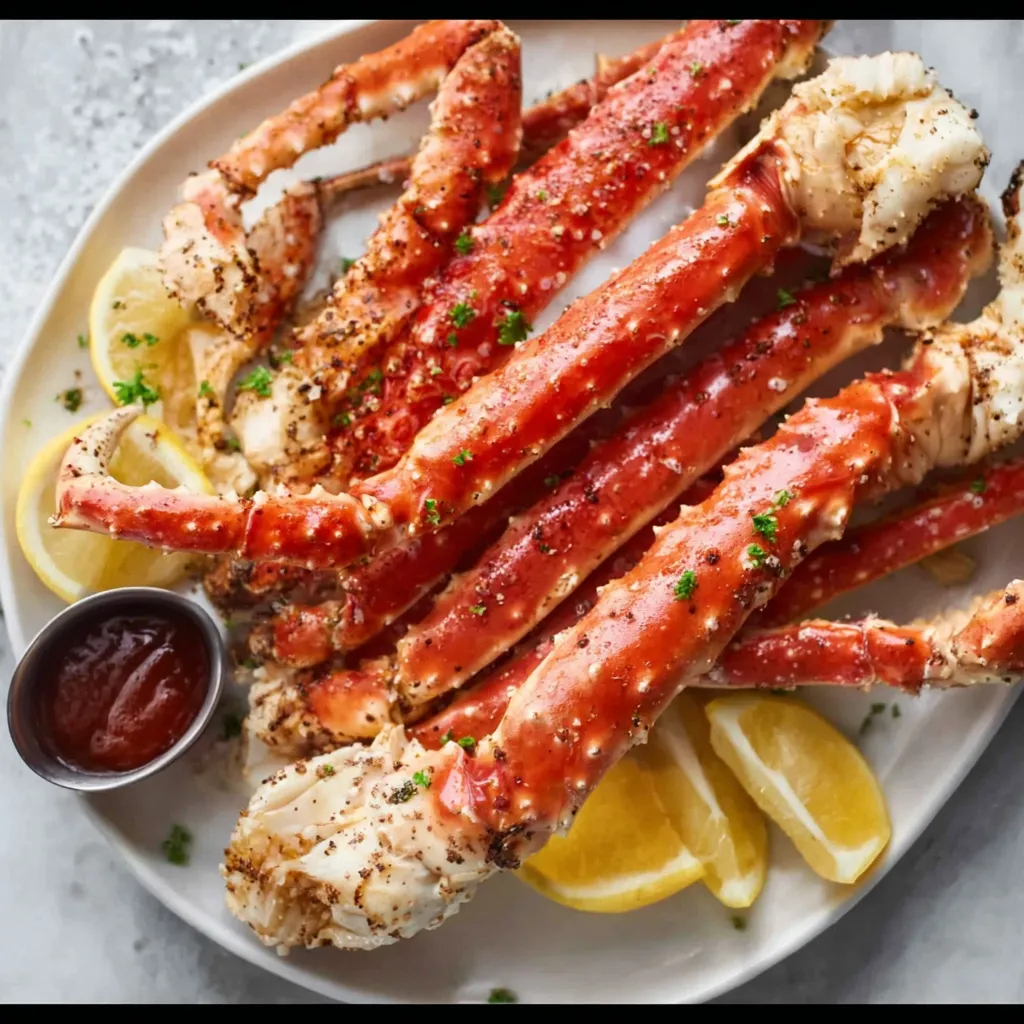 Here’s my go-to method for baking king crab legs that consistently delivers delicious results:
Ingredients:
- 2 lbs King Crab Legs (thawed)
- 4 tablespoons unsalted butter, melted
- 2 cloves garlic, minced
- 1 tablespoon fresh lemon juice
- 1/2 teaspoon Old Bay seasoning (or seafood seasoning of your choice)
- Fresh parsley, chopped (for garnish)
- Lemon wedges (for serving)
Equipment:
- Baking sheet
- Aluminum foil
- Basting brush
Instructions:
- Prepare the Oven: Preheat your oven to 350°F (175°C).
- Prepare the Crab Legs: If your crab legs are frozen, thaw them completely. Pat them dry with paper towels to remove excess moisture.
- Make the Garlic Butter: In a small bowl, combine the melted butter, minced garlic, lemon juice, and Old Bay seasoning.
- Arrange the Crab Legs: Line a baking sheet with aluminum foil. Arrange the crab legs in a single layer on the prepared baking sheet.
- Baste the Crab Legs: Generously brush the crab legs with the garlic butter mixture, ensuring they are evenly coated.
- Bake the Crab Legs: Bake for 8-10 minutes, or until the crab legs are heated through. The internal temperature should reach approximately 140°F (60°C). Be careful not to overcook.
- Serve: Remove the crab legs from the oven and garnish with fresh parsley. Serve immediately with lemon wedges for squeezing.
My King Crab Quest: A Culinary Investigation
My journey to mastering baked king crab legs was far from straightforward. My first few attempts were a disaster, resulting in either rubbery, flavorless crab or crab that was still cold in the center. Then, I had an “Aha!” moment when I realized the importance of moisture and precise temperature control. Like many of you, I initially thought that simply throwing the crab legs in the oven and blasting them with heat would do the trick. It didn’t.Experiment 1: The Dry Heat Debacle
My first attempt involved baking the crab legs uncovered at 400°F. The result? Tough, dry crab that tasted vaguely of the freezer. The high heat had clearly damaged the delicate proteins. I knew I needed to find a way to introduce moisture and lower the temperature.Experiment 2: The Steaming Solution (Almost!)
Next, I tried steaming the crab legs in the oven by adding water to the baking sheet and covering it with foil. This improved the moisture content, but the crab still lacked flavor and was somewhat soggy. The steam had diluted the natural sweetness of the crab. Plus, the texture was still not ideal.Experiment 3: The Foil Tent Triumph
Finally, I struck gold. I tented the crab legs with foil and baked them at 350°F, basting them with garlic butter every few minutes. The foil tent trapped moisture, preventing the crab from drying out, while the lower temperature ensured it heated evenly without becoming rubbery. The garlic butter added a delicious layer of flavor. This was the winning formula! This method reminded me a little of how I make Garlic Butter Salmon, ensuring consistent moisture levels during cooking. I even tried using a similar approach when making Oven Roasted Salmon.The Unexpected Twist: Old Bay Discovery
While the garlic butter was delicious, I felt something was missing. A subtle hint of spice. That’s when I decided to add a touch of Old Bay seasoning. The combination of garlic, butter, lemon, and Old Bay created a flavor profile that perfectly complemented the sweetness of the crab. It reminded me of the kind of flavors you find in Garlic Butter Pork Chops. The Old Bay seasoning added a depth of flavor that really elevated the dish.The Foolproof Technique: A Step-by-Step Guide
Here’s a summary of the technique that consistently delivers perfect king crab legs:- Thaw and Dry: Ensure your crab legs are completely thawed and pat them dry to remove excess moisture.
- Low and Slow: Bake at 350°F (175°C) to prevent the crab from becoming tough.
- Moisture is Key: Use a foil tent to trap moisture and prevent drying.
- Flavor Boost: Baste generously with garlic butter and a touch of Old Bay seasoning for enhanced flavor.
- Don’t Overcook: Bake for only 8-10 minutes, or until the crab is heated through. Aim for an internal temperature of 140°F (60°C).
Why are king crab legs usually sold pre-cooked and frozen?
King crab legs are almost always sold pre-cooked and frozen. Therefore, the primary goal is to gently reheat them without drying them out or making them rubbery.
What is the ideal internal temperature to aim for when reheating king crab legs, and why?
The ideal internal temperature is around 140°F (60°C). This ensures the crab is heated through without compromising its delicate texture and preventing it from becoming rubbery.
What is the key to preventing king crab legs from drying out during baking?
The key is to trap moisture. The article suggests using a foil tent to trap moisture and prevent the crab from drying out, and basting generously with garlic butter.
What are some good seasonings to complement the sweetness of king crab legs?
The article suggests using a combination of garlic, butter, lemon juice, and Old Bay seasoning to create a flavor profile that complements the sweetness of the crab.
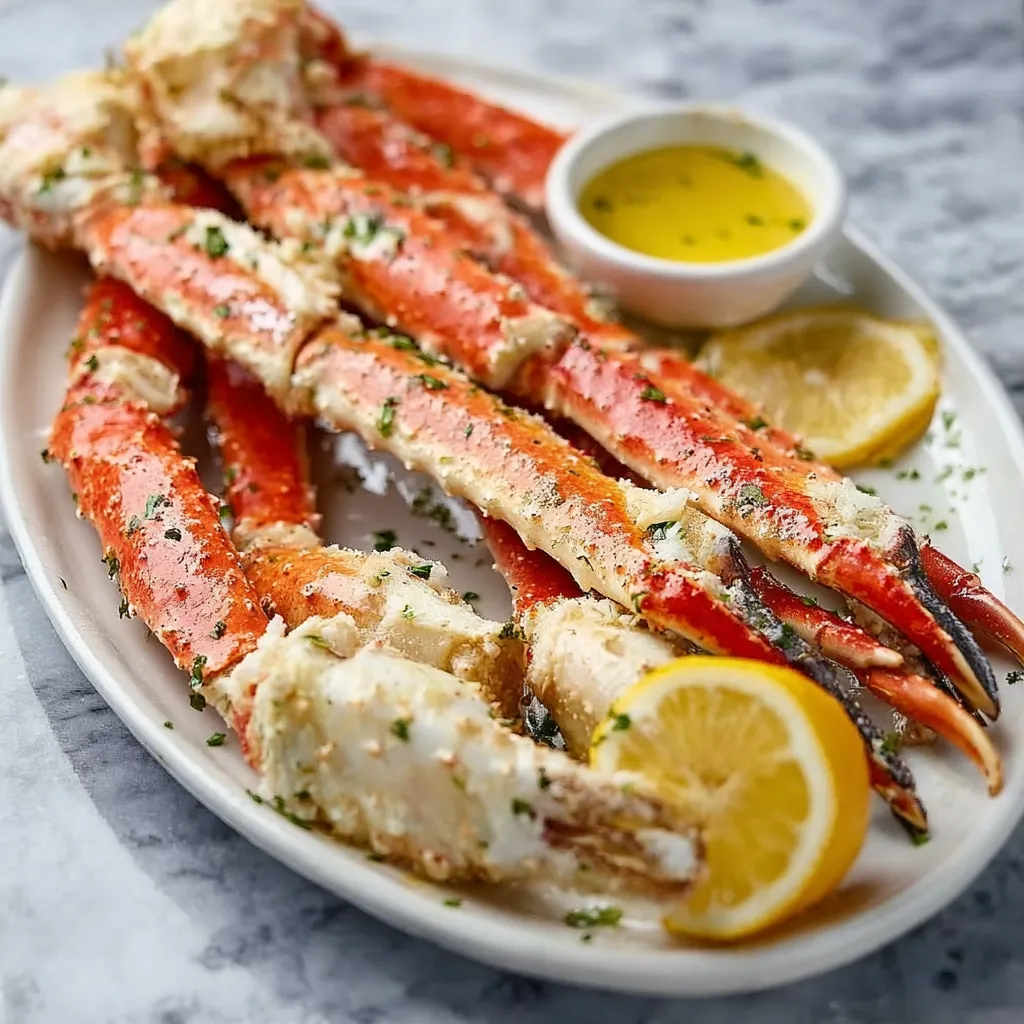
BEST King Crab Legs Oven Baked
This recipe offers a foolproof method for baking succulent and flavorful king crab legs. By focusing on gentle reheating and moisture retention, it delivers restaurant-quality results at home. The garlic butter and Old Bay seasoning create a flavor profile that perfectly complements the crab’s natural sweetness.
Ingredients
Equipment
Method
- Preheat your oven to 350°F (175°C).
- If your crab legs are frozen, thaw them completely. Pat them dry with paper towels to remove excess moisture.
- In a small bowl, combine the melted butter, minced garlic, lemon juice, and Old Bay seasoning.
- Line a baking sheet with aluminum foil. Arrange the crab legs in a single layer on the prepared baking sheet.
- Generously brush the crab legs with the garlic butter mixture, ensuring they are evenly coated.
- Bake for 8-10 minutes, or until the crab legs are heated through. The internal temperature should reach approximately 140°F (60°C). Be careful not to overcook.
- Remove the crab legs from the oven and garnish with fresh parsley. Serve immediately with lemon wedges for squeezing.
Notes
Ensure crab legs are fully thawed before baking. Patting them dry prevents soggy crab. Use a foil tent to trap moisture and avoid drying out the crab. Do not overcook the crab; aim for an internal temperature of 140°F. Leftovers can be stored in the refrigerator for up to 2 days. Reheat gently in the oven or microwave.