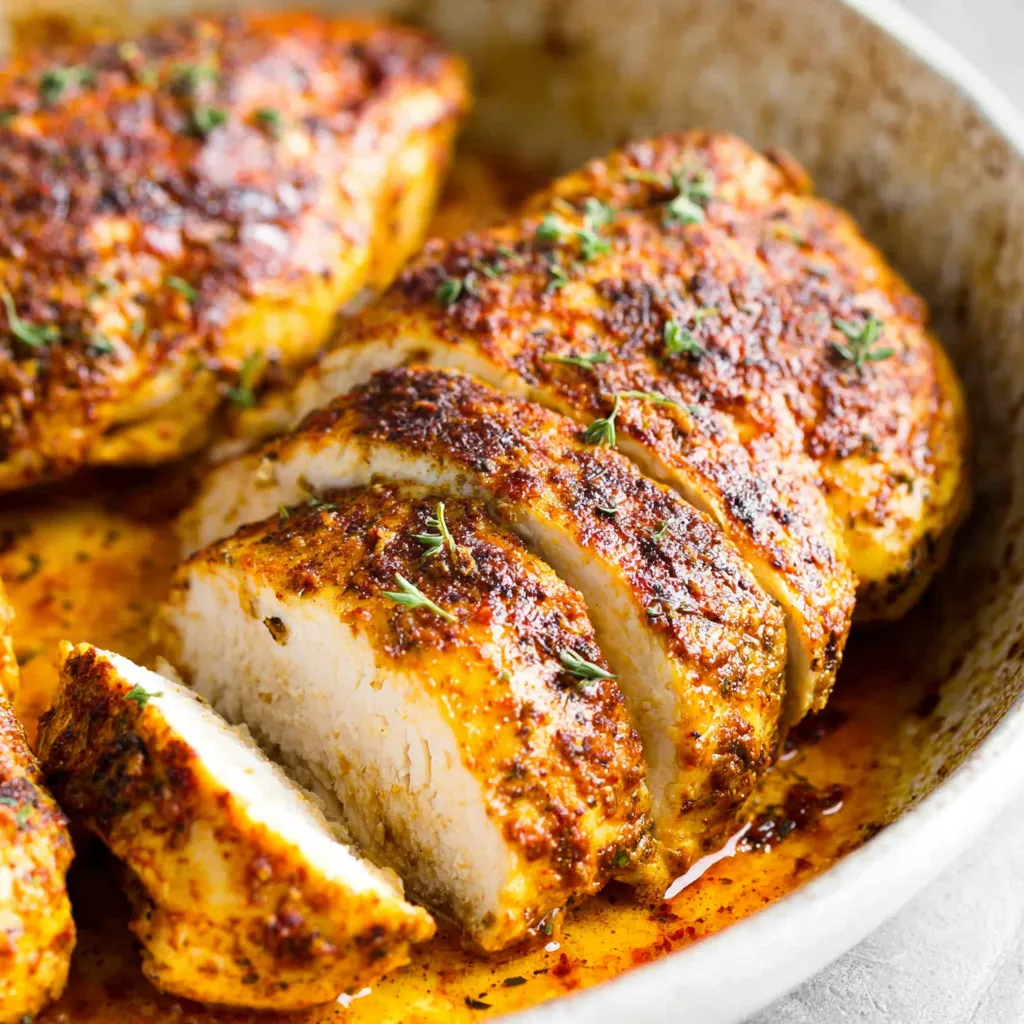
I remember when I first started cooking, Chicken Breast felt like the ultimate culinary challenge – always ending up dry and bland, no matter what I tried! But after years of experimenting (and a few kitchen mishaps!), I’ve finally cracked the code to consistently juicy, flavorful chicken. Get ready to say goodbye to boring chicken and hello to a recipe that will become your new go-to, I promise you’ll never look back!
Why This Chicken Breast Recipe is a Game Changer
Let’s be honest, chicken breast has a bit of a reputation, and not a good one. It’s often seen as the boring, bland, and dry protein option. But it doesn’t have to be that way! Chicken breast is incredibly versatile, healthy, and when cooked correctly, unbelievably delicious. This recipe focuses on achieving that perfect balance of tenderness, flavor, and ease. We’re talking juicy, mouthwatering chicken every single time.
I’m going to walk you through everything, from choosing the right chicken to mastering the cooking techniques. No more dry, rubbery chicken! We’re going to create a chicken breast masterpiece together.
What You’ll Need: The Ingredient Rundown

The beauty of this recipe is its simplicity. You don’t need a ton of fancy ingredients to create something truly special. Here’s what you’ll need:
- Chicken Breast: Boneless, skinless chicken breasts are the star of the show. Try to choose breasts that are similar in size and thickness for even cooking.
- Olive Oil (or your preferred cooking oil): For searing and adding moisture.
- Salt & Pepper: The foundation of all good seasoning.
- Garlic Powder: Adds a subtle, savory flavor.
- Onion Powder: Complements the garlic powder for a well-rounded taste.
- Paprika (Smoked or Sweet): For color and a touch of smokiness (smoked paprika is my personal favorite!).
- Optional: Fresh herbs like thyme, rosemary, or parsley can add a lovely fresh element. Lemon juice or zest can also brighten up the flavor.
That’s it! See? Simple. Now, let’s talk about each ingredient in a bit more detail:
Choosing the Right Chicken Breast
The quality of your chicken breast will directly impact the final result. Here’s what to look for:
- Color: Look for chicken breasts that are pink and plump, not pale or grey.
- Texture: The chicken should feel firm to the touch, not slimy or sticky.
- Packaging: Check the expiration date and ensure the packaging is intact.
- Organic vs. Conventional: Opting for organic or free-range chicken is a great choice if it fits your budget and values. The flavor and texture are often superior.
Seasoning is Key: Don’t Be Shy!
Don’t underestimate the power of seasoning! This is where you can really customize the flavor of your chicken breast. While the recipe calls for garlic powder, onion powder, and paprika, feel free to experiment with other spices like:
- Italian Seasoning: A classic blend of herbs that adds a warm, savory flavor.
- Chili Powder: For a touch of heat.
- Cajun Seasoning: For a bolder, spicier flavor.
- Lemon Pepper: Adds a bright, citrusy zing.
Step-by-Step: Cooking the Perfect Chicken Breast
Alright, let’s get cooking! Here’s a detailed guide to cooking the perfect chicken breast, whether you prefer the oven, stovetop, or grill.
Method 1: Pan-Seared Chicken Breast (My Go-To!)
Pan-searing is my favorite method because it’s quick, easy, and creates a beautiful golden-brown crust.
- Prep the Chicken: Pat the chicken breasts dry with paper towels. This is crucial for achieving a good sear.
- Pound the Chicken (Optional but Recommended): Place the chicken breasts between two sheets of plastic wrap and gently pound them with a meat mallet or rolling pin until they are about ½ inch thick. This ensures even cooking.
- Season Generously: In a small bowl, combine the salt, pepper, garlic powder, onion powder, and paprika. Rub the seasoning all over the chicken breasts, making sure they are evenly coated.
- Heat the Pan: Heat a tablespoon of olive oil in a large skillet over medium-high heat. The pan should be hot enough that a drop of water sizzles immediately.
- Sear the Chicken: Carefully place the chicken breasts in the hot pan, making sure not to overcrowd it. Sear for 4-5 minutes per side, or until golden brown and cooked through. The internal temperature should reach 165°F (74°C).
- Rest the Chicken: Remove the chicken breasts from the pan and let them rest for 5-10 minutes before slicing and serving. This allows the juices to redistribute, resulting in a more tender and flavorful chicken.
Method 2: Baked Chicken Breast (Hands-Off and Easy)
Baking is a great option when you want a hands-off cooking method.
- Preheat the Oven: Preheat your oven to 375°F (190°C).
- Prep the Chicken: Pat the chicken breasts dry with paper towels and pound them to an even thickness.
- Season Generously: Season the chicken breasts with the same spice mixture as in the pan-seared method.
- Bake the Chicken: Place the chicken breasts in a baking dish and bake for 20-25 minutes, or until the internal temperature reaches 165°F (74°C).
- Rest the Chicken: Let the chicken breasts rest for 5-10 minutes before slicing and serving.
Method 3: Grilled Chicken Breast (Perfect for Summer)
Grilling adds a smoky flavor that’s hard to resist.
- Preheat the Grill: Preheat your grill to medium-high heat.
- Prep the Chicken: Pat the chicken breasts dry with paper towels and pound them to an even thickness.
- Season Generously: Season the chicken breasts with the same spice mixture as in the pan-seared method.
- Grill the Chicken: Grill the chicken breasts for 5-7 minutes per side, or until the internal temperature reaches 165°F (74°C).
- Rest the Chicken: Let the chicken breasts rest for 5-10 minutes before slicing and serving.
Tips and Tricks for Juicy Chicken Breast
Here are some extra tips to ensure your chicken breast is always juicy and flavorful:
- Don’t Overcook: This is the biggest mistake people make! Use a meat thermometer to ensure the chicken reaches 165°F (74°C) and remove it from the heat immediately.
- Pound the Chicken: Pounding the chicken to an even thickness helps it cook evenly and prevents it from drying out.
- Brine the Chicken (Optional): Brining the chicken in a salt water solution for 30 minutes before cooking can help it retain moisture.
- Rest the Chicken: Resting the chicken after cooking allows the juices to redistribute, resulting in a more tender and flavorful chicken.
- Use a Meat Thermometer: A meat thermometer is your best friend when cooking chicken. It takes the guesswork out of knowing when the chicken is cooked through.
Flavor Variations: Spice Up Your Chicken
Now that you’ve mastered the basic recipe, let’s explore some flavor variations! Here are a few ideas to get you started:
- Lemon Herb: Add lemon zest, lemon juice, and fresh herbs like thyme, rosemary, and parsley to the spice mixture.
- Garlic Parmesan: Add grated Parmesan cheese and extra garlic powder to the spice mixture.
- Spicy Chipotle: Add chipotle powder and a pinch of cayenne pepper to the spice mixture.
- Honey Mustard: Whisk together honey, Dijon mustard, and a touch of olive oil and brush it over the chicken breasts before cooking.
Serving Suggestions: Complete the Meal
Chicken breast is incredibly versatile and pairs well with a variety of sides. Here are a few ideas:
- Roasted Vegetables: Roasted broccoli, asparagus, carrots, or sweet potatoes are a healthy and delicious side dish.
- Salad: A simple green salad with a vinaigrette dressing is a refreshing complement to chicken breast.
- Rice or Quinoa: These grains are a great source of carbohydrates and add a filling element to the meal.
- Mashed Potatoes: Creamy mashed potatoes are a classic comfort food that pairs perfectly with chicken breast.
- Pasta: Toss the sliced chicken breast with your favorite pasta sauce and some cooked pasta for a quick and easy meal.
Chicken Breast Recipe FAQs
Let’s address some common questions about cooking chicken breast:
- How do I prevent chicken breast from drying out?
- Don’t overcook it! Use a meat thermometer to ensure the internal temperature reaches 165°F (74°C) and remove it from the heat immediately. Pounding the chicken to an even thickness and resting it after cooking also helps retain moisture.
- Can I cook chicken breast from frozen?
- While it’s best to thaw chicken breast before cooking, you can cook it from frozen in a pinch. However, it will take longer to cook and may not be as evenly cooked. Make sure to use a meat thermometer to ensure the internal temperature reaches 165°F (74°C).
- How long does cooked chicken breast last in the fridge?
- Cooked chicken breast can be stored in the fridge for 3-4 days.
- Can I freeze cooked chicken breast?
- Yes, cooked chicken breast can be frozen for up to 2-3 months. Wrap it tightly in plastic wrap or store it in an airtight container.
Beyond the Basics: Delicious Dishes Starring Chicken Breast
Now that you’re a chicken breast pro, let’s talk about some other amazing recipes where it shines. Consider trying Marry Me Chicken Pasta for a creamy, decadent dish that’s sure to impress. Or, for a cozy and comforting meal, whip up a batch of White Chicken Chili. If you’re looking for something easy and family-friendly, Chicken Casserole is always a winner. For a flavorful and sophisticated dinner, try Garlic Butter Mushroom Chicken. Craving something with an international flair? You can’t go wrong with Butter Chicken. And finally, for a sweet and savory option that’s always a hit, give Honey Garlic Chicken a try. Each of these recipes showcases the versatility of chicken breast and will become a staple in your kitchen.
Conclusion: Your Chicken Breast Journey Begins Now
There you have it! Everything you need to know to cook the perfect chicken breast every single time. Remember, practice makes perfect, so don’t be afraid to experiment with different seasonings and cooking methods to find what works best for you. And most importantly, have fun in the kitchen! You’ve got this!
What are the key ingredients needed for this chicken breast recipe?
You’ll need boneless, skinless chicken breasts, olive oil (or your preferred cooking oil), salt, pepper, garlic powder, onion powder, and paprika (smoked or sweet). Fresh herbs or lemon juice are optional.
What’s the best way to prevent chicken breast from drying out during cooking?
The most important thing is to avoid overcooking. Use a meat thermometer to ensure the internal temperature reaches 165°F (74°C) and remove it from the heat immediately. Pounding the chicken to an even thickness and resting it after cooking also helps.
Besides pan-searing, what other methods can I use to cook chicken breast using this recipe?
The recipe provides instructions for baking and grilling chicken breast as alternative cooking methods. All three methods emphasize the importance of seasoning and reaching an internal temperature of 165°F (74°C).
How long can I store cooked chicken breast in the fridge?
Cooked chicken breast can be stored in the refrigerator for 3-4 days.
BEST EVER CHICKEN BREAST
Ingredients
Equipment
Method
- Pat the chicken breasts dry with paper towels.
- Pound the chicken breasts to an even thickness of about ½ inch (optional but recommended).
- In a small bowl, combine salt, pepper, garlic powder, onion powder, and paprika.
- Rub the seasoning all over the chicken breasts, ensuring they are evenly coated.
- Choose your cooking method: pan-searing, baking, or grilling.
- **Pan-Seared Method:** Heat olive oil in a large skillet over medium-high heat. Sear chicken for 4-5 minutes per side, or until golden brown and internal temperature reaches 165°F (74°C).
- **Baked Method:** Preheat oven to 375°F (190°C). Place chicken in a baking dish and bake for 20-25 minutes, or until internal temperature reaches 165°F (74°C).
- **Grilled Method:** Preheat grill to medium-high heat. Grill chicken for 5-7 minutes per side, or until internal temperature reaches 165°F (74°C).
- Remove the chicken breasts from the heat and let them rest for 5-10 minutes before slicing and serving.