Decoding the Alchemy: The Science Behind Apple Cider Pork
The key to unlocking incredible apple cider pork lies in understanding the interplay of three crucial elements: the Maillard reaction, acid’s tenderizing power, and the osmotic dance of flavor infusion. The Maillard reaction, that beautiful browning that occurs when amino acids and reducing sugars are heated, is paramount for developing deep, savory notes. Acid, in this case from the apple cider, gently breaks down tough muscle fibers, leading to a more tender texture. Finally, the osmotic process is where flavors are drawn into the pork, creating a symphony of taste. Consider the type of pork. Lean cuts like pork loin can easily dry out, while fattier cuts like pork shoulder benefit greatly from the long, slow cooking process. The apple cider itself contributes not only acidity but also sweetness and subtle apple notes. However, relying solely on apple cider for flavor is a common pitfall; it often needs to be amplified with other ingredients to achieve depth and complexity. Think about balancing the sweetness with savory elements like herbs, spices, and even a touch of something umami-rich like soy sauce or Worcestershire.The Ultimate Apple Cider Pork Recipe
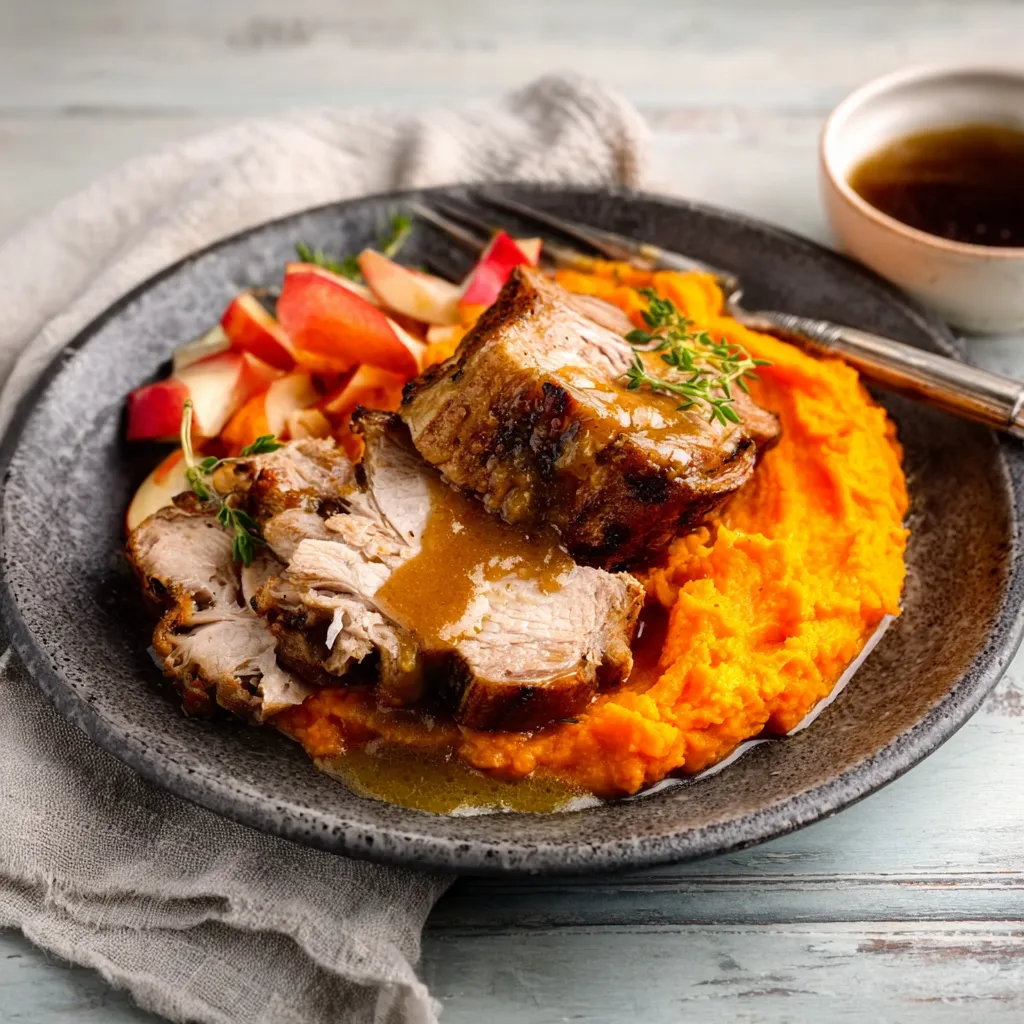 Here’s my go-to recipe for achieving consistently delicious apple cider pork:
Ingredients:
- 2-3 lb boneless pork shoulder (or pork loin, see notes below)
- 2 tbsp olive oil
- 1 large onion, chopped
- 2 cloves garlic, minced
- 1 tsp dried thyme
- 1/2 tsp dried sage
- 1/4 tsp ground cloves
- 1/2 tsp salt
- 1/4 tsp black pepper
- 2 cups apple cider (not apple juice)
- 1/2 cup chicken broth
- 2 tbsp apple cider vinegar
- 1 tbsp Dijon mustard
- 1 tbsp maple syrup (optional, for extra sweetness)
- 1 tbsp cornstarch (optional, for thickening sauce)
- 2 tbsp cold water (optional, for thickening sauce)
Instructions:
- Sear the Pork: Pat the pork dry with paper towels. Season generously with salt and pepper. Heat olive oil in a large Dutch oven or oven-safe skillet over medium-high heat. Sear the pork on all sides until deeply browned, about 3-4 minutes per side. Remove the pork from the pot and set aside. This step is crucial for the Maillard reaction!
- Sauté Aromatics: Add the chopped onion to the pot and cook until softened, about 5 minutes. Add the minced garlic, thyme, sage, and cloves, and cook for another minute until fragrant.
- Deglaze and Combine: Pour in the apple cider and apple cider vinegar, scraping up any browned bits from the bottom of the pot (this is where a lot of flavor resides!). Add the chicken broth and Dijon mustard. If desired, stir in the maple syrup.
- Braise the Pork: Return the pork to the pot. The liquid should come about halfway up the sides of the pork. Bring the liquid to a simmer, then cover the pot and transfer it to a preheated oven at 325°F (160°C).
- Cook Until Tender: Braise the pork for 2.5-3 hours, or until it is fork-tender. If using pork loin, check for doneness after 1.5-2 hours to avoid overcooking. The internal temperature should reach 195-205°F for pork shoulder and 145-150°F for pork loin.
- Rest and Shred (for pork shoulder): Remove the pork from the pot and let it rest for 15-20 minutes before shredding with two forks.
- Thicken the Sauce (optional): While the pork is resting, skim off any excess fat from the surface of the braising liquid. In a small bowl, whisk together the cornstarch and cold water to form a slurry. Bring the braising liquid to a simmer over medium heat. Slowly whisk in the cornstarch slurry and cook until the sauce has thickened to your desired consistency, about 1-2 minutes.
- Serve: Return the shredded pork to the pot with the sauce. Serve hot over mashed potatoes, rice, polenta, or on slider buns.
Notes:
- Pork Cut: Pork shoulder is the most forgiving cut for this recipe, as it becomes incredibly tender during the long braising process. Pork loin can also be used, but it requires careful monitoring to prevent it from drying out. Reduce the cooking time significantly and ensure it reaches an internal temperature of 145-150°F.
- Apple Cider: Use high-quality apple cider, not apple juice. Apple cider is unfiltered and contains more sediment, which contributes to a richer flavor.
- Variations: Add sliced apples to the pot during the last hour of cooking for extra apple flavor. You can also include root vegetables like carrots, parsnips, or potatoes for a complete one-pot meal.
My Apple Cider Pork Journey: Trials, Tribulations, and Triumph
My journey to perfecting apple cider pork was far from linear. Like many of you, I initially thought that simply simmering pork in apple cider would yield a delectable result. I was wrong.The Early Days: Cider Soup and Shoe Leather
My first few attempts were a disaster. The pork was tough, the flavor was weak, and the overall dish resembled a watery soup more than a succulent braise. I used pork loin, thinking it was a leaner, healthier option, and ended up with something akin to shoe leather. The apple cider flavor was barely detectable, masked by a general blandness. I even tried adding cinnamon sticks, hoping to boost the apple flavor, but it just tasted like potpourri.The Pork Shoulder Revelation: Fat is Flavor
Then, I had an “Aha!” moment. I remembered a chef friend telling me that “fat is flavor.” I switched to pork shoulder, a cut known for its higher fat content and connective tissue, which breaks down beautifully during long, slow cooking. This single change made a world of difference. The pork was significantly more tender and flavorful.The Sear Factor: Unleashing the Maillard Reaction
But even with pork shoulder, the flavor was still lacking depth. I realized I was missing a crucial step: searing the pork before braising it. I had always skipped this step, thinking it was unnecessary, but the browning that results from the Maillard reaction is essential for developing complex, savory flavors. Once I started searing the pork properly, the dish transformed.Spice is Nice: Beyond Cinnamon Sticks
My final breakthrough came when I started experimenting with different spices. I realized that cinnamon alone wasn’t enough to create a balanced flavor profile. I added thyme, sage, and a touch of cloves, which complemented the apple cider beautifully and added warmth and depth. The addition of Dijon mustard and a splash of apple cider vinegar provided a welcome tanginess that cut through the sweetness of the cider and maple syrup (which I added later, as an optional ingredient). Finally, a splash of chicken broth helped round out the flavors and prevent the sauce from becoming overly sweet.The Foolproof Apple Cider Pork Technique: A Step-by-Step Guide
After numerous trials and errors, I’ve distilled the process into these simple steps:- Choose the Right Cut: Opt for pork shoulder for maximum tenderness and flavor. If using pork loin, adjust cooking time accordingly.
- Sear Thoroughly: Don’t skimp on the searing process. Brown the pork on all sides to develop deep, savory flavors.
- Layer Flavors: Use a combination of herbs, spices, and acidity to create a balanced flavor profile.
- Braise Low and Slow: Cook the pork at a low temperature for a long period to break down tough muscle fibers and render fat.
- Rest Before Shredding: Allow the pork to rest before shredding to retain moisture.
- Adjust the Sauce: Thicken the sauce if desired, and adjust seasonings to taste.
Why is searing the pork so important in this recipe?
Searing the pork before braising allows the Maillard reaction to occur, which develops deep, complex, and savory flavors that are essential for a rich taste.
Can I use apple juice instead of apple cider?
No, the recipe recommends using high-quality apple cider, not apple juice. Apple cider is unfiltered and contains more sediment, which contributes to a richer flavor.
What kind of pork cut is recommended for this recipe, and why?
Pork shoulder is the most forgiving cut for this recipe because its higher fat content and connective tissue break down beautifully during the long, slow braising process, resulting in incredibly tender and flavorful pork. Pork loin can be used but needs careful monitoring to avoid drying out.
What are some variations I can make to the Apple Cider Pork recipe?
You can add sliced apples to the pot during the last hour of cooking for extra apple flavor. You can also include root vegetables like carrots, parsnips, or potatoes for a complete one-pot meal.
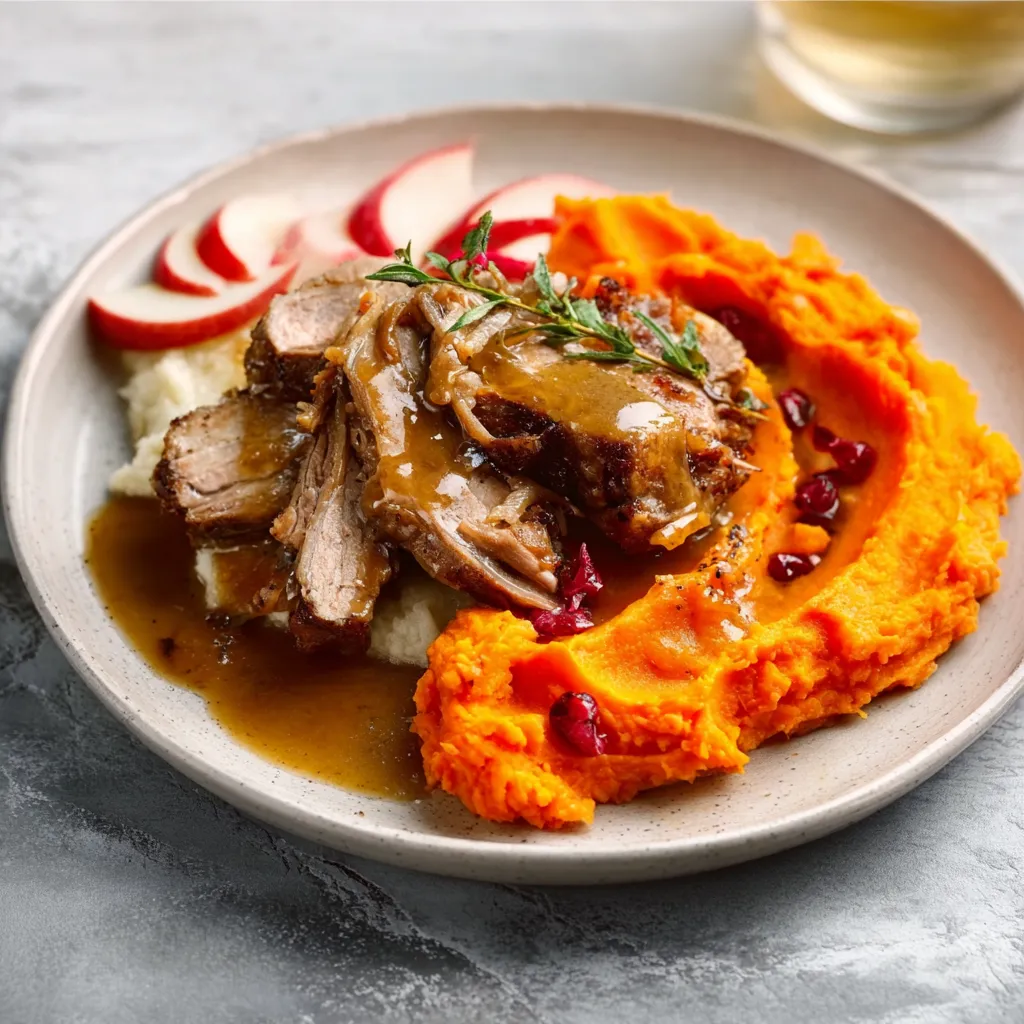
Amazing Apple Cider Pork
Ingredients
Equipment
Method
- Pat the pork dry with paper towels and season generously with salt and pepper.
- Heat olive oil in a large Dutch oven or oven-safe skillet over medium-high heat.
- Sear the pork on all sides until deeply browned, about 3-4 minutes per side. Remove the pork from the pot and set aside.
- Add the chopped onion to the pot and cook until softened, about 5 minutes.
- Add the minced garlic, thyme, sage, and cloves, and cook for another minute until fragrant.
- Pour in the apple cider and apple cider vinegar, scraping up any browned bits from the bottom of the pot.
- Add the chicken broth and Dijon mustard. If desired, stir in the maple syrup.
- Return the pork to the pot. The liquid should come about halfway up the sides of the pork.
- Bring the liquid to a simmer, then cover the pot and transfer it to a preheated oven at 325°F (160°C).
- Braise the pork for 2.5-3 hours, or until it is fork-tender. If using pork loin, check for doneness after 1.5-2 hours.
- Remove the pork from the pot and let it rest for 15-20 minutes before shredding with two forks (for pork shoulder).
- Skim off any excess fat from the surface of the braising liquid (optional).
- In a small bowl, whisk together the cornstarch and cold water to form a slurry (optional).
- Bring the braising liquid to a simmer over medium heat (optional).
- Slowly whisk in the cornstarch slurry and cook until the sauce has thickened to your desired consistency, about 1-2 minutes (optional).
- Return the shredded pork to the pot with the sauce.
- Serve hot over mashed potatoes, rice, polenta, or on slider buns.