Decoding the Deliciousness: The Science Behind Buffalo Chicken Pasta
The magic of Buffalo Chicken Pasta lies in the interplay of several key elements: the pasta itself, the creamy sauce, the tender chicken, and, of course, that iconic Buffalo sauce. Each component requires careful consideration to achieve the perfect harmony.- Pasta Perfection: The shape of the pasta is more than just aesthetics. Shorter shapes like penne, rotini, or cavatappi are ideal because their ridges and crevices capture the creamy Buffalo sauce, ensuring every bite is bursting with flavor. Overcooking the pasta is a cardinal sin; aim for al dente to provide a pleasant textural contrast to the softer elements.
- Sauce Synergy: The sauce is the glue that binds everything together. A base of cream cheese, ranch dressing, and cheddar cheese provides richness and tanginess. The cream cheese emulsifies beautifully, creating a smooth and luxurious texture. However, the real star is the Buffalo sauce, which contributes heat, acidity, and that signature vinegary tang. The ratio of sauce to pasta is crucial; too much sauce and it becomes soupy, too little and it’s dry.
- Chicken Chemistry: The chicken needs to be tender and juicy to complement the creamy sauce. Shredded or diced chicken works best, ensuring even distribution throughout the pasta. Pre-cooked rotisserie chicken is a convenient shortcut, but poaching or pan-frying the chicken yourself allows for greater control over the flavor and texture.
- Buffalo Sauce Breakdown: Buffalo sauce isn’t just hot sauce; it’s typically a blend of hot sauce (often Frank’s RedHot), butter, and vinegar. The butter adds richness and helps to tame some of the heat, while the vinegar provides a necessary tang. Experimenting with different brands of hot sauce can drastically alter the flavor profile of the final dish.
Buffalo Chicken Pasta: The Definitive Recipe
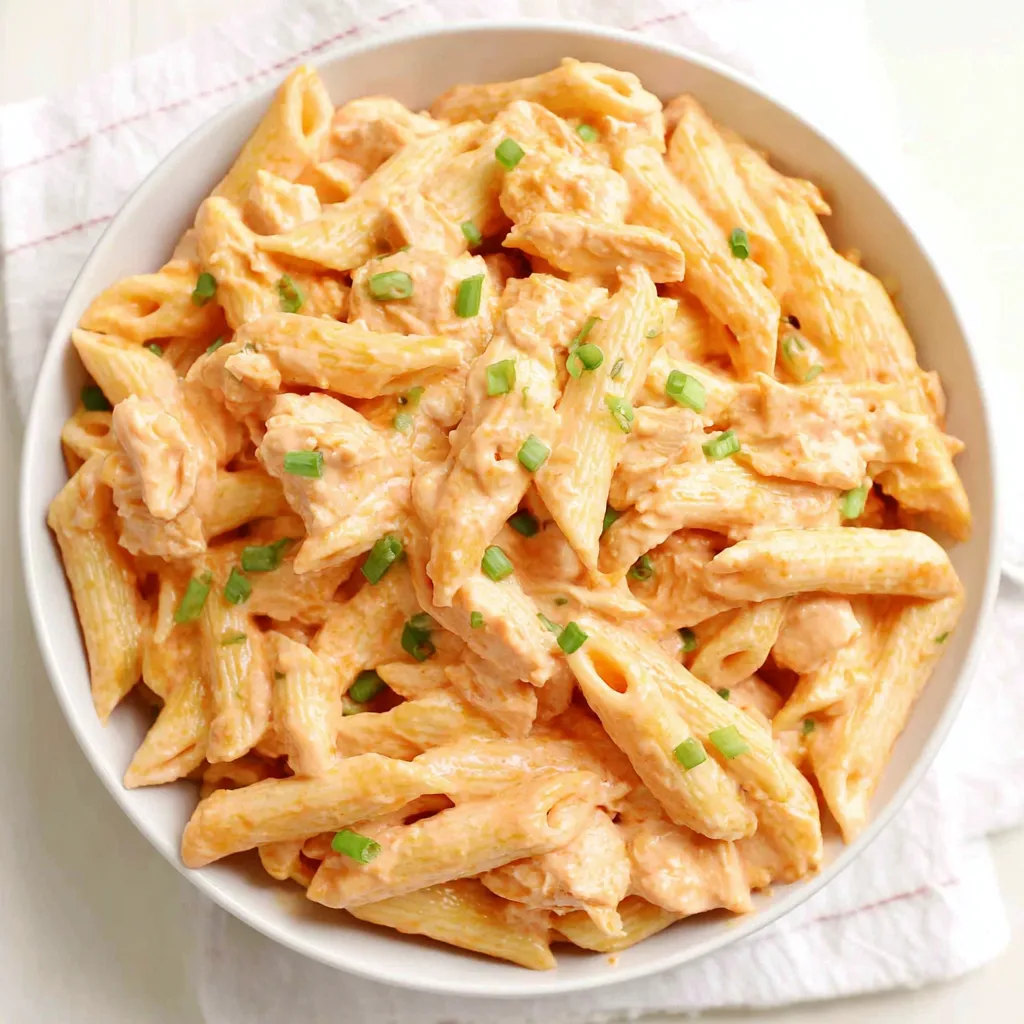
Ingredients:
- 1 pound pasta (penne, rotini, or cavatappi)
- 1.5 pounds boneless, skinless chicken breasts, cooked and shredded or diced
- 1 cup Buffalo wing sauce (Frank’s RedHot recommended)
- 4 ounces cream cheese, softened
- 1 cup ranch dressing
- 1 cup shredded cheddar cheese
- 1/2 cup milk or heavy cream (optional, for thinning sauce)
- 2 tablespoons butter
- 1/4 cup chopped green onions, for garnish (optional)
- Blue cheese crumbles, for garnish (optional)
- Salt and pepper to taste
Instructions:
- Cook the pasta according to package directions until al dente. Drain and set aside.
- While the pasta is cooking, prepare the Buffalo sauce. In a large skillet or pot, melt the butter over medium heat.
- Add the Buffalo wing sauce, cream cheese, and ranch dressing to the skillet. Stir constantly until the cream cheese is melted and the sauce is smooth and creamy.
- Stir in the shredded cheddar cheese until melted and incorporated. If the sauce is too thick, add milk or heavy cream, 1 tablespoon at a time, until the desired consistency is reached.
- Season the sauce with salt and pepper to taste. Remember the Buffalo sauce is already salty, so season carefully.
- Add the cooked chicken to the sauce and stir to coat evenly. Heat through.
- Add the cooked pasta to the skillet with the chicken and sauce. Toss to combine, ensuring the pasta is well coated.
- Serve immediately, garnished with chopped green onions and blue cheese crumbles (if desired).
Confessions of a Culinary Investigator: My Buffalo Chicken Pasta Journey
The Initial Disaster: Sauce Separation Anxiety
My first few attempts at Buffalo Chicken Pasta were a disaster. Like many of you, I initially thought it was just a matter of tossing some pasta with chicken and Buffalo sauce. Wrong! The sauce separated, becoming greasy and unappetizing. The chicken was dry, and the pasta was either overcooked or undercooked. I needed to understand the science.The ‘Aha!’ Moment: Emulsification Revelation
Then, I had an ‘Aha!’ moment. I realized the key was emulsification – getting the fat and water-based components of the sauce to bind together properly. That’s when I started experimenting with cream cheese. The fat in the cream cheese helped to stabilize the sauce, preventing it from separating and creating a luxuriously smooth texture.Chicken Chronicles: From Dry to Divine
The chicken presented another challenge. Pre-cooked chicken often dried out in the sauce. I tried poaching the chicken in chicken broth, which helped to keep it moist. However, the real game-changer was using rotisserie chicken, shredding it while still warm, and adding it to the sauce just before serving. This kept the chicken perfectly tender and flavorful. It reminded me of the simplicity of a comforting Chicken Casserole, but with a spicy twist.Sauce Sensitivity: Finding the Perfect Heat
The level of heat in the Buffalo sauce was another critical factor. Too much, and it was inedible; too little, and it was bland. I experimented with different brands of Buffalo sauce and found that Frank’s RedHot provided the perfect balance of heat and flavor. Adding a touch of butter to the sauce also helped to tame the heat and add richness. I even considered adding some elements from my favorite White Chicken Chili to mellow it out, but ultimately, sticking to the classic Buffalo flavor profile proved best. This was a different beast than my usual Chicken Spaghetti Casserole, requiring a unique approach.Pasta Predicaments: Al Dente or Bust
Finally, the pasta. Overcooked pasta turned to mush, while undercooked pasta was unpleasantly crunchy. Mastering the art of cooking pasta al dente was essential. I also discovered that shorter pasta shapes like penne and rotini were best at capturing the creamy sauce.The Ultimate Buffalo Chicken Pasta Technique: A Foolproof Method
After numerous experiments and taste tests, I’ve distilled the process down to these key steps:- Pasta Perfection: Cook pasta al dente and drain well. Reserve about 1/2 cup of pasta water.
- Creamy Foundation: Melt butter in a large skillet. Add Buffalo sauce, softened cream cheese, and ranch dressing. Stir until smooth and creamy.
- Cheese Integration: Stir in shredded cheddar cheese until melted. If the sauce is too thick, add a tablespoon or two of reserved pasta water at a time until the desired consistency is reached.
- Chicken Care: Gently fold in cooked and shredded or diced chicken. Heat through.
- Pasta Unification: Add the cooked pasta to the skillet and toss to combine, ensuring the pasta is evenly coated with the sauce.
- Seasoning Savvy: Taste and season with salt and pepper as needed. Remember to be mindful of the salt content in the Buffalo sauce.
- Garnish Glamour: Serve immediately, garnished with chopped green onions and blue cheese crumbles (optional).
What are the best pasta shapes to use for Buffalo Chicken Pasta, and why?
Shorter pasta shapes like penne, rotini, or cavatappi are ideal because their ridges and crevices capture the creamy Buffalo sauce, ensuring every bite is bursting with flavor.
What is the key to preventing the Buffalo Chicken Pasta sauce from separating and becoming greasy?
The key is emulsification. Using cream cheese helps to stabilize the sauce, preventing it from separating and creating a luxuriously smooth texture.
What’s the best way to keep the chicken from drying out when making Buffalo Chicken Pasta?
Using rotisserie chicken, shredding it while still warm, and adding it to the sauce just before serving helps to keep the chicken perfectly tender and flavorful.
What is the recommended hot sauce for achieving the perfect balance of heat and flavor in Buffalo Chicken Pasta?
Frank’s RedHot is recommended for providing the perfect balance of heat and flavor in the Buffalo sauce.
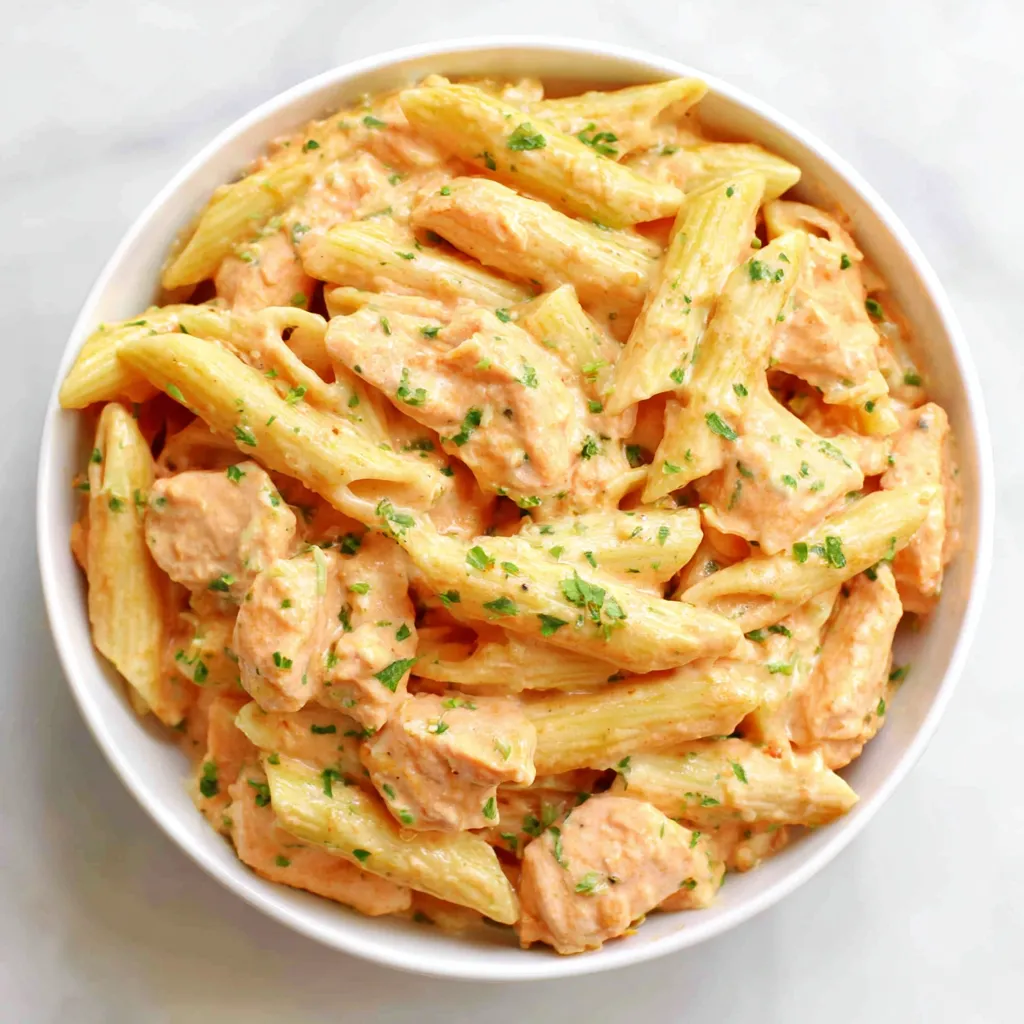
BEST BUFFALO CHICKEN PASTA
This recipe combines the comfort of pasta with the spicy kick of Buffalo wings. Creamy, cheesy, and packed with flavor, it’s a quick and easy dish that’s perfect for a weeknight meal or a party. This recipe uses simple ingredients and easy-to-follow instructions.
Ingredients
Equipment
Method
- Cook the pasta according to package directions until al dente. Drain and set aside, reserving about 1/2 cup of pasta water.
- While the pasta is cooking, prepare the Buffalo sauce. In a large skillet or pot, melt the butter over medium heat.
- Add the Buffalo wing sauce, cream cheese, and ranch dressing to the skillet. Stir constantly until the cream cheese is melted and the sauce is smooth and creamy.
- Stir in the shredded cheddar cheese until melted and incorporated. If the sauce is too thick, add milk or heavy cream, 1 tablespoon at a time, or some of the reserved pasta water, until the desired consistency is reached.
- Season the sauce with salt and pepper to taste. Remember the Buffalo sauce is already salty, so season carefully.
- Add the cooked chicken to the sauce and stir to coat evenly. Heat through.
- Add the cooked pasta to the skillet with the chicken and sauce. Toss to combine, ensuring the pasta is well coated.
- Serve immediately, garnished with chopped green onions and blue cheese crumbles (if desired).
Notes
For a spicier dish, use extra hot Buffalo sauce. You can also add a pinch of red pepper flakes to the sauce. Store leftovers in an airtight container in the refrigerator for up to 3 days. To reheat, add a splash of milk or cream to prevent the pasta from drying out. Rotisserie chicken provides a shortcut for the chicken component.