The Magic Behind the Crunch: Deconstructing Toffee Science
The key to exceptional toffee lies in understanding the science of sugar. Toffee, at its heart, is a caramelized sugar candy. The process involves heating sugar (sucrose) to high temperatures, causing it to undergo a series of chemical reactions that transform it into a complex mixture of new compounds, including glucose, fructose, and various polymers. This process, called caramelization, is what gives toffee its characteristic flavor and color. However, it’s not just about the sugar. Butter plays a crucial role, contributing richness, flavor, and a certain pliability to the toffee. The fat in the butter also interferes with sugar crystallization, helping to create a smooth, rather than grainy, texture. The careful balance of these ingredients, combined with precise temperature control, is what separates a perfect batch of toffee from a sticky, burnt mess. Finally, the addition of chocolate adds another layer of flavor and richness, while nuts provide texture and a complementary nutty flavor.The “Best Ever” Christmas Toffee Recipe
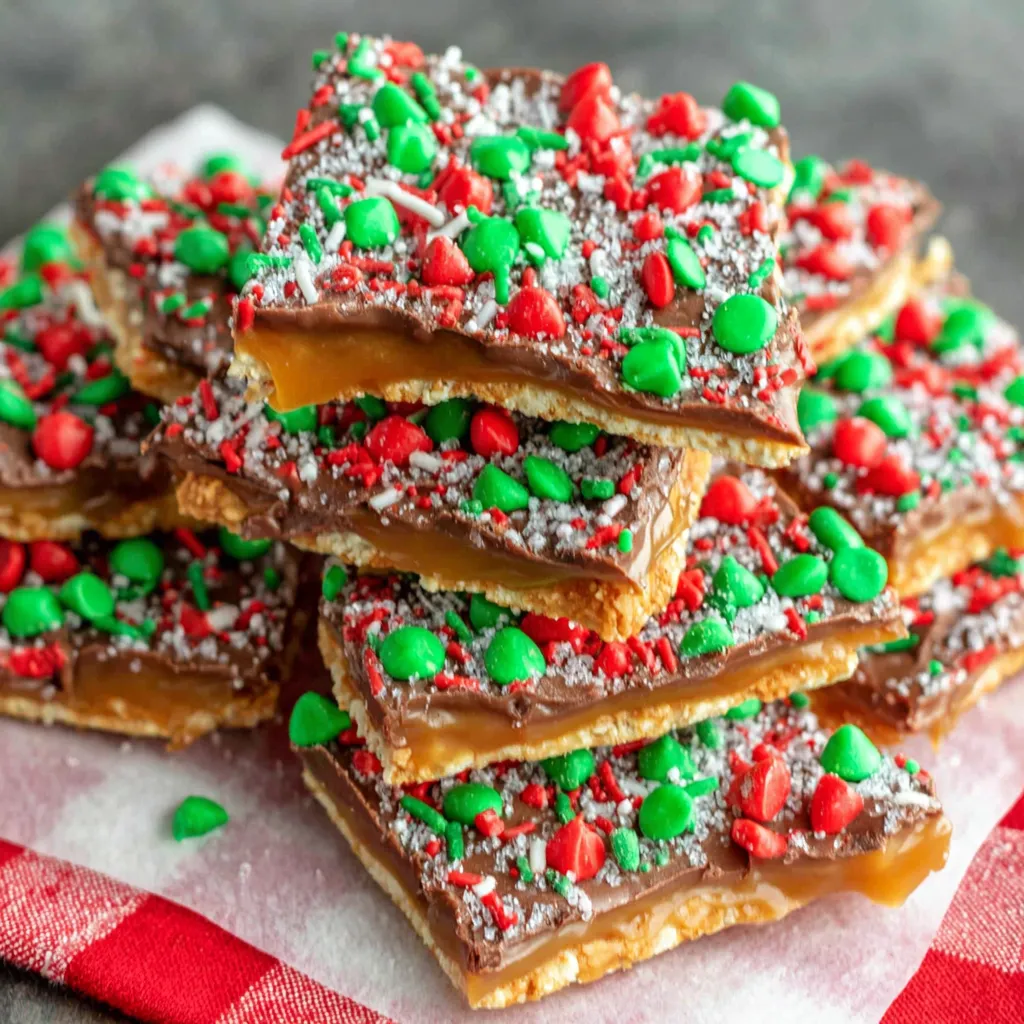 Here’s my tried-and-true recipe for Christmas Toffee that will become a holiday tradition:
Ingredients:
- 1 cup (2 sticks) unsalted butter, cut into cubes
- 1 cup granulated sugar
- 1/4 cup water
- 1/4 teaspoon salt
- 1 teaspoon vanilla extract
- 1 cup semi-sweet chocolate chips
- 1/2 cup chopped pecans or walnuts (optional)
Equipment:
- Heavy-bottomed saucepan
- Candy thermometer
- Baking sheet lined with parchment paper
- Heat-resistant spatula
Instructions:
1. Prepare the Pan: Line a baking sheet with parchment paper. This prevents sticking and makes cleanup a breeze. 2. Combine Ingredients: In the heavy-bottomed saucepan, combine the butter, sugar, water, and salt. 3. Cook the Toffee: Cook over medium heat, stirring constantly until the butter is melted and the sugar is dissolved. 4. Monitor the Temperature: Attach the candy thermometer to the side of the pan, ensuring it doesn’t touch the bottom. Continue cooking, without stirring, until the mixture reaches 300°F (149°C), also known as the “hard-crack” stage. This stage is crucial for that perfect toffee snap. 5. Remove from Heat: Once the mixture reaches 300°F, immediately remove the saucepan from the heat. 6. Stir in Vanilla: Stir in the vanilla extract. Be careful, as the mixture will bubble vigorously. 7. Pour and Spread: Immediately pour the hot toffee onto the prepared baking sheet and spread it into a thin, even layer using the heat-resistant spatula. 8. Add Chocolate: Sprinkle the chocolate chips evenly over the hot toffee. Let them sit for a minute or two to soften. 9. Spread the Chocolate: Once the chocolate is softened, spread it evenly over the toffee using an offset spatula or the back of a spoon. 10. Sprinkle with Nuts: If desired, sprinkle the chopped pecans or walnuts over the chocolate. 11. Cool and Break: Let the toffee cool completely at room temperature (or in the refrigerator to speed up the process). Once cooled and hardened, break the toffee into pieces. 12. Enjoy! Store the toffee in an airtight container at room temperature.My Journey to Toffee Perfection: The Investigation
My quest for the perfect Christmas toffee was far from a straight line. My first few attempts were a disaster, resulting in burnt sugar, grainy textures, and an overall lack of that signature toffee “snap.” Like many of you, I initially thought toffee was just a matter of melting butter and sugar together. I quickly learned that there’s much more to it than that!The First Fails: Identifying the Culprits
My initial failures stemmed from a few key mistakes. First, I wasn’t using a heavy-bottomed saucepan, which led to uneven heating and scorching. Second, I wasn’t using a candy thermometer, so I was just guessing at the temperature, which, as you can imagine, led to wildly inconsistent results. The toffee was either too soft and sticky, or so hard it was like trying to chew glass.The “Aha!” Moment: Embracing Temperature Control
Then, I had an “Aha!” moment. I realized that temperature control was paramount. I invested in a good quality candy thermometer and started meticulously monitoring the temperature of the sugar mixture. This made a world of difference. Knowing exactly when the mixture reached the hard-crack stage was the key to achieving that perfect, brittle texture.Butter Matters: Understanding Fat’s Role
Another crucial discovery was the importance of butter quality and quantity. I initially tried using margarine (I know, I know!), but the results were subpar. The toffee lacked richness and flavor. Switching to high-quality unsalted butter made a significant improvement. I also experimented with different ratios of butter to sugar, eventually settling on the 1:1 ratio in the recipe above. This ratio provides the perfect balance of flavor and texture.Chocolate Choices: Finding the Right Match
Finally, I experimented with different types of chocolate. Milk chocolate was too sweet, and dark chocolate was too bitter. Semi-sweet chocolate proved to be the perfect balance, complementing the sweetness of the toffee without being overpowering. I also found that using high-quality chocolate chips made a noticeable difference in the overall flavor. Maybe I’ll try making Christmas Puppy Chow next!The Foolproof Technique: A Step-by-Step Guide to Toffee Success
After many trials and tribulations, I’ve distilled the process down to a simple, foolproof technique: 1. Use a Heavy-Bottomed Saucepan: This ensures even heating and prevents scorching. 2. Invest in a Candy Thermometer: Temperature control is crucial for achieving the perfect toffee texture. Don’t eyeball it! 3. Monitor the Temperature Closely: Cook the sugar mixture to exactly 300°F (149°C), the “hard-crack” stage. 4. Use High-Quality Ingredients: Good butter and chocolate make a big difference in flavor. 5. Work Quickly: Once the toffee reaches the correct temperature, work quickly to pour it onto the baking sheet and spread it out. 6. Don’t Overbake: Cooking past 300°F will result in burnt toffee. 7. Cool Completely: Let the toffee cool completely before breaking it into pieces. This ensures it sets properly. With this technique, you’ll be making perfect Christmas toffee in no time! And who knows, maybe you’ll be inspired to bake some Christmas Eggnog Bread to go with it!Why is a candy thermometer important for making Christmas toffee?
A candy thermometer is crucial because temperature control is paramount to achieving the perfect toffee texture. Knowing exactly when the mixture reaches the hard-crack stage (300°F or 149°C) is key to a brittle, snapping toffee.
What kind of saucepan is recommended for making Christmas toffee, and why?
A heavy-bottomed saucepan is recommended because it ensures even heating and prevents the sugar from scorching, which can ruin the toffee.
What type of chocolate is recommended for the best Christmas toffee flavor?
Semi-sweet chocolate is recommended as the perfect balance, complementing the sweetness of the toffee without being overpowering. High-quality chocolate chips also make a noticeable difference.
What is the ‘hard-crack’ stage and why is it important?
The ‘hard-crack’ stage is when the toffee mixture reaches 300°F (149°C). This stage is crucial because it indicates that enough water has evaporated and the sugar has caramelized to the correct consistency for a brittle, snapping toffee.
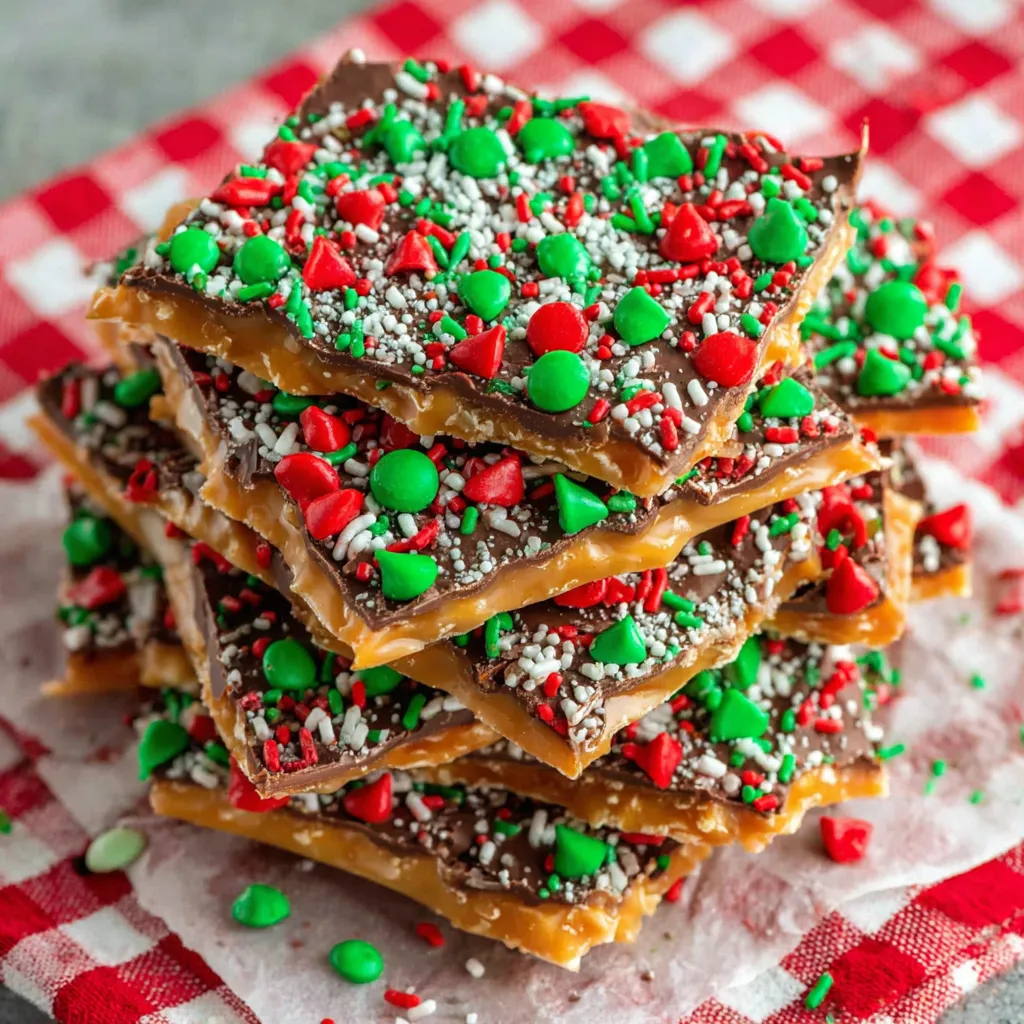
Best Ever Christmas Toffee
Ingredients
Equipment
Method
- Line a baking sheet with parchment paper.
- In the heavy-bottomed saucepan, combine the butter, sugar, water, and salt.
- Cook over medium heat, stirring constantly until the butter is melted and the sugar is dissolved.
- Attach the candy thermometer to the side of the pan, ensuring it doesn’t touch the bottom. Continue cooking, without stirring, until the mixture reaches 300°F (149°C), the “hard-crack” stage.
- Once the mixture reaches 300°F, immediately remove the saucepan from the heat.
- Stir in the vanilla extract. Be careful, as the mixture will bubble vigorously.
- Immediately pour the hot toffee onto the prepared baking sheet and spread it into a thin, even layer using the heat-resistant spatula.
- Sprinkle the chocolate chips evenly over the hot toffee. Let them sit for a minute or two to soften.
- Once the chocolate is softened, spread it evenly over the toffee using an offset spatula or the back of a spoon.
- If desired, sprinkle the chopped pecans or walnuts over the chocolate.
- Let the toffee cool completely at room temperature (or in the refrigerator to speed up the process).
- Once cooled and hardened, break the toffee into pieces.
- Enjoy!