I’ll never forget the first time I saw a souffle rise perfectly in my grandmother’s oven, a sight that always felt like pure magic – that’s the same kind of wondrous feeling you get watching these delicate Japanese Cotton Cheesecake Cupcakes bake, puffing up into the cutest little clouds of creamy, cheesy perfection; trust me, you’re about to experience a truly delightful baking adventure, and the results will be simply irresistible!
Let’s Bake Some Cloud-Like Japanese Cotton Cheesecake Cupcakes!
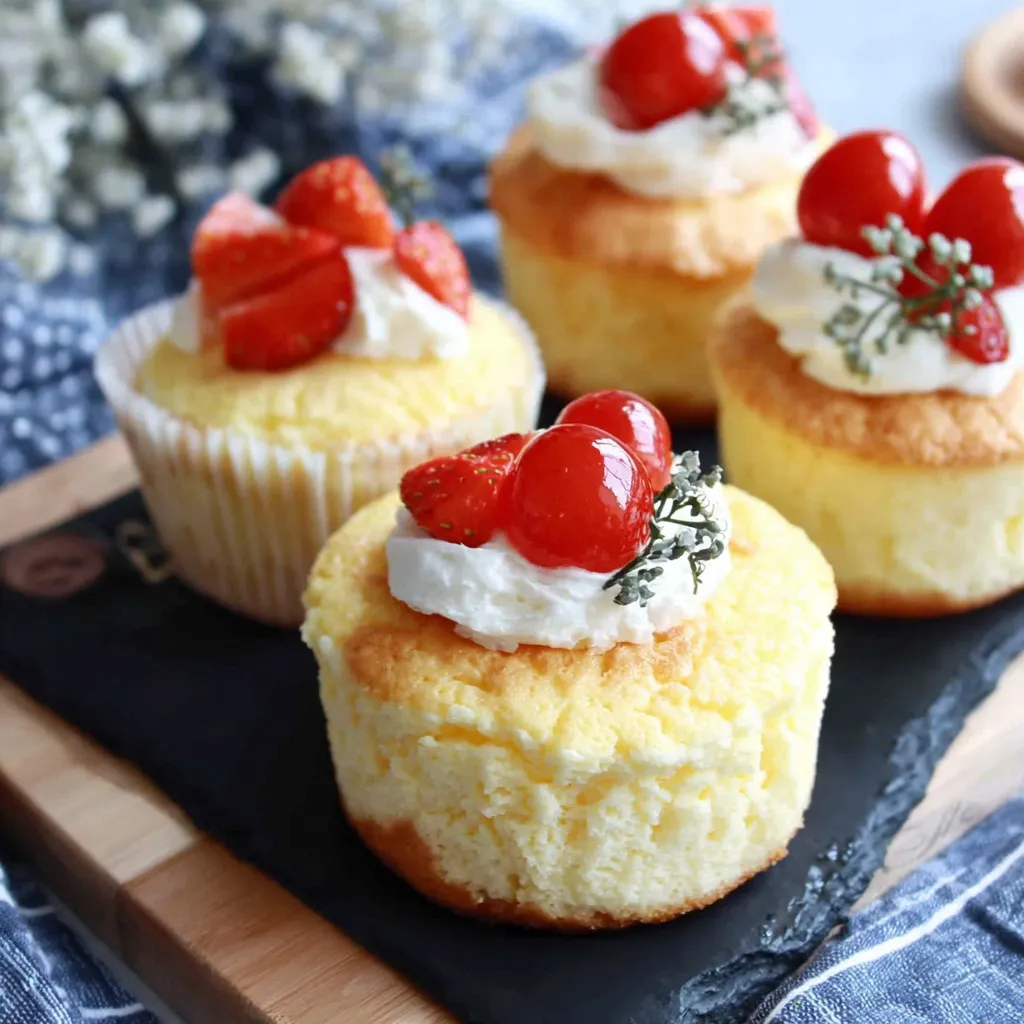
Hey there, baking buddies! I’m so excited to share this recipe with you. Japanese Cotton Cheesecake Cupcakes are the ultimate treat for anyone who loves a light, airy dessert. These aren’t your average, dense cheesecakes; they’re incredibly soft, moist, and melt-in-your-mouth delicious. Think of them as a cross between a soufflé and a classic cheesecake – pure heaven!
Don’t let the “Japanese Cotton Cheesecake” name intimidate you. While they do require a little patience and attention to detail, these cupcakes are totally achievable, even for beginner bakers. I’m going to walk you through every step, share all my tips and tricks, and help you create the most delightful little cheesecakes you’ve ever tasted.
What Makes Japanese Cotton Cheesecake Cupcakes So Special?
So, what sets these cupcakes apart from other cheesecakes? It all comes down to a few key factors:
- The Texture: The defining characteristic is its airy, cotton-like texture. This is achieved through a specific baking process that involves a water bath and careful temperature control.
- The Flavor: The flavor is subtly sweet and cheesy, not overly rich or heavy. It’s a delicate balance that makes these cupcakes incredibly addictive.
- The Appearance: They have a beautiful, slightly domed top and a pale golden color. They look as good as they taste!
Ingredients You’ll Need
Before we start baking, let’s gather our ingredients. Here’s what you’ll need:
- Cream Cheese: Full-fat cream cheese is essential for the right texture and flavor. Make sure it’s softened to room temperature.
- Butter: Unsalted butter, also softened.
- Milk: Whole milk is best for richness.
- Egg Yolks: These add richness and help bind the ingredients.
- Cake Flour: Cake flour has a lower protein content than all-purpose flour, which results in a more tender crumb. If you don’t have cake flour, you can substitute with all-purpose flour, just reduce the amount by two tablespoons per cup and add cornstarch instead.
- Cornstarch: This helps to create the light and airy texture.
- Egg Whites: These are whipped into a meringue, which adds air and volume to the batter.
- Granulated Sugar: For sweetness.
- Lemon Juice: A touch of lemon juice brightens the flavor and helps stabilize the meringue.
- Vanilla Extract: Adds a hint of vanilla flavor.
Equipment You’ll Need
Having the right equipment can make a big difference in the success of your baking. Here’s what I recommend:
- Cupcake Pan: A standard 12-cup cupcake pan.
- Cupcake Liners: Paper or silicone cupcake liners.
- Mixing Bowls: Several mixing bowls in various sizes.
- Electric Mixer: A stand mixer or hand mixer is essential for whipping the egg whites.
- Rubber Spatula: For gently folding ingredients.
- Fine-Mesh Sieve: For sifting the dry ingredients.
- Measuring Cups and Spoons: For accurate measuring.
- Baking Sheet: To create a water bath.
Step-by-Step Instructions
Alright, let’s get baking! Follow these steps carefully, and you’ll be rewarded with the most amazing Japanese Cotton Cheesecake Cupcakes.
Step 1: Prepare the Cream Cheese Mixture
- In a large mixing bowl, beat the softened cream cheese and butter until smooth and creamy. Make sure there are no lumps!
- Gradually add the milk and mix until well combined.
- Add the egg yolks, one at a time, mixing well after each addition.
- Stir in the vanilla extract and lemon juice.
Step 2: Sift in the Dry Ingredients
- In a separate bowl, sift together the cake flour and cornstarch. This is important to ensure a light and airy texture.
- Gradually add the sifted dry ingredients to the cream cheese mixture, mixing until just combined. Be careful not to overmix!
Step 3: Prepare the Meringue
- In a clean, grease-free mixing bowl, beat the egg whites until soft peaks form.
- Gradually add the granulated sugar, beating until stiff, glossy peaks form. The meringue should be firm but not dry.
Step 4: Fold the Meringue into the Batter
- Gently fold one-third of the meringue into the cream cheese mixture to lighten it.
- Then, gently fold in the remaining meringue in two additions, being careful not to deflate the egg whites. You want to maintain as much air as possible.
Step 5: Fill the Cupcake Liners
- Line a 12-cup cupcake pan with cupcake liners.
- Fill each liner about ¾ full with the cheesecake batter.
Step 6: Bake in a Water Bath
- Place the cupcake pan inside a larger baking sheet.
- Pour hot water into the baking sheet until it reaches about halfway up the sides of the cupcake pan. This water bath creates a humid environment that helps the cheesecakes bake evenly and prevents them from cracking.
- Bake in a preheated oven at 300°F (150°C) for 25-30 minutes, or until the tops are lightly golden and a toothpick inserted into the center comes out clean.
Step 7: Cool and Refrigerate
- Turn off the oven and crack the oven door open slightly. Let the cupcakes cool in the oven for about 30 minutes. This helps prevent them from collapsing.
- Remove the cupcakes from the water bath and let them cool completely at room temperature.
- Refrigerate the cupcakes for at least 2 hours before serving. This allows them to set properly and develop their flavor.
Tips for Success
Here are a few extra tips to ensure your Japanese Cotton Cheesecake Cupcakes turn out perfectly:
- Use Room Temperature Ingredients: Softened cream cheese and butter are crucial for a smooth and lump-free batter. Room temperature eggs also incorporate more easily.
- Don’t Overmix: Overmixing can develop the gluten in the flour, resulting in a tough cheesecake. Mix until just combined.
- Whip the Meringue Properly: The meringue should be stiff and glossy, but not dry. Overwhipped meringue can become grainy.
- Fold Gently: When folding the meringue into the batter, be gentle to avoid deflating the egg whites.
- Use a Water Bath: The water bath is essential for creating a moist and even baking environment.
- Cool Slowly: Cooling the cupcakes slowly in the oven helps prevent them from collapsing.
- Refrigerate Before Serving: Refrigerating the cupcakes allows them to set properly and develop their flavor.
Troubleshooting
Sometimes, things don’t go exactly as planned. Here are some common issues and how to fix them:
- Cracked Tops: This can be caused by baking at too high a temperature or not using a water bath. Make sure to use a water bath and keep the oven temperature at 300°F (150°C).
- Collapsed Cupcakes: This can be caused by opening the oven door too early, not cooling the cupcakes slowly, or not whipping the meringue properly. Be patient and follow the cooling instructions carefully.
- Dense Texture: This can be caused by overmixing the batter or not whipping the meringue enough. Mix until just combined and ensure the meringue is stiff and glossy.
Variations and Additions
Want to get creative? Here are some fun variations you can try:
- Matcha: Add a tablespoon or two of matcha powder to the dry ingredients for a green tea flavor.
- Chocolate: Add a few tablespoons of cocoa powder to the dry ingredients for a chocolate version.
- Citrus: Add some orange or lemon zest to the batter for a bright citrus flavor.
- Berry Swirl: Swirl in some berry jam or purée before baking for a beautiful and delicious effect.
If you love the light and airy texture of these cupcakes, you might also enjoy Lemon Ricotta Pancakes for breakfast. The ricotta adds a similar tenderness.
Serving Suggestions
These Japanese Cotton Cheesecake Cupcakes are delicious on their own, but here are some serving suggestions to elevate them even further:
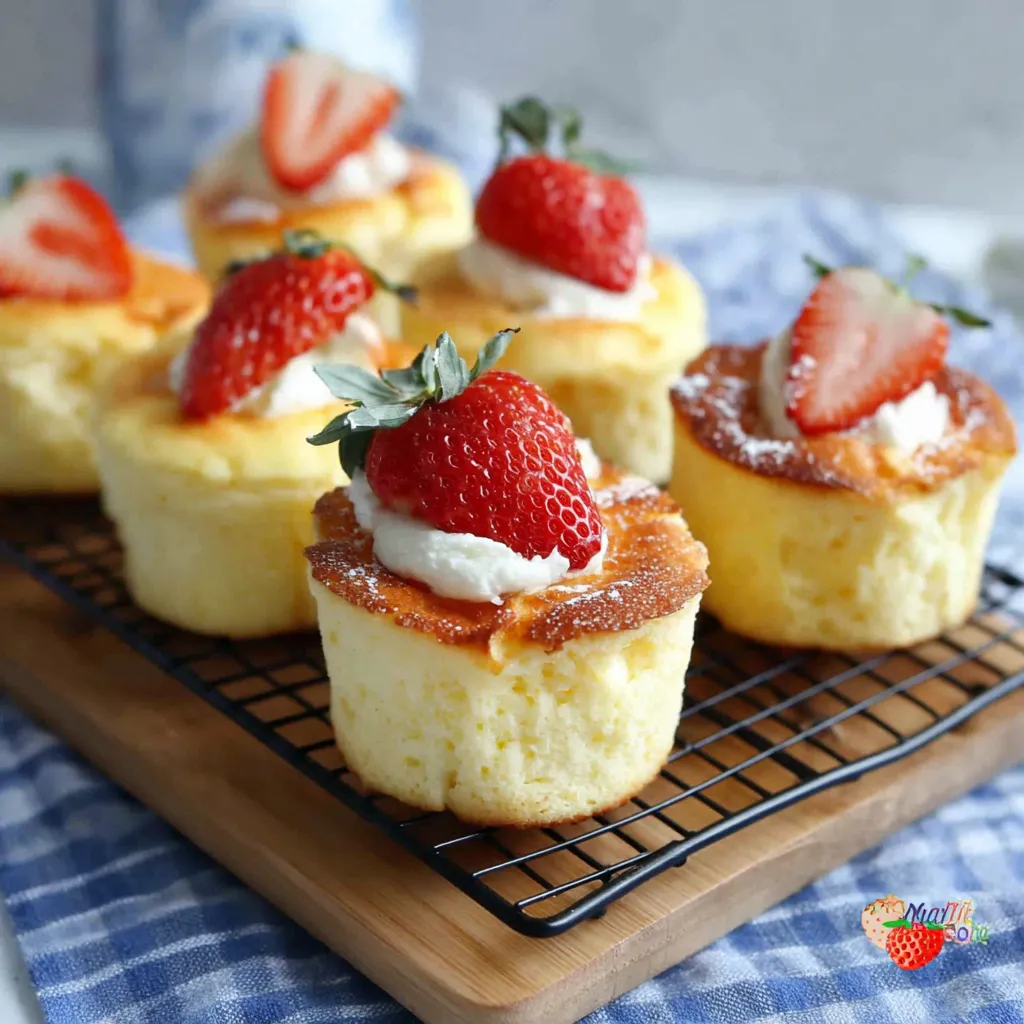
- Dust with Powdered Sugar: A simple dusting of powdered sugar adds a touch of elegance.
- Top with Fresh Berries: Fresh berries like strawberries, raspberries, or blueberries complement the light and cheesy flavor.
- Serve with Whipped Cream: A dollop of whipped cream adds a creamy and decadent touch.
- Drizzle with Chocolate Sauce: A drizzle of chocolate sauce adds a rich and indulgent element.
If you’re in the mood for more cheesecake goodness, be sure to check out my recipe for Sugar Cookie Cheesecake. It’s another crowd-pleaser!
For a taste of fall, try my Pumpkin Cheesecake. It’s perfect for Thanksgiving or any autumn gathering.
And if you like mini desserts, you’ll love my Apple Crisp Mini Cheesecakes. They’re a delightful combination of apple crisp and cheesecake.
If you are a fan of cinnamon, you should try the Cinnamon Roll Cookies. You will absolutely love them!
If you like Apples and Caramel, I suggest you give my recipe for Caramel Apple Cheesecake Bars a try, I am sure you will love them!
How to Store Leftovers
If you happen to have any leftovers (which is unlikely!), store them in an airtight container in the refrigerator for up to 3 days. They’re best enjoyed cold.
Final Thoughts
These Japanese Cotton Cheesecake Cupcakes are a true delight to make and eat. They’re light, airy, and subtly sweet, making them the perfect treat for any occasion. Don’t be afraid to experiment with different flavors and toppings to create your own unique version. Happy baking!
What makes Japanese Cotton Cheesecake Cupcakes different from regular cheesecakes?
Japanese Cotton Cheesecake Cupcakes are lighter and airier than regular cheesecakes, having a cotton-like texture. They are also subtly sweet and cheesy, not overly rich.
Why is a water bath used when baking these cupcakes?
The water bath creates a humid environment that helps the cheesecakes bake evenly and prevents them from cracking.
What can I do if the tops of my Japanese Cotton Cheesecake Cupcakes crack?
Cracked tops can be caused by baking at too high a temperature or not using a water bath. Ensure you use a water bath and keep the oven temperature at 300°F (150°C).
How should I store leftover Japanese Cotton Cheesecake Cupcakes?
Store any leftover cupcakes in an airtight container in the refrigerator for up to 3 days. They are best enjoyed cold.
Japanese Cotton Cheesecake Cupcakes
Ingredients
Equipment
Method
- Preheat oven to 300°F (150°C). Place cupcake liners in a 12-cup cupcake pan.
- In a large mixing bowl, beat the softened cream cheese and butter until smooth and creamy.
- Gradually add the milk and mix until well combined.
- Add the egg yolks, one at a time, mixing well after each addition.
- Stir in the vanilla extract and lemon juice.
- In a separate bowl, sift together the cake flour and cornstarch.
- Gradually add the sifted dry ingredients to the cream cheese mixture, mixing until just combined. Be careful not to overmix!
- In a clean, grease-free mixing bowl, beat the egg whites until soft peaks form.
- Gradually add the granulated sugar, beating until stiff, glossy peaks form. The meringue should be firm but not dry.
- Gently fold one-third of the meringue into the cream cheese mixture to lighten it.
- Then, gently fold in the remaining meringue in two additions, being careful not to deflate the egg whites. You want to maintain as much air as possible.
- Fill each cupcake liner about ¾ full with the cheesecake batter.
- Place the cupcake pan inside a larger baking sheet.
- Pour hot water into the baking sheet until it reaches about halfway up the sides of the cupcake pan. This water bath creates a humid environment that helps the cheesecakes bake evenly and prevents them from cracking.
- Bake in a preheated oven at 300°F (150°C) for 25-30 minutes, or until the tops are lightly golden and a toothpick inserted into the center comes out clean.
- Turn off the oven and crack the oven door open slightly. Let the cupcakes cool in the oven for about 30 minutes. This helps prevent them from collapsing.
- Remove the cupcakes from the water bath and let them cool completely at room temperature.
- Refrigerate the cupcakes for at least 2 hours before serving. This allows them to set properly and develop their flavor.