There’s a quiet confidence that comes from sliding a honey glazed ham into the oven. It’s not just a meal; it’s a promise of a gathering, a centerpiece that requires no last-minute fuss, leaving you free to actually enjoy your guests. The magic is in that slow, gentle heat working on the meat, and the alchemy of a simple, bubbling glaze that you’ll brush on like a precious lacquer.
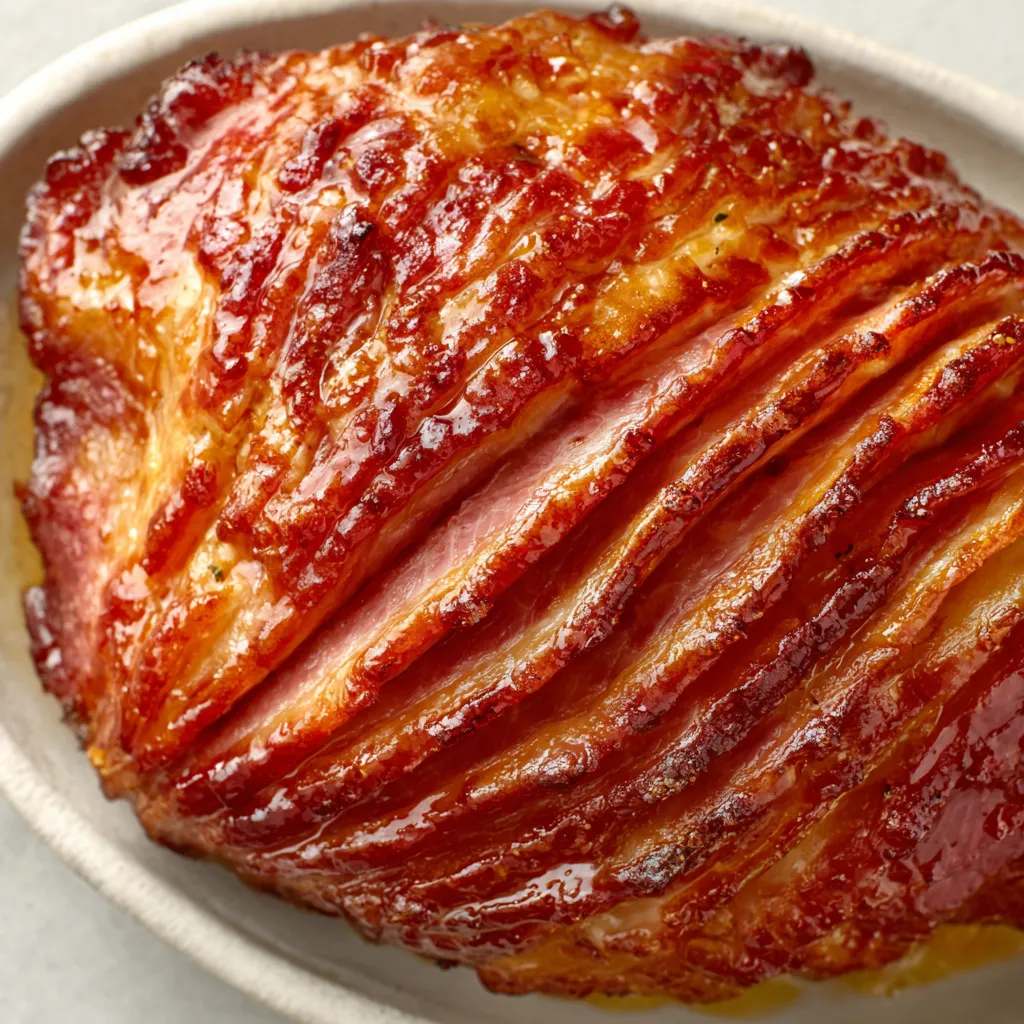
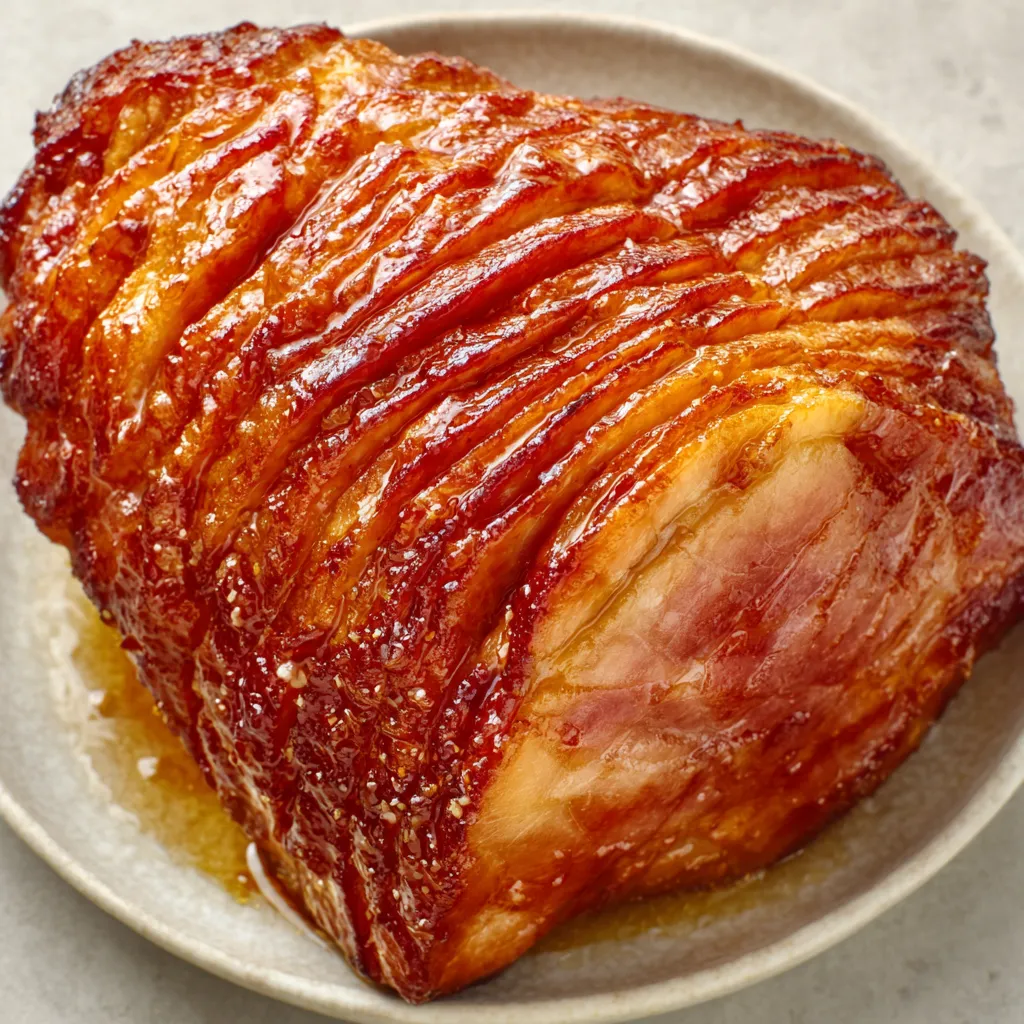
What emerges is nothing short of spectacular. You’ll carve through a sticky, crackly-crisp crust into meat that’s impossibly juicy and tender, each slice glistening with a perfect balance of sweet, salty, and savory. This recipe is engineered for that flawless result every single time, making you look like a culinary genius with surprisingly little effort.
Why This Recipe Works
- Bold Reason 1 (Texture/Flavor): A dual-glazing technique builds layers of flavor, creating a glossy, caramelized crust that doesn’t just slide off.
- Bold Reason 2 (Technique): Starting the ham covered with liquid ensures it steams to succulent perfection before the final uncovered roast sets the glaze.
- Bold Reason 3 (Result): The clever addition of mustard and apple cider vinegar in the glaze cuts the sweetness, delivering a complex, restaurant-quality taste.
Key Ingredients for Success
The beauty of this dish lies in the quality of a few simple components. You don’t need a long list, but choosing the right ham and a good, flavorful honey makes all the difference in the world.
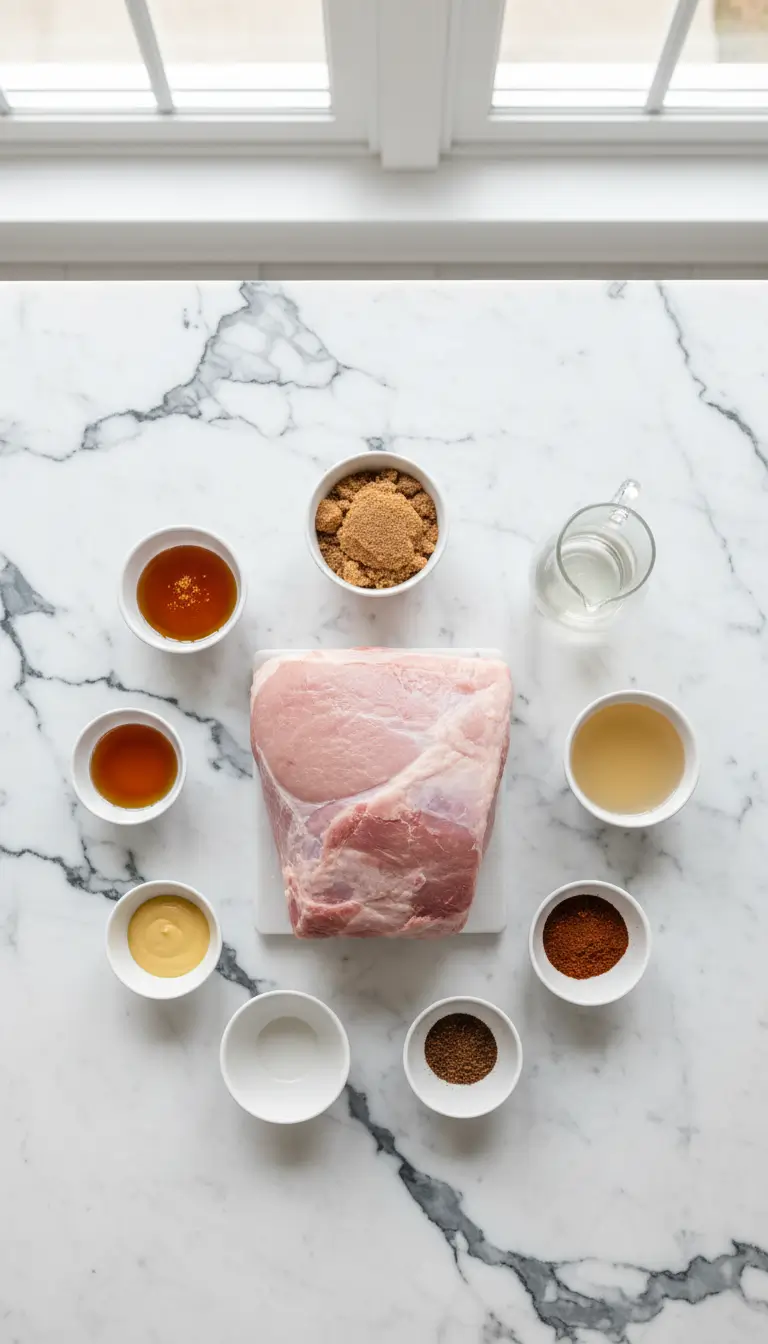
- 1 (7-10 pound) fully cooked, bone-in half ham: The bone is non-negotiable for incredible flavor and moisture. A “fully cooked” or “ready-to-eat” ham just needs warming through, which prevents drying out.
- 1 cup honey: This is the star. Use a good-quality wildflower or clover honey for the best flavor (avoid the ultra-processed, bear-shaped bottle if you can).
- 1/2 cup light or dark brown sugar: It deepens the sweetness and helps create that gorgeous, sticky caramelization.
- 1/4 cup Dijon mustard: This is your secret weapon. It adds a necessary tangy backbone that balances the sweet glaze perfectly.
- 2 tablespoons apple cider vinegar: A splash of acidity brightens the entire glaze and enhances all the other flavors.
- 1/2 teaspoon ground cloves: Just a hint provides that classic, warm-spiced aroma we all associate with holiday ham.
- 1 cup low-sodium chicken broth, apple juice, or water: This liquid in the bottom of the pan creates steam to keep the ham juicy during the initial cooking phase.
Pantry Substitutions
Don’t panic if you’re missing an item or two. This recipe is wonderfully adaptable.
- No Dijon? A whole-grain mustard or even a tablespoon of yellow mustard mixed with a pinch of garlic powder will work in a pinch.
- Out of apple cider vinegar? White wine vinegar or even fresh orange juice can provide the needed acidity.
- Allergic to honey? Pure maple syrup is a fantastic one-to-one substitute, offering a different but equally delicious depth.
- No brown sugar? You can use all honey, or make a quick substitute by mixing 1/2 cup white sugar with a teaspoon of molasses.
- Bone-in ham too big? A boneless ham will work, but reduce the cooking time significantly and watch it closely, as it can dry out faster.
Chef’s Twists
Once you’ve mastered the classic, feel free to play. These simple additions can take your ham in exciting new directions.
Try infusing the glaze with a tablespoon of finely grated fresh ginger or a couple of tablespoons of bourbon for a warm, sophisticated kick. For a tropical twist, replace half the honey with pineapple juice and add a pinch of red pepper flakes.
You could also incorporate a quarter cup of marmalade into the glaze for a beautiful citrus bitterness. Or, for an herby note, stir two tablespoons of finely chopped fresh rosemary or thyme into the glaze just before brushing.
The Complete Method
This process is simple but specific. Trust the timing, and you’ll be rewarded. Plan for about 2 to 2.5 hours total, most of which is hands-off oven time.
1. Prep the Ham and Oven
Preheat your oven to 325°F (165°C). Remove any packaging from the ham and place it, flat-side down, in a large roasting pan. Using a sharp knife, score the surface fat in a diagonal crosshatch pattern, about 1/4-inch deep.
This scoring isn’t just for looks. It allows the glaze to seep into the meat and helps the fat render beautifully. Pour your chosen liquid (broth, juice, or water) into the bottom of the pan.
2. Create the Glaze
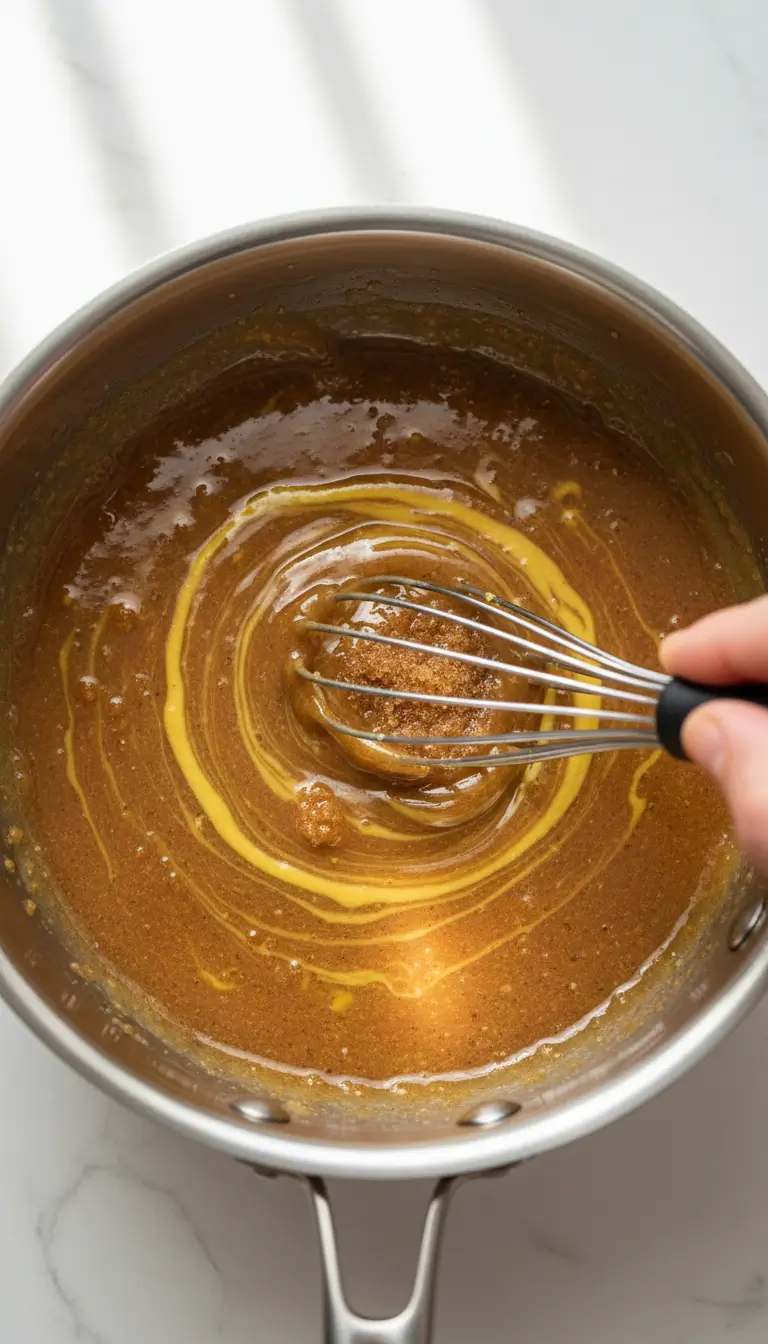
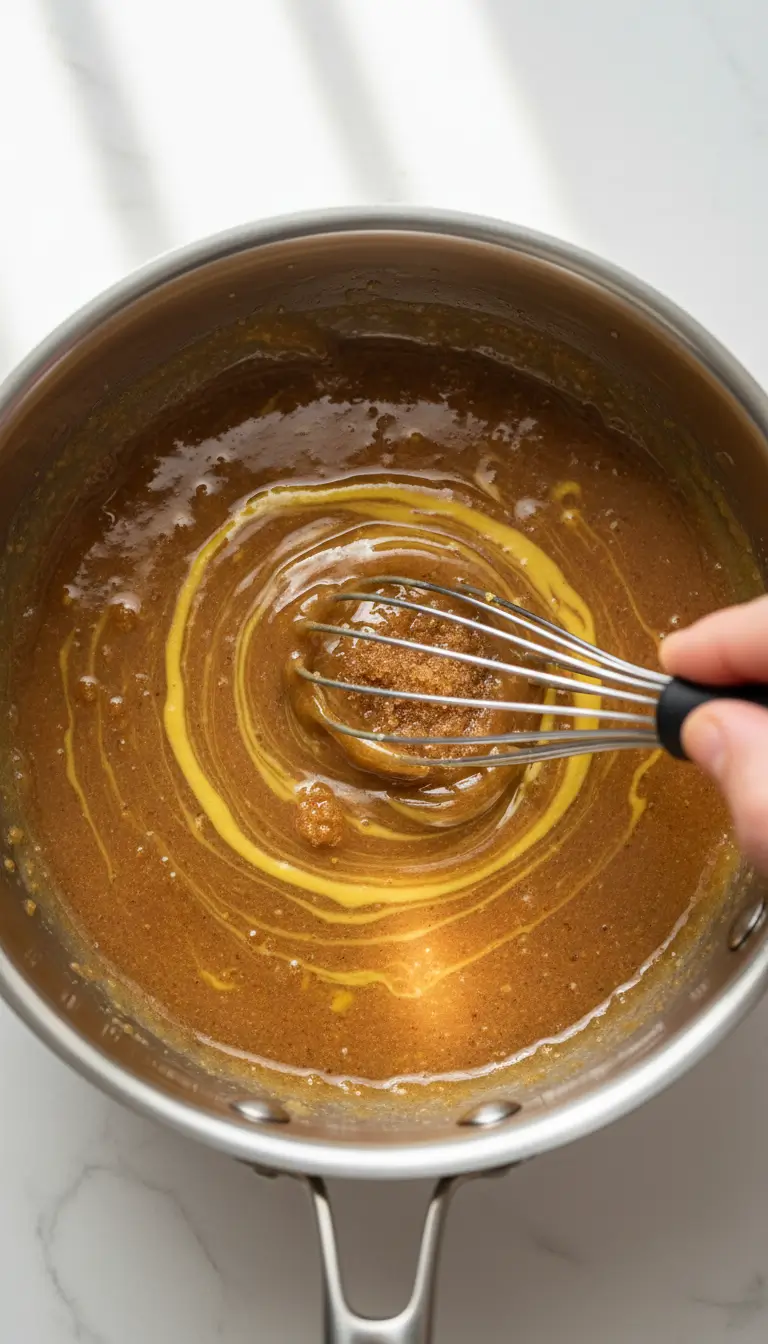
In a small saucepan over medium heat, combine the honey, brown sugar, Dijon mustard, apple cider vinegar, and ground cloves. Whisk constantly until the sugar has fully dissolved and the mixture is smooth and bubbly.
This should only take about 3-5 minutes. Do not let it boil vigorously. You’re just melting and combining. Remove it from the heat and let it cool slightly while you begin cooking the ham.
3. The Initial Bake
Cover the ham tightly with aluminum foil and place it in the preheated oven. Bake for about 1 hour and 15 minutes (roughly 15 minutes per pound). This gentle, steamy heat warms the ham all the way through without drying it out.
The internal temperature should reach about 110-120°F at this stage. You’re just warming it, not cooking it from raw. The liquid in the pan will have reduced slightly, creating a flavorful base.
4. Glaze and Caramelize
Remove the ham from the oven and carefully take off the foil. Increase the oven temperature to 400°F (200°C). Using a pastry brush, generously apply about half of your glaze all over the scored surface of the ham.
Return the ham, uncovered, to the hotter oven. Bake for 15 minutes. Then, remove it and brush on the remaining glaze. Return it to the oven for a final 15-25 minutes.
Watch it closely during this final phase. The glaze should become deeply browned, bubbly, and caramelized. The internal temperature should now register 135-140°F.
5. Rest and Serve
This is the most critical step for juicy meat. Transfer the ham to a cutting board or platter and tent it loosely with foil. Let it rest for a full 20-30 minutes before carving.
Resting allows the hot juices to redistribute throughout the meat. If you carve immediately, all those precious juices will run out onto the board. While it rests, you can skim any fat from the pan juices and serve them warm on the side.
Common Mistakes to Avoid
- Bold Warning 1: Skipping the Rest: Carving the ham straight from the oven guarantees dry slices. The rest period is non-negotiable for juicy results.
- Bold Warning 2: Boiling the Glaze: Overheating the glaze can cause the sugars to burn or become bitter. Just warm it until smooth and combined.
- Bold Warning 3: Using an Oversized Pan: If your roasting pan is too big, the liquid will evaporate too quickly. Use a pan that snugly fits the ham to maintain a steamy environment.
Perfect Pairings
A ham this good deserves sides that complement, not compete. Think about balancing the sweet, salty richness with bright, creamy, and starchy elements.
Creamy, cheesy scalloped potatoes or a classic gratin are a match made in heaven. For a fresh contrast, a simple arugula salad with a lemony vinaigrette or roasted asparagus works beautifully.
Don’t forget the classics like soft, buttery rolls to soak up the glaze. And for a touch of sweetness, a dish of spiced apple sauce or homemade cranberry relish is always welcome on the table.
The leftovers are arguably the best part. Think beyond sandwiches (though they will be incredible). Dice it for breakfast hash, fold it into omelets, or add it to split pea soup for a smoky, savory depth.
If you tried this recipe and loved it, please leave a 5-star rating below. It helps us so much!
Why is a bone-in ham recommended for this recipe?
A bone-in ham is recommended because the bone contributes incredible flavor and moisture. Using a ‘fully cooked’ or ‘ready-to-eat’ ham means it just needs warming through, which helps prevent it from drying out.
What is the purpose of the dual-glazing technique mentioned in the article?
The dual-glazing technique builds layers of flavor and creates a glossy, caramelized crust that adheres to the ham instead of just sliding off. You apply half the glaze, roast, then apply the remaining glaze for a final caramelization.
What is a common mistake to avoid when making the honey glaze?
A common mistake is boiling the glaze vigorously. Overheating can cause the sugars to burn or become bitter. You should only warm the mixture until the sugar dissolves and it is smooth and bubbly, which takes about 3-5 minutes.
Can I substitute the honey if I have an allergy, and if so, with what?
Yes, if you are allergic to honey, pure maple syrup is a fantastic one-to-one substitute, offering a different but equally delicious depth of flavor.
Perfect Honey Glazed Ham
Ingredients
Equipment
Method
- Preheat oven to 325°F (165°C). Remove ham packaging and place it flat-side down in a large roasting pan. Score the surface fat in a 1/4-inch deep diagonal crosshatch pattern. Pour the chosen liquid (broth, juice, or water) into the bottom of the pan.
- In a small saucepan over medium heat, combine honey, brown sugar, Dijon mustard, apple cider vinegar, and ground cloves. Whisk constantly for 3-5 minutes until sugar dissolves and mixture is smooth and bubbly. Do not boil vigorously. Remove from heat and let cool slightly.
- Cover the ham tightly with aluminum foil. Bake in the preheated oven for about 1 hour and 15 minutes (approximately 15 minutes per pound), or until the internal temperature reaches 110-120°F.
- Remove ham from oven and carefully remove foil. Increase oven temperature to 400°F (200°C). Generously brush about half of the glaze all over the scored surface of the ham.
- Return the ham, uncovered, to the hotter oven. Bake for 15 minutes. Remove and brush with the remaining glaze. Return to oven for a final 15-25 minutes, until the glaze is deeply browned, bubbly, and caramelized, and the internal temperature registers 135-140°F.
- Transfer ham to a cutting board or platter. Tent loosely with foil and let rest for 20-30 minutes before carving. Skim fat from pan juices and serve warm on the side.