I can still picture my grandpa, suspenders straining over his belly, stirring a massive pot on the stovetop, the aroma filling his entire house and beckoning us grandchildren closer – that was his famous Sunday Beef Stew tradition. It wasn’t just a meal; it was a warm hug in a bowl, a taste of home, and now I’m going to share everything I know to help you recreate that magic in your own kitchen, with a few modern improvements for guaranteed success!
The Hearty Goodness of Homemade Beef Stew
Beef stew. Just the name conjures up images of cozy nights, crackling fireplaces, and the comforting satisfaction of a belly-warming meal. But let’s be honest, sometimes the reality of making beef stew can feel a little daunting. Tough meat, bland broth, mushy vegetables… it’s a culinary minefield! But fear not, my friend! I’m here to guide you through every step, from selecting the perfect cut of beef to achieving that rich, deep flavor that will have everyone begging for seconds. This isn’t just a recipe; it’s a roadmap to beef stew bliss.
Why This Recipe Works
I’ve tested and tweaked this recipe countless times, and I’m confident that it delivers on all fronts. Here’s what makes it special:
- Flavor Depth: We’re not just simmering beef in broth here. We’re building layers of flavor through searing, deglazing, and a carefully chosen blend of herbs and spices.
- Tender Beef: No one wants to gnaw on shoe leather. I’ll show you the secrets to achieving fall-apart tender beef every single time.
- Perfectly Cooked Vegetables: Say goodbye to mushy carrots and potatoes! We’ll add the vegetables at the right time to ensure they’re tender but still hold their shape.
- Easy to Customize: This recipe is a fantastic base that you can adapt to your own preferences and dietary needs.
Ingredients You’ll Need
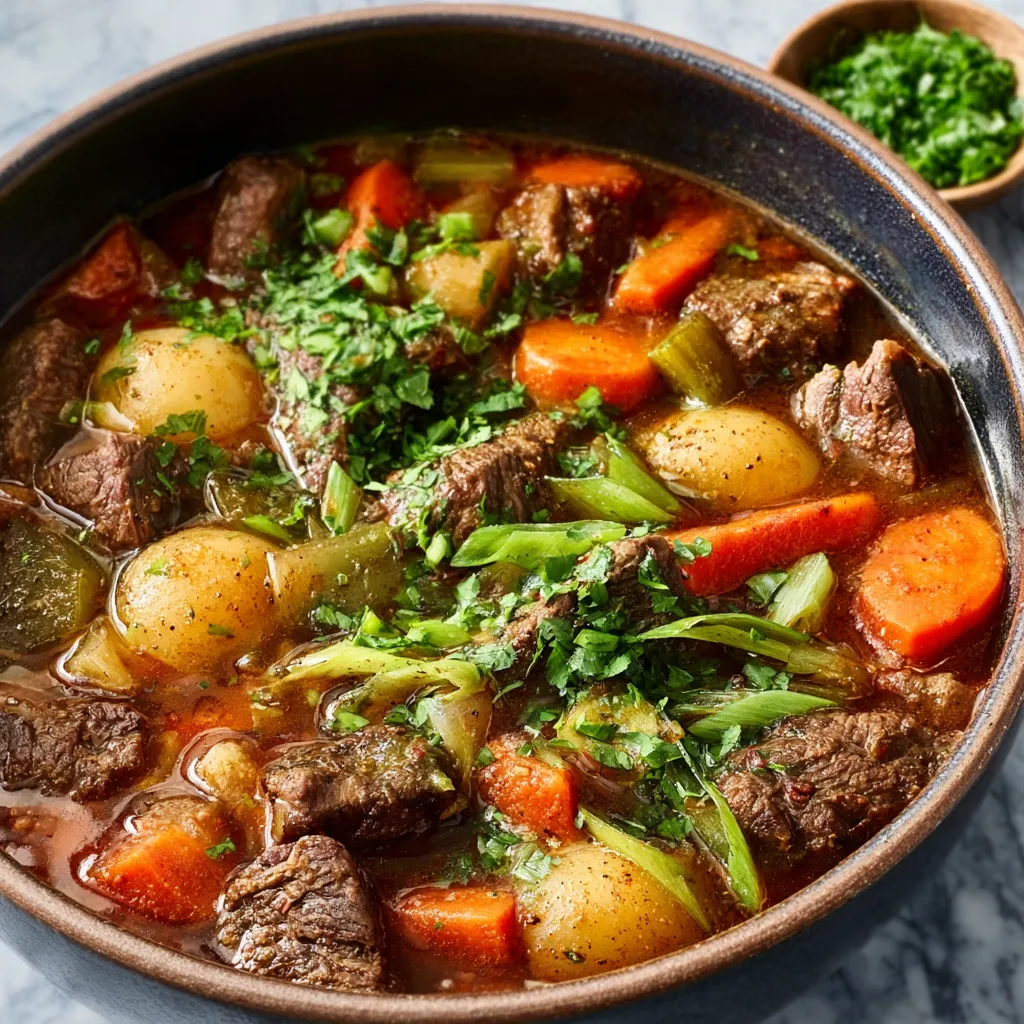
Let’s gather our ingredients! Here’s a breakdown of what you’ll need and why each component is important:
- Beef: 2 pounds of beef chuck, cut into 1-inch cubes. Chuck is ideal because it has a good amount of marbling (fat), which renders during cooking and adds flavor and richness. Other options include beef round or brisket, but chuck is generally the most readily available and affordable.
- Vegetable Oil: 2 tablespoons. For searing the beef. You can also use olive oil, but vegetable oil has a higher smoke point, which is preferable for high-heat searing.
- All-Purpose Flour: 2 tablespoons. For dredging the beef. This helps it brown beautifully and also slightly thickens the stew. You can use gluten-free all-purpose flour blend as a substitute.
- Salt and Black Pepper: To taste. Season generously! Don’t be shy.
- Onion: 1 large, chopped. Onions form the aromatic base of our stew. Yellow or white onions work best.
- Garlic: 4 cloves, minced. Garlic adds a pungent, savory flavor. Use fresh garlic for the best results.
- Carrots: 2 large, peeled and chopped. Carrots add sweetness and color to the stew.
- Celery: 2 stalks, chopped. Celery provides a subtle but important flavor element.
- Beef Broth: 6 cups. Use a good-quality beef broth for the best flavor. You can also use beef stock if you prefer a richer flavor. Low sodium is recommended so you can control the salt level.
- Tomato Paste: 2 tablespoons. Tomato paste adds depth and richness to the broth.
- Worcestershire Sauce: 1 tablespoon. This adds a savory, umami flavor that enhances the beefiness of the stew.
- Dried Thyme: 1 teaspoon. Thyme is a classic herb that complements beef beautifully.
- Dried Rosemary: 1/2 teaspoon. Rosemary adds a fragrant, earthy note. Use sparingly, as it can be overpowering.
- Bay Leaf: 1. A bay leaf adds a subtle but complex flavor. Remember to remove it before serving!
- Potatoes: 1.5 pounds, peeled and cut into 1-inch cubes. Yukon Gold or red potatoes are great choices because they hold their shape well during cooking.
- Frozen Peas: 1 cup. Optional, but adds a pop of color and freshness. Add them during the last 15 minutes of cooking.
- Fresh Parsley: Chopped, for garnish. Adds a touch of brightness and freshness.
Step-by-Step Instructions: Making the BEST Beef Stew
Alright, let’s get cooking! Follow these steps carefully for a guaranteed delicious result.
Step 1: Prepare the Beef
Pat the beef cubes dry with paper towels. This is crucial for achieving a good sear. In a large bowl, toss the beef with the flour, salt, and pepper until evenly coated.
Step 2: Sear the Beef
Heat the vegetable oil in a large Dutch oven or heavy-bottomed pot over medium-high heat. Working in batches (don’t overcrowd the pot!), sear the beef on all sides until nicely browned. Remove the beef from the pot and set aside.
Why sear? Searing the beef creates a beautiful crust that adds flavor and seals in the juices. Overcrowding the pot will lower the temperature and cause the beef to steam instead of sear.
Step 3: Sauté the Vegetables
Add the onion to the pot and cook until softened, about 5 minutes. Add the garlic and cook for another minute until fragrant. Add the carrots and celery and cook for 3-5 minutes, until slightly softened.
Deglazing Time! Pour in a splash of beef broth (about 1/2 cup) and scrape up any browned bits from the bottom of the pot. These browned bits are called fond, and they are packed with flavor!
Step 4: Build the Stew
Return the beef to the pot. Add the beef broth, tomato paste, Worcestershire sauce, thyme, rosemary, and bay leaf. Bring to a boil, then reduce heat to low, cover, and simmer for at least 2 hours, or until the beef is very tender. Check occasionally to make sure there is still enough liquid, adding more beef broth if needed.
Patience is Key! The longer the stew simmers, the more tender the beef will become and the more the flavors will meld together. This is also a great time to prepare a side dish like crusty bread or mashed potatoes.
Step 5: Add the Potatoes and Peas
Add the potatoes to the stew and cook for another 30-45 minutes, or until the potatoes are tender. If using frozen peas, add them during the last 15 minutes of cooking.
Vegetable Timing: Adding the potatoes too early will result in mushy potatoes. Adding the peas at the very end ensures they stay bright green and don’t overcook.
Step 6: Season and Serve
Remove the bay leaf. Taste the stew and adjust seasoning with salt and pepper as needed. Garnish with fresh parsley and serve hot.
Taste as You Go! Seasoning is crucial for a flavorful stew. Don’t be afraid to add more salt and pepper if needed.
Tips for the BEST Beef Stew Ever
Here are a few extra tips to help you achieve beef stew perfection:
- Use High-Quality Ingredients: The better the ingredients, the better the stew will taste. Invest in good-quality beef broth, tomato paste, and herbs.
- Don’t Skip the Searing: Searing the beef is essential for developing flavor and creating a rich, brown broth.
- Low and Slow is the Way to Go: Simmering the stew for a long time allows the beef to become incredibly tender and the flavors to meld together.
- Adjust the Thickness: If you prefer a thicker stew, you can whisk together 1 tablespoon of cornstarch with 2 tablespoons of cold water and stir it into the stew during the last 15 minutes of cooking.
- Make it Ahead: Beef stew is even better the next day! The flavors have more time to develop in the fridge.
- Spice It Up: Feel free to add a pinch of red pepper flakes for a little heat.
- Wine Pairing: A hearty red wine, such as Cabernet Sauvignon or Merlot, pairs perfectly with beef stew.
Variations and Substitutions
Want to put your own spin on this classic dish? Here are a few ideas:
- Vegetarian Beef Stew: Substitute the beef with hearty mushrooms, such as portobellos or cremini. Use vegetable broth instead of beef broth.
- Add Different Vegetables: Try adding parsnips, turnips, or sweet potatoes.
- Change Up the Herbs: Experiment with different herbs, such as oregano, marjoram, or savory.
- Beer Beef Stew: Substitute 1 cup of the beef broth with a dark beer, such as stout or porter.
- Slow Cooker Beef Stew: This recipe can easily be adapted for the slow cooker. Sear the beef as directed, then transfer all ingredients to the slow cooker. Cook on low for 6-8 hours, or on high for 3-4 hours. Then you can make some delicious Slow Cooker Beef Stew.
Serving Suggestions
Beef stew is a complete meal on its own, but here are a few ideas for serving it:
- Crusty Bread: For soaking up all that delicious broth.
- Mashed Potatoes: A classic pairing.
- Rice: A great alternative to potatoes.
- Green Salad: For a refreshing contrast.
- Cornbread: A comforting side dish.
Storage and Reheating Instructions
Storage: Store leftover beef stew in an airtight container in the refrigerator for up to 3-4 days. You could also freeze it for up to 2-3 months.
Reheating: Reheat beef stew on the stovetop over medium heat, stirring occasionally, until heated through. You can also reheat it in the microwave.
Other Comfort Food Recipes You’ll Love
If you’re craving more comforting, hearty meals, be sure to check out these other recipes:
- Red Chili: A warm and spicy dish perfect for a cold day.
- Chicken Stew: A lighter alternative to beef stew, but just as comforting. Or for an even easier option, try Slow Cooker Chicken Stew.
- Slow Cooker Pot Roast: Another classic comfort food dish that’s easy to make.
Conclusion
There you have it – my ultimate guide to making the best beef stew you’ve ever tasted! Don’t be intimidated by the process; just follow the steps, trust your instincts, and most importantly, have fun. This recipe is a labor of love, but the reward is a pot of hearty, flavorful stew that will warm your soul and bring everyone to the table. Now get cooking, and get ready to savor every single bite!
What cut of beef is recommended for this stew and why?
Beef chuck is the recommended cut. It has a good amount of marbling (fat) that renders during cooking, adding flavor and richness to the stew. Other options include beef round or brisket.
Why is it important to sear the beef before adding it to the stew?
Searing the beef creates a beautiful crust that adds flavor and seals in the juices, contributing to a richer, more flavorful broth.
How can I prevent the vegetables in my beef stew from becoming mushy?
Add the vegetables at the right time. The recipe suggests adding potatoes about 30-45 minutes before the end of cooking and frozen peas only during the last 15 minutes to prevent them from overcooking.
Can I make this beef stew in a slow cooker?
Yes, this recipe can be adapted for the slow cooker. Sear the beef as directed, then transfer all ingredients to the slow cooker. Cook on low for 6-8 hours, or on high for 3-4 hours.
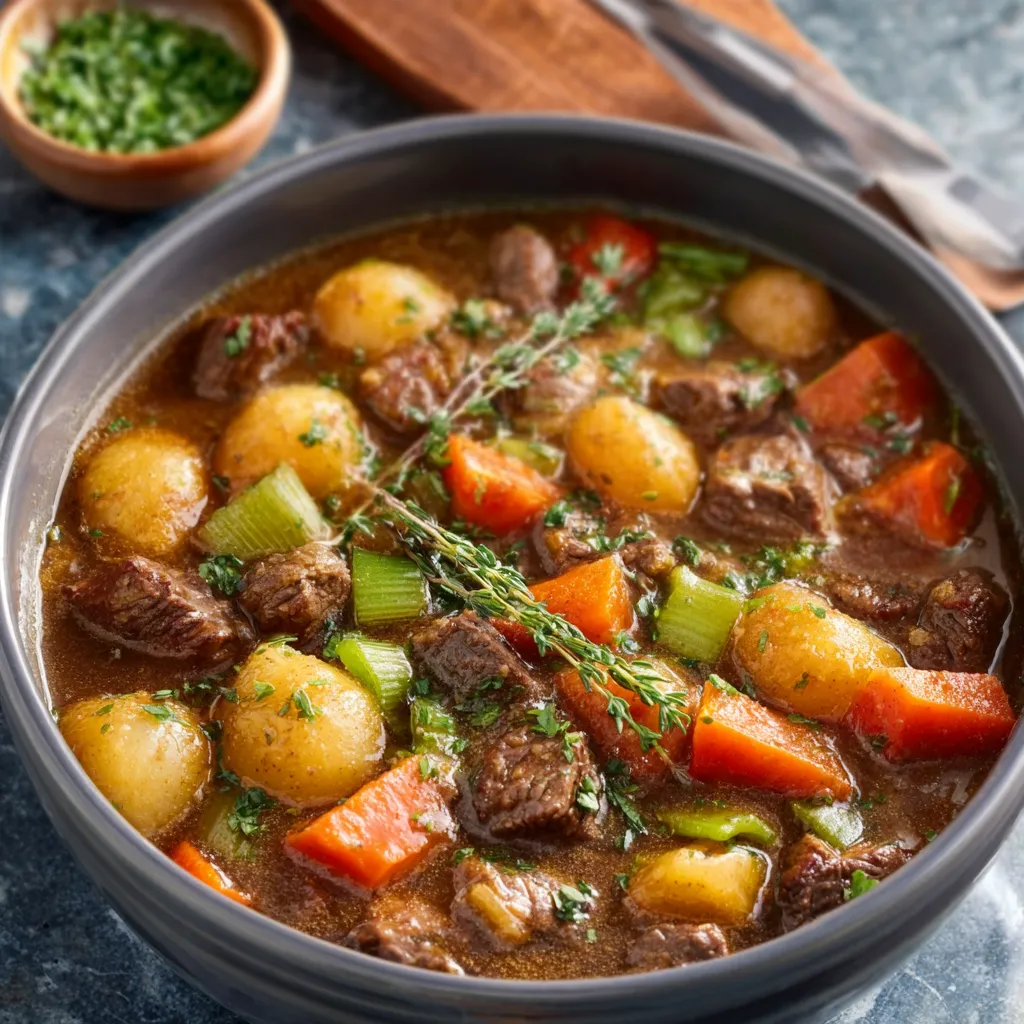
Best Beef Stew Recipe
Ingredients
Equipment
Method
- Pat the beef cubes dry with paper towels. In a large bowl, toss the beef with the flour, salt, and pepper until evenly coated.
- Heat the vegetable oil in a large Dutch oven or heavy-bottomed pot over medium-high heat. Working in batches, sear the beef on all sides until nicely browned. Remove the beef from the pot and set aside.
- Add the onion to the pot and cook until softened, about 5 minutes. Add the garlic and cook for another minute until fragrant. Add the carrots and celery and cook for 3-5 minutes, until slightly softened.
- Pour in a splash of beef broth (about 1/2 cup) and scrape up any browned bits from the bottom of the pot.
- Return the beef to the pot. Add the beef broth, tomato paste, Worcestershire sauce, thyme, rosemary, and bay leaf. Bring to a boil, then reduce heat to low, cover, and simmer for at least 2 hours, or until the beef is very tender. Check occasionally to make sure there is still enough liquid, adding more beef broth if needed.
- Add the potatoes to the stew and cook for another 30-45 minutes, or until the potatoes are tender. If using frozen peas, add them during the last 15 minutes of cooking.
- Remove the bay leaf. Taste the stew and adjust seasoning with salt and pepper as needed. Garnish with fresh parsley and serve hot.