Unlocking the Secrets: The Science Behind Stellar Broccoli Chicken Penne
The key to elevating Broccoli Chicken Penne from mundane to magnificent lies in understanding the science of each component and how they interact. Let’s break it down:- Pasta Perfection: Penne, with its ridges and hollow center, is ideal for clinging to creamy sauces. However, overcooking is the enemy. Aim for *al dente* – slightly firm to the bite. This ensures textural contrast and prevents the pasta from becoming a starchy, gluey mess. The pasta water, starchy from cooking, is your secret weapon for creating a luscious, emulsified sauce. Don’t drain it all away!
- Broccoli’s Brilliance: Broccoli’s vibrant green color and subtle bitterness provide a crucial counterpoint to the richness of the sauce. The goal is to achieve tender-crisp perfection. Overcooked broccoli turns mushy, releasing unpleasant sulfurous compounds. Roasting, steaming, or quickly blanching are the best methods for retaining its texture and flavor.
- Chicken’s Charm: Chicken breast, while lean and readily available, can easily become dry and flavorless. The solution? Brining, marinating, or simply pan-searing with a generous amount of seasoning are all effective ways to ensure juicy, flavorful chicken. Cutting the chicken into uniform, bite-sized pieces also promotes even cooking.
- The Sauce’s Soul: The sauce is where the magic happens. Cream-based sauces are classic, but easily become heavy. A lighter approach, using chicken broth, a touch of cream cheese, and a sprinkle of Parmesan cheese, can achieve the desired creaminess without the cloying richness. The starch from the pasta water is crucial for thickening the sauce and creating a beautiful emulsion.
The Recipe: Broccoli Chicken Penne, Elevated
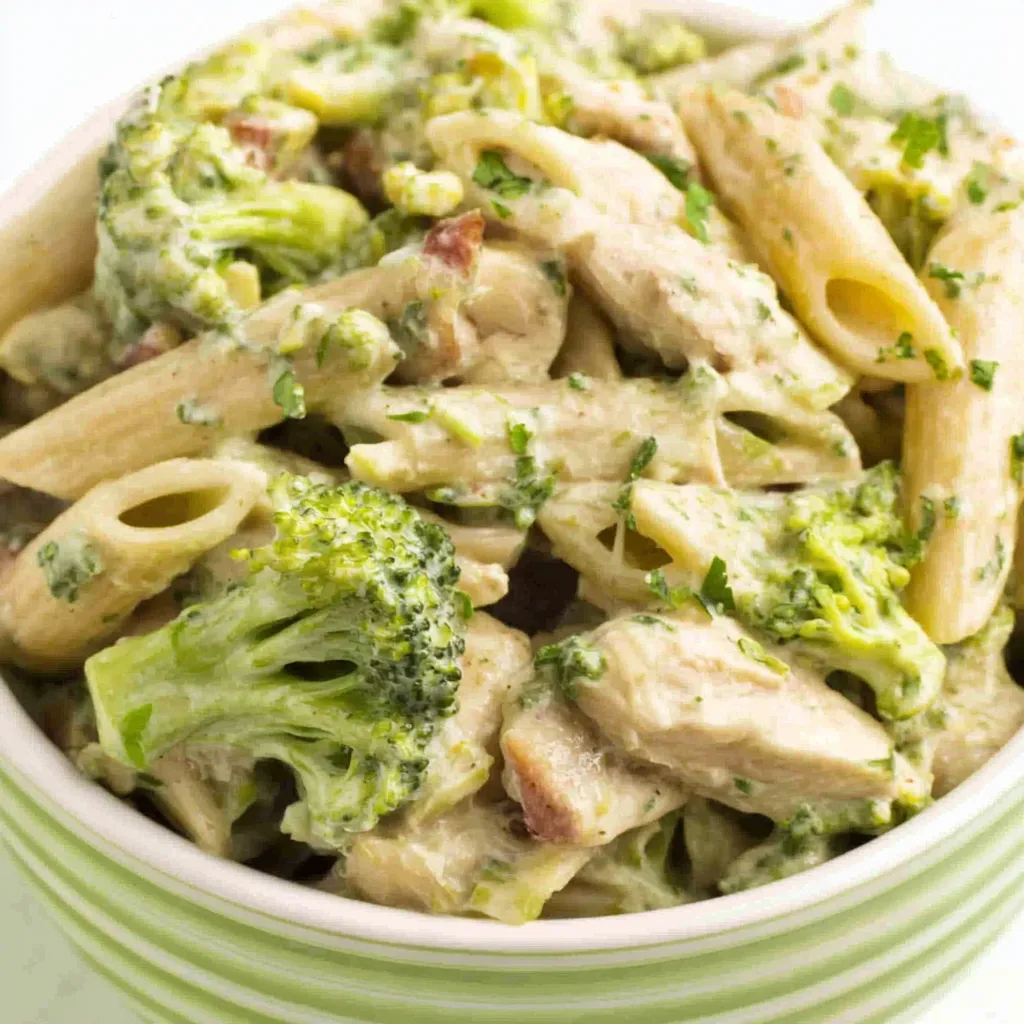
Ingredients:
- 1 pound penne pasta
- 1.5 pounds boneless, skinless chicken breasts, cut into 1-inch cubes
- 1 large head of broccoli, cut into florets
- 2 tablespoons olive oil, divided
- 1 teaspoon garlic powder
- 1/2 teaspoon onion powder
- 1/2 teaspoon paprika
- Salt and freshly ground black pepper to taste
- 4 cloves garlic, minced
- 1/2 cup chicken broth
- 4 ounces cream cheese, softened
- 1/2 cup grated Parmesan cheese
- 1/4 cup reserved pasta water
- Optional: Red pepper flakes for a touch of heat
Instructions:
- Cook the Pasta: Bring a large pot of salted water to a boil. Add the penne pasta and cook according to package directions, until *al dente*. Reserve 1/2 cup of the pasta water before draining.
- Prepare the Chicken: While the pasta is cooking, toss the chicken cubes with 1 tablespoon of olive oil, garlic powder, onion powder, paprika, salt, and pepper.
- Cook the Chicken: Heat the remaining tablespoon of olive oil in a large skillet over medium-high heat. Add the chicken and cook until browned and cooked through, about 5-7 minutes. Remove the chicken from the skillet and set aside.
- Cook the Broccoli: Add the broccoli florets to the same skillet and cook, stirring occasionally, until tender-crisp, about 5-7 minutes. If the pan seems dry, add a splash of water to help steam the broccoli. Remove the broccoli from the skillet and set aside.
- Make the Sauce: Add the minced garlic to the skillet and cook until fragrant, about 30 seconds. Pour in the chicken broth and bring to a simmer, scraping up any browned bits from the bottom of the pan.
- Finish the Sauce: Reduce the heat to low. Add the softened cream cheese and stir until melted and smooth. Stir in the Parmesan cheese until melted.
- Combine Everything: Add the cooked pasta, chicken, and broccoli to the skillet with the sauce. Toss to combine, adding reserved pasta water as needed to reach your desired consistency.
- Serve: Season with salt and pepper to taste. Sprinkle with red pepper flakes (optional) and serve immediately.
My Culinary Investigation: A Penne Odyssey
The Early Days: A Creamy Catastrophe
My first few attempts at Broccoli Chicken Penne were a disaster. Like many of you, I initially thought more cream equals better flavor. I loaded up on heavy cream, resulting in a sauce that was overwhelmingly rich and greasy. The broccoli was often mushy, and the chicken, well, let’s just say it lacked… personality. I even tried to jazz things up with a pre-made Alfredo sauce once. Big mistake. Huge. It tasted artificial and masked the freshness of the other ingredients. I learned quickly that shortcuts don’t always pay off, especially when you want to avoid a flavorless dish that is far from the Marry Me Chicken Pasta experience.The Brining Breakthrough: Chicken’s Redemption
Then, I had an “Aha!” moment. I realized the chicken was the weakest link. I started experimenting with brines and marinades. A simple brine of salt, sugar, and water for 30 minutes before cooking made a world of difference. The chicken was noticeably juicier and more flavorful. I also tried marinating the chicken in Italian dressing, which added a tangy zip. This step alone elevated the entire dish. It almost made me forget the time I tried to make Chicken Casserole Recipe and forgot the cream of mushroom soup.Broccoli’s Balancing Act: Tender-Crisp Triumph
Next, I tackled the broccoli. I tried steaming, boiling, and even microwaving (don’t judge!). Steaming proved to be the most reliable method for achieving tender-crisp perfection. However, I discovered that blanching the broccoli in boiling water for just 2 minutes, then shocking it in ice water, resulted in the most vibrant green color and the best texture. I also started adding the broccoli later in the cooking process, to prevent it from overcooking. I considered adding green beans, a similar vegetable used in Chicken Spaghetti Casserole, but decided to stick to broccoli for this recipe.The Sauce Solution: Light and Luscious
Finally, I focused on the sauce. I ditched the heavy cream and experimented with lighter alternatives. Chicken broth, thickened with a touch of cream cheese and Parmesan cheese, proved to be the perfect combination. The reserved pasta water added body and helped emulsify the sauce, creating a beautiful, glossy coating for the pasta. I even tried adding a squeeze of lemon juice for a touch of brightness, which worked wonders. The key, I found, was to build the sauce slowly, tasting and adjusting as I went. A shortcut to consider would be to combine this with Southern Chicken Spaghetti Casserole.The Foolproof Method: The Art of Perfect Penne
To consistently achieve Broccoli Chicken Penne perfection, follow these simple steps:- Brine the Chicken: Submerge chicken cubes in a simple salt water brine for 30 minutes before cooking for extra juiciness.
- Cook Pasta Al Dente: Cook the penne pasta until *al dente* and reserve at least 1/4 cup of the starchy pasta water.
- Blanch the Broccoli: Blanch broccoli florets for 2 minutes in boiling water, then shock in ice water to preserve their vibrant color and crisp texture.
- Sauté the Aromatics: Sauté minced garlic in olive oil until fragrant to build a flavorful base for the sauce.
- Create a Light Sauce: Use chicken broth, cream cheese, and Parmesan cheese to create a creamy, but not heavy, sauce.
- Emulsify with Pasta Water: Use reserved pasta water to thicken the sauce and create a beautiful emulsion.
- Don’t Overcook the Broccoli: Add the broccoli to the sauce at the end of the cooking process to prevent it from becoming mushy.
- Season Generously: Taste and adjust the seasoning throughout the cooking process. Salt, pepper, and a pinch of red pepper flakes can make all the difference.
Why is it important to cook the penne pasta *al dente*?
Cooking the penne *al dente* ensures a textural contrast in the dish and prevents the pasta from becoming a starchy, gluey mess. It also helps the pasta hold its shape better when tossed with the sauce.
How can I prevent the chicken breast from becoming dry and flavorless in this recipe?
Brining, marinating, or simply pan-searing the chicken with a generous amount of seasoning are all effective ways to ensure juicy, flavorful chicken. Cutting the chicken into uniform, bite-sized pieces also promotes even cooking.
What’s the best way to cook the broccoli to avoid it becoming mushy?
Roasting, steaming, or quickly blanching the broccoli are the best methods for retaining its texture and flavor. Blanching the broccoli in boiling water for just 2 minutes, then shocking it in ice water, resulted in the most vibrant green color and the best texture. Adding the broccoli later in the cooking process also helps prevent overcooking.
How can I make the sauce creamy without it being too heavy?
Use chicken broth, a touch of cream cheese, and a sprinkle of Parmesan cheese to achieve the desired creaminess without the cloying richness of heavy cream. The starch from the reserved pasta water is crucial for thickening the sauce and creating a beautiful emulsion.
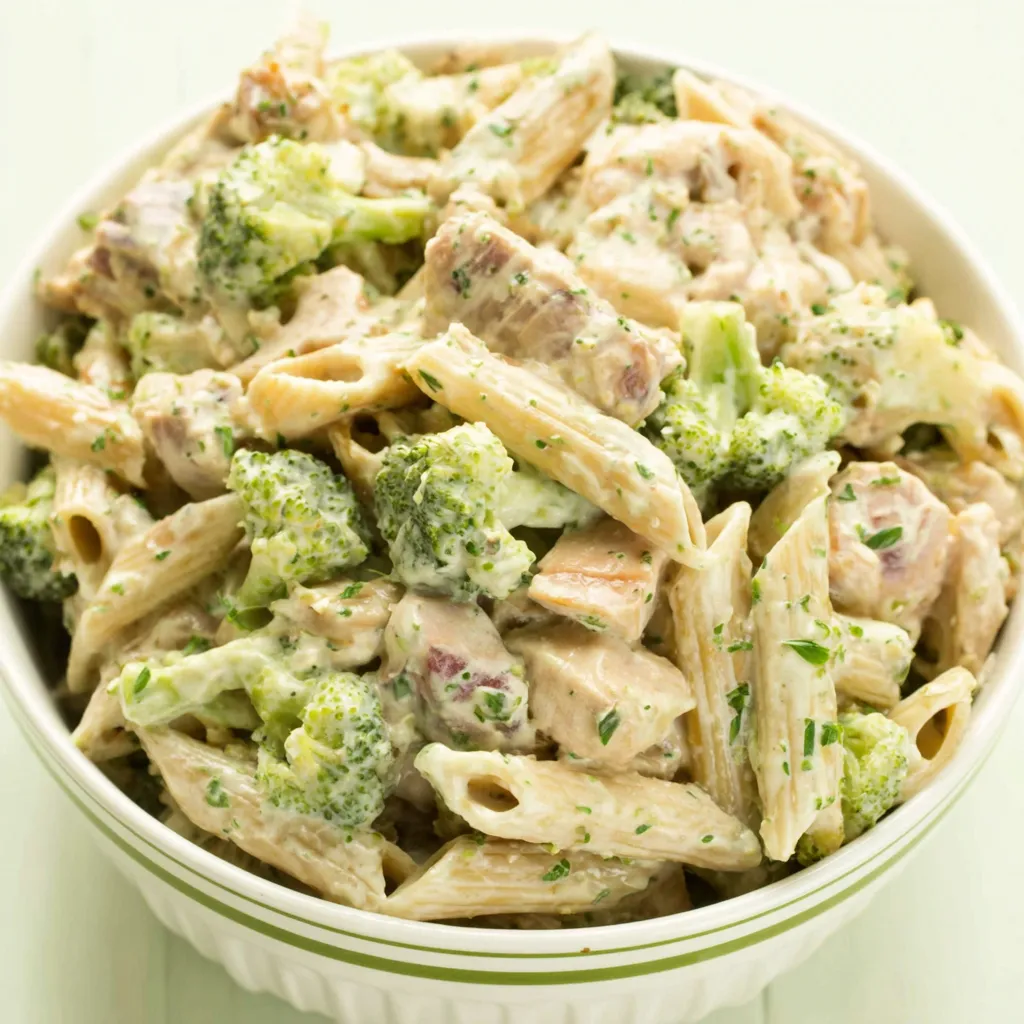
Easy Broccoli Chicken Penne
Ingredients
Equipment
Method
- Bring a large pot of salted water to a boil. Add the penne pasta and cook according to package directions, until al dente. Reserve 1/2 cup of the pasta water before draining.
- While the pasta is cooking, toss the chicken cubes with 1 tablespoon of olive oil, garlic powder, onion powder, paprika, salt, and pepper.
- Heat the remaining tablespoon of olive oil in a large skillet over medium-high heat. Add the chicken and cook until browned and cooked through, about 5-7 minutes. Remove the chicken from the skillet and set aside.
- Add the broccoli florets to the same skillet and cook, stirring occasionally, until tender-crisp, about 5-7 minutes. If the pan seems dry, add a splash of water to help steam the broccoli. Remove the broccoli from the skillet and set aside.
- Add the minced garlic to the skillet and cook until fragrant, about 30 seconds. Pour in the chicken broth and bring to a simmer, scraping up any browned bits from the bottom of the pan.
- Reduce the heat to low. Add the softened cream cheese and stir until melted and smooth. Stir in the Parmesan cheese until melted.
- Add the cooked pasta, chicken, and broccoli to the skillet with the sauce. Toss to combine, adding reserved pasta water as needed to reach your desired consistency.
- Season with salt and pepper to taste. Sprinkle with red pepper flakes (optional) and serve immediately.